
PI Plastic Materials
PI Plastic Sheet, Rod, Tube & Custom CNC Parts
High-performance polyimide materials and precision-machined components for high-temperature, wear-resistant, electrical insulation, vacuum, and precision applications.
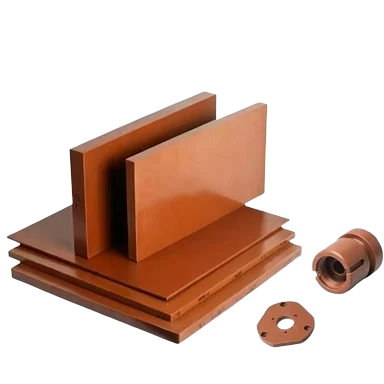
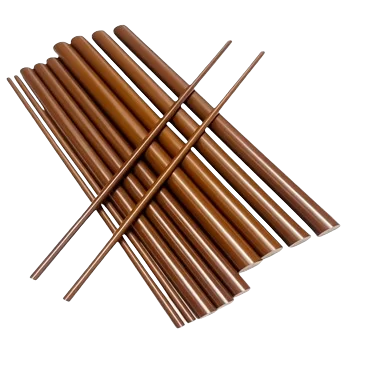
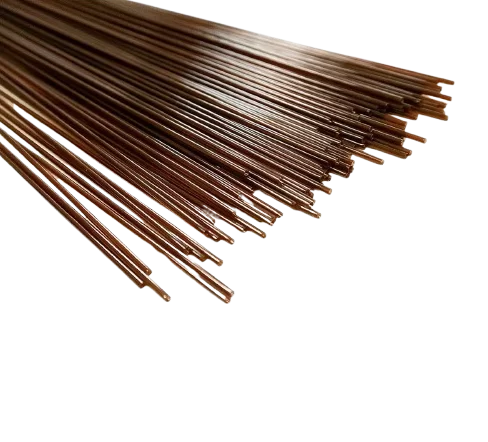
PI (polyimide) is a high-performance engineering plastic. Great Plastics supplies polyimide stock shapes, including sheets, rods, and tubes, as well as custom CNC-machined PI components.
±0.01mm
machining tolerance
24h
Rapid response
5-7 days
Fast Delivery
1 piece
MOQ
Overview
Why Engineers Specify PI Plastic Materials
PI is generally considered when a component must operate under a combination of high temperature, low friction, wear conditions, vacuum environments, electrical requirements, and tight dimensional control.
Available Forms
PI Plastic Forms & Custom Parts
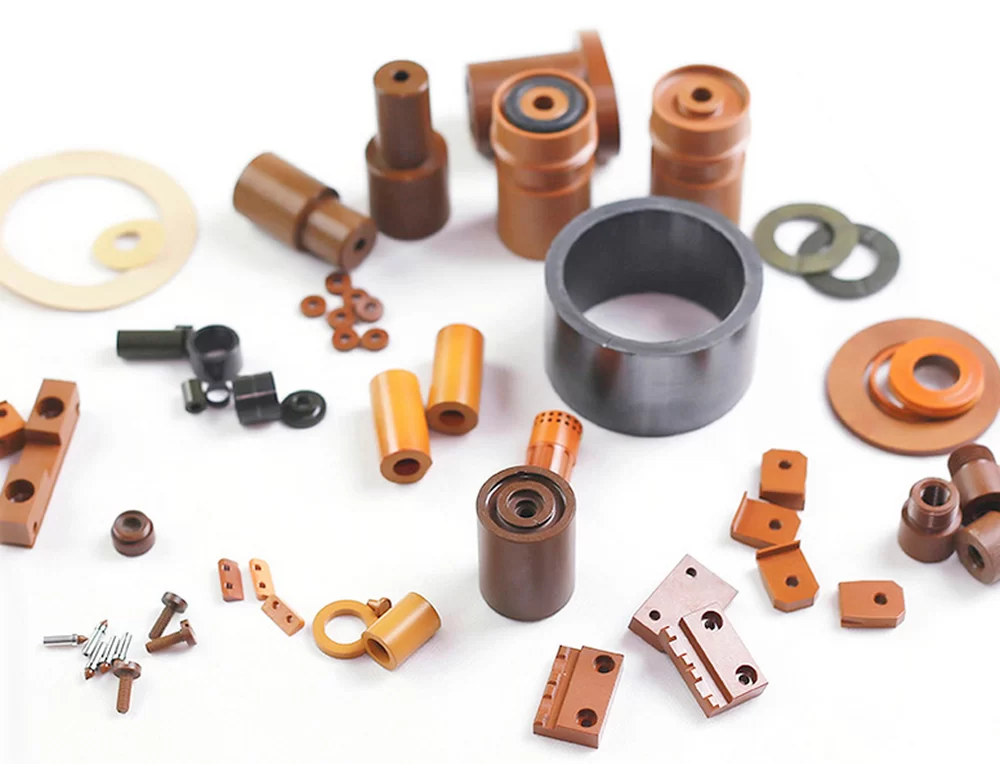
Great Plastics supplies polyimide in standard stock shapes and custom-machined forms. Available material options include unfilled and filled PI grades selected according to temperature, wear, friction, electrical, and mechanical requirements.
Material Selection
PI Material Grades & Filler Selection
PI grades can be formulated with different fillers to modify friction, wear resistance, stiffness, and load capacity. Grade selection depends on the primary operating requirements.
| GRADE / FILLER | BEST FOR | AVOID WHEN | RFQ INPUTS |
|---|---|---|---|
| Virgin (unfilled) PI | Maximum temperature, best electrical insulation and dimensional stability | Lowest cost or impact toughness is the priority | Service temperature, electrical & vacuum requirements |
| Graphite-filled PI | Dry-running wear: bearings, bushings, seal rings | Lowest friction coefficient matters more than wear life | Sliding speed, PV factor, counterface material |
| PTFE-filled PI | Lowest-friction sliding and sealing: wear rings, seals | High-load structural duty | Friction requirement, media, temperature |
| Carbon fiber reinforced PI | High-load, high-stiffness aerospace and mechanical parts | Where electrical insulation is required (carbon fiber conducts) | Load, stiffness, environment |
| Glass-filled / MoS2-filled PI | Tailored stiffness or friction (available on request) | — | Application detail for compound selection |
Performance Data
PI Plastic Material Properties
Typical properties for an unfilled (virgin) polyimide grade. Actual values depend on the specific material grade, test method, and processing conditions.
| PROPERTY | TEST METHOD | TYPICAL VALUE | UNIT |
|---|---|---|---|
| Physical Properties | |||
| Density | ISO 1183 / D-792 | ~1.43 | g/cm³ |
| Water absorption (24 h) | ASTM D570 / D-570 | ~0.21–0.24 | % |
| Mechanical Properties | |||
| Tensile strength (23 °C) | ASTM D638 / D-1708 | ~87–92 | MPa |
| Tensile modulus | ASTM D638 | ~2.5 | GPa |
| Flexural strength | ASTM D790 / D-790 | ~110–112 | MPa |
| Compressive strength | ASTM D695 / D-695 | ~111–117 | MPa |
| Elongation at break | ASTM D638 / D-1708 | ~7.5–12.5 | % |
| Hardness | Shore D | ~85–92 | Shore D |
| Thermal Properties | |||
| Glass transition temperature | DSC / DMA | ~330–360 | °C |
| Continuous service temperature | — | ~260 | °C |
| Short-term peak temperature | — | ~400 | °C |
| Coefficient of thermal expansion | ASTM E831 / D-696 | ~52–54 | ppm/K |
| Electrical Properties | |||
| Dielectric strength | ASTM D149 / GB 1408 | ~22 | kV/mm |
| Volume resistivity | ASTM D257 / D-257 | >10¹² to ≥10¹⁵ | Ω·m |
Note: Actual values depend on the specific PI grade, formulation, processing method, test standard, and application conditions.
Manufacturing Capability
PI Machining and Custom PI Parts
Precision PI components require both suitable material selection and controlled machining. Great Plastics supports PI machining from stock material to finished components.
PI can be machined into complex, close-tolerance components, but its hardness and low thermal conductivity require careful control of cutting conditions. Appropriate tooling, feeds, speeds, workholding, and heat management help maintain dimensional accuracy and surface quality.
Typical PI components include bushings, bearings, seals, wear rings, insulators, sleeves, and wafer-handling components. Prototype, low-volume, and OEM production quantities are supported.
custom Selection
Custom PI Precision Components
Successful custom PI component production depends on clear drawing definition, including critical surfaces, datum structures, tolerance requirements, and functional areas.PI components should be evaluated according to load, speed, mating materials, temperature exposure, vacuum or dry gas environments, and whether the component functions primarily as a wear part or electrical insulator.
Industry Use Cases
Applications of PI Plastic Materials
PI is used in applications requiring high-temperature stability, wear resistance, electrical insulation, low outgassing, and dimensional stability. Typical applications include semiconductor equipment, aerospace, electrical and electronics, and industrial machinery.


Material Comparison
PI vs. Other Engineering Plastics
The table below compares PI with commonly selected high-performance engineering plastics. Material selection depends on temperature, mechanical load, chemical exposure, wear, machinability, and cost.
| GRADE / FILLER | BEST FOR | AVOID WHEN | RFQ INPUTS |
|---|---|---|---|
| Virgin (unfilled) PI | Maximum temperature, best electrical insulation and dimensional stability | Lowest cost or impact toughness is the priority | Service temperature, electrical & vacuum requirements |
| Graphite-filled PI | Dry-running wear: bearings, bushings, seal rings | Lowest friction coefficient matters more than wear life | Sliding speed, PV factor, counterface material |
| PTFE-filled PI | Lowest-friction sliding and sealing: wear rings, seals | High-load structural duty | Friction requirement, media, temperature |
| Carbon fiber reinforced PI | High-load, high-stiffness aerospace and mechanical parts | Where electrical insulation is required (carbon fiber conducts) | Load, stiffness, environment |
| Glass-filled / MoS2-filled PI | Tailored stiffness or friction (available on request) | — | Application detail for compound selection |
PI is chosen for high temperature, wear resistance, electrical insulation and dimensional stability. PEEK machines easily with balanced mechanical and chemical properties. PPS delivers great chemical resistance and dimensional stability. PTFE is selected primarily for low friction. PAI serves high-strength, high-temperature demanding applications. Final material selection shall be verified against grade datasheets and operating conditions.
Your Partner
Why Choose Great Plastics
From material selection to volume production, we support industrial OEMs with engineering expertise, precision machining, and reliable supply.
Common Questions
Frequently Asked Questions
Quick answers to the questions engineers and procurement teams ask most about PI materials.
