High-performance engineering plastic

PEEK Plastic

PEEK plastic is selected when heat, chemical exposure, wear, strength and dimensional stability need to work together. Great Plastics supports PEEK material selection, stock-shape review and custom machined PEEK parts from drawings.

HeatFor high-temperature mechanical parts.
ChemicalsFor fluids, solvents and cleaning exposure.
WearFor sliding, bearing and friction parts.
StrengthFor loaded precision components.
MachiningFor rod, sheet, plate and custom parts.

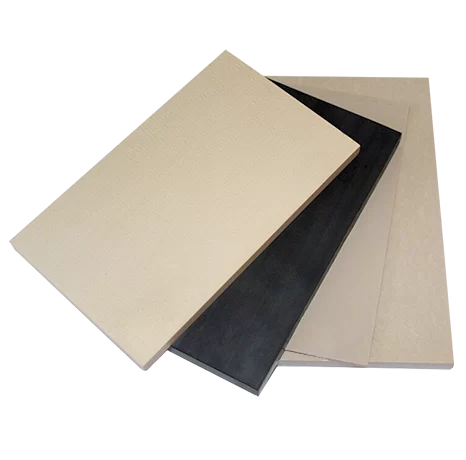
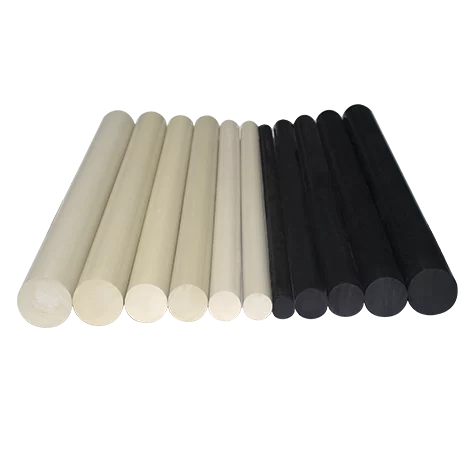
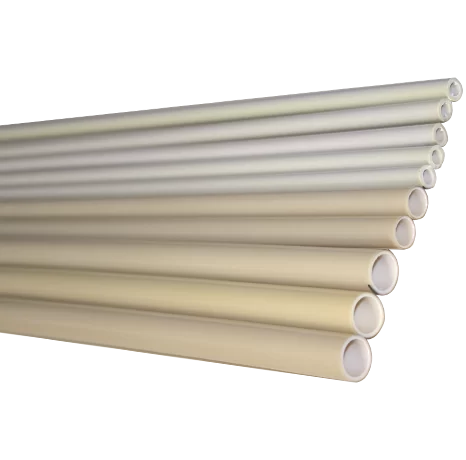
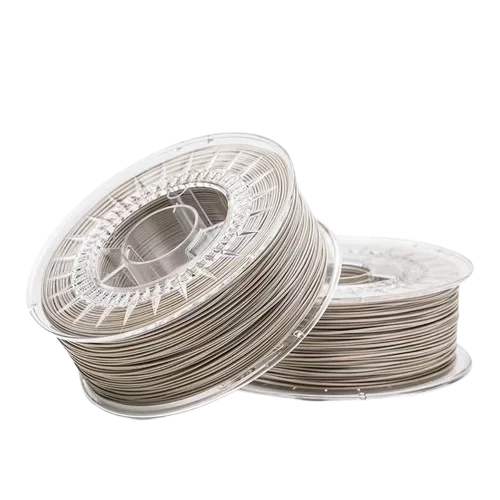
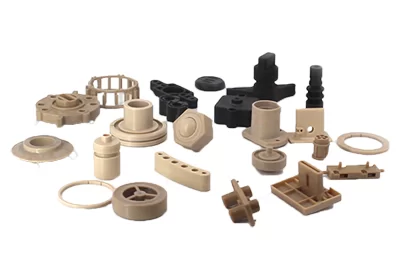
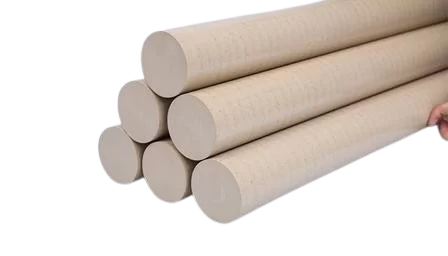
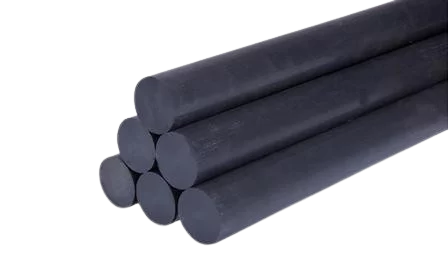
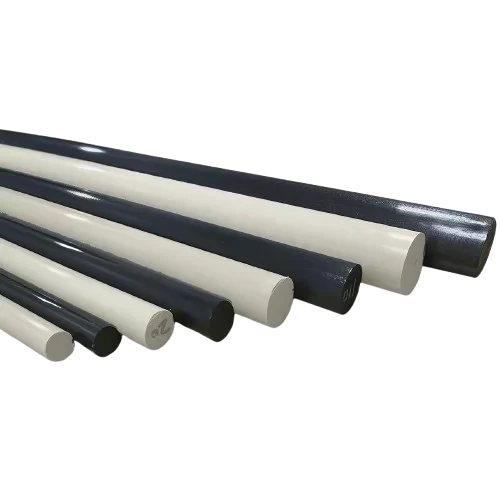
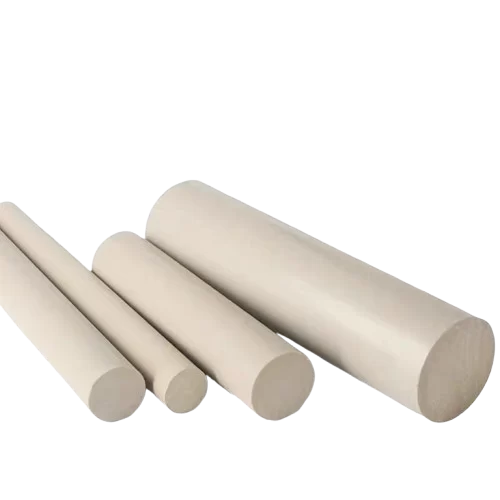
PEEK plastic rods sheets and machined parts for high performance material selection

Send PEEK Drawing

Include the operating environment so grade, form and machining route can be reviewed together.

  • Drawing
  • Temperature
  • Chemical
  • Quantity

What is PEEK plastic and when is it worth the cost?

PEEK plastic, also called polyether ether ketone, is a high-performance semi-crystalline thermoplastic used when ordinary engineering plastics cannot handle the combined heat, chemical, wear and dimensional demands of the part.

It is usually worth reviewing when failure cost, downtime, temperature, chemical exposure or tight tolerance matters more than raw material price.

Use PEEK when risks stack together

PEEK becomes valuable when heat, load, friction, chemicals and tight clearance appear in the same application.

Review price by grade and form

PEEK plastic price depends on grade, fill type, stock shape, part size, tolerance, quantity and documentation needs.

Send the operating details early

A drawing alone is not enough for severe-service PEEK parts. Include temperature, chemicals, load, speed and inspection requirements.

PEEK plastic properties that affect part design

Use these practical property ranges to start the material discussion. The final specification depends on grade, geometry, processing route, load, chemical exposure and tolerance.

Property Typical range or behavior Design meaning RFQ impact
Continuous use temperature Often specified around 250 C / 482 F depending on grade and load Supports higher-temperature parts where common engineering plastics may soften or creep. Send continuous and peak temperature plus load and exposure time.
Chemical resistance Strong resistance to many fuels, oils, solvents and process chemicals Useful for seals, rings, insulators and parts exposed to harsh operating media. Send chemical name, concentration, temperature and cleaning cycle.
Wear and friction Good wear behavior; filled grades can improve bearing applications Used for bushings, rollers, gears and sliding parts where metal or lower-cost plastics may fail. Send speed, load, mating material, lubrication and allowed wear.
Dimensional stability Low moisture uptake and strong stability compared with many plastics Helps tight-tolerance machined components hold critical features. Send tolerance, flatness, wall thickness and inspection requirements.
Machinability Machined from rod, sheet, plate and tube; stress and heat control matter Supports precision components when geometry, prototype volume or material choice favors machining. Send drawing, quantity, surface finish and edge/burr requirements.

PEEK grades, forms and manufacturing route

Choose the PEEK route by part function first, then confirm grade, stock form and machining approach. This keeps the material review connected to cost, tolerance and operating risk.

Route Best fit Watch points What to send for review
Unfilled PEEK General high-temperature, chemical-resistant and precision machined parts. May not provide enough wear or stiffness for loaded bearing surfaces. Target temperature, chemicals, tolerance and whether natural or black material is preferred.
Glass-filled or carbon-filled PEEK Parts needing higher stiffness, lower expansion or better load-bearing behavior. Filled grades can affect tool wear, edge finish, brittleness and machining strategy. Load, wall thickness, mating material, critical edges and surface finish.
Bearing or wear grades Bushings, rollers, wear pads, gears, thrust washers and sliding components. Grade choice depends on speed, pressure, lubrication and mating surface. Speed, load, duty cycle, lubrication, mating material and allowed wear.
PEEK sheet, rod, plate or tube Prototype parts, low-volume machining, plates, rings, spacers and fixtures. Stock size, grain/stress history and material availability can influence machining yield. Starting geometry, finished dimensions, quantity and preferred stock form.
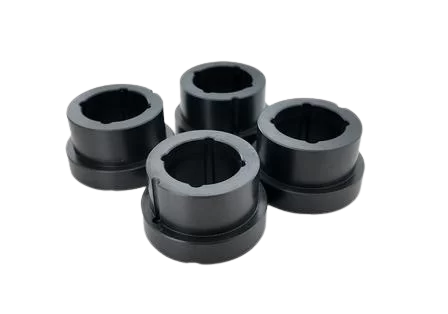
Custom machined PEEK parts Drawing-based components where geometry, tolerance or volume favors CNC machining. Heat buildup, internal stress, thin walls, burr-sensitive edges and inspection points need early review. 2D/3D files, critical dimensions, finish, edge condition, inspection and documentation needs.

When PEEK is the right choice

PEEK is rarely selected for cost alone. It is usually chosen when multiple risks stack together and a balanced high-performance material is needed.

Heat + load

Parts that stay stable at temperature

PEEK is useful when a part must resist heat while carrying load, maintaining shape or protecting critical clearance.

Chemical + wear

Components exposed to harsh media

Compare PEEK when chemical exposure is combined with movement, pressure, cleaning or long service cycles.

Precision + machining

Machined parts with tight features

PEEK sheet, rod and plate can be machined into bushings, spacers, rings, gears, guides and insulating parts.

PEEK plastic samples arranged for heat chemical wear and dimensional property review

PEEK applications and material review questions

The best PEEK quote starts with the application risk. These examples help connect the part function to the details buyers should send.

Application type Common PEEK parts Why PEEK is considered Details to send
Industrial equipment Bushings, rollers, wear pads, gears, spacers Wear, heat, strength and long service life can matter together. Load, speed, mating surface, lubrication and duty cycle.
Chemical and fluid handling Rings, seals, valve seats, pump components, insulators Chemical resistance and dimensional stability are often more important than material cost. Chemical list, concentration, pressure, temperature and cleaning process.
Electrical and semiconductor Insulators, fixtures, precision guides, holders Heat resistance, dielectric behavior and machined precision may be needed in one part. Temperature, voltage, cleanliness expectation and tolerance.
Medical or analytical equipment Structural parts, guides, holders, fluid-contact components Strength, chemical exposure and dimensional control often drive the material review. Environment, documentation needs, cleaning process and geometry.

PEEK vs alternatives

PEEK is not always the first answer. Compare alternatives when the operating conditions leave room for a lower-cost or more specialized material.

Compare PPS

PPS may be reviewed when chemical resistance and dimensional stability matter but the application does not need PEEK-level heat or toughness.

Compare PEI

PEI can be a candidate for heat, structural and electrical applications where the tradeoff fits the part design.

Compare PAI or PI

PAI and PI can be reviewed for high wear, high temperature or specialty precision components.

Compare PTFE, POM or PA66

These materials may be suitable when friction, cost, chemical exposure or moisture behavior points away from PEEK.

PEEK machining and RFQ checklist

Send enough part context to review material form, machining risk and inspection needs before quote preparation. PEEK machines well, but heat buildup, internal stress, thin walls, sharp inside corners, filled grades and small burr-sensitive features can affect tolerance and finish.

  • 2D drawing, 3D model, sample photo or current part
  • PEEK grade preference, stock form or target performance
  • Dimensions, critical tolerance, flatness and surface finish
  • Operating temperature, chemicals, wear load and mating material
  • Quantity, prototype or production stage and target lead time
  • Material certificate, inspection report, packaging or documentation needs

PEEK plastic machined parts drawings and RFQ review workbench

PEEK plastic FAQ

Quick answers for buyers comparing PEEK material, properties, machining and quote requirements.

What is PEEK plastic?

PEEK plastic, or polyether ether ketone, is a high-performance engineering plastic used when heat resistance, chemical resistance, mechanical strength, wear performance and dimensional stability are important.

When should PEEK be selected instead of lower-cost plastics?

Choose PEEK when operating temperature, chemical exposure, load, wear or tolerance requirements exceed the practical range of materials such as POM, PA66, PTFE, PPS or PEI.

Can PEEK plastic be CNC machined?

Yes. PEEK rod, sheet, plate and tube are commonly machined into bushings, rollers, spacers, rings, gears, seals, guides and precision components.

What information is needed for a PEEK plastic quote?

Send a drawing or 3D model, grade or target performance, dimensions, tolerance, quantity, temperature, chemicals, wear conditions, finish and documentation needs.

Is PEEK always better than PPS, PEI or PAI?

No. PEEK is a strong candidate for severe conditions, but PPS, PEI, PAI, PI, PTFE, POM or PA66 may be better depending on cost, temperature, chemicals, wear and manufacturability.

What affects PEEK plastic price?

Price is affected by resin grade, filled or unfilled formulation, sheet or rod size, machining yield, tolerance, quantity and documentation requirements.

Need a PEEK part or material review?

Send the drawing, operating environment and quantity. Great Plastics can review PEEK material options and prepare the next quote step.

Send PEEK Drawing