PEI — пластиковые материалы

Polyetherimide Sheet, Rod & Custom Parts

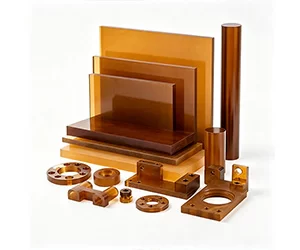
PEI (polyetherimide, ULTEM®) is an amorphous high-performance engineering plastic. It features heat resistance, inherent flame retardancy, high strength, stiffness and stable electrical insulation, and is readily machinable.

Used in semiconductor, electrical, aerospace, medical and chemical processing equipment.

Great Plastics supplies PEI sheet, rod and tube stock, and CNC-machines custom PEI parts from prototype to volume production.

±0,01 мм

допуск на обработку

24 часа

Оперативное реагирование

5–7 дней

Быстрая доставка

1 штука

Минимальный объем заказа

Обзор

What Is PEI Plastic Material?

PEI is an amorphous thermoplastic for precision parts, offered in multiple grades and stock forms. Natural unfilled PEI is amber transparent/translucent; color and performance vary by grade, filler, thickness and processing.

Select PEI grades matching operating temperature, load, electrical, chemical and dimensional requirements. On inquiry, share material form, specs, dimensions and tolerances; specify stock raw material or CNC-machined finished parts per drawings.

High Strength and Rigidity

PEI delivers high rigidity for brackets, covers and fixtures. Choose grades based on load, temperature and part geometry.

Стабильность размеров

Low moisture absorption and amorphous structure give PEI stable dimensions for precision components. Dimensional shift depends on temperature, humidity, machining and geometry.

Electrical and Flame Performance

PEI offers reliable electrical insulation with flame-retardant grades available. Electrical and flame properties vary by grade, thickness and service conditions.

Доступные формы

PEI Plastic Forms & Custom Parts
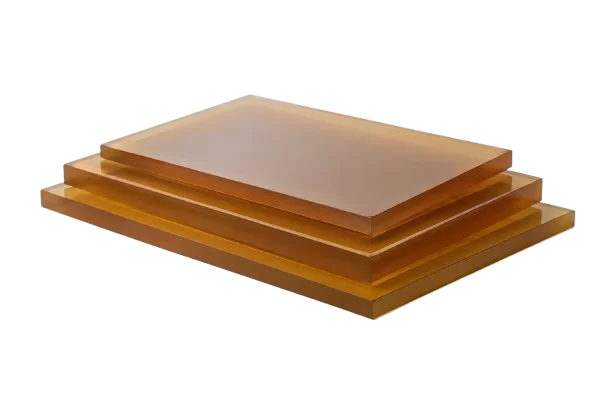
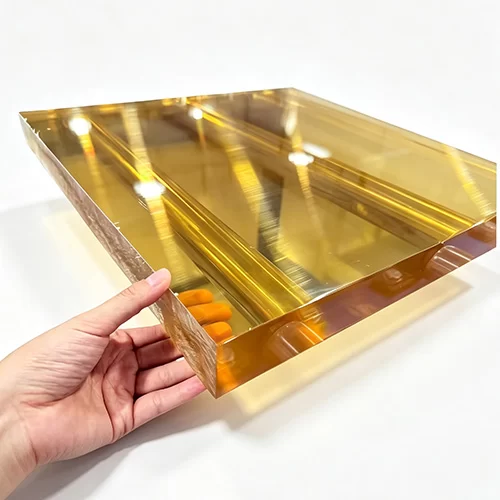
PEI sheet and plate stock for custom machined components

PEI Sheet

PEI plate stock for insulation panels, fixtures and covers. Cut-size blanks ready for custom machining.

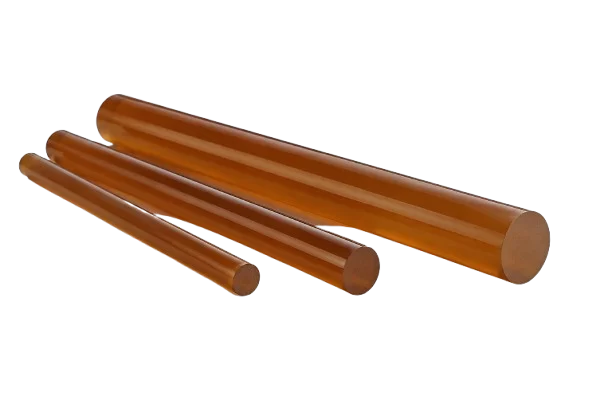
PEI rodPEI rod stock for precision turned plastic components

PEI Rod

Round PEI rod for spacers, bushings and turned parts. Select rod size per your machining dimensions.

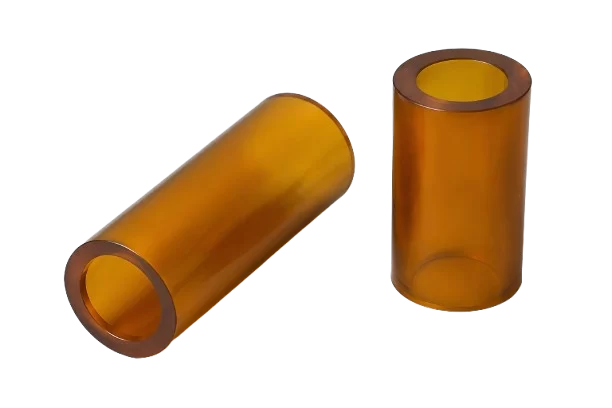
PEPEI tube stock for insulating sleeves and rings

PEI Tube

PEI tubular stock for sleeves, spacers and hollow parts. Tube blanks save machining time and material waste.

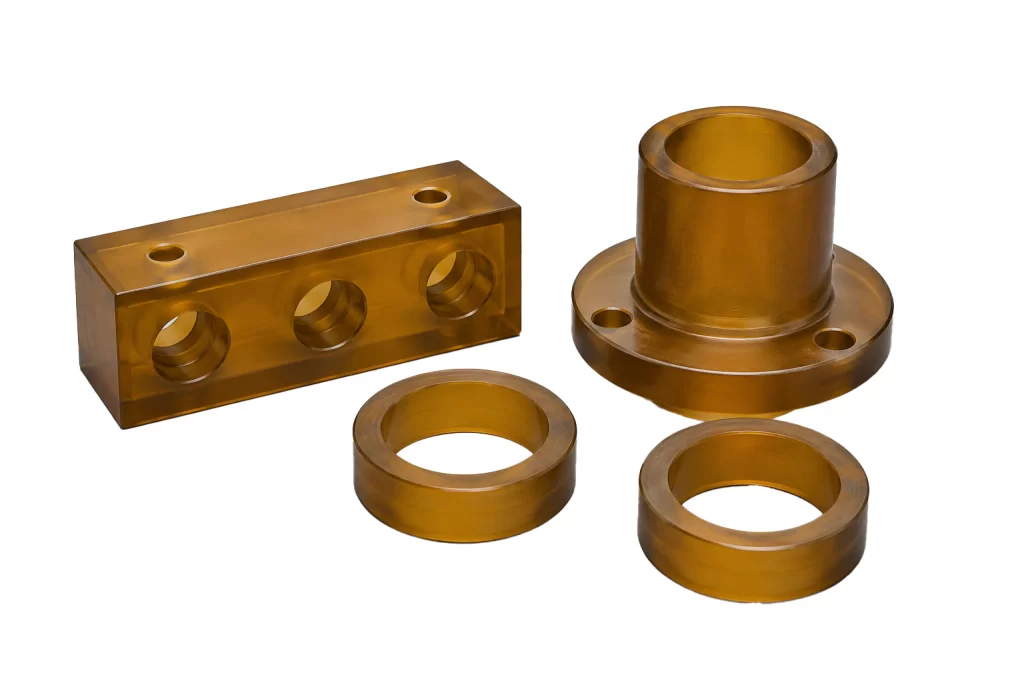
Custom CNC machineCustom CNC machined PEI plastic components

Обработанные детали

CNC machined PEI parts from sheet/rod/tube, made to your drawings, grades and application specs.

Выбор материала

PEI Material Grades & Filler Selection

PEI grade selection depends on stiffness, dimensional stability, electrical insulation, operating conditions, machining requirements, and applicable specifications. Common options include unfilled and glass-filled PEI. ULTEM is a trademark of SABIC; resin, stock-shape, and machined-part data are related but not identical.
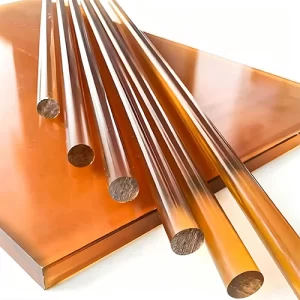
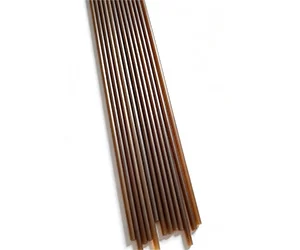
Unfilled PEI Rods & Sheets

Unfilled PEI

For amber translucent parts, spacers, covers and instrument components. Ideal for general precision machining without fillers.

Glass-Filled PEI Solid Rods

Glass-Filled PEI

Offers higher stiffness and dimensional stability. Glass filler impacts fiber orientation, surface finish and machining.

Specialty PEI Grades

Specialty PEI Grades

Tailored for special electrical, color, medical or regulatory demands. Check grade specs and compliance before selection.

PEI Machined Components

Grade Selection for Custom Parts

Choose PEI grades by temperature, load, tolerances, electrical specs, part geometry and machining needs.

Данные о производительности

Key PEI Performance Characteristics

PEI — это аморфный термопласт, сочетающий в себе высокую жесткость, термостойкость, электроизоляционные свойства и стабильность размеров. Эксплуатационные характеристики зависят от конкретной марки материала, геометрии детали, условий эксплуатации и метода обработки.

Механические свойства

PEI maintains useful mechanical performance at elevated temperatures, making it suitable for fixtures, supports, insulating components, and other parts exposed to heat. Sustained load and temperature should be considered when evaluating deformation.

Тепловые свойства

PEI has relatively low moisture absorption compared with many engineering thermoplastics, supporting dimensional stability in precision components. Moisture, temperature, part geometry, and machining conditions should still be considered for close-tolerance fits.

Chemical Properties

PEI provides resistance to many industrial chemicals, but compatibility depends on the specific chemical, concentration, temperature, exposure time, and mechanical stress. Aggressive environments should be evaluated for potential environmental stress cracking.

Электрические свойства

PEI is used for electrical insulating components and applications requiring flame-resistant materials. Flammability and electrical properties vary by grade, color, thickness, and test method.

Note: Actual values depend on the specific PEI grade, formulation, processing method, test standard, and application conditions.

Производственные возможности

PEI CNC Machining and Custom Components

PEI machining requires control of heat, clamping pressure, residual stress, and dimensional change. Tool geometry, coolant compatibility, thin-wall features, and inspection conditions should be considered for precision parts. Transparent or specialty PEI grades may also require additional attention to surface appearance and material identification.

We support prototype development, low-volume production, and OEM manufacturing programs for precision PEI parts.

Фрезерование и токарная обработка с ЧПУ
Точная механическая обработка
Детали с узкими допусками
Изготовление прототипов
Серийное производство по заказу OEM-производителей
Многоосевая обработка
1–10,000+
Количество деталей за один цикл
CMM
Проверка
24 часа
Срок выполнения заказа

Пользовательский выбор

Custom PEI Precision Components

Custom PEI parts are manufactured from PEI sheet, rod, or tube stock according to your drawings, material grade, dimensions, tolerances, and application requirements. The part design and machining process are reviewed together to account for geometry, wall thickness, critical dimensions, and operating conditions.

PEI Parts from Drawings

Custom PEI parts manufactured per your drawings with dimensions, tolerances, holes, threads and grooves. Material grade and stock form selected for your application.

Typical Custom PEI Components

Common parts: insulation plates, connector blocks, spacers, sleeves, bushings, rings, brackets, covers, fixtures and precision instrument components.

PEI Prototype to Production

We support prototyping, low-volume and repeat orders. Production planning adapts to geometry, quantity, material availability and inspection needs.

Custom PEI Part Review

For tight-tolerance PEI parts, we review grade, stock, dimensions, wall thickness, datums, critical tolerances, surface finish and inspection before production.

Примеры применения в отрасли

Applications of PEI Plastic Materials

PEI is used for precision components in semiconductor equipment, electrical and electronics, medical and analytical equipment, aerospace systems, and industrial machinery. Typical applications include insulating components, fixtures, connector supports, instrument components, and custom machined parts.
Устройства для работы с пластинками, гнезда и вакуумные детали, отличающиеся стабильностью размеров, химической стойкостью и низким уровнем загрязнения.

Оборудование для производства полупроводников

PEI makes wafer handling, insulating and positioning parts for semiconductor gear, offering stable insulation, dimensional stability and heat resistance. RFQ: voltage, temperature, insulation specs and geometry.

Medical & Analytical Equipment

PEI precision fixtures and sample-handling components for medical and analytical instruments support complex geometries and stable dimensions. RFQ: grade, sterilization, chemical exposure, tolerances and compliance.

Легкие конструкционные детали, отличающиеся высоким соотношением прочности к весу, термостойкостью и стабильностью размеров.

Компоненты для аэрокосмической отрасли

Lightweight PEI housings, insulators and brackets suit aerospace, delivering thermal performance, electrical insulation and flame compliance. RFQ: temperature, load, weight and industry specs.

Прецизионные пластиковые детали для машиностроения

Промышленное оборудование

PEI fixture plates, bushings and brackets serve industrial machinery with good dimensional stability, insulation and heat resistance. RFQ: load, temperature, tolerances, surface finish and environment.

Сравнение материалов

PEI vs. Other Engineering Plastics

The table below compares PEI with commonly selected high-performance engineering plastics. Material selection depends on temperature, mechanical load, chemical exposure, wear, machinability, and cost.

Сравнение Consider PEI When Consider The Alternative When
PEI vs PEEK Dimensional control, electrical insulation, stiffness, flame performance, transparency, or overall material cost are important within the required operating range. Higher continuous-use temperature, chemical resistance, wear performance, or demanding mechanical conditions are the primary requirements.
PEI vs PPS Electrical insulation, stiffness, dimensional control, transparency, or the requirements of an amorphous thermoplastic are important. Chemical resistance, low moisture absorption, or cost-performance is prioritized.
PEI vs PAI Electrical insulation, dimensional control, machinability, and the required performance can be achieved without the higher performance level of PAI. Severe mechanical load, wear, creep resistance, or more demanding temperature conditions dominate the application.

PEI is often selected for applications requiring dimensional stability, electrical insulation, stiffness, heat resistance, and flame performance. PEEK is considered when higher continuous-use temperature, chemical resistance, or demanding wear performance is required, while PPS is commonly selected for chemical resistance, low moisture absorption, and cost-performance.

Ваш партнер

Почему стоит выбрать Great Plastics

Great Plastics supports PEI material selection, stock-shape review, drawing review, CNC machining, dimensional inspection, and production documentation for custom PEI components.

1

Material & Grade Selection

We select PEI grades based on temperature, electrical, chemical, mechanical and documentation requirements.

2

Stock & Drawing Review

We evaluate stock, geometry, wall thickness, critical tolerances and machining strategy before production.

3

Производство по индивидуальному заказу

PEI sheet, rod and tube are CNC-machined into custom parts following drawin

4

Проверка и документация

Dimensional inspection, material records and traceability are completed to match order and project needs.

Запросить расценки на пластиковые детали PI, изготовленные по индивидуальному заказу

Отправьте свои чертежи, технические характеристики или образцы деталей нашей инженерной команде.

В течение одного рабочего дня мы предоставим вам рекомендации по материалам, цены и сроки поставки.

Часто задаваемые вопросы

Часто задаваемые вопросы

These questions cover common considerations related to PEI material selection, grades, machining, and custom parts. Final engineering decisions should be based on the selected grade’s technical data and actual application conditions.

PEI (polyetherimide) is an amorphous high-performance engineering thermoplastic known for its combination of heat resistance, stiffness, dimensional stability, electrical insulation, and flame performance. It is available in different grades for applications with different mechanical, electrical, and regulatory requirements.

PEI can be considered when dimensional stability, electrical insulation, stiffness, flame performance, or the requirements of an amorphous material are important. PEEK may be preferred when higher continuous-use temperature, chemical resistance, wear performance, or demanding mechanical performance is the primary requirement. Final selection depends on the specific grade and operating conditions.

Yes. PEI sheet, rod, and tube can be CNC machined into precision components. Machining should account for heat generation, clamping stress, residual stress, wall thickness, tolerances, and the specific PEI grade. Glass-filled grades may require different machining conditions because reinforcement can affect tool wear and surface finish.

Send the part drawing or CAD file together with the required PEI grade, quantity, critical tolerances, operating conditions, and any inspection or documentation requirements. Great Plastics can review the material, stock form, part geometry, machining requirements, and inspection requirements before quotation and production.

PEI is the polymer family; ULTEM is SABIC’s PEI resin brand.