PEEK Plastic Materials
Engineered for Extreme Performance

High-temperature engineering plastic with outstanding chemical resistance, mechanical strength, and long-term reliability. Supplied as sheet, rod, tube, and precision CNC machined components.

0°C
Continuous Service Temp
0MPa
Tensile Strength
0mm
Machining Tolerance

Material Specifications

Full Name Polyether Ether Ketone
Material Family PAEK / Semi-crystalline
Glass Transition (Tg) 143°C
Melting Point (Tm) 343°C
Flame Rating UL94 V-0
Density 1.30 g/cm³

MOQ (Min. Order)

From 1 piece for prototypes and drawing-based parts; production MOQ confirmed per grade and drawing.

FOB Port

FOB Shenzhen / Shanghai / Ningbo available; exact port, Incoterms and freight confirmed at quote.

Lead Time

Stock shapes ~5–7 working days; custom CNC parts 7–15 working days depending on grade, quantity and machining.

Samples

Samples available on request; sample cost, quantity and lead time confirmed quotation stage

QC & Inspection

In-process inspection, dimensional reports and third-party inspection supported; quality plan agreed from the drawing.

Payment & Support

T/T and other terms discussed per order; engineering support included with every inquiry.

Overview

The High-Performance Polymer for Demanding Applications

PEEK (polyether ether ketone) is a high-performance semi-crystalline engineering thermoplastic designed for applications requiring high temperature capability, chemical resistance, and long-term dimensional stability.

It is commonly selected when standard engineering plastics cannot meet thermal, mechanical, or chemical requirements.

High Temperature Resistance

Continuous service to 250°C with short-term exposure capability higher still.

Excellent Chemical Resistance

Resists solvents, fuels, oils, salts, weak acids, steam, and hot water.

Mechanical Strength

Tensile strength up to 100 MPa unreinforced; over 150 MPa carbon-filled.

Wear & Long-Term Reliability

Superior fatigue and creep resistance for years of dependable service.

Material Science

What Is PEEK Plastic Material?

PEEK (polyether ether ketone) is a semi-crystalline high-performance thermoplastic belonging to the polyaryletherketone (PAEK) family.

Its stable molecular structure provides reliable performance under demanding thermal, chemical, and mechanical conditions. Compared with standard engineering plastics, PEEK offers higher temperature capability and long-term dimensional stability.

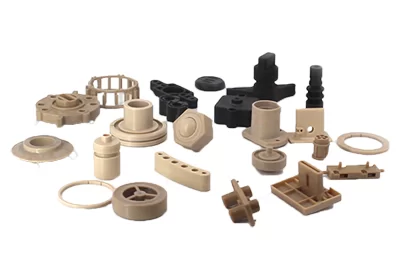
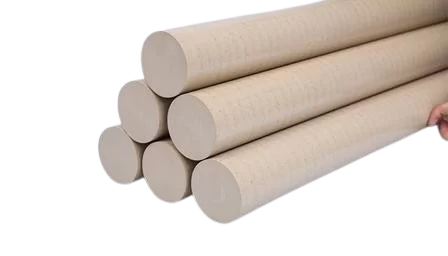
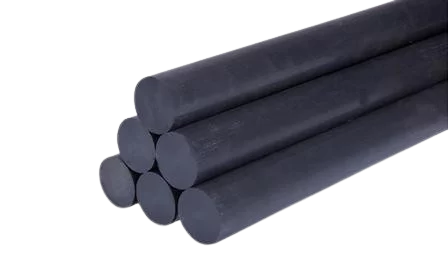
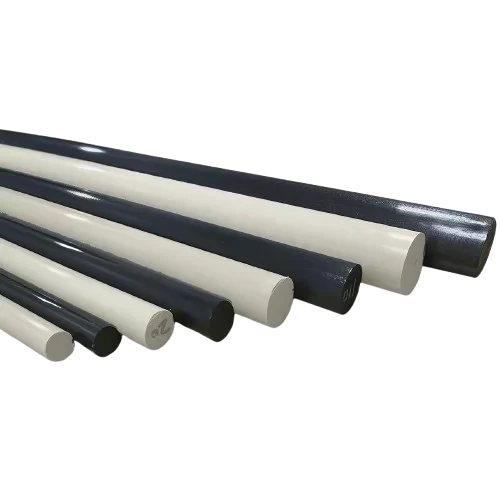
PEEK is available in unfilled and reinforced grades, including glass-filled, carbon-filled, and wear-modified formulations. It is supplied as sheet, rod, and tube for machining into precision components.

Chemical Structure Overview

−[O−Ph−O−Ph−CO−Ph]−
Ph = Phenylene (C₆H₄)

  • Late 1970s PEEK developed by ICI in the UK as part of PAEK polymer research.

  • 1980s Commercial launch under Victrex brand; adoption in aerospace and oil & gas.

  • 1990s–2000s Medical-grade PEEK approved; rapid growth in semiconductor and automotive.

  • Today Multiple global producers; grades tailored for structural, wear, ESD, and medical use.

Performance Data

Key Properties of PEEK Plastic Materials

Understanding PEEK properties helps engineers specify the right grade and design for long-term performance across mechanical, thermal, chemical, and electrical demands.

Mechanical Properties

  • Tensile strength: 90–100 MPa (unreinforced); 150+ MPa (CF30)

  • Tensile modulus: ~3.6 GPa; up to 12 GPa carbon-filled

  • Fatigue resistance: Among the best of any thermoplastic

  • Creep resistance: Minimal deformation under sustained load at elevated temp

  • Impact strength: Good toughness retained at low temperatures

Thermal Properties

  • Glass transition (Tg): ~143°C

  • Melting temperature (Tm): ~343°C

  • Continuous service temp: Up to 250°C (482°F)

  • Flammability: UL94 V-0 without halogenated retardants

  • Low smoke emission: Suitable for aerospace interiors

Chemical Properties

  • Chemical resistance: Organic solvents, fuels, oils, salts, weak acids

  • Hydrolysis resistance: Maintains properties in steam and hot water

  • Solvent resistance: Resists most common industrial solvents

  • Attacked by: Strong acids, halogenated solvents, concentrated bases (elevated temp)

  • Low moisture absorption: Dimensional stability in humid environments

Electrical Properties

  • Insulation performance: Stable across wide temperature and frequency range

  • Dielectric constant: Low and consistent; minimal change with frequency

  • Volume resistivity: High even after moisture absorption

  • Dielectric strength: Excellent for high-voltage insulation

  • ESD grades available: Carbon-filled variants for static control

Material Selection

PEEK Plastic Material Grades

Great Plastics stocks and machines five standard PEEK grades, each formulated for specific performance requirements.

grade-virgin-peek.jpg

Virgin PEEK

Unfilled

Balanced mechanical, thermal, and chemical properties for machined components, seals, insulators, and high-purity applications.

grade-peek-cf30

CF30

Carbon Fiber Reinforced

30% carbon fiber reinforcement improves stiffness, strength, wear resistance, and dimensional stability. Suitable for high-load and precision components.

grade-peek-gf30

gF30

Glass Fiber Reinforced

Approximately 30% glass fiber reinforcement improves stiffness, strength, creep resistance, and dimensional stability. Suitable for structural and precision components.

grade-PTFE filled PEEK

PTFE-Filled

PTFE Filled PEEK

Combines PEEK’s strength, thermal performance, and chemical resistance with PTFE’s low friction. Suitable for bearings, seals, bushings, and sliding components.

grade-bearing

Bearing Grade

Bearing & Wear-Resistant

Formulated with PTFE, graphite, and carbon fiber for low friction, high wear resistance, and reliable dry-running performance.

Each grade is available in sheet, rod, and tube, or as custom machined components manufactured to your specifications.

Stock Shapes & Custom Parts

Available PEEK Products

Great Plastics maintains inventory of PEEK sheet and rod in standard stock shapes for fast shipment, and manufactures custom components to order.

PEEK-sheet

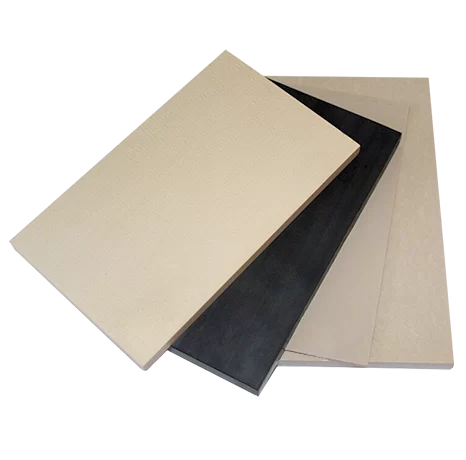
PEEK Sheets

PEEK sheets are flat stock materials used for machined plates, fixtures, insulation components, and precision flat parts.

peek-tube

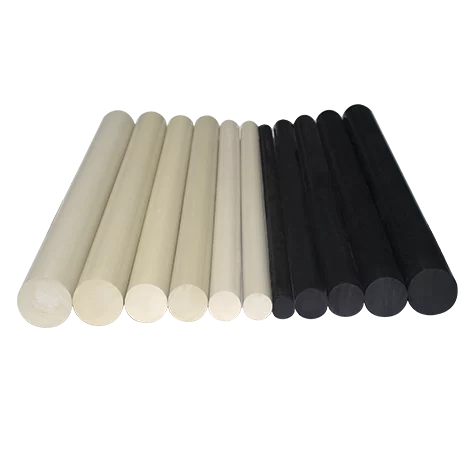
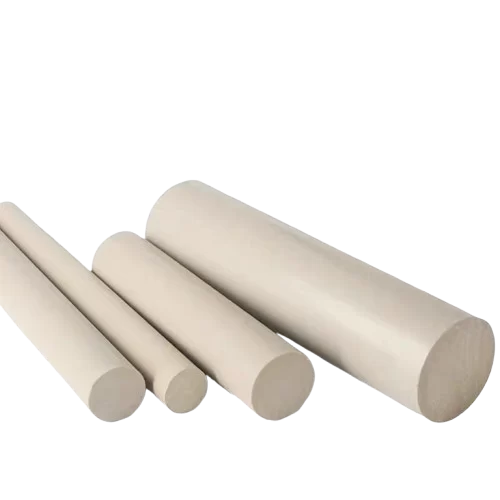
PEEK Rods

PEEK rods are round stock materials commonly machined into bushings, spacers, shafts, pins, and other cylindrical components.

peek-rod

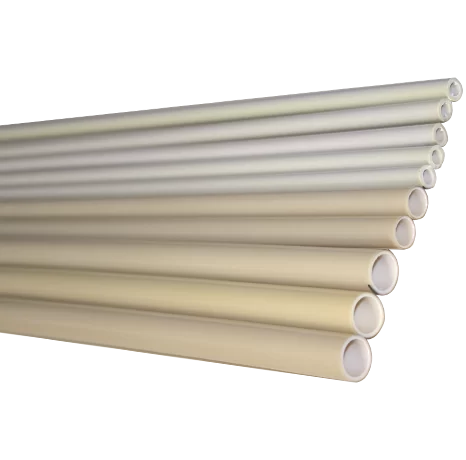
PEEK Tubes

PEEK tubes are used for sleeves, insulating components, and custom cylindrical parts requiring precise dimensions.

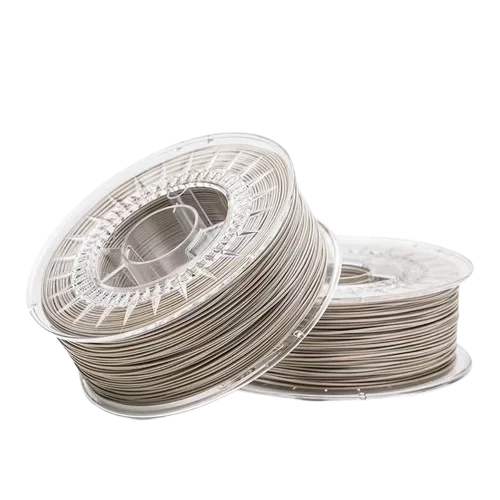
PEEK Filaments

1.75 mm PEEK 3D printing filament for high-temperature FDM/FFF. For aerospace, medical, and industrial prototypes requiring PEEK performance.

PEEK-machined(Polyetheretherketone)

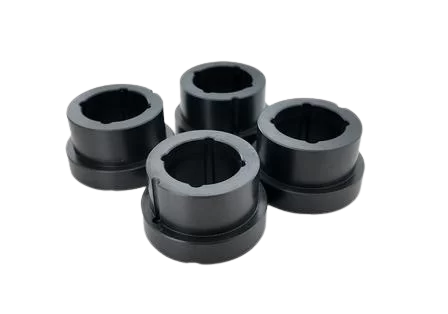
Custom Machined Parts

Custom PEEK parts are CNC machined according to customer drawings, CAD files, or samples.Great Plastics supports prototype, low-volume, and production machining for different PEEK grades.

Contact our sales team for current stock dimensions, minimum order quantities, and lead times.

Industry Use Cases

Applications of PEEK Plastic Materials

PEEK applications span industries where reliability under extreme conditions is non-negotiable. Below are the most common use cases and why PEEK is specified.

Semiconductor Lithography Equipment

Semiconductor Equipment

Wafer handling components, test sockets, CMP retainer rings, and vacuum chuck parts. Low outgassing, high purity, ESD control, and resistance to cleaning chemistries for cleanroom environments.

Engineering Plastics as Space Shuttle Parts

Aerospace Components

Structural brackets, cable clamps, fuel system parts, and interior components. High strength-to-weight ratio reduces aircraft mass; FST compliance meets aviation safety standards.

Medical equipment engineering plastic parts

Medical Devices

Spinal fusion cages, dental instruments, surgical tool handles, and endoscope components. Biocompatible, sterilizable via autoclave/gamma/ETO, and radiolucent with modulus matching bone.

Engineering plastics are used in new energy vehicles

Automotive Systems

Transmission components, thrust washers, seal rings, and under-hood electrical connectors. Withstands oil, fuel, and elevated temperatures with wear resistance in dynamic contact.

Petrochemicals_files

Chemical Processing

Pump components, valve seats, gaskets, and process instrumentation. Hydrolysis resistance suits steam and hot-water systems; maintains integrity in solvent and acid exposures.

Renewable Energy

Electrical & Electronic

High-voltage connectors, coil bobbins, sensor housings, and insulation components. Stable dielectric properties across temperature and frequency combined with flame resistance.

Material Comparison

PEEK vs Other Engineering Plastics

Property PEEK PTFE PPS PEI (Ultem)
Max Continuous Temp 250°C 260°C (low load) 200–220°C ~170°C
Tensile Strength 90–100 MPa 20–30 MPa 65–80 MPa 90–105 MPa
Wear Resistance Excellent Good (low friction) Good Moderate
Chemical Resistance Excellent Superior Very Good Moderate
Creep Resistance Excellent Poor Good Good
Machinability Excellent Poor (deforms) Good Good
Relative Cost High Medium Low–Medium Medium–High

PEEK delivers the best balance of temperature, strength, wear, and machinability. Choose PTFE for extreme chemical non-load-bearing use, PPS for cost-sensitive moderate-temperature parts, and PEI where transparency or FST ratings dominate.

Manufacturing Capability

PEEK Machining and Custom Components

Over a decade of experience machining PEEK and high-performance polymers to the tightest tolerances.

PEEK machines well on standard CNC equipment, but achieving tight tolerances requires an understanding of its thermal behavior and internal stress. Great Plastics has over a decade of experience machining PEEK and other high-performance polymers.

We manage PEEK-specific machining challenges—heat generation during cutting, stress relief, and surface finish requirements—through tooling selection, fixturing, and process control. Our machinists work from your CAD files (STEP, IGES, or DWG) to produce first-article parts for approval before production runs.

CNC Milling & Turning
Precision Machining
Tight Tolerance Parts
Prototype Production
OEM Volume Manufacturing
Multi-Axis Machining
1–10,000+
Parts per Run
CMM
Inspection
24h
Quote Turnaround

Your Partner

Why Choose Great Plastics

From material selection to volume production, we support industrial OEMs with engineering expertise and reliable global supply.

01

Engineering Support

Material engineers help select the right PEEK grade, review drawings for manufacturability, and recommend design adjustments.

02

Material Selection

Access to multiple PEEK grades and resin suppliers to match your exact specifications—wear, ESD, medical, or structural.

03

Custom Manufacturing

CNC facility handles complex PEEK components with tight tolerances, from low-volume prototypes to high-volume OEM contracts.

04

Quality Control

Every order undergoes dimensional inspection and material verification with material certificates and batch traceability.

05

Global Supply

We ship PEEK stock shapes and machined components to customers across North America, Europe, and Asia.

Common Questions

Frequently Asked Questions

Quick answers to the questions engineers and procurement teams ask most about PEEK materials.

It depends on the application. PTFE has superior chemical resistance and lower friction, but PEEK is far stronger, stiffer, more creep-resistant, and machinable to tight tolerances. For structural, load-bearing, or precision components, PEEK is generally the better choice. PTFE remains preferred for non-load-bearing seals and linings in extreme chemical environments.

PEEK can typically operate continuously at temperatures around 250°C depending on grade, load conditions, and application requirements. Its melting temperature is approximately 343°C, making it suitable for high-temperature engineering applications.

PEEK typically offers higher mechanical strength, abrasion resistance, and creep resistance; PPS offers excellent chemical resistance, dimensional stability, and lower cost, making it suitable for applications requiring high cost-effectiveness.

PEEK is used in semiconductor equipment, aerospace, medical devices, automotive, oil and gas, chemical processing, and electrical/electronics manufacturing. Any application requiring high temperature, chemical resistance, or mechanical reliability in a lightweight polymer is a candidate for PEEK.

Yes. PEEK machines well on standard CNC milling and turning equipment. However, tight-tolerance PEEK machining requires proper tooling, fixturing, and heat management to avoid dimensional drift from stress relief. Great Plastics specializes in precision PEEK machining with tolerances down to ±0.01 mm.

Request a Quote for Custom PEEK Plastic Components

Send your drawings, specifications, or part samples to our engineering team.

We’ll respond with material recommendations, pricing, and lead times within one business day.