
PPS Plastic Material
PPS Sheet, Rod, Tube & Custom CNC Parts for OEM Buyers
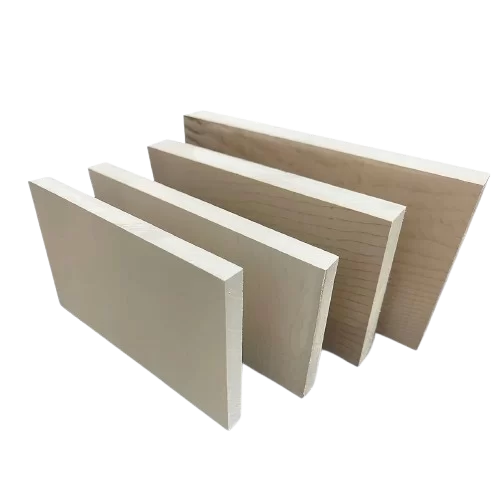
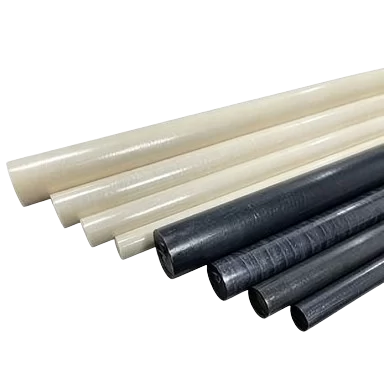
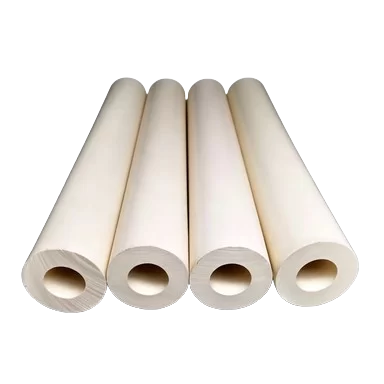
PPS (polyphenylene sulfide) is a semi-crystalline high-performance engineering thermoplastic with excellent chemical resistance, dimensional stability, low moisture absorption, and high-temperature performance. Great Plastics supplies PPS sheet, rod, and tube, and manufactures custom PPS components to customer drawings.
±0.01mm
machining tolerance
24h
Rapid response
5-7 days
Fast Delivery
1 piece
MOQ
Overview
PPS Material Selection for Chemical Resistance and Dimensional Stability
PPS (polyphenylene sulfide) selection is not based on a single property value from a datasheet. Engineers typically evaluate PPS when components require a combination of heat resistance, chemical resistance, low moisture absorption, electrical insulation, and dimensional stability.Compared with other engineering plastics, PPS can provide a balanced combination of chemical resistance, dimensional stability, electrical performance, and cost efficiency for applications where materials such as PA, PTFE, PEI, or PEEK may not provide the optimal balance.Final material selection depends on PPS grade, reinforcement type, operating temperature, chemical exposure, mechanical loading, wear conditions, component geometry, and documentation requirements.
Stock Shapes & Custom Parts
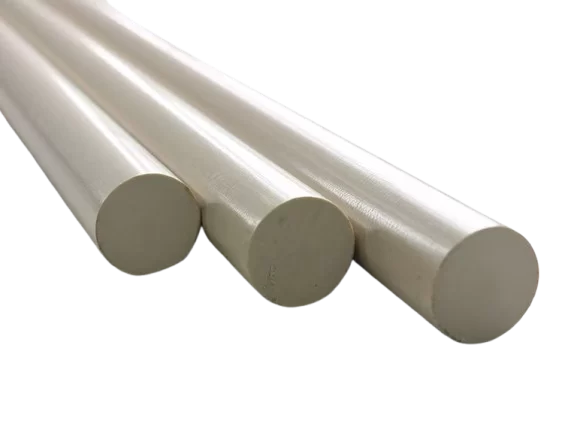
PPS Stock Shapes & Custom Machined Parts
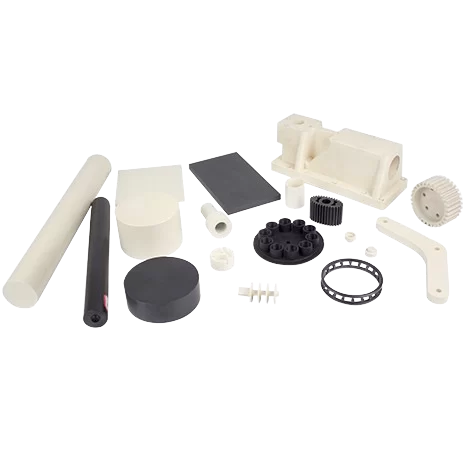
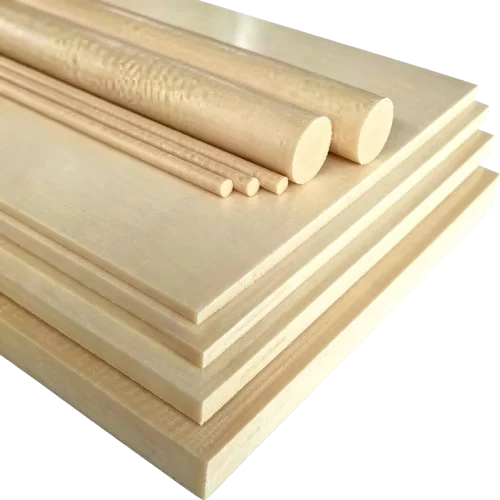
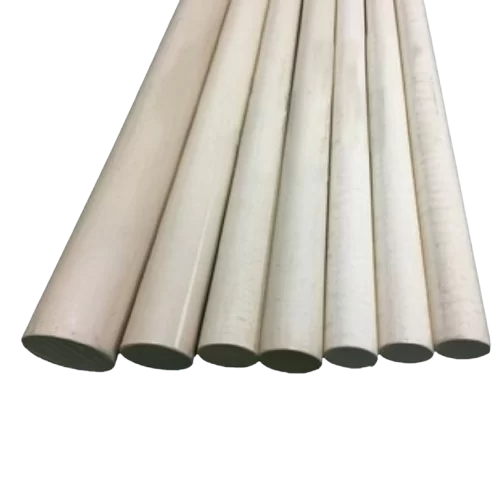
Great Plastics supplies PPS stock shapes and custom-machined components for industrial and OEM applications. Available grades, dimensions, and machining options are evaluated based on component requirements, operating conditions, and manufacturing needs.
Material Selection
PPS Plastic Grades and Material Options
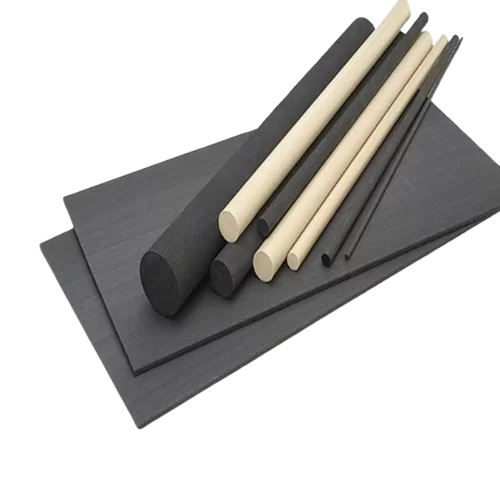
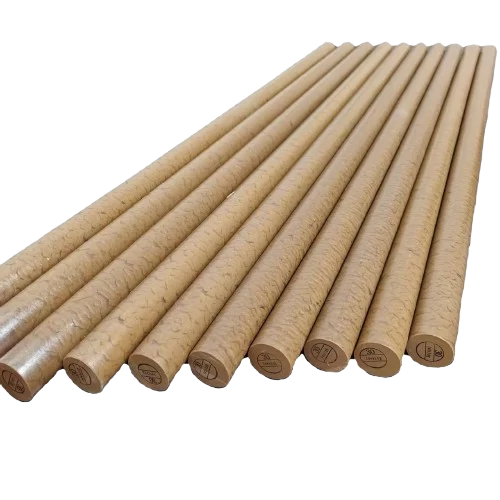
PPS is available in several grades formulated for different mechanical, thermal, chemical, electrical, and wear requirements. Grade selection depends on operating temperature, mechanical load, chemical environment, wear conditions, and dimensional requirements.
Performance Data
Key Properties of PPS Plastic Materials
The following sections summarize the principal engineering properties of PPS. Actual values vary by grade, reinforcement, processing method, temperature, and test conditions.
PPS Material Properties — Typical Values for Unfilled PPS
| Property | Unit | PPS-1000 | PPS-G1040 |
|---|---|---|---|
| Tensile Strength | MPa | 79 | 167 |
| Elongation | % | 23.0 | 2.3 |
| Flexural Strength | MPa | 128 | 235 |
| Flexural Modulus | GPa | 3.3 | 11.8 |
| Specific Gravity | g/cm³ | 1.35 | 1.59 |
| Water Absorption | % | 0.02 | 0.015 |
| Heat Deflection Temperature | °C | 112 | 260 |
| Continuous Operating Temperature | °C | 220 | 260 |
| Glass Transition Temperature | °C | 88 | - |
| Melting Point | °C | 278 | - |
| Dielectric Strength | kV/mm | 15 | 18 |
| Surface Resistivity | Ω | 10¹⁶ | 10¹⁶ |
Note: Values are representative typical values from Great Plastics PPS datasheet and are not guaranteed specification values. Final material selection should be verified by grade, drawing, and service conditions.
Manufacturing Capability
PPS CNC Machining and Custom Components
Great Plastics provides CNC machining services for custom PPS components using PPS sheets, rods, tubes, and other stock shapes. Components are manufactured according to customer drawings, CAD files, samples, and application requirements.
We support prototype development, low-volume production, and OEM manufacturing programs for precision PPS parts.
Industry Use Cases
Applications of PPS Plastic Materials
PPS is selected for applications requiring a combination of heat resistance, chemical resistance, low moisture absorption, dimensional stability, electrical insulation, flame resistance, and wear performance.Application suitability depends on operating temperature, chemical exposure, mechanical loading, regulatory requirements, and the specific PPS grade selected.



Material Comparison
PPS vs. Other Engineering Plastics
PPS is selected when chemical resistance, low moisture absorption, dimensional stability, heat resistance, and cost need to be balanced. PPS is not universally better than PEEK, PTFE, PEI, POM, or Nylon; each material is suited to different engineering requirements.
| Property | PPS | PEEK | PTFE | PEI | POM | Nylon (PA) |
|---|---|---|---|---|---|---|
| Temperature Resistance | High; approximately 220–230 °C continuous when grade and conditions allow | Higher extreme-temperature capability | High temperature resistance under low load | High amorphous heat resistance | Moderate | Moderate |
| Mechanical Strength | Good; higher with reinforcement | Higher toughness and strength | Low load-bearing strength | Good rigidity | Good general strength | Good toughness |
| Dimensional Stability | Excellent low-moisture stability | Excellent | Poor under load | Good | Low moisture sensitivity | Lower in humidity |
| Wear Resistance | Good; better in wear grades | Excellent | Very low friction | Moderate | Good | Good |
| Chemical Resistance | Broad resistance to many chemicals | Broad resistance in many environments | Very high chemical inertness | Limited against some solvents | Limited against acids and bases | Limited in hot water and humidity |
| Relative Cost | Moderate | High | Low to moderate | Moderate to high | Low | Low |
PPS vs PEEK
Choose PPS when chemical resistance, dimensional stability, and cost control are important. Choose PEEK when higher temperature capability, mechanical strength, toughness, or fatigue resistance is required.
PPS vs PTFE
Choose PPS for structural or precision components requiring dimensional stability and load-bearing performance. Choose PTFE when very low friction and chemical resistance are the primary requirements.
PPS vs PEI
Choose PPS when chemical resistance, low moisture absorption, and dimensional stability are important. Choose PEI when an amorphous high-temperature material, transparency, or specific electrical performance is required.
PPS vs POM and Nylon
Choose PPS when higher temperature, chemical resistance, or dimensional stability is required. Choose POM or Nylon when operating conditions are less demanding and cost-effective general mechanical performance is the priority.
Related material links: PEEK Plastic Materials | PEI Plastic Materials | PAI Plastic Materials
Your Partner
Why Choose Great Plastics?
Great Plastics supports PPS material selection and custom component manufacturing by reviewing material grades, stock shapes, machining requirements, dimensional risks, inspection needs, and production requirements during the quotation process.Our engineering review considers PPS formulation, filler system, component geometry, machining sequence, tolerance requirements, and documentation needs before production.
Common Questions
Frequently Asked Questions
Quick answers to the questions engineers and procurement teams ask most about PPS materials.
