material

Explore our comprehensive category of plastic materials at Great Plastics, where quality meets versatility.

Our selection spans across a wide range of high-performance and standard plastics, each tailored for specific industrial needs.

Materials Overview

Engineering Plastic Materials We Supply

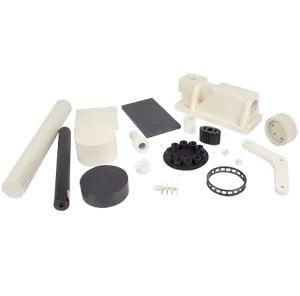
We supply five engineering plastics — PEEK, PPS, PI, PEI, and PAI — in sheet, rod, tube, and custom-machined parts. For each material, we provide relevant property data, available grades, machining information, and application examples to support material selection and part sourcing. Select a material to explore its properties, available grades, and typical applications.
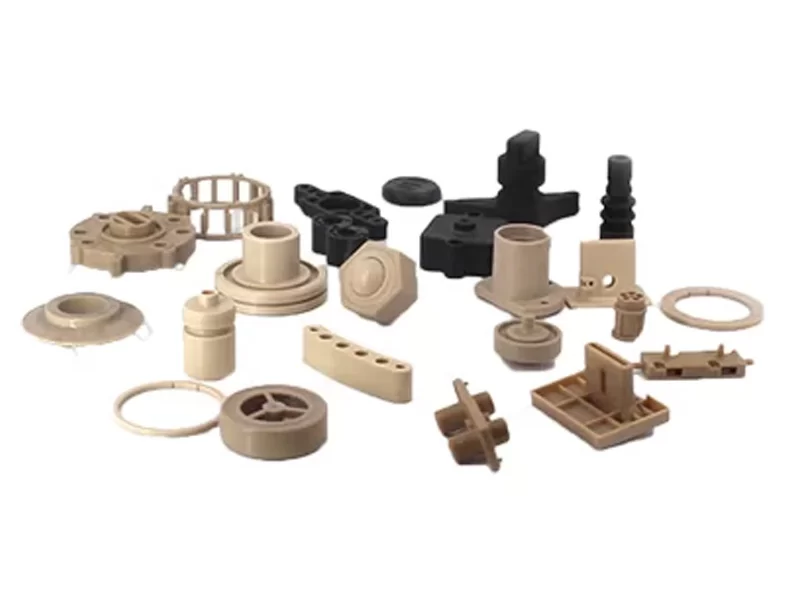
PEEK-machined(Polyetheretherketone)

Most balanced performer

PEEK Plastic

Polyether Ether Ketone · Semi-crystalline

Balanced heat resistance, chemical resistance, wear resistance and machinability — the default answer for demanding structural and insulation parts.

Petrochemical Semiconductor Aerospace Medical Automotive Energy
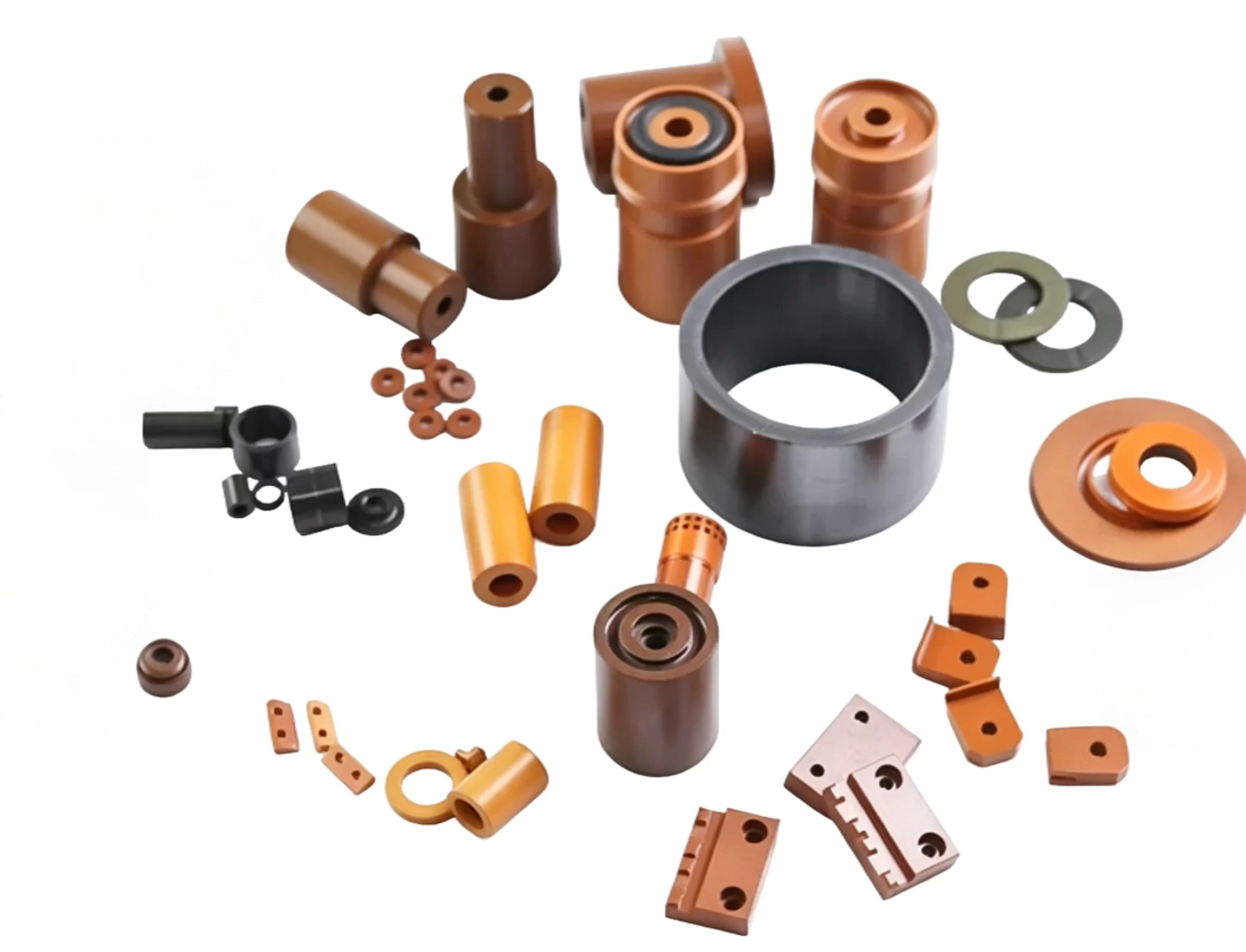
custom CNC machined PPS plastic parts manufactured for OEM applications

Chemical & dimensional stability

PPS Plastic

Polyphenylene Sulfide · Crystalline

Chemical stability, very low moisture absorption and a moldable route — strong for long service at 220 °C with no solvent attack below 200 °C.

Electronics Automotive Chemical equipment Machinery Bearings & pumps
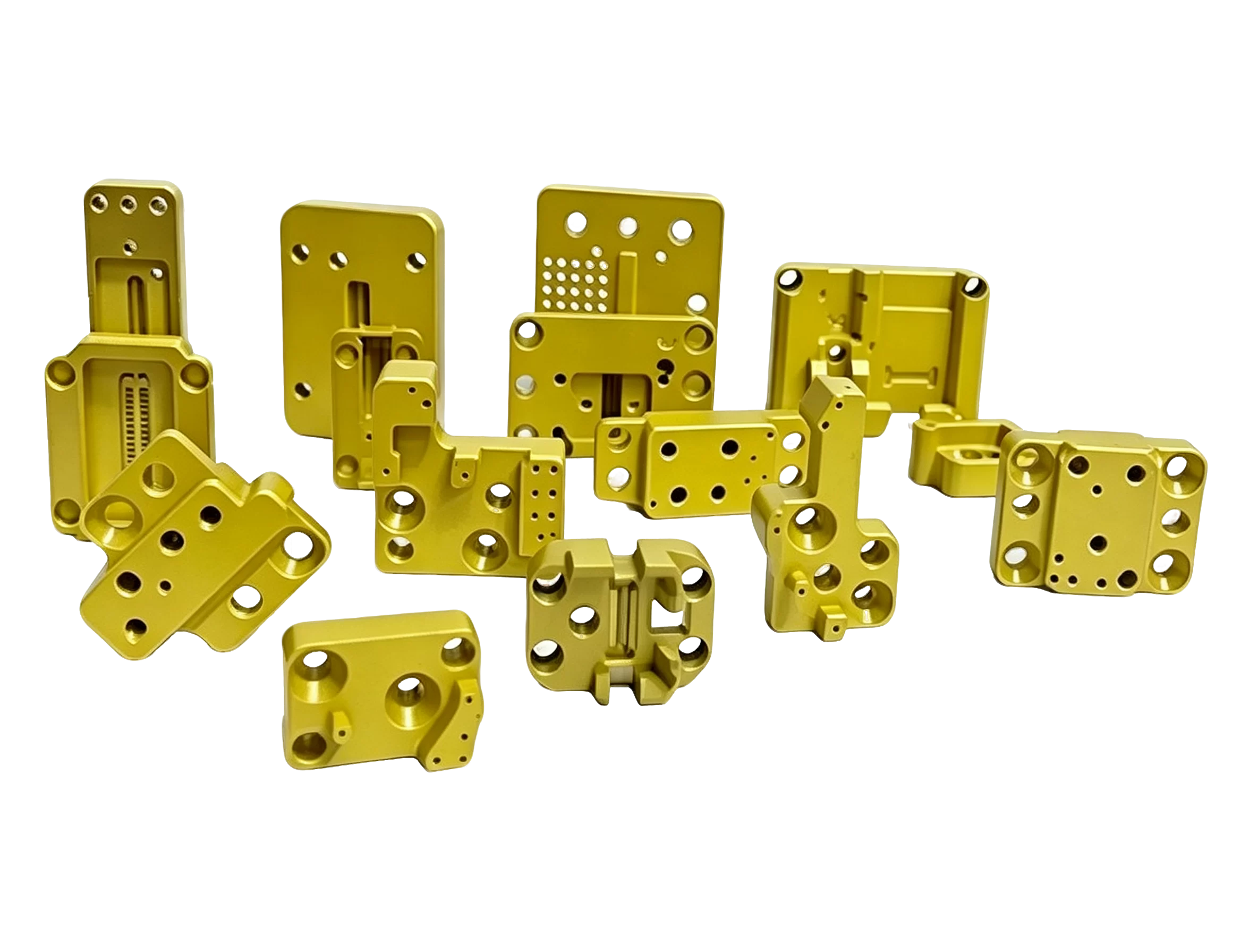
PEI-Polyetherimide-plastic-parts

Heat, flame & insulation

PEI Plastic

Polyetherimide · Amorphous

High strength, rigidity and dimensional stability with excellent electrical insulation — a natural metal substitute in electronics, aviation and medical devices.

Electronics Aircraft interiors Automotive lighting Medical Telecom HVAC
PI Plastic (Polyimide)

Specialty extreme service

PI Plastic

Polyimide · Specialty grade

For extreme heat, dry-running wear, vacuum service and specialty insulation — a deliberate choice when PEEK, PAI, PEI or PPS cannot carry the operating risk.

Extreme heat Dry wear Vacuum Electrical insulation Precision parts
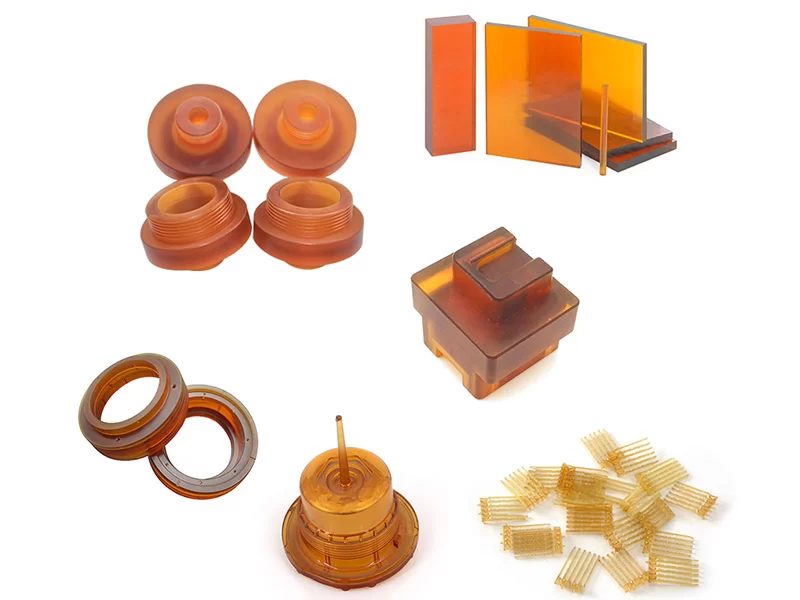
Custom processing of PAI Plastic (Polyamideimide) plastic

Load, wear & tolerance

PAI Plastic

Polyamide-imide · High load grade

High mechanical strength, wear resistance, creep resistance and elevated-temperature performance for loaded bearings, seals and precision components.

Bearings & bushings Seals & valves Semiconductor Aerospace Precision machinery

Material Comparison

PEEK vs PPS vs PEI vs PI vs PAI

Property PEEK PPS PEI PI PAI
Crystallinity Semi-crystalline Crystalline Amorphous Specialty Amorphous
Melting point 334–343 °C 281 °C None (amorphous) Grade dependent None (amorphous)
Short-term service temp 300 °C (instant)
HDT 316 °C
260 °C 200 °C Extreme heat rating 270 °C
Continuous service temp High temp rating
see PEEK page
220 °C 170–180 °C Very high 250 °C
Flammability (UL94) V-0 V-0 / 5V V-0
O.I. 47%
Specialty O.I. 44%
Water absorption 0.07%
24h, 23 °C
0.01–0.03% 0.26–0.54% Grade dependent 0.21%
Density 1.30 g/cm³ 1.43 g/cm³ 1.27 g/cm³ Grade dependent 1.45 g/cm³
Signature strength Balanced heat & wear Chemical &
dimensional
Insulation & rigidity Extreme heat &
vacuum
Load & wear retention

* PEEK: pure resin PEEK-1000 values; PEI/PPS/PAI values from the PPS/PEI property tables. PI ratings are grade-dependent and reviewed per application. There may be differences, the actual value shall prevail.

Short-term service temperature

Maximum allowable working temperature in air, short period (°C) — PEEK shown as instantaneous use temperature

PEEK
300 °C
PAI
270 °C
PPS
260 °C
PEI
200 °C
PI
Extreme

Applications

Industry applications of engineering plastics

Aerospace

Automotive

Chemical

Energy

Machinery

Medical

Semiconductor

More Industries

Not sure which materials best fit your needs?

Send your drawing, CAD model, sample, or operating conditions and move from material decision to a production-ready component.

Our experienced sales and technical teams are available to assist you with material selection challenges.

FAQ

Frequently Asked Questions

Start with the industry or material selection route, then send the operating conditions and drawing for review. Our engineers compare PEEK, PPS, PEI, PI and PAI against your actual service conditions.

Yes. Send the application conditions, drawing and quantity so the material, product form and manufacturing route (CNC machining, injection molding or extrusion) can be reviewed together.

A 2D drawing, 3D model, sample photo, material target, quantity and operating requirements are the most useful inputs. Tolerance, finish, inspection and documentation needs help lock the quote.

PAI may fit when high stiffness, wear resistance, creep resistance and load retention matter more than the broader chemical resistance or material availability of PEEK. Review PAI vs PEEK on the PAI page.

No. PI is a specialty choice for extreme heat, vacuum, dry wear and specialty insulation. For many parts, PEEK, PAI, PEI or PPS is a better commercial fit. See the PI material review before locking a quote.

No. This hub routes buyers to the right material, product, service or industry page for deeper review — full property tables, grades and applications live on each material page.