
Engineering Plastic Resources
Engineering plastic technical resources help engineers and purchasing teams evaluate material properties, compare grades, review manufacturing methods and understand industrial applications.
Explore practical guides, technical datasheets, material selection tools and plastic part design references to support engineering and sourcing decisions.
Resource Center
Detailed product information and resources
Design & Manufacturing
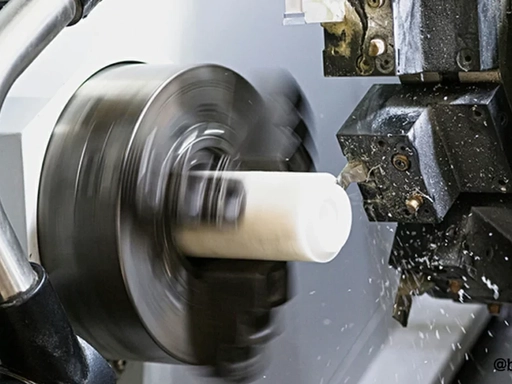
Plastic Part Design & Manufacturing
Plastic part geometry, material behavior and machining requirements all affect manufacturability, dimensional accuracy and surface quality.
Review key design and process considerations before production.
Application & Industry Guides
Engineering Plastics in Industrial Applications
The same polymer can behave differently across applications because operating temperature, mechanical loading, chemical contact, cleanliness and dimensional requirements vary.
Explore application and industry guides to understand which engineering considerations matter most in your operating environment.
Engineering Articles
Engineering Articles & Technical Insights
Explore practical discussions about engineering plastics, material performance, machining considerations and industrial component applications.
These articles provide additional context for evaluating materials and manufacturing decisions beyond standard datasheet values.
Browse topics including:
Downloads
Technical Downloads & Documentation
Use technical documentation to support material comparison, internal engineering review and purchasing specifications.
Review available datasheets and technical documents before confirming material grades, inspection requirements and project specifications.
Checklist
RFQ Checklist
Use the details you already have. Flag open decisions before finalizing pricing and specifications. Keep the completed checklist with your drawing revision.
| RFQ detail | What to share | Why it matters |
|---|---|---|
| Drawings & revision | Current 2D drawing and 3D CAD, part number, drawing revision and units. Identify which file controls conflicting dimensions. | Keeps pricing tied to one design. |
| Operating conditions | Continuous and peak temperature; chemical identity, concentration and contact time; load, motion and electrical needs. For wear parts, add mating surface and lubrication. | Defines the conditions each candidate material must withstand. |
| Material & form | Exact grade, filler and color if specified; finished part or stock shape. If the grade is open, state required performance and restricted substitutions. | Defines the material and supply scope. |
| Quantity & timing | Prototype quantity, first order, repeat demand and required delivery date. List each quantity stage separately. | Connects setup and production costs to each order size. |
| Tolerances & finish | Critical dimensions, datums, fits, sealing surfaces and finish requirements. Explain each critical feature's function. | Focuses machining effort on assembly performance. Blanket tight tolerances can add unnecessary cost. |
| Inspection & documents | Required dimensional report, material identification, certificate of conformity and traceability records. Include measurement or conditioning requirements. | Defines the acceptance basis and documentation scope. |
| Handling & delivery | Protection for critical surfaces, cleanliness, packaging needs and delivery location. | Defines delivered-part requirements and the shipping basis. |
Buyer questions
