GP
Great Plastics
Engineering Materials & Custom Parts
Engineering plastics supplier
Engineering plastics supplier for material selection, custom parts and RFQ support.
Great Plastics helps engineers and buyers source PEEK, PI, PPS, PEI, PAI and other high-performance
plastics, then connect material choice to stock shapes, CNC plastic machining, custom plastic parts and
quote-ready drawing review.
- Materials
- PEEK / PI / PPS / PEI / PAI
- Parts
- Sheets, rods, tubes and custom parts
- RFQ
- Drawing, tolerance and environment
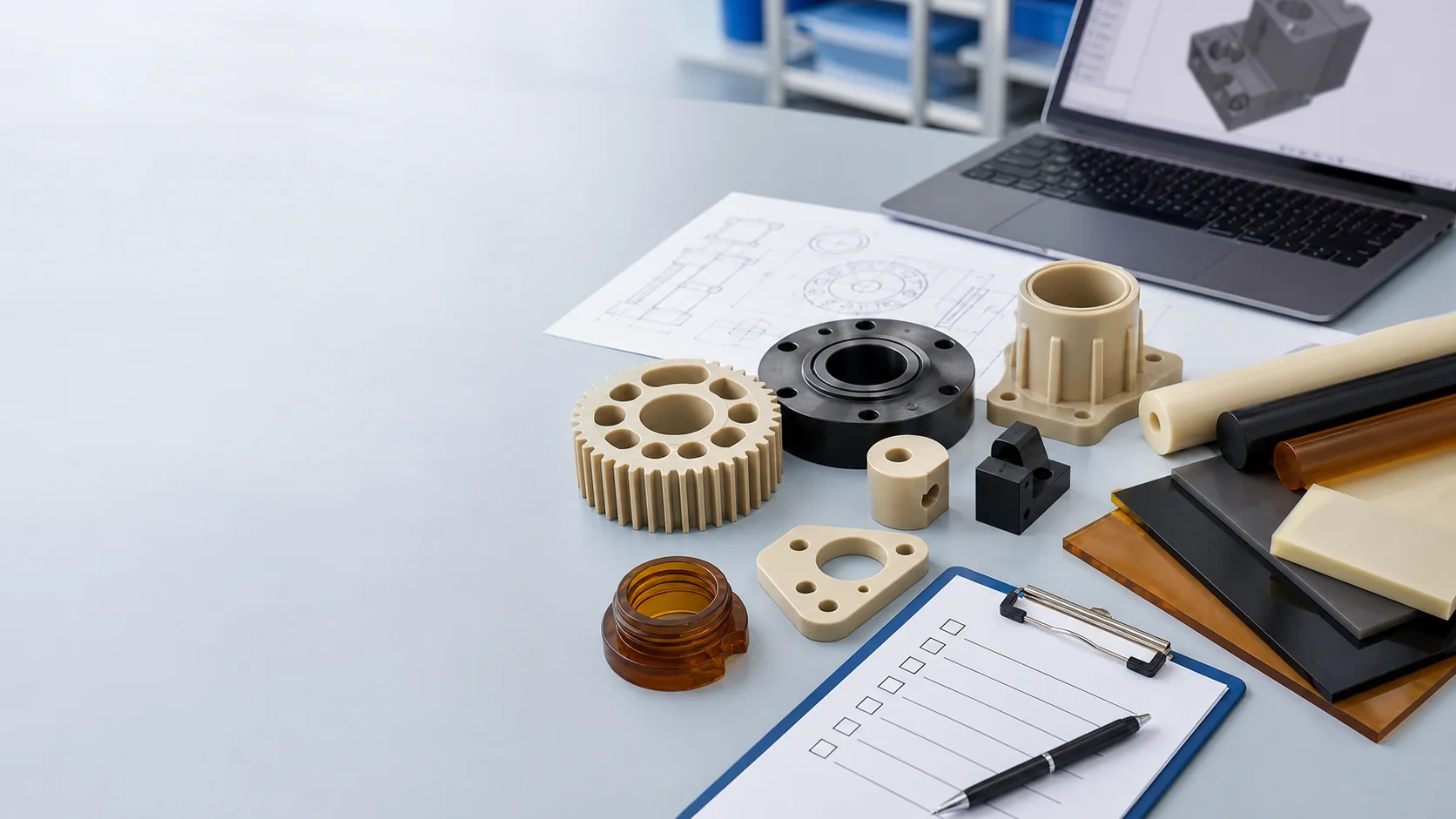
Before pricing starts
Choose the material, stock form and process before releasing the drawing.
A useful engineering plastics supplier should help you narrow the project before pricing starts. Compare the
operating environment, part geometry, tolerance expectations and quantity, then decide whether the job belongs
in stock shape sourcing, CNC plastic machining, molding, cutting, 3D printing or material selection support.
Start here
Pick the entry point that matches your project.
I need a material recommendation
Compare heat, chemical, wear, insulation and dimensional requirements before choosing PEEK, PPS, PEI, PAI, PI or a practical alternative.
I have a drawing for custom parts
Review stock form, machining route, tolerances, quantity, finish and inspection needs before requesting a custom plastic parts quote.
I am ready to prepare an RFQ
Send the drawing, material target, operating environment and critical dimensions so the quote review starts with the right engineering context.
Supplier evaluation
What a practical engineering plastics supplier should make clear.
Material decision path
Show when PEEK, PI, PPS, PEI or PAI is worth the cost, and when PTFE, POM, Nylon, PC or PVDF may be a better fit for the operating environment.
Manufacturing route
Explain whether the drawing belongs in sheet, rod or tube machining, cut-to-size stock, 3D printed prototypes, or molded production after volume is clear.
Quote inputs
Ask for the drawing, critical tolerance, mating parts, load, temperature, chemical exposure, surface finish, quantity and inspection requirement before final pricing.
What buyers can expect
Practical engineering review before a quote is finalized.
Material fit review
Compare heat, chemical exposure, wear, insulation, moisture absorption and dimensional stability before selecting PEEK, PI, PPS, PEI, PAI or an alternative.
Manufacturing route check
Review whether the part should be machined from sheet, rod or tube, cut to size, prototyped, or considered for molding after volume and geometry are clear.
Quote-ready drawing support
Clarify critical tolerances, surface finish, inspection needs, operating environment and target lead time so the RFQ is based on the real engineering requirement.
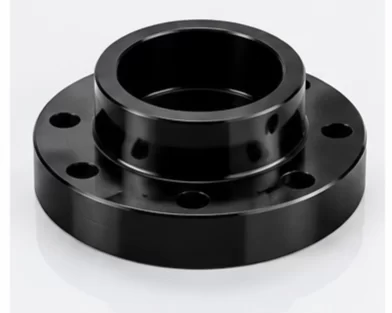
PEEK Plastic
Heat, chemical and wear resistance for demanding machined parts, valve seats, bushings and insulation components.
PI Plastic
High-temperature polyimide selection for precision parts that need dimensional stability under severe heat.
PPS Plastic
Chemical-resistant polyphenylene sulfide for under-hood, pump, electrical and industrial fluid environments.
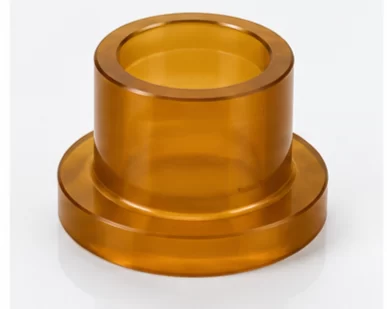
PEI / Ultem
Amber engineering plastic for electrical insulation, flame resistance, stiffness and process-friendly part geometry.
PAI / Torlon
High-load, high-wear engineering plastic for bearings, rollers, wear pads and precision mechanical components.
Selection matrix
Engineering decision table for early sourcing.
| Decision factor | Engineering question | Recommended page response | RFQ impact |
|---|---|---|---|
| Heat | Continuous temperature, thermal cycling, heat deflection | Compare PEEK, PI, PPS, PEI and PAI before lower-cost alternatives. | Material grade and post-machining stress relief |
| Chemical exposure | Solvents, fuels, acids, bases, steam or cleaning agents | Use chemical compatibility notes and application pages. | Operating environment and exposure duration |
| Tolerance | Flatness, bore fit, bearing pressure and feature stability | Route to CNC plastic machining and plastic part design guide. | Drawing review and inspection plan |
| Quantity | Prototype, bridge production or tooling-supported production | Choose machining, cutting, 3D printing or injection molding. | Lead time, tooling risk and unit price |
Material selection path
Start with the failure risk, then choose the plastic.
| Need | Materials to compare first | What to confirm before quoting | Common mistake to avoid |
|---|---|---|---|
| High heat and dimensional stability | PEEK, PI, PAI, PEI | Continuous temperature, thermal cycling, flatness and inspection method | Choosing the highest-temperature material without checking cost or geometry |
| Chemical or fluid exposure | PPS, PEEK, PTFE, PVDF | Chemical name, concentration, temperature, exposure time and sealing surface | Using a compatibility chart without operating-condition details |
| Wear, sliding or bearing load | PEEK, PAI, PTFE-filled grades, POM, Nylon | Load, speed, lubrication, mating surface and allowable creep | Specifying tight metal-style tolerances for a moving plastic part |
| Electrical insulation or flame resistance | PEI, PI, PEEK, PPS | Voltage, dielectric requirement, flame rating need and environment | Assuming all high-performance plastics behave the same electrically |
Manufacturing services
CNC plastic machining and custom manufacturing paths.
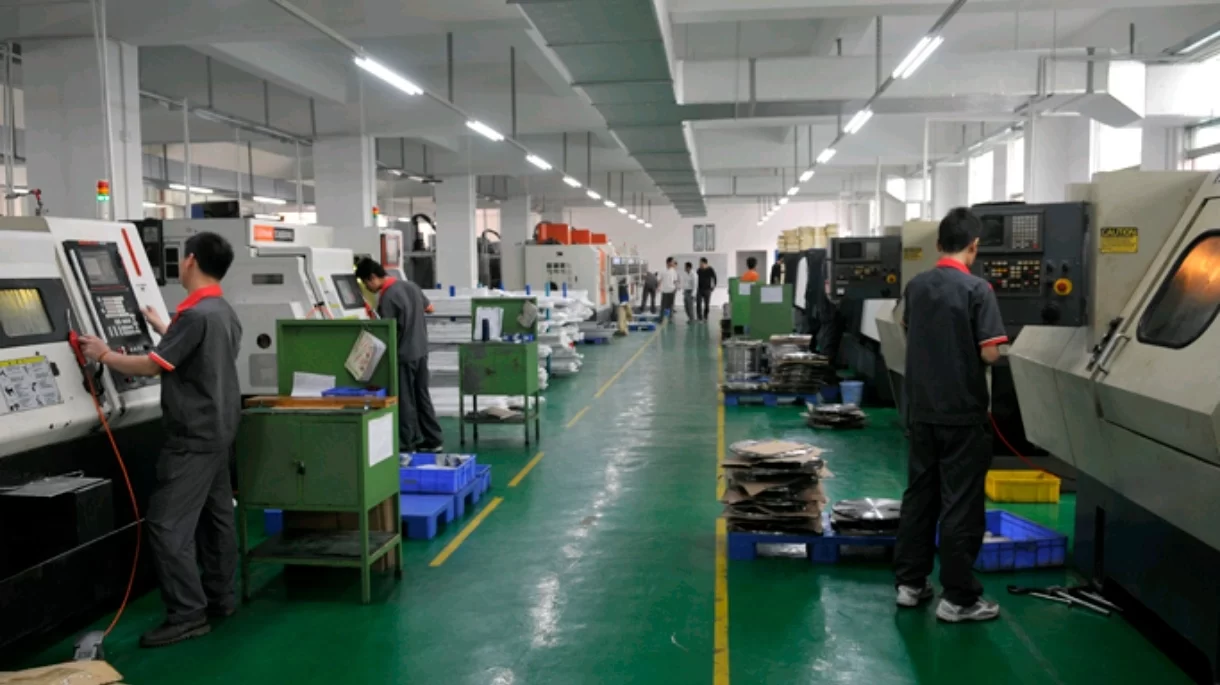
Send the drawing with the material target, tolerance and operating environment. Great Plastics can help
decide whether the part should be machined from sheet, rod or tube, reviewed for molding, cut to size or
prototyped before production.
Manufacturing capability
Match the production route to the drawing and quantity.
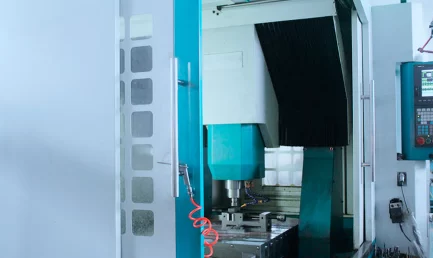
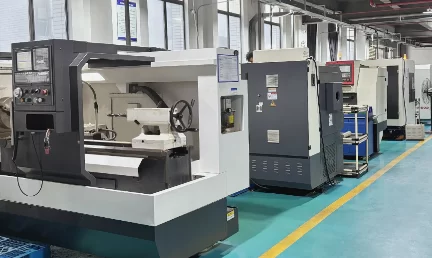
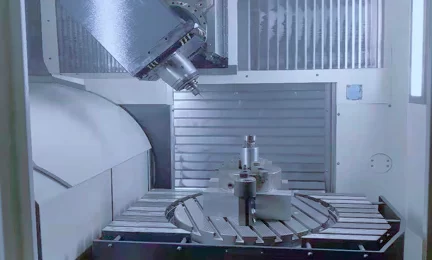
CNC plastic machining
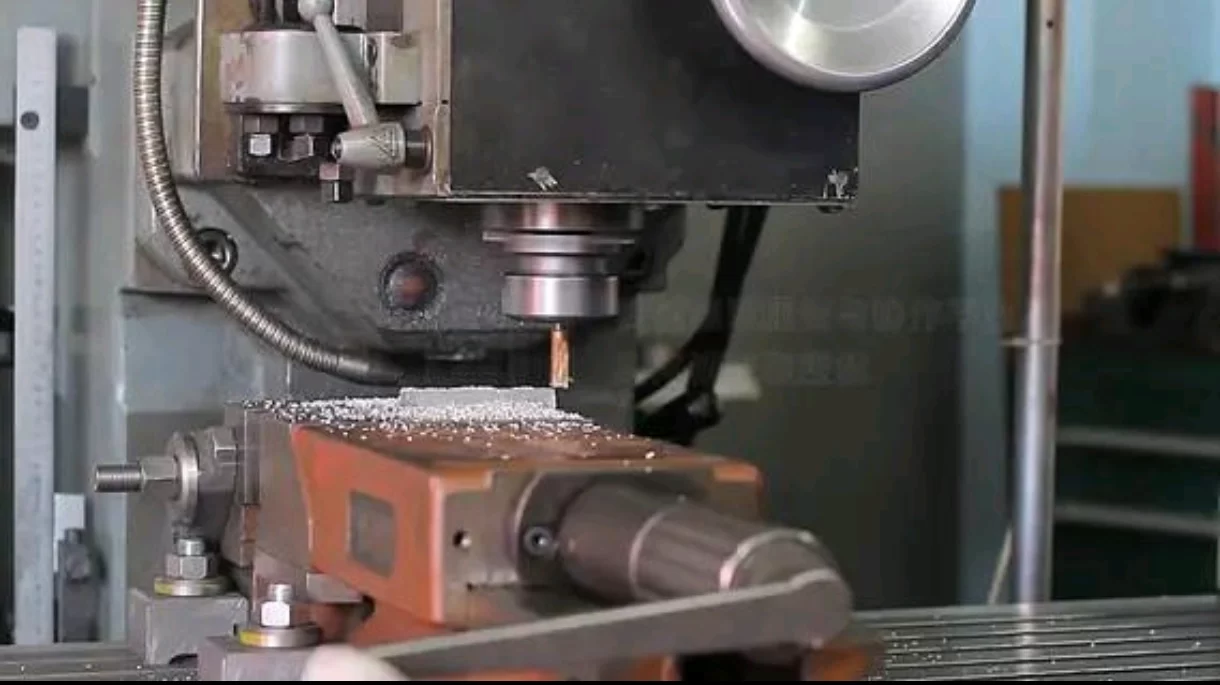
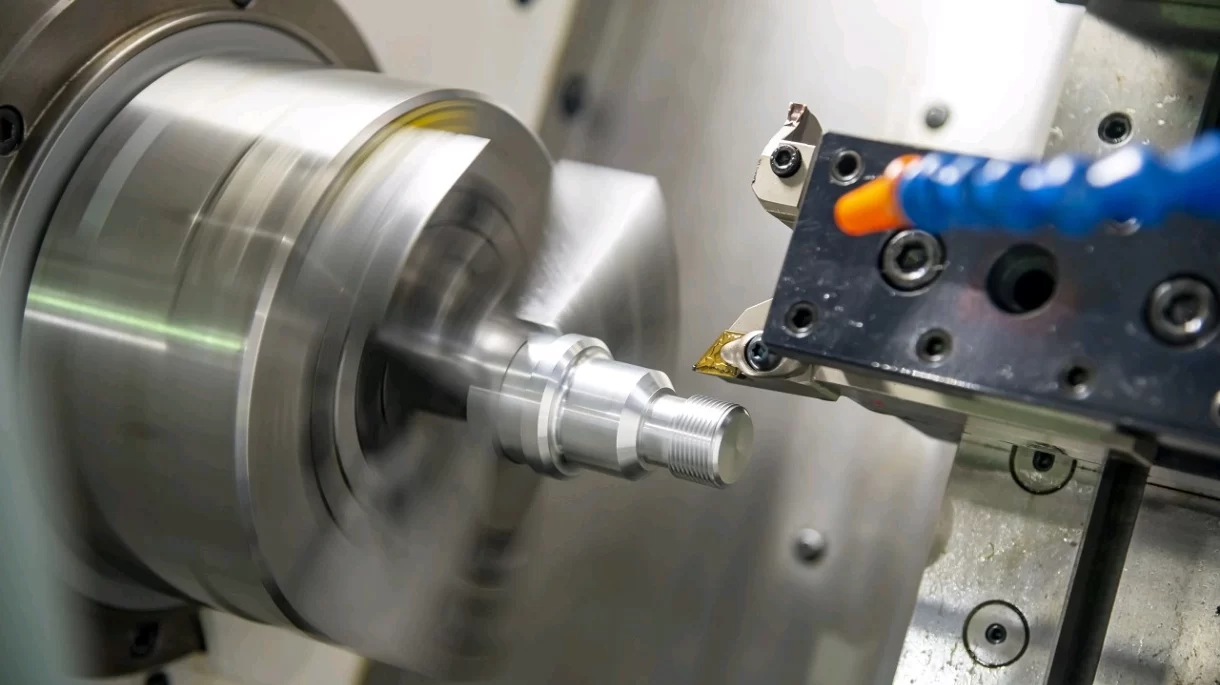
Best for prototypes, short runs and precision features from sheet, rod or tube. Review tool marks, flatness, thin walls and critical bores before release.
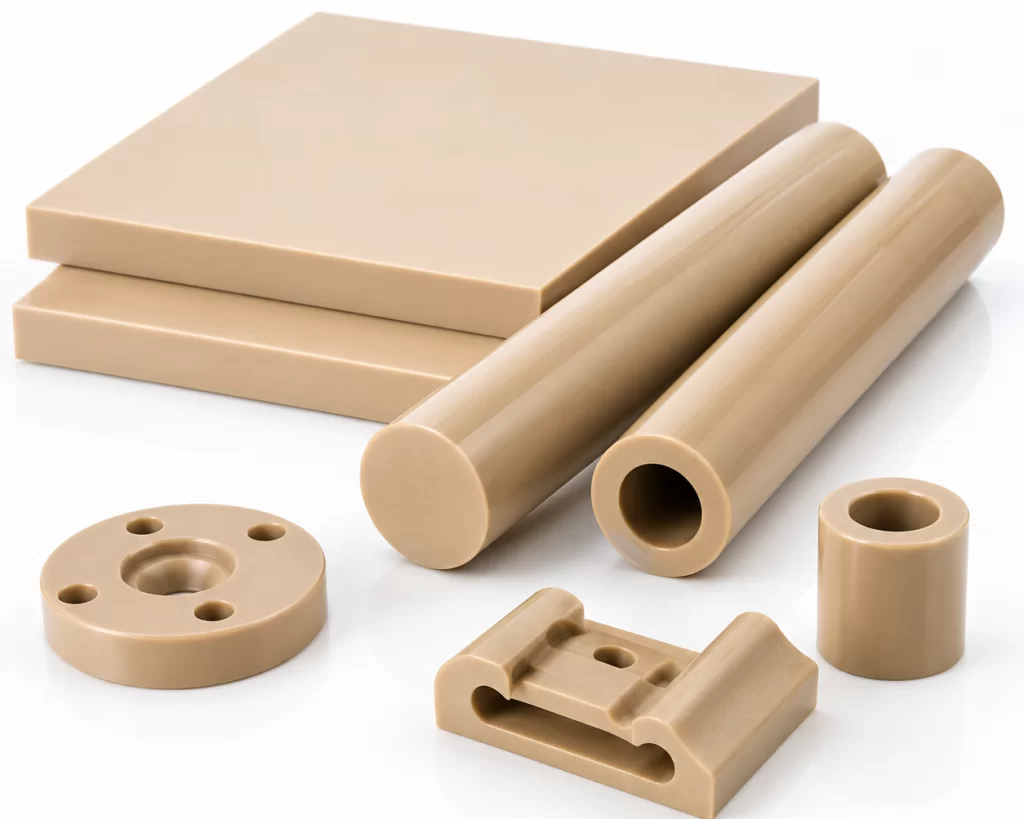
Stock shape sourcing
Use sheets, rods, tubes and prepared blanks when the project needs fast material supply, cut-to-size support or machining-ready stock.
Molding or production review
Consider molding only after geometry, annual volume, tooling risk and material behavior are clear. A DFM review should happen before tooling decisions.
Products
Stock shapes and custom plastic parts.
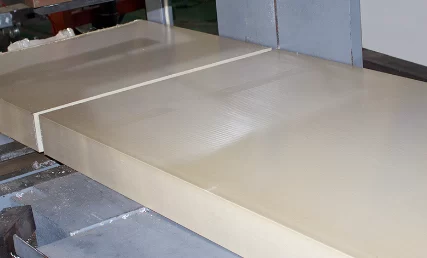
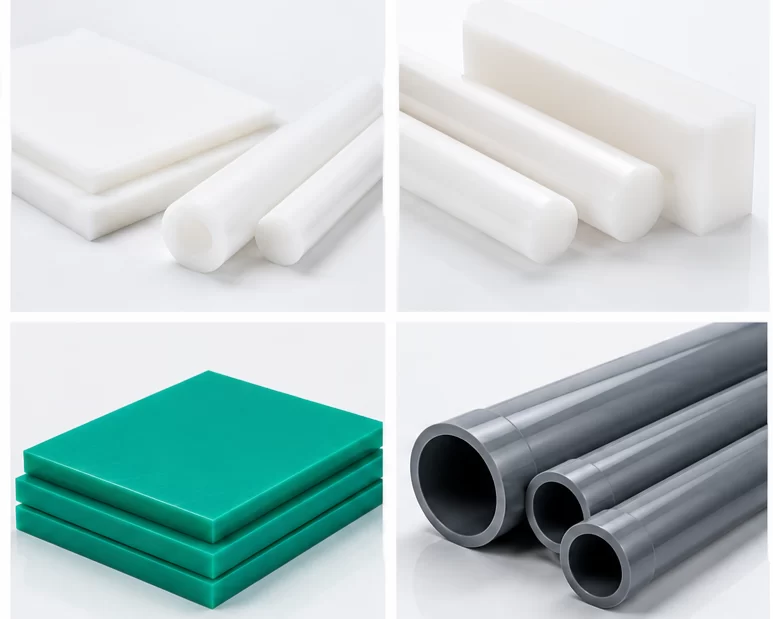
Engineering Plastic Sheets
Sheet stock for machined plates, fixtures, insulators and high-stability components.
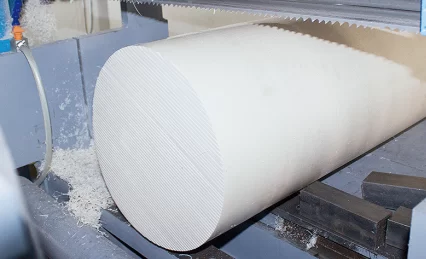
Engineering Plastic Rods
Rod stock for bushings, rollers, spacers, valve seats and turned precision parts.
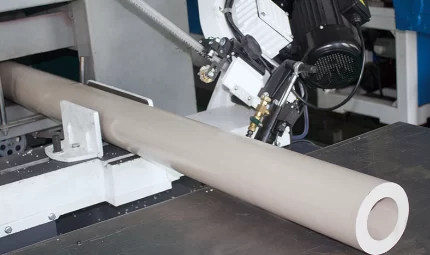
Engineering Plastic Tubes
Tube stock for sleeves, manifolds, fluid parts and machined cylindrical components.
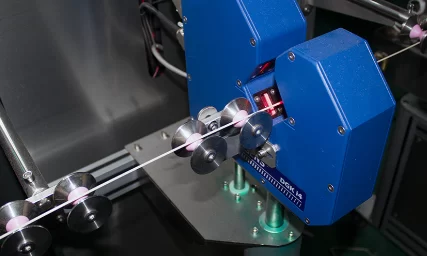
Engineering Plastic Filaments
High-temperature polymer filament pages for 3D printing and prototype exploration.
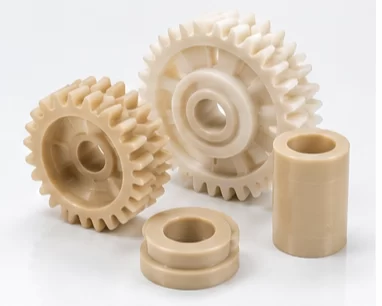
Custom Plastic Parts
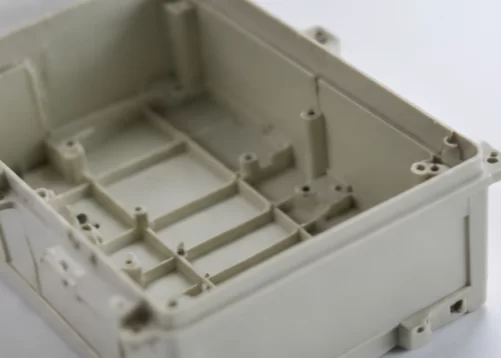
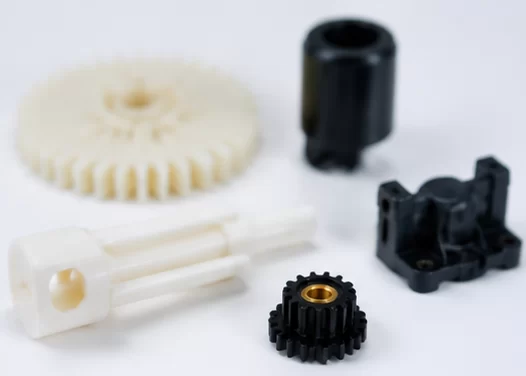
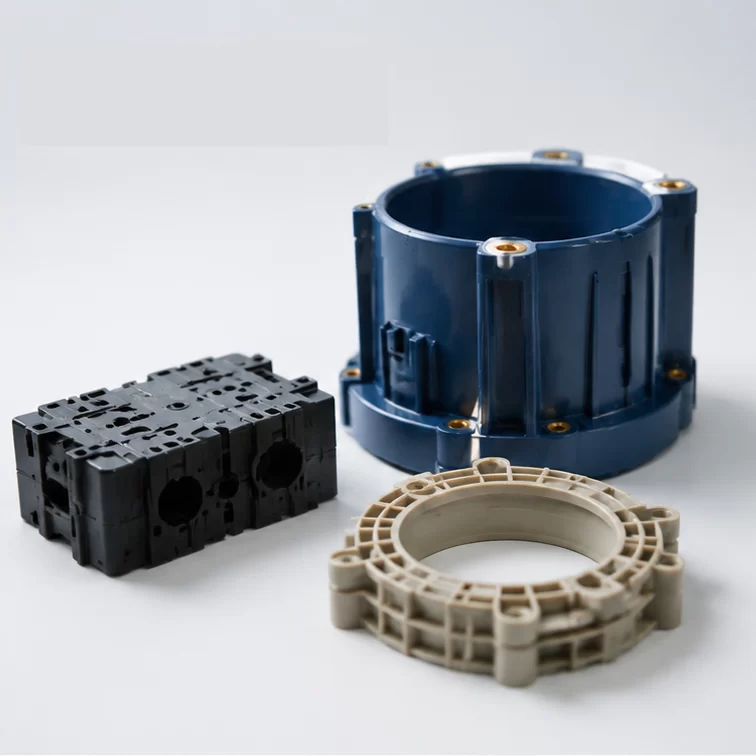
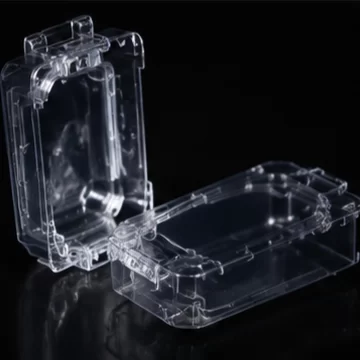
Custom machined, molded or fabricated parts from drawings, models and operating requirements.
Material Datasheets
Datasheet-style summaries that connect properties to sourcing and manufacturing decisions.
Application pages
Application fit depends on heat, chemicals, load and inspection needs.
Aerospace, energy, machinery, chemical processing, medical, semiconductor and automotive projects all create
different material risks. The right plastic choice should consider the environment first, then the drawing,
production route and inspection requirement.
Application fit matrix
Typical starting points for demanding plastic parts.
Semiconductor and electronics
Review low contamination, dimensional stability, insulation, chemical exposure and ESD/static requirements before choosing PEEK, PI, PEI or PPS.
Chemical processing and fluid handling
Confirm chemical, temperature, pressure and sealing conditions before selecting PPS, PEEK, PTFE or PVDF for valve seats, manifolds and rings.
Machinery and wear parts
Compare bearing pressure, friction, creep, mating surface and lubrication before selecting PEEK, PAI, POM, Nylon or filled PTFE grades.
Aerospace and energy
Check temperature range, vibration, dimensional stability, documentation and inspection needs before locking a high-performance plastic.
Medical and laboratory equipment
Review sterilization, chemical cleaning, traceability and dimensional requirements before choosing PEEK, PEI, PPS or PI.
Custom fixtures and insulators
Balance stiffness, electrical behavior, flatness, machinability and delivery time for jigs, supports, spacers, housings and test fixtures.
Sourcing path
Find the page that matches your project stage.
Materials
- Engineering plastics
- PEEK
- PI
- PPS
- PEI
- PAI
- Properties
- Datasheets
- Selection tool
Products
- Sheets
- Rods
- Tubes
- Filaments
- Custom plastic parts
Services
- CNC plastic machining
- Injection molding
- 3D printing
- Cutting
- Design guide
- Rapid manufacturing
Support
- Resources
- FAQ
- Certifications
- Sustainability
- Contact & RFQ
Buyer support
Questions buyers usually ask before quoting.
Send the drawing or 3D model, material target if known, dimensions, tolerance, quantity, operating temperature, chemical exposure, surface finish and lead time.
For demanding parts, start with PEEK, PI, PPS, PEI and PAI, then compare lower-cost or application-specific alternatives such as PTFE, POM, Nylon, PC or PVDF when the environment allows it.
Yes. CNC plastic machining is a common route for prototypes, low-volume production and precision parts made from sheet, rod or tube stock.
Start with material selection and drawing review, confirm critical tolerances and operating conditions, then use prototype or first-article inspection before larger production.
Not automatically. PEEK is valuable for demanding heat, chemical, wear and dimensional requirements, but PPS, PEI, POM, Nylon, PTFE or PVDF may be a better fit when the environment allows it.
CNC machining is usually better for prototypes, small batches, tight design changes and precision stock-shape parts. Molding becomes attractive when volume and geometry justify tooling.
RFQ checklist
Information that helps us review the project correctly.
- 2D drawing and 3D model when available
- Material target or required performance
- Dimensions, critical tolerances and fit surfaces
- Quantity, annual volume and delivery expectation
- Operating temperature and thermal cycling
- Chemical exposure, concentration and duration
- Surface finish, inspection and certificate needs
- Packaging, traceability or first-article requirements
RFQ checklist
Send the drawing once, get a better material and process review.
Quote quality depends on the engineering context. Share the drawing, material target, quantity and operating
environment so the review can focus on the right plastic and manufacturing route.
Before you send the request
- Attach a 2D drawing or 3D model when available.
- State material target, quantity, critical tolerance and finish expectations.
- Describe heat, chemicals, load, wear, moisture, electrical or cleaning conditions.
- List certificate, inspection, packaging or traceability requirements upfront.