
PAI Plastic Material
PAI Sheet, Rod, Tube & Custom CNC Parts for OEM Buyers
PAI (polyamide-imide) is a high-performance thermoplastic used for precision components requiring high mechanical strength, wear resistance, creep resistance, and elevated-temperature performance.
Great Plastics supplies PAI sheet, rod, and tube stock, as well as CNC-machined PAI components for demanding mechanical and industrial applications.
±0.01mm
machining tolerance
24h
Rapid response
5-7 days
Fast Delivery
1 piece
MOQ
Overview
PAI Material Selection for Wear Resistance and High Loads
PAI (polyamide-imide) is a high-performance thermoplastic considered for precision components where mechanical strength, wear resistance, creep resistance, and dimensional control are important. Typical applications include bearing surfaces, seals, valve components, bushings, and other high-load machined parts.
PAI is not automatically the best choice for every high-temperature application. Material selection should consider temperature, load, speed, mating surfaces, moisture, tolerances, and cost, with PAI compared against materials such as PEEK, PI, POM, and PTFE where appropriate.
Available Forms
PAI Plastic Forms & Custom Parts
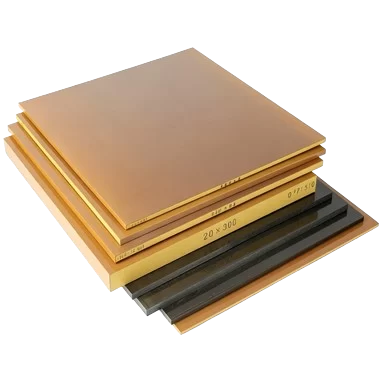
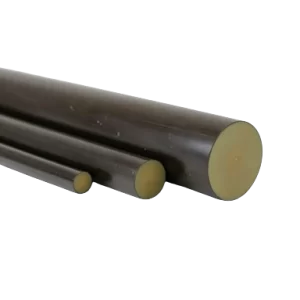
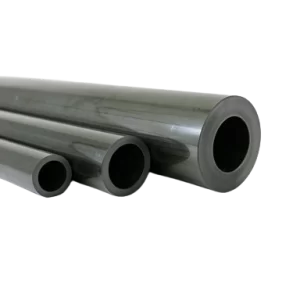
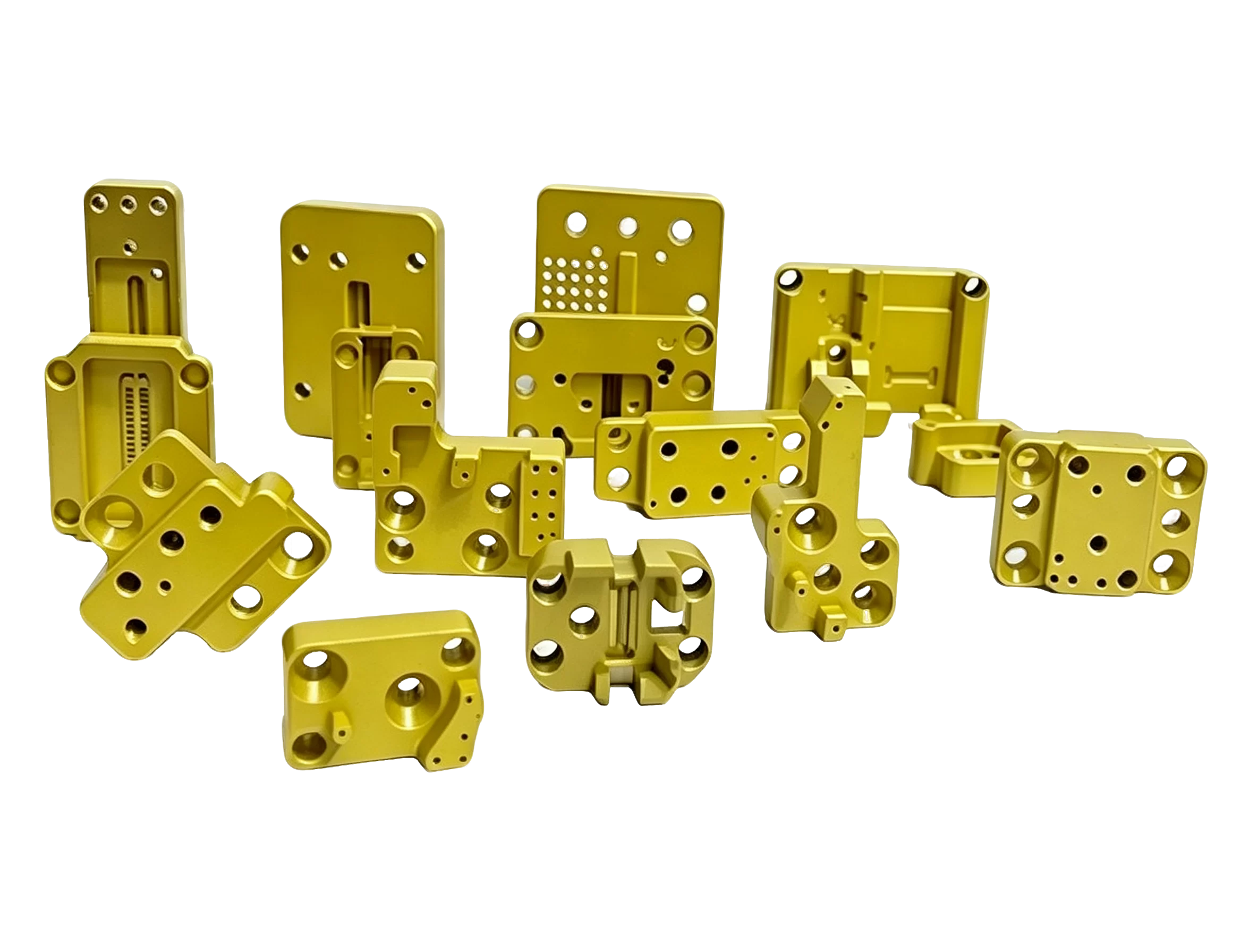
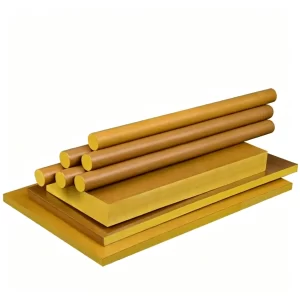
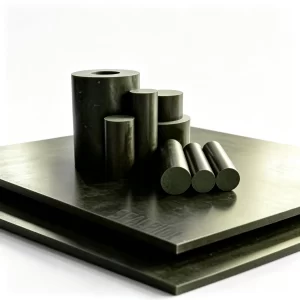
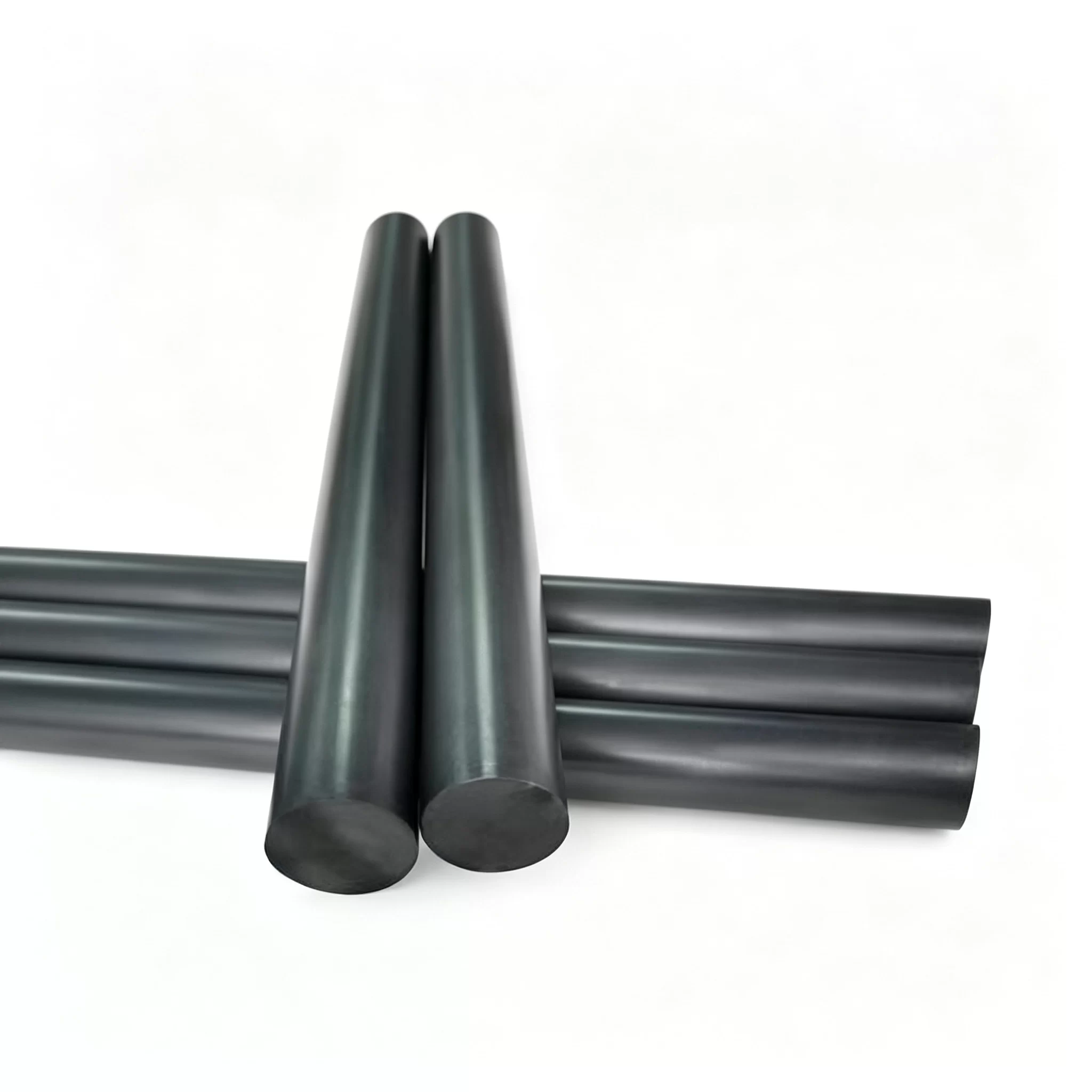
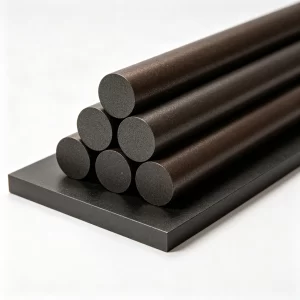
Great Plastics can review available PAI stock shapes and machining options. PAI sheet, rod and tube availability depends on grade, size, color, manufacturing route, and supplier stock.
Material Selection
PAI Material Grades & Filler Selection
PAI grade selection starts with the application requirements: bearing load, wear, stiffness, temperature, electrical insulation, lubrication, and dimensional stability.
Grade availability varies by supplier, formulation, stock shape, size, and application. Supplier technical data should be checked for the specific grade before material selection.
Performance Data
Key PAI Performance Characteristics
PEI is an amorphous thermoplastic that combines high stiffness, thermal resistance, electrical insulation, and dimensional stability. Performance depends on the specific grade, part geometry, operating conditions, and processing method.
Manufacturing Capability
PAI CNC Machining and Custom Components
PAI machining requires control of heat, clamping, cutting conditions, tooling, and dimensional changes during and after machining. Great Plastics can review PAI material requirements and produce custom machined components to drawing.We support prototype development, low-volume production, and OEM manufacturing programs for precision PAI parts.
Before production, we review wall thickness, bore geometry, sharp corners, datum structure, surface finish, machining allowance, and inspection requirements. For close-tolerance parts, conditioning and stress relief may also be considered.
Industry Use Cases
Applications of PAI Plastic Materials
PAI machining requires control of heat, clamping, cutting conditions, tooling, and dimensional changes during and after machining. Great Plastics can review PAI material requirements and produce custom machined components to drawing.


Material Comparison
PAI vs. Other Engineering Plastics
PAI is not automatically the best choice for every application. Material selection depends on operating temperature, chemical exposure, mechanical load, wear, dimensional requirements, processing needs, and cost.
| Comparison | Consider PAI When | Consider Other Options When |
|---|---|---|
| PAI vs. PEEK | High load, wear, stiffness, or creep resistance is a priority. | PEEK — Chemical resistance, moisture performance, broader material availability, or overall cost is more important. |
| PAI vs. PI | High mechanical load and wear resistance are important in the component. | PI — Very high-temperature performance, vacuum service, or dry-running capability is the primary requirement. |
| PAI vs. POM | The application requires higher temperature capability, wear resistance, stiffness, or creep resistance. | POM — A lower-cost material with easier machining is sufficient for a moderate-temperature application. |
| PAI vs. PTFE | Higher stiffness, load capacity, wear resistance, and dimensional control are required. | PTFE — Very low friction, chemical resistance, or non-stick behavior is more important than stiffness and load capacity. |
Related material links: PEEK Plastic Materials | PEI Plastic Materials | PI Plastic Materials
Your Partner
Why Choose Great Plastics?
Great Plastics supports PAI material and grade selection, drawing review, CNC machining, dimensional inspection, custom component production, and technical documentation. Before production, we review the drawing against the selected grade, part geometry, tolerance requirements, machining sequence, and inspection requirements.
Common Questions
Frequently Asked Questions
Quick answers to the questions engineers and procurement teams ask most about PAI materials.
