
Chemical Engineering Plastics & Custom Machined Parts
Great Plastics reviews custom engineering plastic parts for chemical processing equipment, including pump and valve components, seals, bushings and fluid-handling fixtures. Material selection and machining requirements are assessed against the specified chemical media, concentration, temperature, mechanical load and dimensional requirements.
solutions
Plastic Components for Chemical Processing
Great Plastics supplies custom plastic parts for fluid contact, sliding wear and equipment support. Each component has a different job in your system.
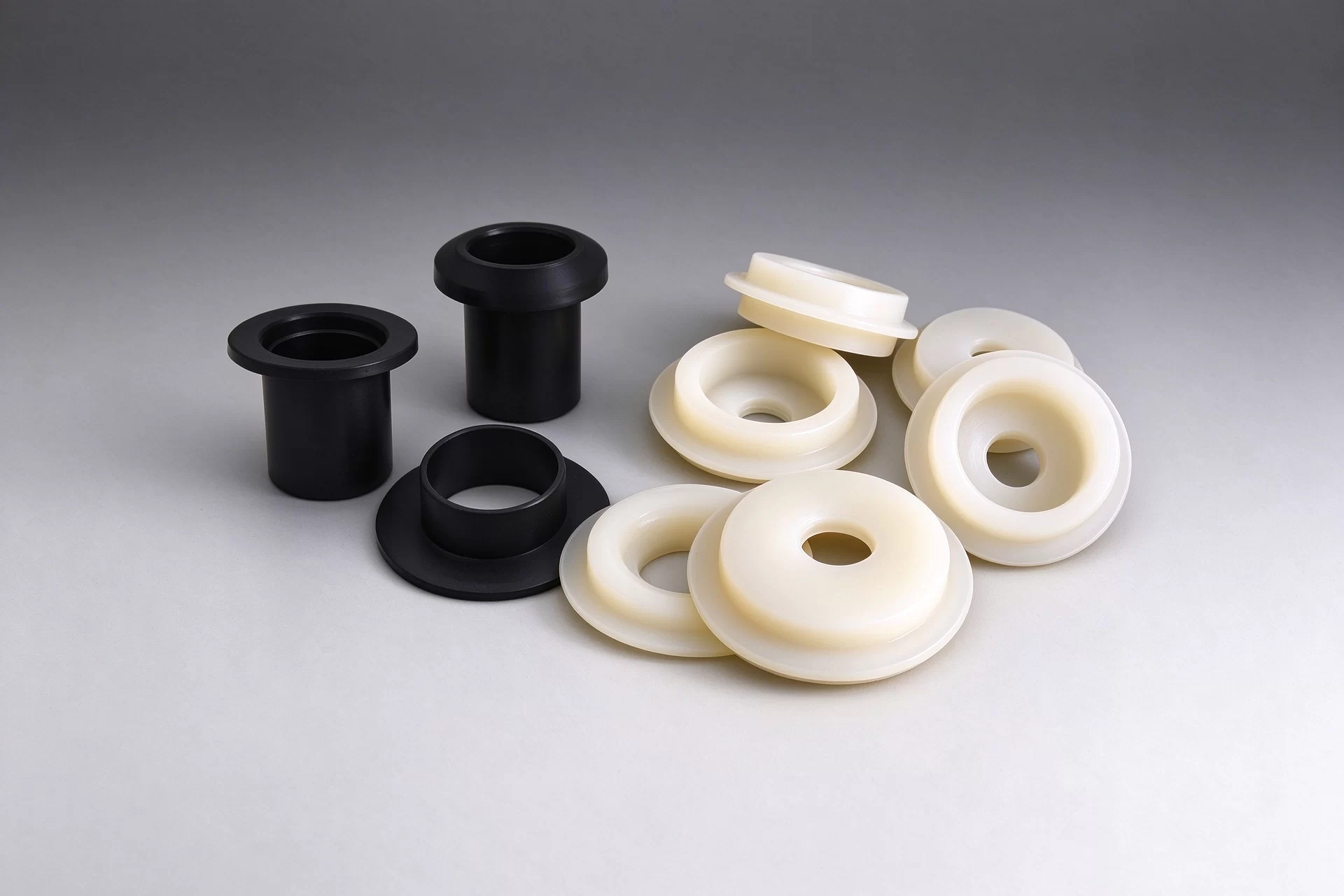
Pump Wear Rings & Bushings
Sleeves, shaft guides and wear rings for rotating equipment. PEEK and PPS offer material options where chemical contact and sliding motion overlap. Abrasive solids, dry running and the mating surface change the wear requirement. The right grade must protect your running fit under those conditions.
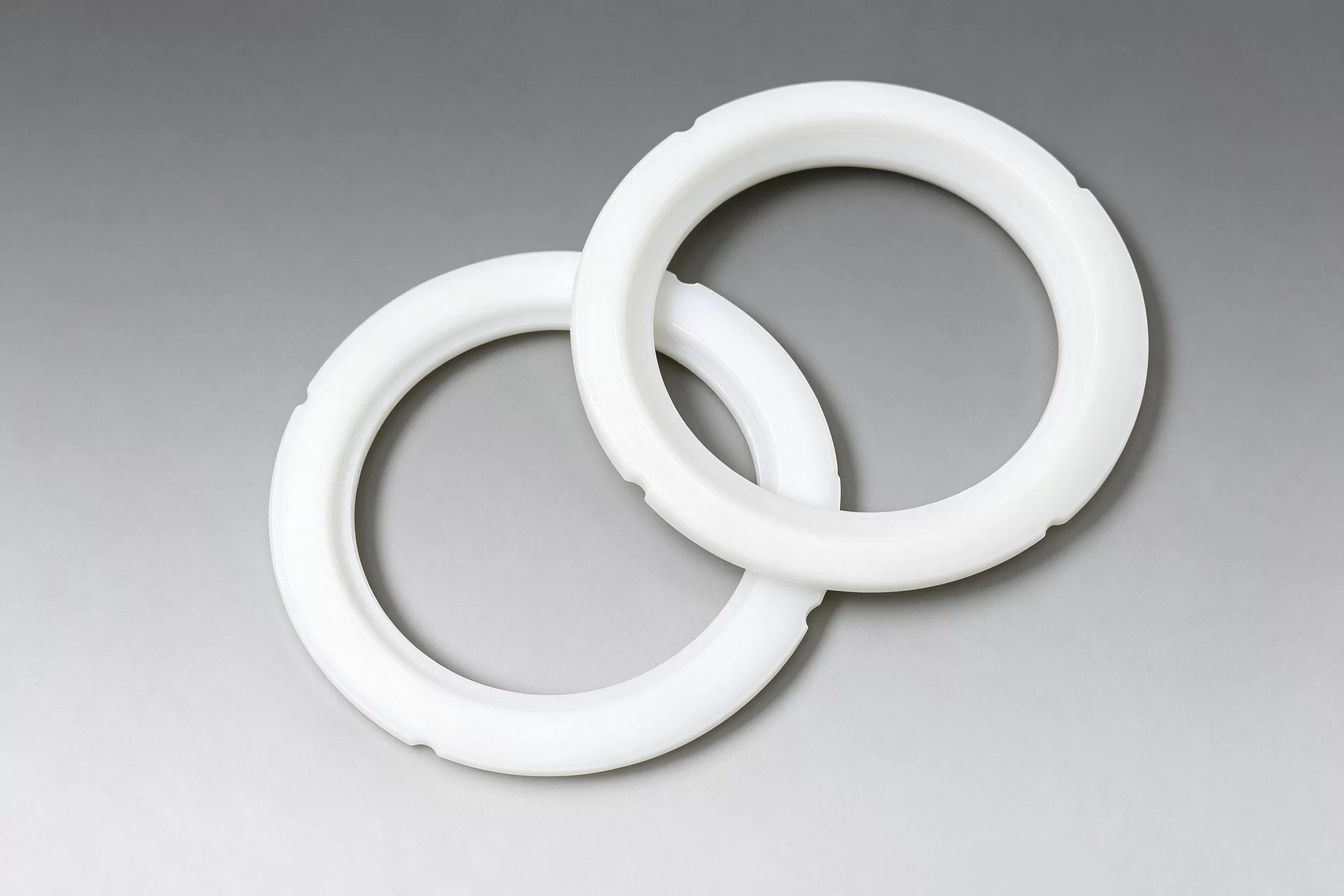
Valve Seats & Sealing Components
Seats, stem guides, backup rings and sealing inserts made to your drawing. Your seat needs a material that resists the fluid and holds its profile under compression. Creep, sealing-face finish and counterface wear affect the grade choice.
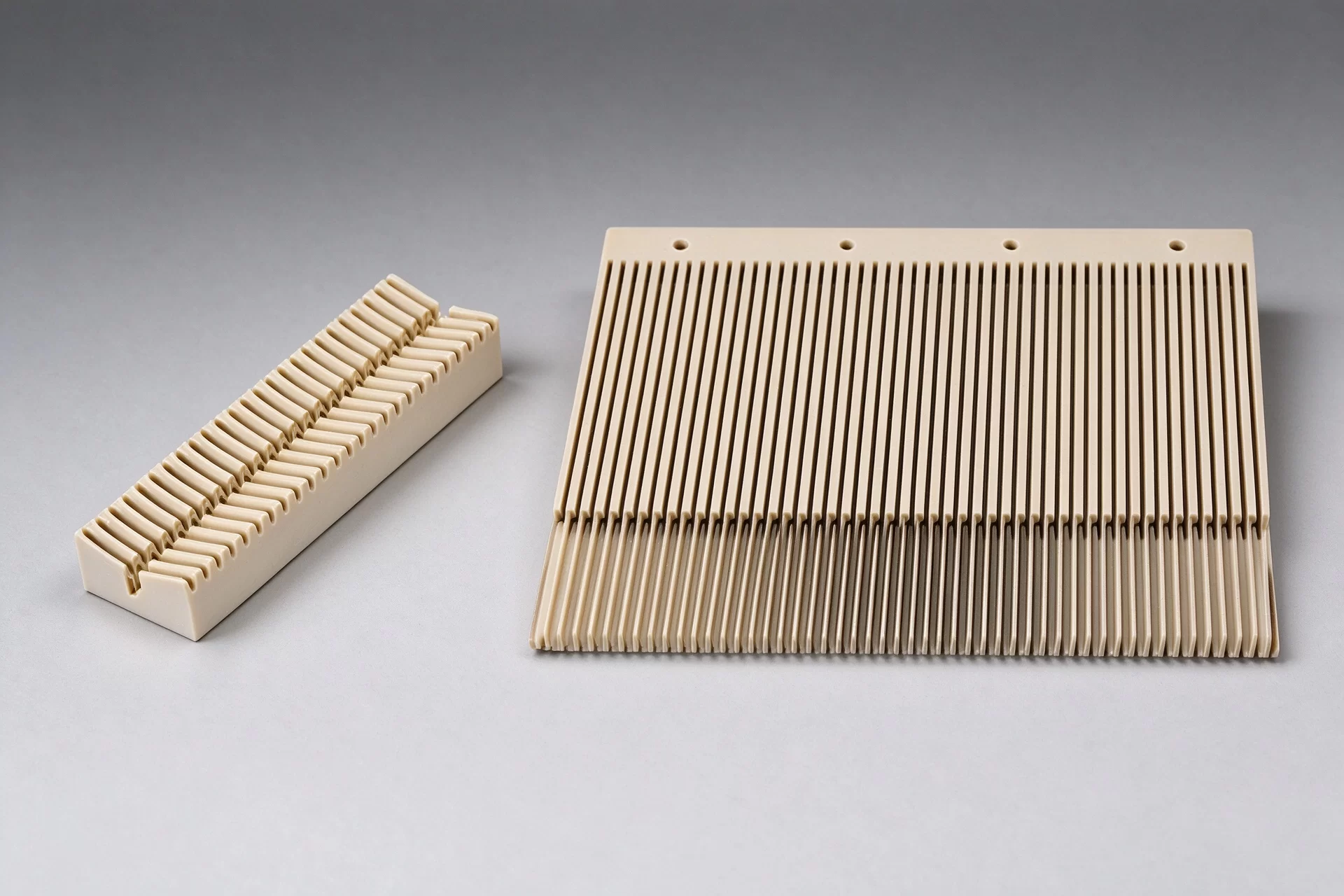
Wet-Process Fixtures & Supports
Positioning nests, guide blocks, spacers and insulating supports for chemical equipment. A continuously wetted fixture faces different demands from a splash-exposed or dry support. External supports may need stiffness or electrical insulation first.
Material Selection
PEEK & PPS for Chemical-Contact Parts
PEEK and PPS are starting candidates when your part needs chemical resistance together with mechanical performance. Neither material fits every chemical. Compare the exact grade, including fillers, against your service conditions.
| Material option | Typical component fit | Selection limits |
|---|---|---|
| Unfilled PEEK | Seats and shaped components that need toughness, machinability and resistance to many process fluids. | Strong oxidizing media and concentrated acids need specific compatibility evidence. Heat, pressure and sustained load affect the working fit. |
| Glass-filled, carbon-filled or bearing-grade PEEK | Bushings, wear rings and guides where stiffness or sliding performance drives the grade choice. | Fillers change chemical behavior, electrical properties and counterface wear. A filled grade is not an automatic upgrade for a seal. |
| Unfilled PPS | Chemical-contact parts where low moisture uptake and dimensional stability are priorities. | Impact, notches and thin sections need attention. Compatibility remains specific to the medium, temperature and contact duration. |
| Glass-filled, carbon-filled or wear-modified PPS | Rigid supports, guides and wear components with a defined load or sliding duty. | Fiber direction, exposed fillers and brittle edges can affect machining and service. Compatibility depends on the complete formulation. |
Factors
Chemical Compatibility in Working Conditions
PEEK and PPS are starting candidates when your part needs chemical resistance together with mechanical performance. Neither material fits every chemical. Compare the exact grade, including fillers, against your service conditions.
01
Pump Wear Rings & Bushings
Chemical identity and concentration define the exposure. Mixtures can behave differently from their individual ingredients. Include cleaning agents and any change of fluid during service.
02
The Exposure
Temperature, contact duration and cycling affect chemical resistance. A room-temperature rating does not establish suitability for continuous hot immersion or repeated cleaning.
03
The Loaded Part
Pressure, compression, sliding contact and assembly stress act on the material at the same time. Swelling can close a running clearance. Stress cracking can start at a threaded connection even when an unstressed sample looks unchanged.
interface
Sealing, Wear & Fit
Your sealing faces, bores and threaded connections determine where dimensional control matters most.
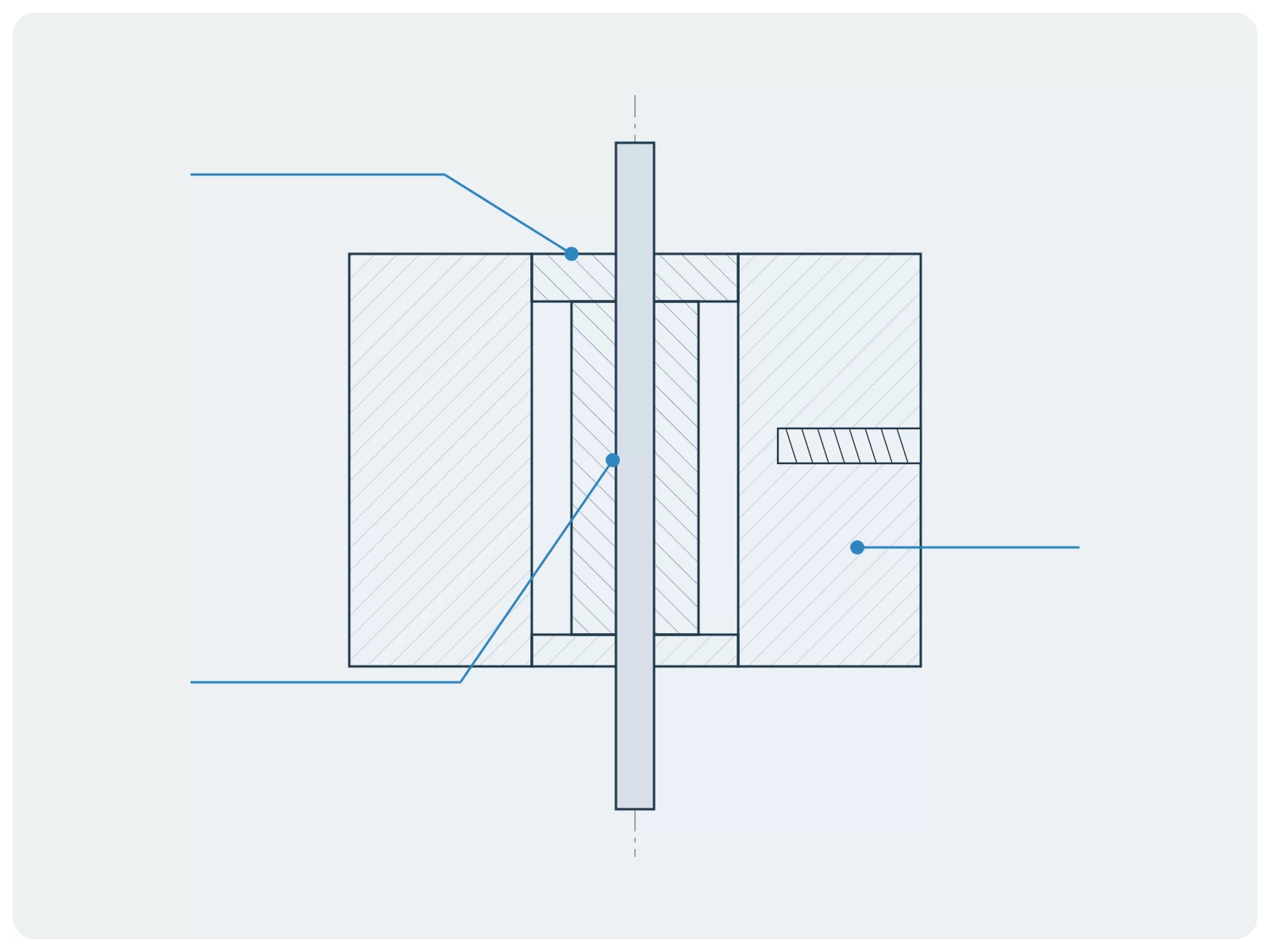
Sealing Faces & Grooves
Flatness, surface finish and groove geometry control contact with the seal. Sharp internal corners and thin lips can concentrate stress. Allow tool access and suitable radii without changing the sealing function.
Bores & Running Clearances
A cold, dry bore measurement does not describe the fit at operating temperature. Thermal expansion, fluid uptake and creep can change the clearance. The mating shaft, alignment and sliding speed also affect wear.
Ports & Threaded Walls
Thin walls around ports and deep threads can distort under clamping or assembly torque. Adequate wall sections and controlled thread engagement reduce concentrated stress. Cross-drilled passages need accessible intersections for burr removal.
process
From Material Grade to Finished Part
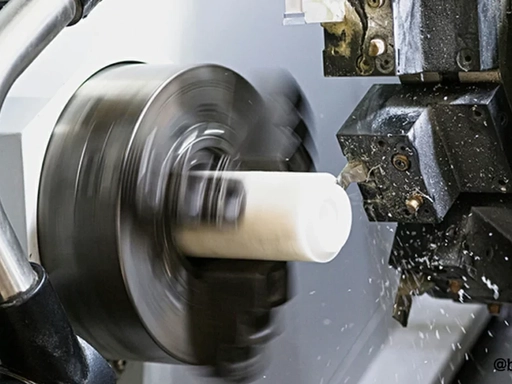
Great Plastics combines engineering-plastic supply with CNC milling and turning. You can source the material and the drawing-defined component together, from development parts to repeat orders.
Grade Identity
The polymer name alone does not define the material. Grade identity, filler system and material documents give your procurement team a defined purchase specification. Material datasheets provide the starting data for grade selection.
Dimensional Evidence
Material identification and dimensional inspection records connect the ordered grade to your specified part features. Define the sealing faces, bores and fits that need recorded results. Dimensional acceptance does not replace chemical testing or assembly validation.
Services
Manufacturing Services for Chemical Products
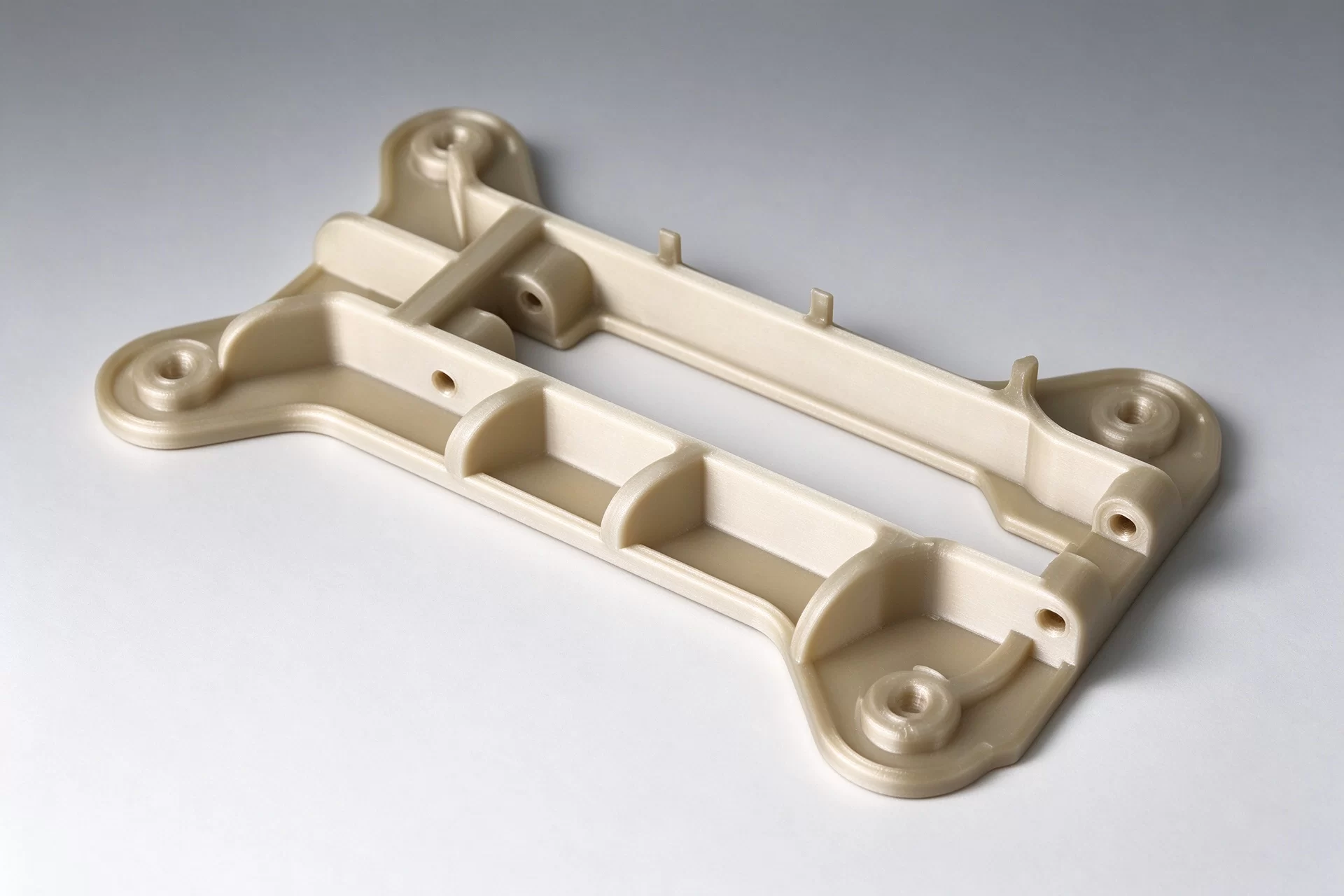
| Leverage the same speed, precision, and reliability in machining that you’re accustomed to at Great plastics but unlock advanced machining capabilities like tighter tolerances and volume pricing through our manufacturing network. Learn more→ |
|
 |
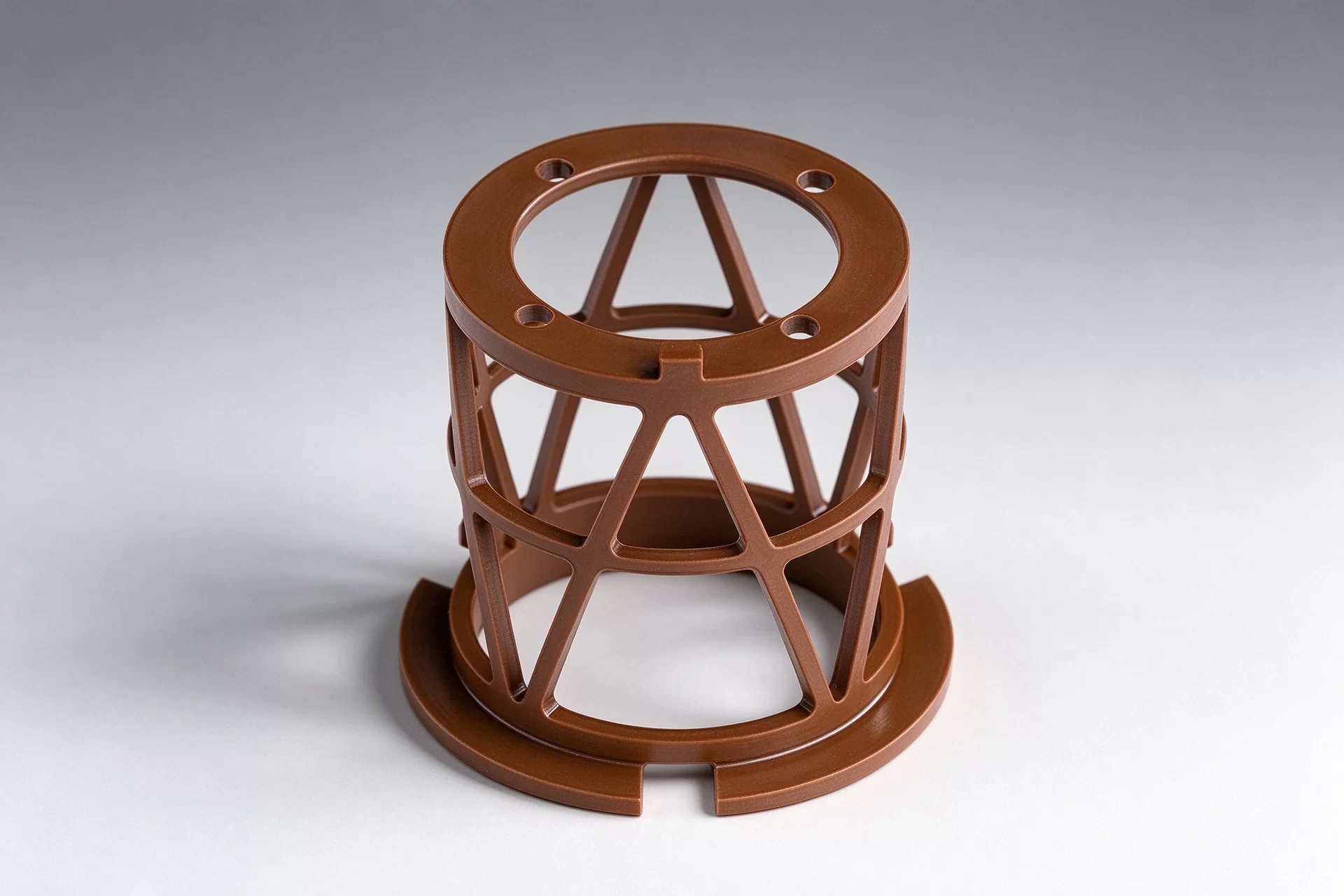
| Get affordable, high-quality molded parts and bridge tooling within days. With our free moldability consultation, the design and molding process is rapidly accelerated to save you time and money. Learn more→ |
|
 |
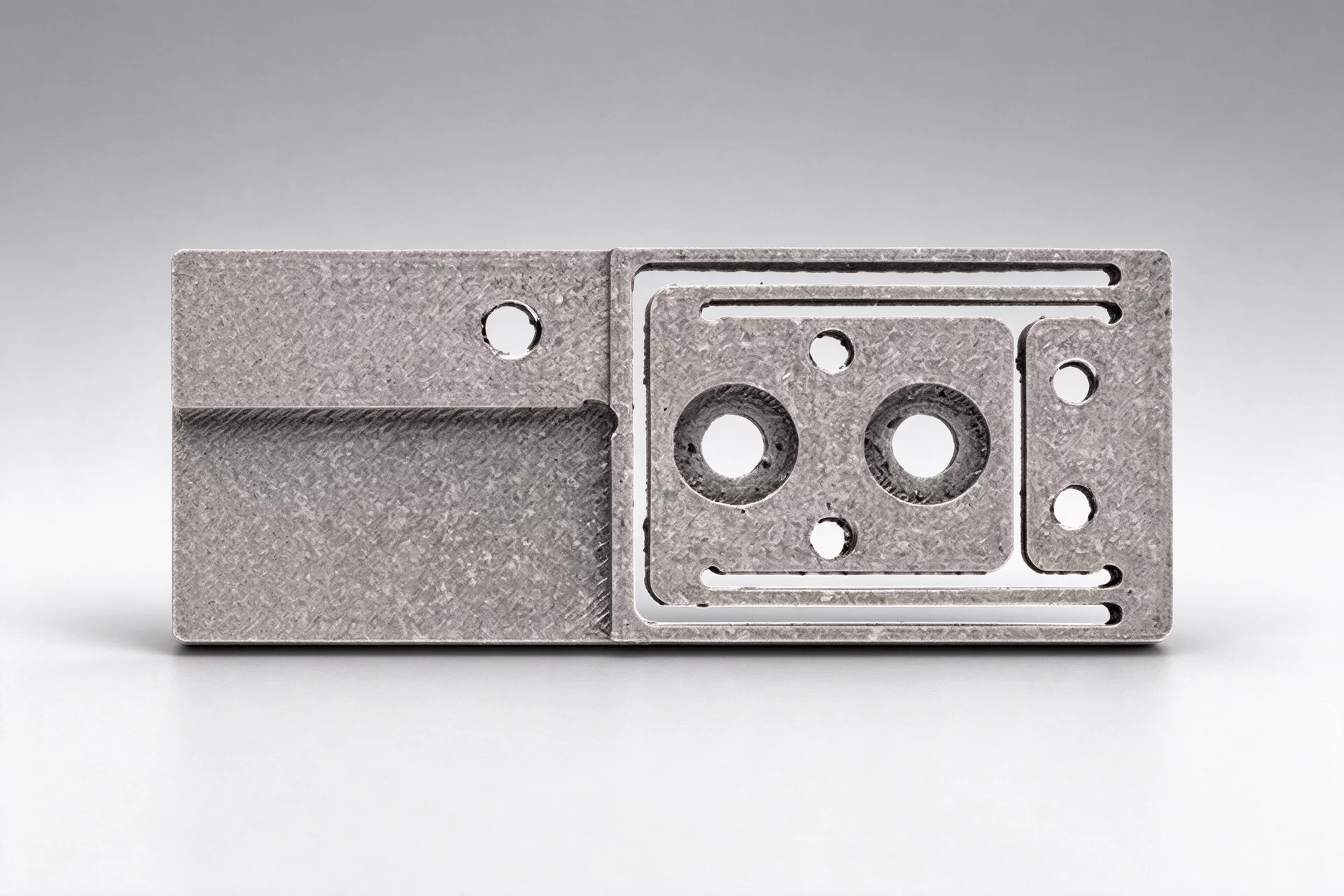
| Want quality parts and additive expertise at a single 3D printing source? Choose from fore different additive manufacturing technologies for cost-effective prototyping and highly precise, repeatable production parts. Learn more→ |
|
 |
