
Rapid plastic manufacturing
Choose the rapid plastic manufacturing route around what the part must prove.
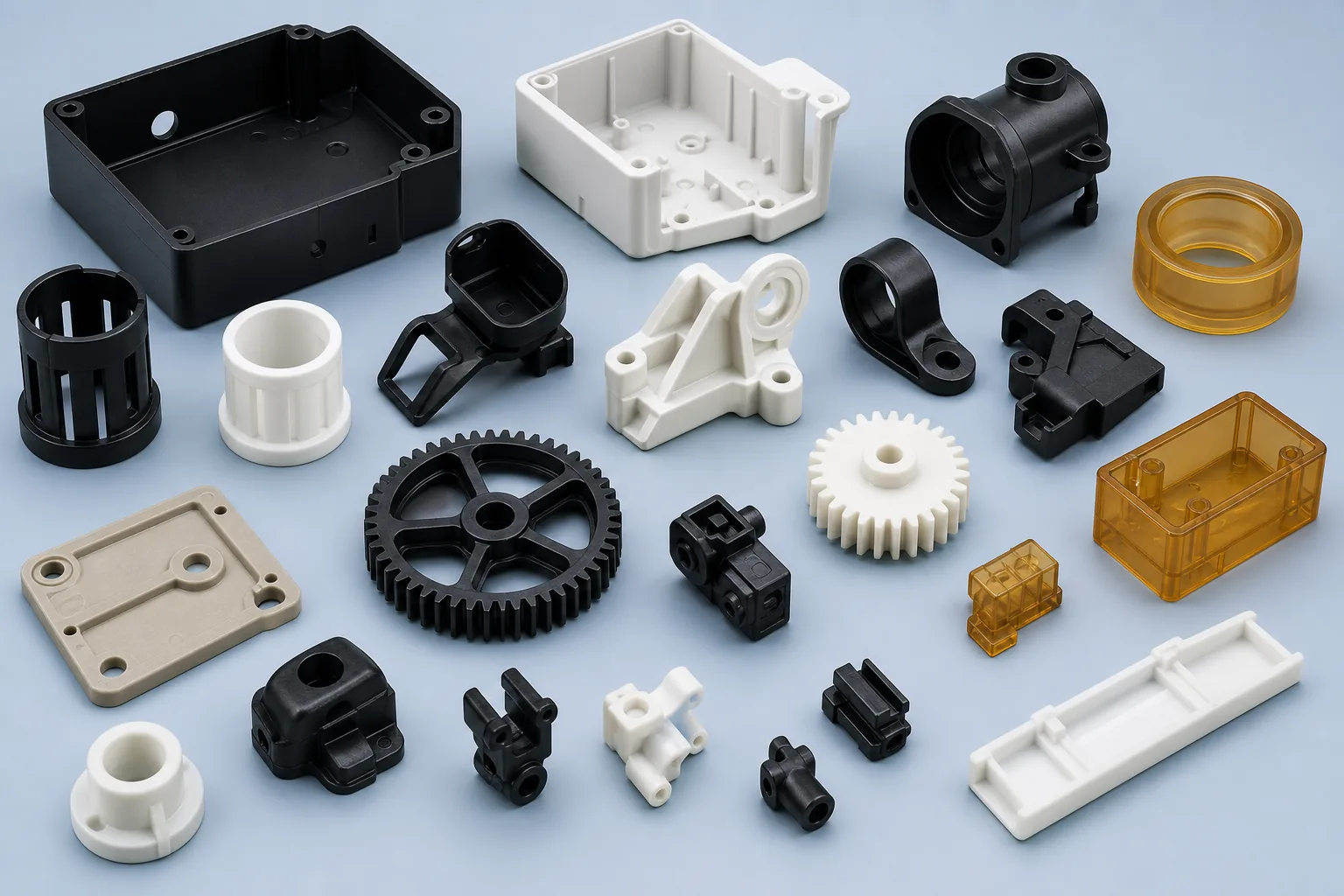
Rapid plastic manufacturing works best when speed is tied to a clear engineering question. Great Plastics reviews prototype purpose, material confidence, quantity, tolerance, process fit and next production step before quoting CNC machining, 3D printing, cutting, molding or a combined route.
Short answer
Fast plastic parts still need a controlled route decision.
A prototype can test fit, function, heat, assembly, customer review or production risk. The right rapid route depends on what must be proven, which material behavior matters, how many parts are needed and whether the next step is another prototype, a machined batch or tooling.
RFQ review points
Start with the prototype job, not the fastest process name.
Concept sample
Use quick geometry to review fit, size, handling and design direction.
Functional prototype
Choose real material behavior when load, wear, heat or chemicals matter.
Validation batch
Review repeatability, tolerance, inspection and packaging before pilot supply.
Bridge production
Use machining, cutting or low-volume molding when the design is close to release.
Production transition
Keep drawing, material and acceptance criteria stable before repeat orders.
Route selection
Match rapid manufacturing to the stage of risk.
| Stage | Route often reviewed | RFQ note |
|---|---|---|
| Concept review | 3D printing or simple cutting | Send model, size, finish expectation and what the sample must show. |
| Functional prototype | CNC machining or engineering plastic printing | Define material, load, heat, chemicals, tolerance and critical features. |
| Low-volume batch | CNC machining, cutting or bridge molding | Clarify quantity, repeat expectation, inspection and packaging. |
| Tooling transition | Injection molding review | Confirm resin, DFM readiness, sample requirements and production volume assumptions. |
Workflow
From RFQ review to the next production decision.
- Send project stage, CAD/drawing and what the part must prove.
- Review material, tolerance, process route, quantity and deadline risk.
- Compare CNC machining, 3D printing, cutting, molding or a combined path.
- Quote the route with assumptions for finish, inspection and next-step decision.
- Use prototype feedback to move toward validation, bridge production or tooling.
RFQ checklist
Send the details that make the quote useful.
- 2D drawing, 3D model or sample photo
- Material name, grade or target performance
- Quantity, project stage and repeat-order expectation
- Critical dimensions, finish, inspection and packaging needs
- Operating temperature, chemicals, load, wear or electrical requirements
FAQ
