GP
Great PlasticsEngineering Materials & Custom Parts
Plastic manufacturing services
Choose the right manufacturing route for custom engineering plastic parts.
Great Plastics helps buyers compare CNC plastic machining, injection molding, 3D printing, custom cutting and rapid manufacturing before RFQ. The right route depends on material, geometry, tolerance, quantity and operating environment.
Injection molding
3D printing and prototypes
Custom cutting and rapid builds
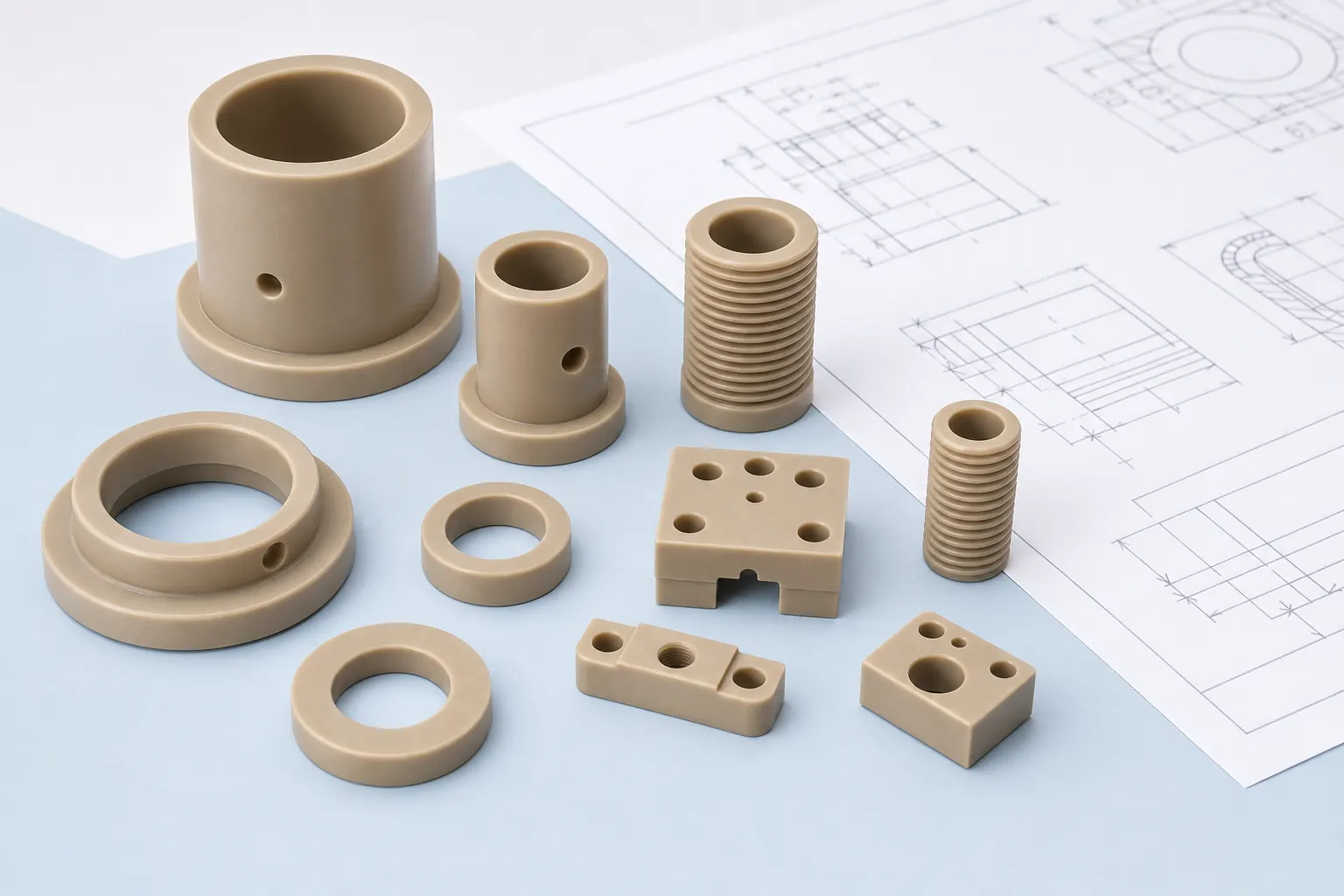
Short answer
Start with the drawing, then choose the service route.
Plastic manufacturing services should not be selected by process name alone. The same part may be a CNC machined prototype, a 3D printed fit-check model, a cut sheet blank, or an injection molded production part depending on tolerance, quantity, material risk and the reason the part is being made.
Service routes
Move from project need to manufacturing path.
CNC plastic machining
Use for tight-tolerance components, prototypes, low-volume parts and replacement parts made from sheet, rod or tube.
Injection molding
Use when repeat demand, geometry and material behavior justify tooling and consistent production runs.
3D printing
Use for fit checks, fixtures, complex prototype geometry and functional trials before committing to machining or tooling.
Custom cutting
Use for sheet blanks, panels, simple profiles, strips, wear pads and prepared material before secondary work.
Rapid manufacturing
Use when the project needs a staged prototype-to-production path with fast material and process decisions.
Design review
Use when tolerances, material movement, wall thickness, press fits or failure risk should be checked before quote.
Service route workbench
Turn an early project into the right manufacturing request.
Fast route triage
Use this structure when a buyer has a drawing, sample or material question but is not sure whether the project should start with machining, printing, cutting or molding.
- Project stage: first prototype, replacement part, fixture, pilot batch or production program.
- Part geometry: flat plate, round part, hollow sleeve, complex 3D shape, thin wall, insert or assembly.
- Performance target: heat, chemical exposure, wear, electrical insulation, impact, moisture or low friction.
- Commercial target: first order quantity, repeat demand, lead time, inspection and documentation needs.
Process choice
Compare common plastic manufacturing service routes.
| Need | Often best route | What to confirm before RFQ |
|---|---|---|
| Precision machined part from engineering plastic | CNC plastic machining from sheet, rod or tube. | Material grade, tolerance, critical features, machining stress, inspection and quantity. |
| Fast fit-check or fixture trial | 3D printing or rapid prototype review. | Model purpose, material approximation, layer direction, finish and functional load. |
| Production part with repeat demand | Injection molding or staged prototype-to-tooling review. | Quantity, tooling budget, resin, shrinkage, draft, wall thickness and validation needs. |
| Flat blanks, panels or simple shapes | Custom cutting from sheet or plate stock. | Thickness, cut tolerance, edge finish, flatness and downstream machining. |
| Uncertain material or failed previous part | Design and material selection review before quoting. | Failure mode, environment, mating parts, load, wear, heat and chemical exposure. |
Route decision table
Use quantity, tolerance and design maturity to narrow the service path.
| Decision factor | CNC plastic machining | 3D printing | Injection molding | Custom cutting |
|---|---|---|---|---|
| Best early use | Precision prototypes, replacement parts and low-volume components. | Fit checks, fixture concepts and complex prototype geometry. | Production-intent parts after design and demand are stable. | Panels, strips, blanks, wear pads and simple profiles. |
| Quantity fit | One piece to recurring batches. | One-off to small batches where printed properties are acceptable. | Repeat demand where tooling cost can be justified. | Small to large cut blanks, depending on stock availability. |
| Tolerance fit | Strong for bores, flats, sealing faces and controlled features. | Moderate; depends on process, orientation and post-processing. | Strong after tooling validation, but requires design-for-molding control. | Good for cut profile and blank dimensions, less for complex features. |
| Material confidence | High when machining from known stock shapes. | Useful for learning, but layer direction and print parameters matter. | High after resin, mold and process are validated. | High when the final part is close to sheet, rod or tube stock. |
| Cost risk | Driven by material removal, tolerance, setup and inspection. | Driven by print time, support, material and post-processing. | Driven by tooling, resin, cycle time and validation. | Driven by stock yield, cut method, edge finish and handling. |
Manufacturing feasibility
Questions that prevent weak quotes and wrong processes.
| Question | Why it matters | Buyer action |
|---|---|---|
| Is the material already chosen? | PEEK, PPS, POM, Nylon, PTFE, PEI and PI behave differently during cutting, machining, printing and molding. | Send target material or describe performance requirements. |
| Which dimensions are critical? | Not every dimension needs tight tolerance; over-tolerancing increases cost and risk. | Mark critical fits, bores, sealing faces and mating surfaces. |
| What quantity is expected? | Prototype, bridge and production quantities point to different routes. | State first order, annual demand and design maturity. |
| Will the part see heat, chemicals or wear? | Environment can change both material selection and manufacturing method. | Share continuous/peak temperature, chemical exposure, load and motion. |
| What documentation is required? | Inspection reports, certificates and traceability should be scoped before quote. | List required documents, not optional nice-to-haves. |
Project path
A practical route from idea or drawing to production.
Drawing and environment review
Confirm material target, service conditions, geometry risks, critical dimensions and project quantity.
Prototype or process selection
Choose CNC, 3D printing, cutting or molding based on what the part must prove.
Quote and production planning
Align tolerance, inspection, finish, documentation, packaging and lead time before release.
Application matrix
Common service requests and review points.
| Request type | Typical parts | Review focus |
|---|---|---|
| Replacement plastic component | Bushings, rollers, spacers, seal rings, wear pads and guides. | Failure mode, sample condition, mating part, material substitution and tolerance. |
| OEM custom plastic part | Housings, brackets, precision plates, insulators, fixtures and production details. | Drawing maturity, volume, material, tolerance, surface and inspection. |
| Prototype or design validation | 3D printed models, machined prototypes, test fixtures and bridge parts. | What the prototype must prove and when to change route. |
| Chemical or heat service | Valve parts, pump parts, manifolds, liners, carriers and isolators. | Material compatibility, temperature, load, sealing surfaces and documentation. |
| Production transition | Repeat machined batches, molded candidates and staged manufacturing programs. | Annual demand, tooling risk, QA expectations and lead time. |
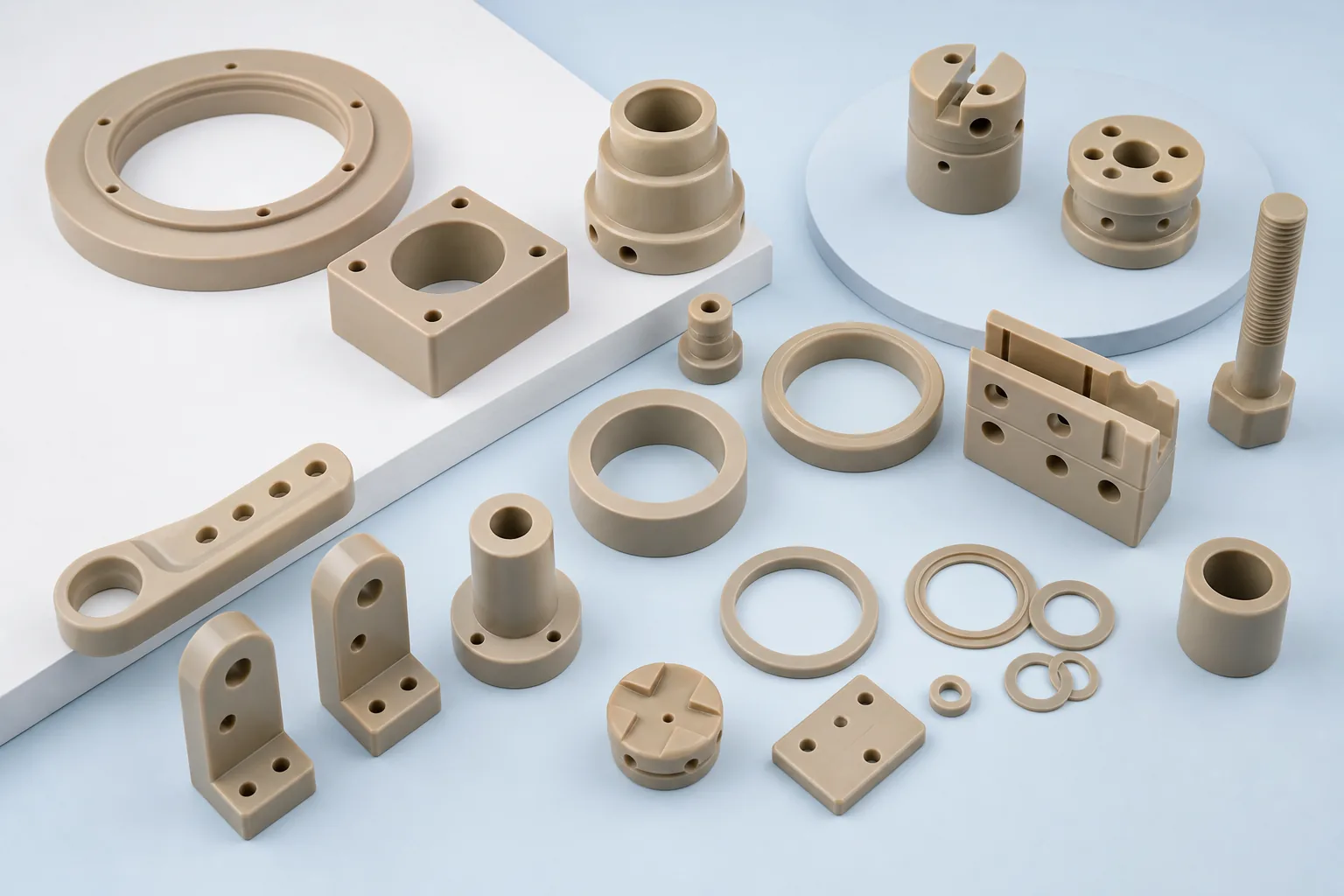
RFQ readiness
Send enough context to choose the route, not just the price.
A drawing alone may not show why a plastic part failed, what environment it sees, or whether the buyer needs a prototype, replacement component or production program. Better context leads to a more useful manufacturing recommendation.
- Send 2D drawings, 3D models, samples or photos when available.
- State material preference or describe heat, chemical, load, wear and electrical needs.
- Mark critical tolerances, mating surfaces, sealing faces and cosmetic surfaces.
- List quantity, target lead time, inspection and documentation requirements.
Related pages
Continue into the right service page.
FAQ
Questions buyers ask before choosing plastic manufacturing services.
What plastic manufacturing services does Great Plastics help review?
Great Plastics helps buyers review CNC plastic machining, injection molding, 3D printing, custom cutting, rapid manufacturing and design-for-manufacturing questions for engineering plastic parts.
How do I choose between CNC machining, 3D printing and injection molding?
Use CNC machining for precision parts, prototypes and low-to-medium volumes; 3D printing for fast iteration, fixtures and complex prototype geometry; and injection molding when repeat demand and tooling investment are justified.
Can plastic manufacturing services be quoted from a drawing?
A 2D drawing or 3D model helps review material, process route, tolerance, inspection, documentation and lead time before quoting.
What should I send for a plastic manufacturing RFQ?
Send a drawing or 3D model, material or performance target, quantity, critical tolerances, operating environment, finish, inspection needs, documentation needs and target lead time.
When should I request design review before quoting?
Request design review when the part has tight tolerances, thin walls, sharp corners, press fits, sealing surfaces, high temperature, chemical exposure, wear, high volume or uncertain material requirements.
Manufacturing RFQ
Need help choosing the route before pricing?
Send the drawing, model, material target, quantity and operating environment. Great Plastics can review whether CNC machining, 3D printing, cutting, molding or staged manufacturing is the better starting point.