GP
Great PlasticsEngineering Materials & Custom Parts
Rapid plastic manufacturing
Move prototype plastic parts toward usable production without choosing the wrong process too early.
Great Plastics helps buyers review rapid plastic manufacturing routes for prototypes, validation batches and low-volume engineering plastic parts before locking material, tolerance, tooling or production quantity.
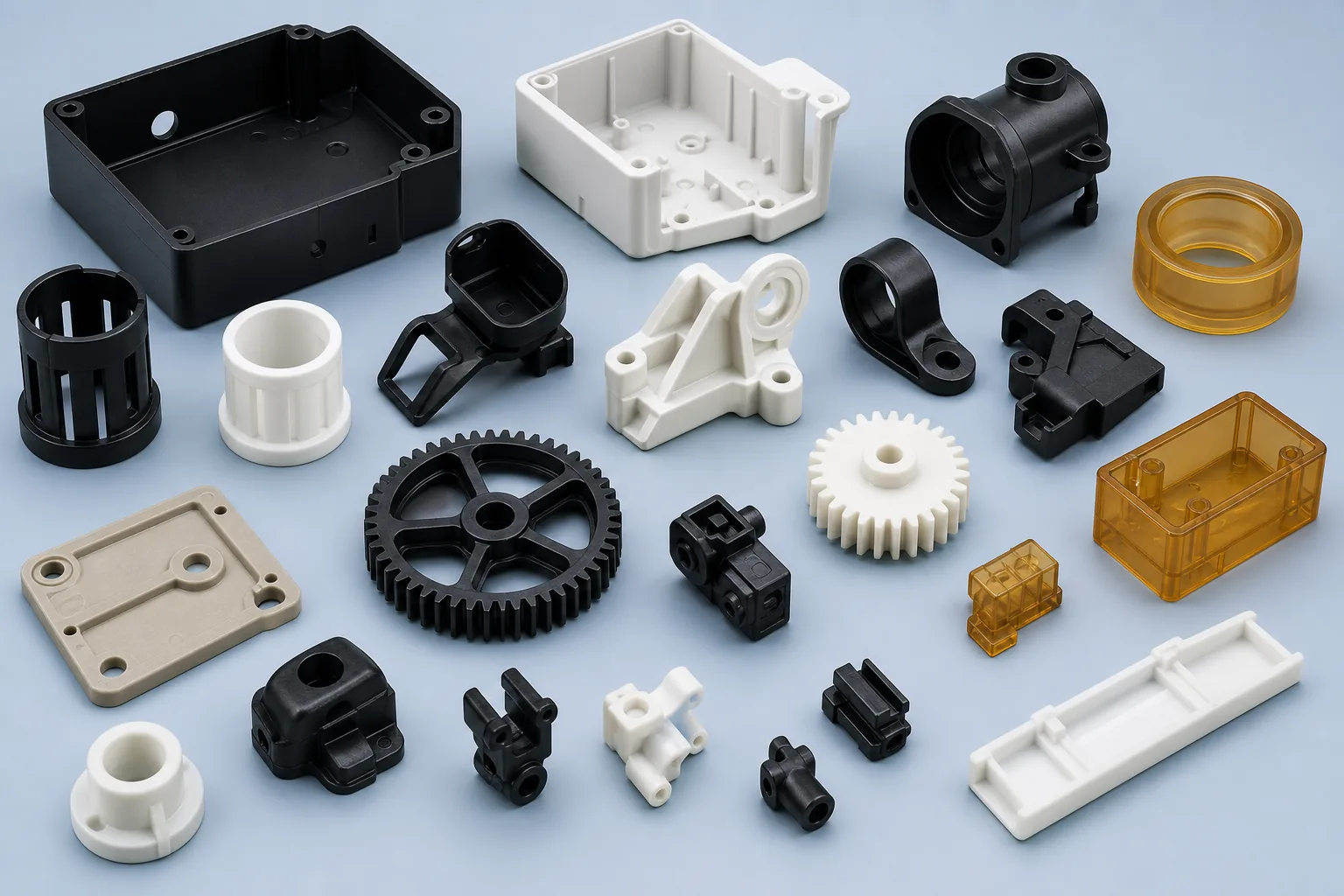
Short answer
Rapid manufacturing is not one process. It is a staged decision from prototype to production.
For plastic parts, speed only helps when the part still answers the right question: fit, function, material behavior, assembly, inspection or production readiness. A fast 3D printed model, a machined PEEK part, a cut blank and a molded sample can all be correct, but only when the route matches the stage of the project.
Route selection
Choose the fast route by what the prototype must prove.
| Project goal | Practical route | Why it fits | Risk to review |
|---|---|---|---|
| Shape and fit check | 3D printing or simple machining | Fast feedback before final material and tolerance decisions. | Printed material may not behave like final stock or molded resin. |
| Functional plastic prototype | CNC machining from selected stock shapes | Uses real engineering plastic material for mechanical and environmental testing. | Tool access, stress, flatness, burrs and tight tolerance expectations. |
| Panel, blank or simple fixture | Custom cutting plus secondary machining if needed | Reduces time and material waste when a stock shape is enough. | Cut blanks should not be treated like precision-machined parts. |
| Bridge batch or pilot run | Repeat CNC machining, rapid tooling or low-volume molding review | Supports market testing or engineering validation before full production tooling. | Unit cost, lead time and revision risk must be balanced. |
| Production transition | Injection molding after design and resin validation | Can reduce unit cost when volume and tooling risk are justified. | Tooling makes late geometry changes expensive. |
Rapid project checkpoints
Six decisions that prevent fast parts from becoming expensive rework.
Revision stage
State whether the model is concept, fit-check, functional test, pilot release or production-intent. Each stage deserves a different cost and tolerance plan.
Material confidence
Decide whether the part must use final material now or whether a substitute can answer the current engineering question faster.
Critical features
Mark mating faces, bearing fits, sealing areas, fastener locations and inspection dimensions so speed does not erase function.
Quantity range
One sample, ten validation parts, fifty pilot parts and a thousand production parts can point to different routes.
Documentation needs
Material documents, dimensional reports, traceability or regulatory files should be discussed before the route is chosen.
Next process
Plan whether the prototype is a dead-end sample or a step toward CNC production, custom cutting, rapid tooling or molding.
Rapid RFQ workbench
Define what the fast part must prove before choosing the route.
Fast route review inputs
A rapid manufacturing project moves faster when the supplier knows the purpose of the part, not just the geometry. Use these inputs to decide whether the next sample should be printed, machined, cut from stock or prepared for molding review.
- Test goal: shape, assembly, functional load, material behavior, appearance, inspection or production demand.
- Project stage: concept sample, functional prototype, validation batch, bridge production or production transition.
- Material target: final resin, substitute test material, engineering plastic stock shape or open material selection.
- Schedule risk: fixed deadline, open lead time, urgent replacement, pilot launch or repeated demand forecast.
Stage gate
Match the rapid part to the decision it must support.
| Stage | What to optimize | Good rapid route | Do not over-specify |
|---|---|---|---|
| Concept sample | Shape, handling, envelope and assembly conversation. | 3D printing or simple machined substitute material. | Final resin, final finish or production tolerance. |
| Functional prototype | Load, wear, heat, chemical exposure and fit-critical surfaces. | CNC machining from selected engineering plastic stock. | Cosmetic perfection on hidden faces. |
| Validation batch | Repeatability, assembly feedback, test sample count and revision control. | Repeat machining, cut blanks with secondary features or controlled printing. | Tooling commitment before test feedback. |
| Bridge production | Lead time, cost per part, inspection scope and stable material supply. | CNC production, low-volume molding review or hybrid stock-shape route. | Changing drawings after every small batch. |
| Production transition | Tooling risk, resin selection, expected annual volume and quality documents. | Injection molding after design, material and demand are stable. | Using prototype geometry as final tooling data without DFM review. |
Material path
Rapid manufacturing still depends on material behavior.
| Material direction | Useful in rapid manufacturing when | Review before release |
|---|---|---|
| POM / acetal | Precision prototypes, spacers, rollers, guides and low-friction mechanical parts need stable machining. | Chemical exposure, temperature, wear surface and grade requirements. |
| Nylon | Tough, wear-resistant prototypes or fixtures need impact and abrasion resistance. | Moisture, swelling, tight fits and dimensional change over time. |
| PEEK, PPS and PEI | High-temperature, chemical, electrical or high-performance applications need realistic material validation. | Stock form, cost, machining stress, documentation and whether a lower-risk prototype material can be used first. |
| PTFE and fluoropolymers | Chemical exposure, low friction or sealing tests are the priority. | Creep, softness, compression, thin sections and tolerance drift. |
| PC, ABS, ASA and acrylic | Covers, housings, guards, appearance samples or moderate-duty parts need quick iteration. | Impact, heat, UV, optical finish, cracking and cosmetic expectations. |
Prototype to production
A simple path for moving fast without losing control.
Clarify the test
Define whether the part must prove shape, assembly, material behavior, load, appearance, inspection or production demand.
Select the route
Compare CNC machining, 3D printing, custom cutting and molding before quote so the fastest route is still useful.
Build the RFQ package
Send model, drawing, material target, quantity, tolerance, environment, finish, inspection and lead-time goals.
Plan the next batch
Use prototype results to decide whether to revise geometry, repeat machining, cut blanks, print again or move toward molding.
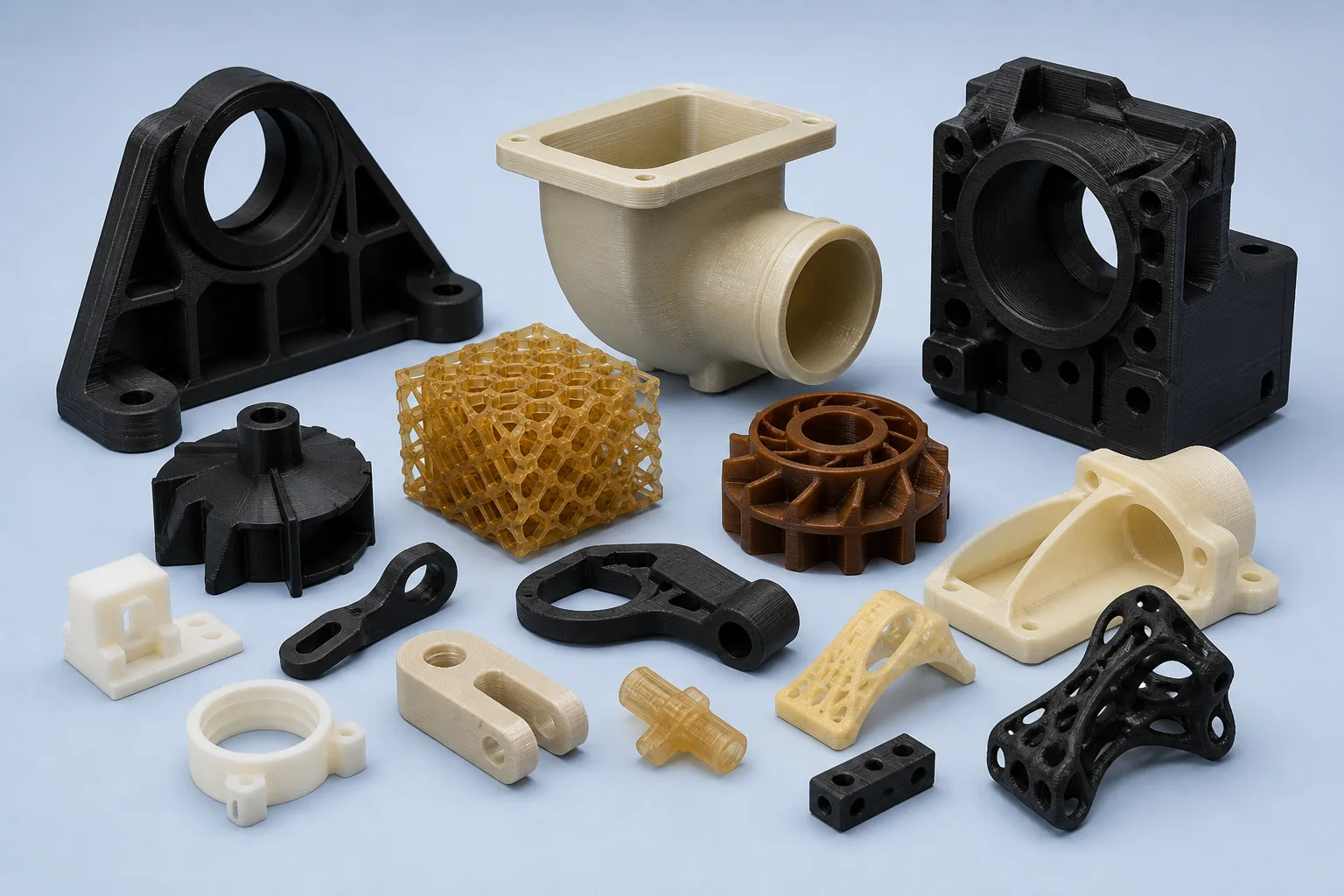
Manufacturing review
Fast parts still need a clear drawing and material story.
A rapid manufacturing quote improves when the supplier can see which requirements are fixed and which can be adjusted to save time. The drawing should separate functional features from general geometry and identify the project stage.
- Mark critical features, mating faces, inserts, threads, sealing areas and cosmetic faces.
- State whether the prototype should represent final material, final geometry or final production process.
- Share application environment: heat, chemicals, load, wear, cleaning, moisture and electrical needs.
- Tell us whether the next step is validation, pilot run, bridge production or injection molding review.
Application matrix
Common rapid plastic manufacturing projects.
| Project type | Typical route | Review before quote |
|---|---|---|
| Automotive and mobility prototypes | CNC machined engineering plastics, printed fit-check parts or low-volume molded samples. | Heat, vibration, clips, fasteners, cosmetic zones and production transition. |
| Machine fixtures and production aids | Cut sheet/plate, CNC machining or printed trial fixtures. | Wear surfaces, replacement interval, fasteners, datum features and cleaning. |
| Medical, lab or electronics parts | Machined PEEK, PEI, PPS, PC or selected nylon/fluoropolymer grades. | Documentation, cleaning, temperature, electrical needs and tolerance stability. |
| Home appliance and enclosure parts | Printed appearance samples, machined prototypes or molding review after validation. | Surface finish, snap features, bosses, heat exposure and color expectations. |
| Replacement or obsolete plastic parts | CNC machining or custom cutting from available sheet, rod, tube or plate. | Original material uncertainty, fit-critical features and revised drawing assumptions. |
RFQ checklist
Send the details that make rapid manufacturing realistic.
| RFQ input | Why it matters |
|---|---|
| 3D model and 2D drawing | The model defines geometry; the drawing defines critical features, tolerance and notes. |
| Prototype purpose | Fit check, function test, material validation and pilot production require different routes. |
| Material or performance target | The fastest material is not always the right material for heat, chemicals, load or wear. |
| Quantity and future volume | Short-run machining, bridge production and molding planning depend on likely demand. |
| Critical tolerance and finish | Only features that control function should slow down a rapid project. |
| Inspection and documentation | Dimensional reports, material documents or traceability should be confirmed before release. |
Related pages
Choose the next manufacturing route.
FAQ
Questions buyers ask before rapid plastic manufacturing.
What is rapid plastic manufacturing?
It is a project route for producing prototype, validation or low-volume plastic parts faster than conventional production planning, often by comparing CNC machining, 3D printing, cut stock, rapid tooling or molding.
Which process is best for prototype plastic parts?
The best process depends on geometry, material behavior, tolerance, quantity and test purpose. CNC machining often fits functional parts, 3D printing fits fast shape validation, and molding fits repeat production after validation.
Can rapid manufacturing use engineering plastics like PEEK or PEI?
Yes, but availability, stock form, tolerance, heat and documentation needs should be defined before release. Sometimes a lower-risk prototype material is useful before moving to PEEK, PEI or PPS.
When should a rapid prototype move to injection molding?
Move toward molding when geometry is stable, resin is selected, demand is repeated and tooling cost is justified by the expected production volume.
How can I reduce lead time for prototype plastic parts?
Send clean files, define the purpose of the prototype, limit tight tolerances to critical features, allow material alternatives where possible and state the required date clearly.
What should be included in a rapid plastic manufacturing RFQ?
Send a drawing or 3D model, material or performance target, quantity, revision stage, tolerance, finish needs, operating environment, inspection needs and target lead time.
Prototype to production review
Send your rapid plastic manufacturing project before choosing the final route.
Share the drawing, model, material target, project stage, quantity, tolerance, environment and lead-time goal. Great Plastics will review whether machining, printing, cutting or molding is the stronger next step.