
Engineering Plastic Filaments for Functional 3D Printing
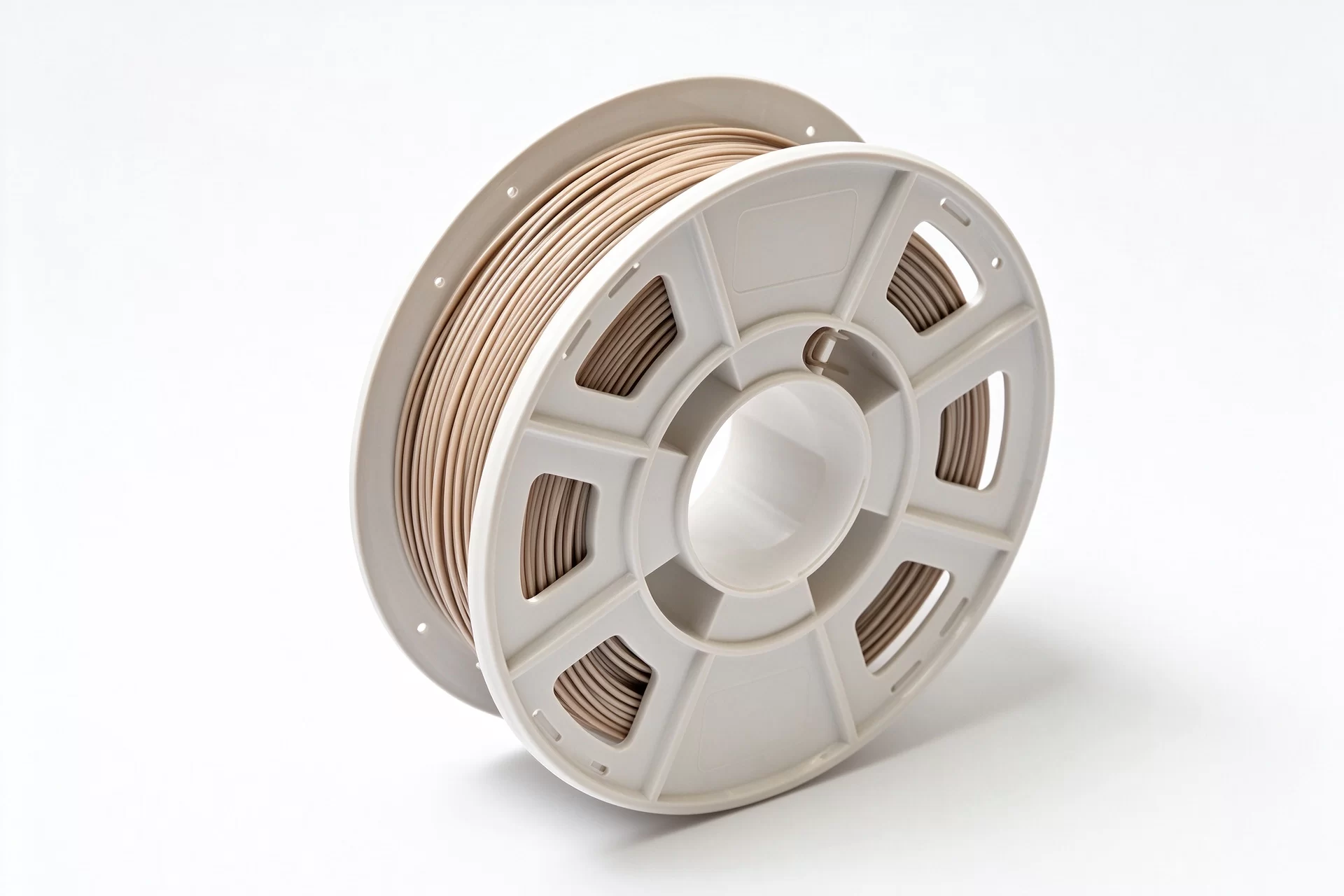
Great Plastics supports sourcing of PEEK, PPS, PI, PAI and PEI filaments for industrial 3D printing. Share your target grade, nominal diameter, tolerance and quantity. We will review the sourcing options and confirm the available specification, packaging, documentation and lead time before quoting.
Not sure which material or grade fits your printer and application? Share your processing conditions and part requirements for a material suitability review.
5
High-performance filament materials
1.75 / 2.85
Standard nominal diameters (mm)
±0.05
Tolerance (mm)
RFQ
Grade, diameter & supply confirmed per request
Selection path
Choose your enquiry route
Filament purchasing and finished-part enquiries are reviewed separately. Pick the route that matches what you need to supply, select or produce.
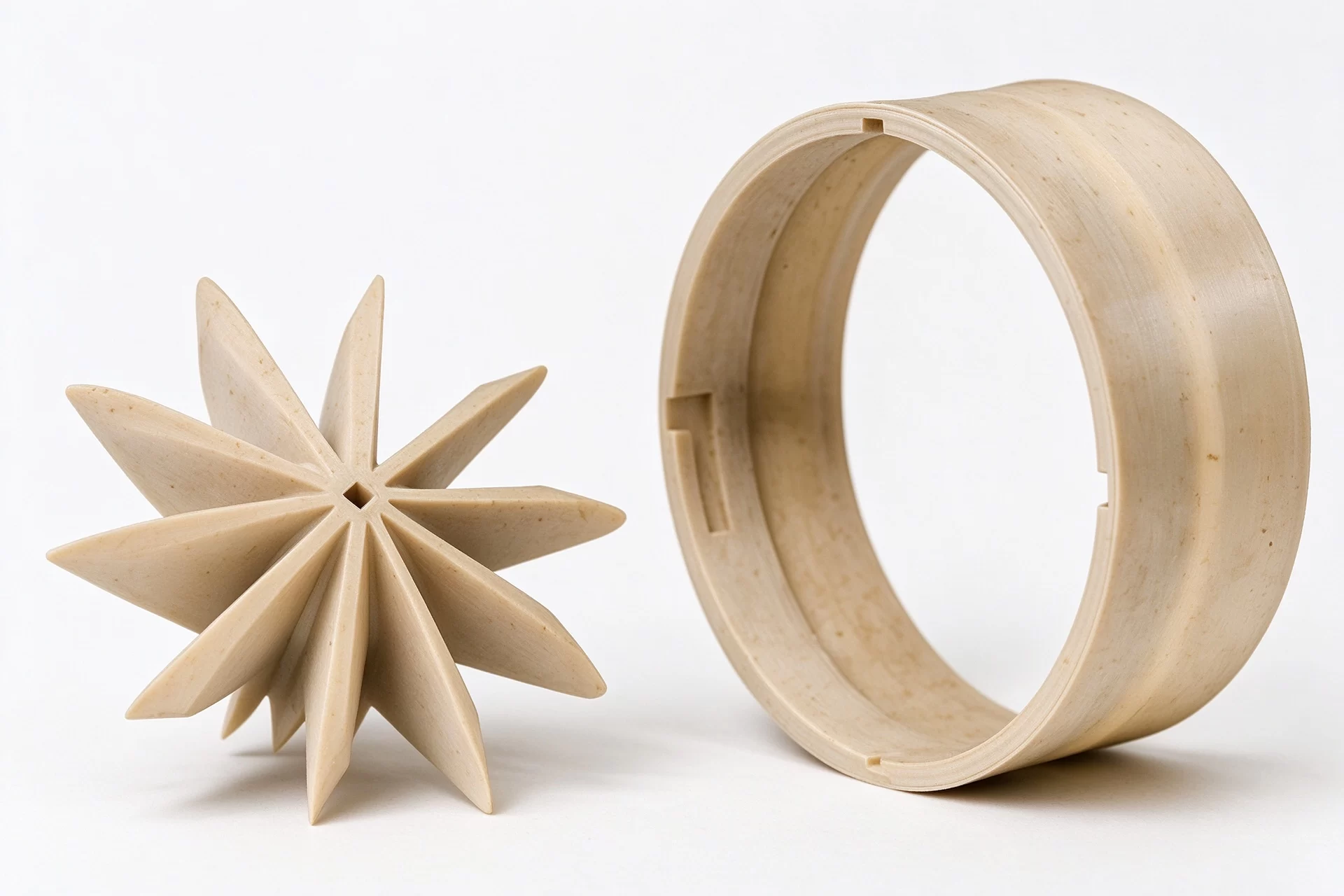
Material selection
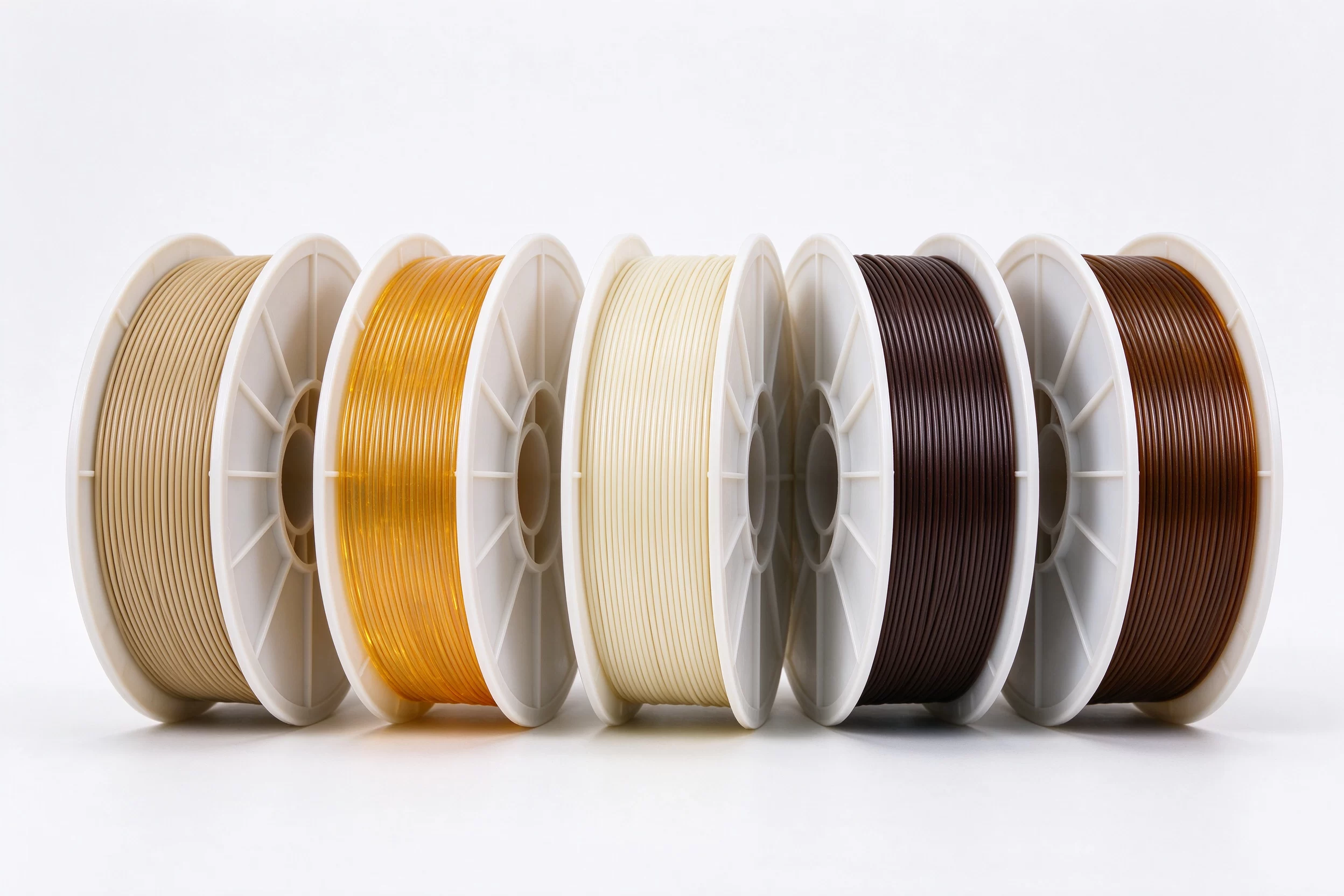
Five high-performance filaments
We source these five material families only. Review each filament and link to its material page for grade guidance before you ask for a quote.
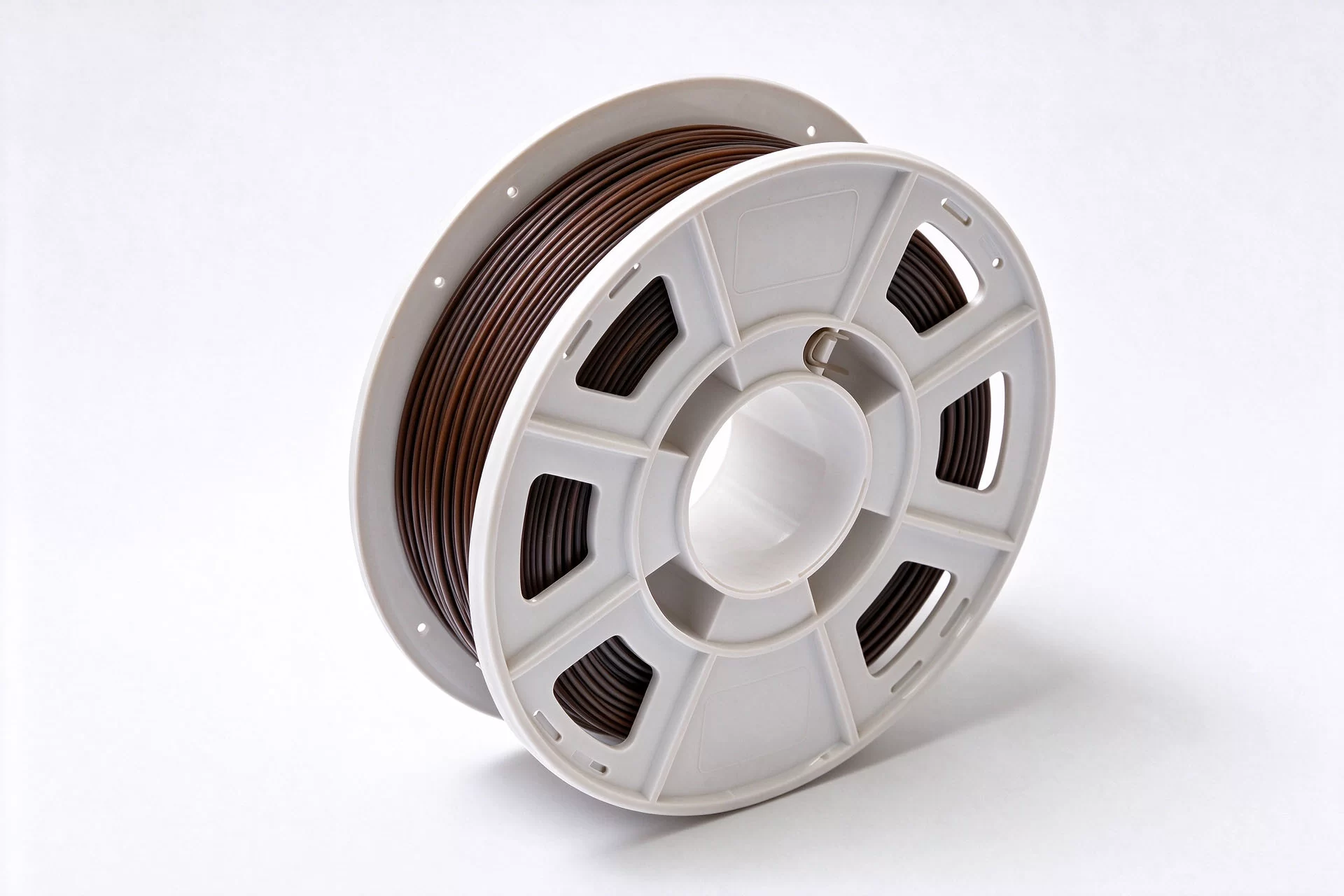
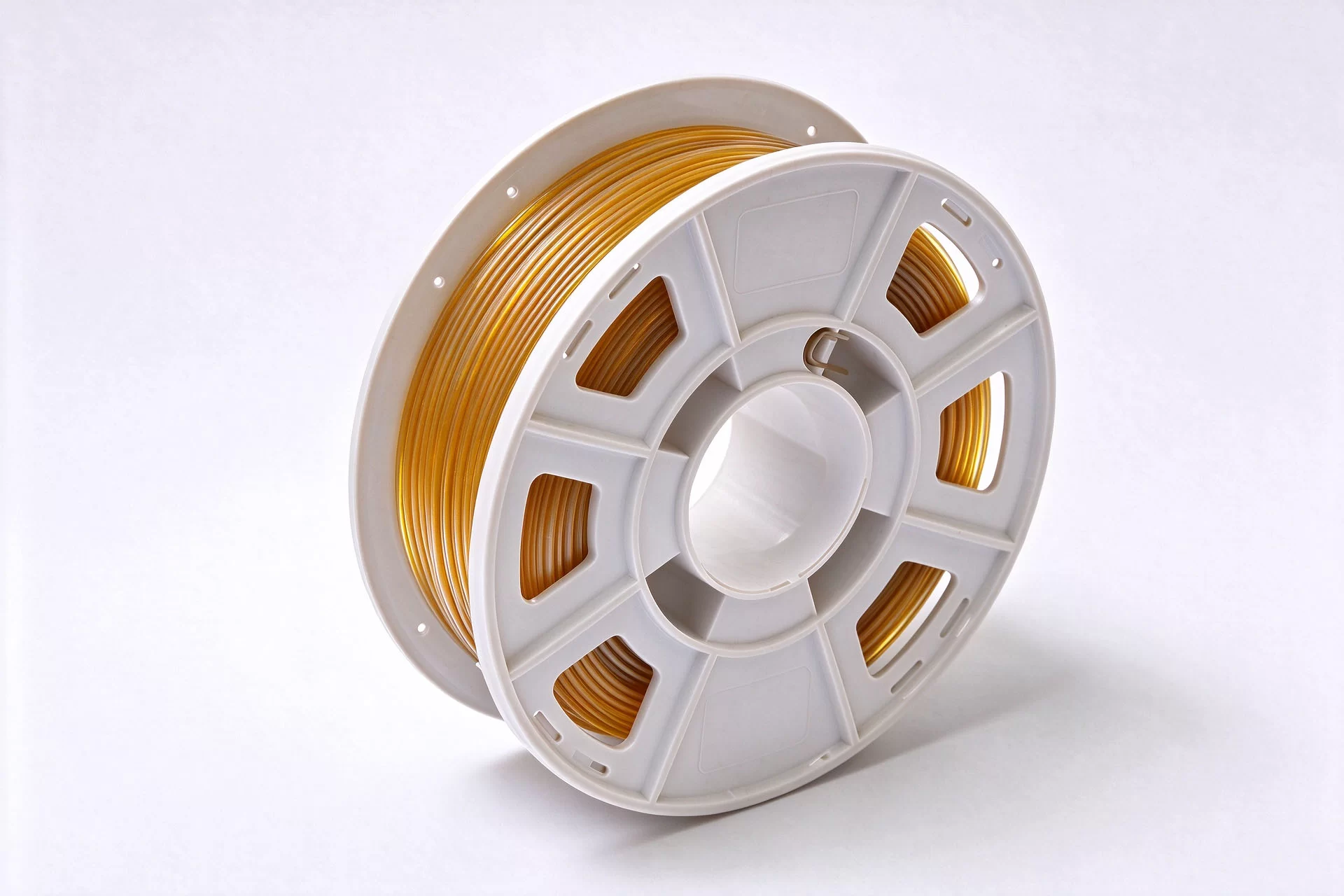
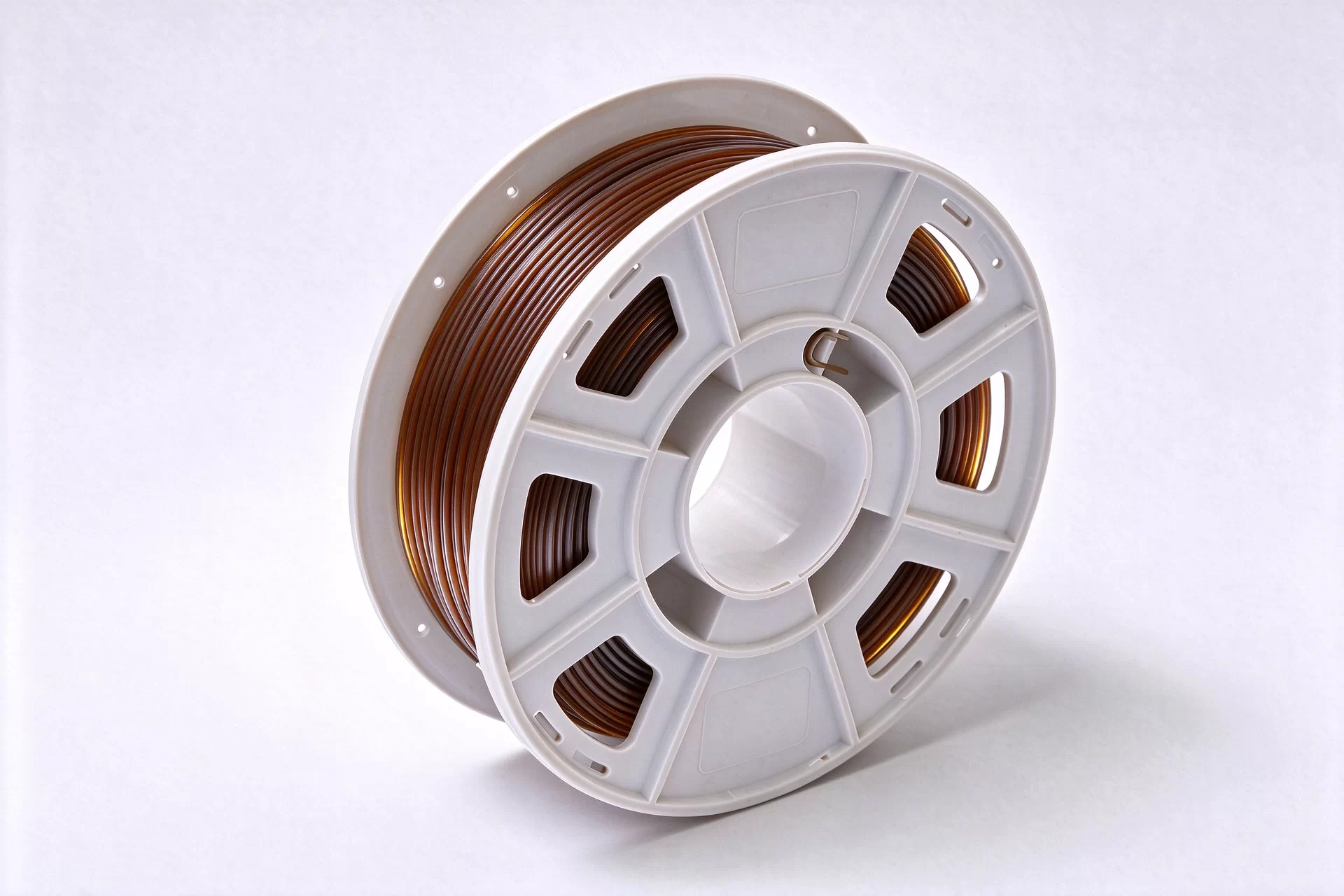
Engineering Plastic Filament Specifications
Reference filament specifications
Reference values below are drawn from documented high-performance filament ranges. Grade, diameter, tolerance and supply are confirmed against the requested configuration at RFQ.
| Material | Grade / formulation | Nominal diameter | Diameter tolerance | Colour / formulation | Spool / net weight | Sourcing status |
|---|---|---|---|---|---|---|
| PEEK | Unfilled; carbon-fiber / glass-fiber / wear-filled available | 1.75 & 2.85 mm | Typ. ±0.05 mm (confirm per grade) |
Natural / black | 500-1000 g spool | Available to source — confirm grade · |
| PPS | Unfilled; carbon-fiber-filled available | 1.75 & 2.85 mm | Typ. ±0.05 mm (confirm per grade) |
Black / natural | 500-1000 g spool | Available to source — confirm grade |
| PI | Printable polyimide (unfilled) | 1.75 mm typical | Custom — on request | On request | ~750 g spool | Custom sourcing review |
| PAI | Polyamide-imide (custom filament) | Custom (1.75 / 2.85 mm) | Custom — on request | On request | Custom spool | Custom sourcing review |
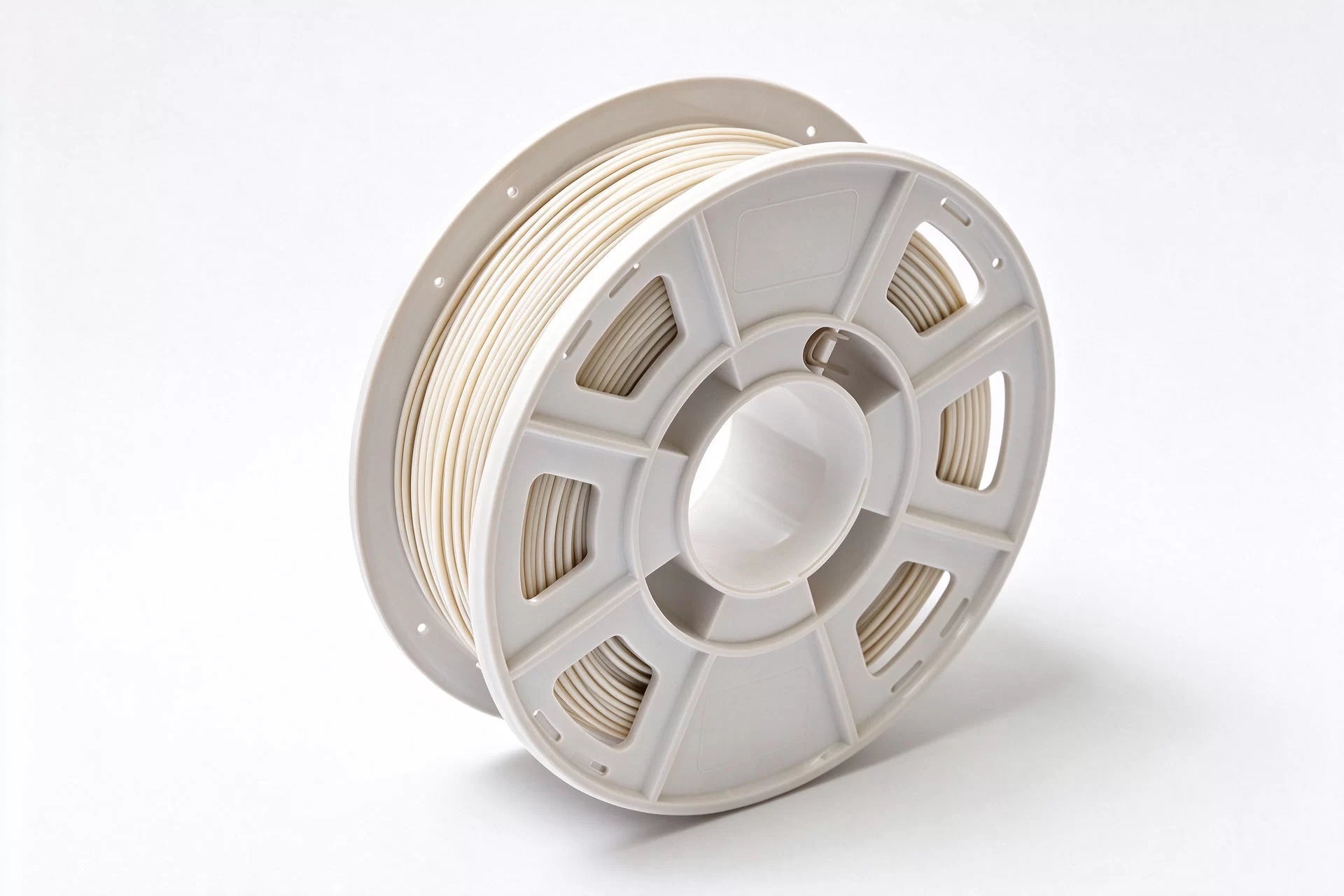
| PEI | Unfilled polyetherimide | 1.75 & 2.85 mm | Typ. ±0.05 mm (confirm per grade) |
Natural / translucent amber | 500-1000 g spool | Available to source — confirm grade |
From Drawing to Delivery
From specification to confirmed order
Send us the drawing or the key dimensions, and we will work out the right material, the right starting stock and a price — usually within one business day.
Before We Quote, We Confirm
What you can verify before ordering
These are the concrete confirmations we work through with you, the deliverables that let you purchase with the specificatio n agreed.
What to Confirm Before Ordering
Match filament material to application and sourcing risk
Use this matrix to frame your requirements before an RFQ. The right filament depends on the operating environment and the printer that will run it.
| Material | What to confirm before ordering | Sourcing route |
|---|---|---|
| PEEK | Grade and fill; printer temperature and chamber capability; diameter and tolerance; supply and lead time | Standard sourcing — confirm grade |
| PPS | Resin/fill form; print temperature; nozzle wear; target specifications; supply and lead time | Standard sourcing — confirm grade |
| PI | Printable grade availability; processing route; printer temperature ceiling; lead time | Custom sourcing review |
| PAI | Filament availability; printing and annealing conditions; lead time | Custom sourcing review |
| PEI | Grade; chamber temperature; drying; bed adhesion; target performance | Standard sourcing — confirm grade |
Still comparing PEEK, PPS, PI, PAI and PEI for a specific application? Review material selection
Supply and machining routes
Choose the right route for your part
The best route depends on part geometry, quantity, tolerance and application. We review the options before quoting rather than defaulting to one process.
Quality & Inspection
Dimensional Inspection For 3D Printing Filaments
Inspection scope is agreed per order. Confirm the items below when you request a quote. Routine checks are part of standard supply; drawing-defined and documented inspections are confirmed per order and are not automatically included in every batch.
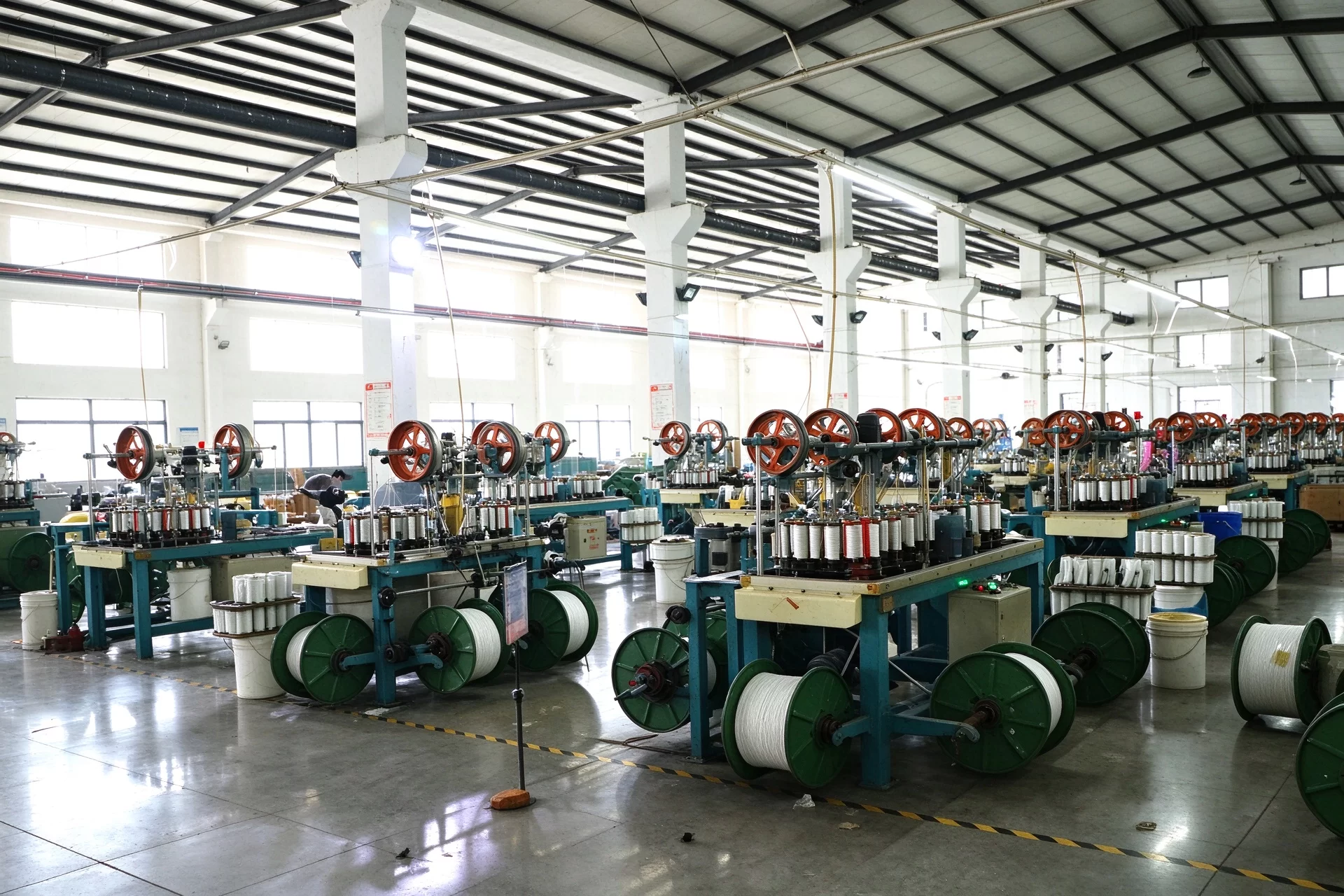
Orders leave us bundled, with the ends protected, on pallets and stretch-wrapped, ready for sea or air freight.
Buyer questions
