About Great Plastics

About Great Plastics

Great Plastics supports engineering plastic material sourcing, stock shapes and custom plastic parts for buyers who need clear material options, practical manufacturing routes and a quote-ready project handoff.

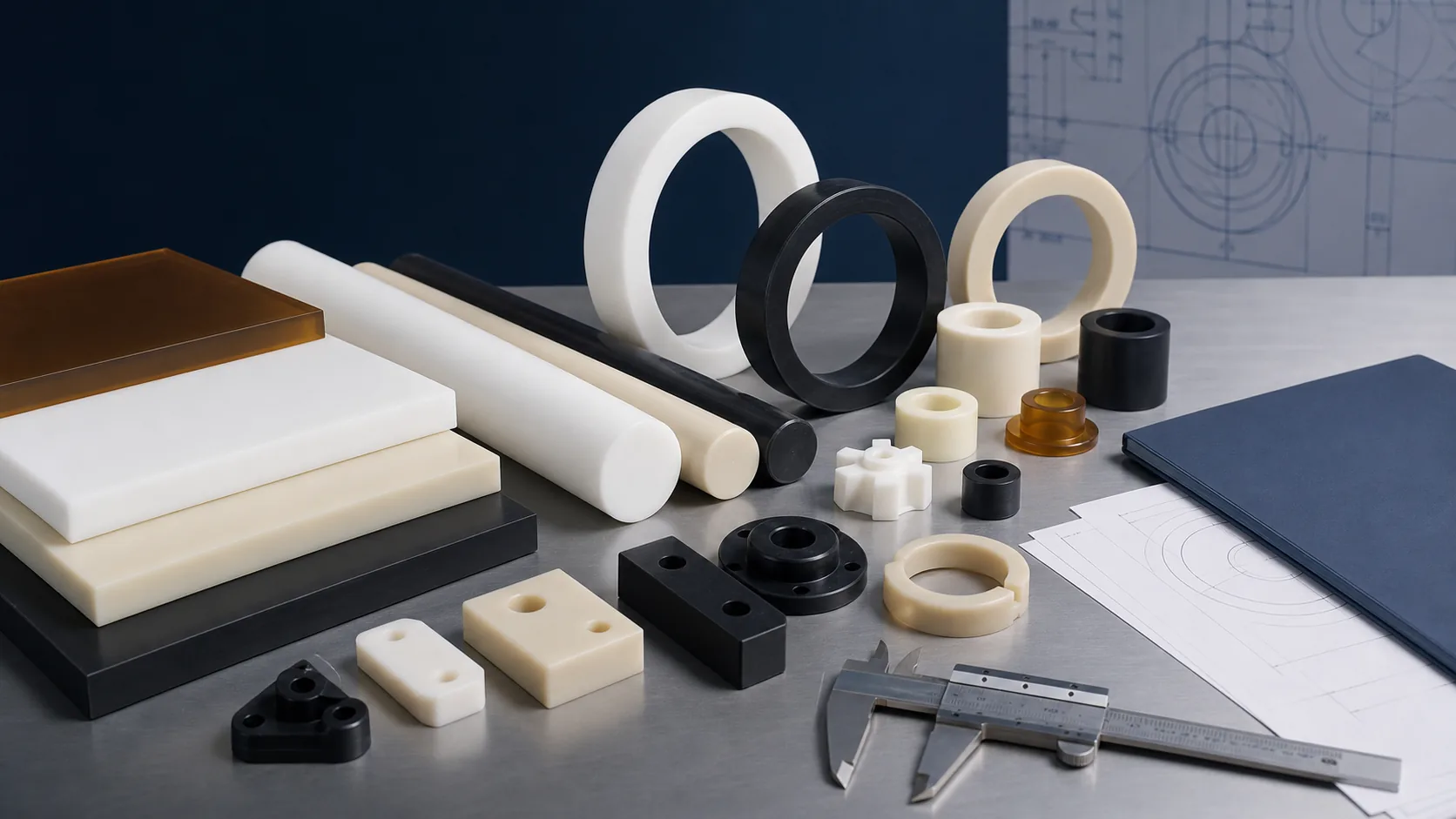
Engineering plastic rods sheets and machined sample parts arranged with drawings and a caliper

Company focus

A practical partner for engineering plastic projects.

Great Plastics is organized around the questions industrial buyers ask before they commit to a plastic material or custom part supplier: which material fits the environment, which product form is realistic, which manufacturing route makes sense and what information is needed for a useful quote.

What we do

Materials, product forms and custom plastic parts under one project path.

Engineering plastic materials

Compare PEEK, PPS, PI, PEI, PAI, POM, Nylon, PTFE, PVDF, PC and other plastics by heat, wear, chemical and dimensional needs.

Stock shapes and blanks

Plan sheets, rods, tubes, plates, films or cut blanks when a standard plastic form can simplify sourcing or machining.

Custom plastic parts

Translate drawings, 3D models, samples or replacement parts into a practical manufacturing route and RFQ package.

CNC plastic machining

Review precision features, tolerances, holes, threads, surfaces and batch quantities before production.

Application support

Connect material behavior to aerospace, semiconductor, medical, machinery, chemical, energy and automotive use cases.

RFQ preparation

Organize the drawing, tolerance, quantity, environment, finish and documentation details that determine quote quality.

How we work

From material question to quote-ready project.

Step Buyer input What Great Plastics reviews Best next page
Material screening Temperature, chemical exposure, load, wear, electrical or food/medical requirement Candidate materials, trade-offs, cost level and application risk Material selection tool
Shape or product route Needed form, size range, quantity and delivery target Sheet, rod, tube, plate, filament, cut blank or finished part path Products hub
Drawing review 2D drawing, 3D model, sample photo or sketch Critical dimensions, wall sections, corners, surface finish and inspection points CNC machining
RFQ package Quantity, finish, tolerance, environment, packaging and documentation needs Quote completeness, feasibility questions and project handoff notes Contact & RFQ

Our role

We help buyers make the plastic decision easier to discuss.

Engineering plastic sheets rods tubes and machined sample parts arranged in a clean material library setting

An engineering plastic part is rarely just a shape. Heat, moisture, chemical exposure, creep, friction, tolerance stack-up and machining behavior can all change the right material and process. Great Plastics structures the conversation so purchasing and engineering teams can compare options before sending a final RFQ.

  • Use material pages to compare performance limits and common applications.
  • Use product pages to choose stock forms or finished-part categories.
  • Use service pages to review machining, molding, cutting and rapid manufacturing paths.
  • Use the RFQ page to send the inputs needed for a focused engineering review.

What to send

What to include in your RFQ for a faster review.

RFQ item Why it matters Example detail
Drawing or model Defines geometry, tolerances, wall thickness, threads and mating features. PDF drawing, STEP file, sample image or marked sketch
Material or performance target Prevents over-specification and under-specification. PEEK for heat and wear, PPS for chemical stability, POM for precision parts
Operating environment Drives chemical resistance, thermal stability, wear and dimensional choices. Temperature range, fluid contact, UV, cleaning agent, load and speed
Quantity and lead time Helps decide machining, cutting, molding or rapid manufacturing route. Prototype batch, repeat low volume, production quantity or urgent replacement
Quality and documentation needs Clarifies whether material traceability, inspection records or special packaging are required. Critical dimensions, inspection method, material document request, packaging note

Where we fit

A clear handoff across materials, products and services.

01

Choose the material family

Start with high-performance plastics for heat and chemical stress, or practical engineering plastics for precision, wear and cost balance.

02

Select the product form

Move from material to sheet, rod, tube, plate, filament, cut blank or custom part depending on geometry and stock route.

03

Review the manufacturing path

Match the drawing to CNC machining, injection molding, 3D printing, custom cutting or rapid manufacturing.

Projects we support

Common engineering plastic projects we help review.

Industry context Typical plastic parts Review focus Useful link
Semiconductor and electronics Insulators, carriers, fixtures, precision plates, wear parts Dimensional stability, cleanliness, heat and electrical behavior Semiconductor plastics
Machinery and automation Guides, rollers, bushings, spacers, wear strips and pads Friction, wear, moisture, impact and machinability Machinery plastics
Chemical and energy Valve seats, seals, pump parts, manifolds and insulating components Chemical resistance, temperature, pressure and sealing surfaces Chemical plastics
Medical, aerospace and automotive Lightweight structural parts, test fixtures, prototypes and high-spec components Documentation, repeatability, tolerance and application environment Medical plastics

Buyer confidence

What we help clarify before a quote.

Material reason

The reason for choosing PEEK, PPS, PTFE, POM, Nylon or PEI should connect to the actual service condition.

Manufacturing route

The production path should fit the drawing, prototype stage, repeat batch size and lead-time target.

Documentation needs

Material documents, inspection checks and packaging notes should be discussed early when they affect the order.

Related pages

Continue the project review.

Engineering Plastic Materials

Compare material families and applications

Custom Plastic Parts

Plan part geometry and RFQ inputs

CNC Plastic Machining

Review precision machining feasibility

PEEK Plastic

Review high-temperature performance

Material Datasheets

Compare property data and documents

Certifications & Quality

Review quality and documentation topics

Resources

Browse engineering plastics guides

Contact & RFQ

Send drawings and project details

FAQ

Questions buyers ask about Great Plastics.

What kind of engineering plastics company is Great Plastics?

Great Plastics supports engineering plastic material selection, stock shape sourcing, custom plastic parts planning and RFQ review for industrial buyers.

Can Great Plastics help compare materials before a drawing is finalized?

Yes. Share the operating temperature, chemical exposure, load, wear, electrical needs and target process so the material path can be narrowed before quoting.

What information should I send for a custom plastic parts quote?

Send a 2D drawing or 3D model, material target, dimensions, critical tolerances, quantity, finish, operating environment, documentation needs and target lead time.

Does Great Plastics only work with high performance plastics?

No. Many projects start with practical engineering plastics such as POM, Nylon, PC, PET, PTFE, PVDF or PP, while higher performance options such as PEEK, PPS, PEI, PI and PAI are reviewed when the application requires them.

How does Great Plastics reduce RFQ back-and-forth?

The RFQ path asks for the material, geometry, tolerance, environment, quantity and documentation inputs that commonly affect feasibility, cost and lead time.

RFQ checklist

Send a drawing, material target or project question.

Include drawing or 3D model, material or performance target, dimensions, tolerance, quantity, operating temperature, chemical exposure, load, finish, documentation needs and target lead time.