Short answer
A useful engineering plastics resource should help buyers decide what to ask for next.
The best resource path is not a list of articles. Buyers need to know whether the issue is material selection, stock shape choice, machining feasibility, industry exposure, tolerance risk or RFQ preparation. This page groups Great Plastics resources by decision type so engineers and sourcing teams can move from learning to a practical quote request.
Resource categories
Choose the guide type that matches the current decision.
Resource map
Route the question to the right engineering plastics page.
| Buyer question | Best starting resource | Why it helps | Next RFQ action |
|---|---|---|---|
| Which plastic material should we use? | Material selection tool | Connects temperature, load, chemical exposure, wear and electrical requirements to candidate materials. | Send the environment, material target and drawing. |
| What do PEEK, PPS, PEI, PI or PAI properties mean? | Material datasheets | Summarizes property categories in a buyer-friendly format before deeper review. | Identify critical properties and acceptable alternatives. |
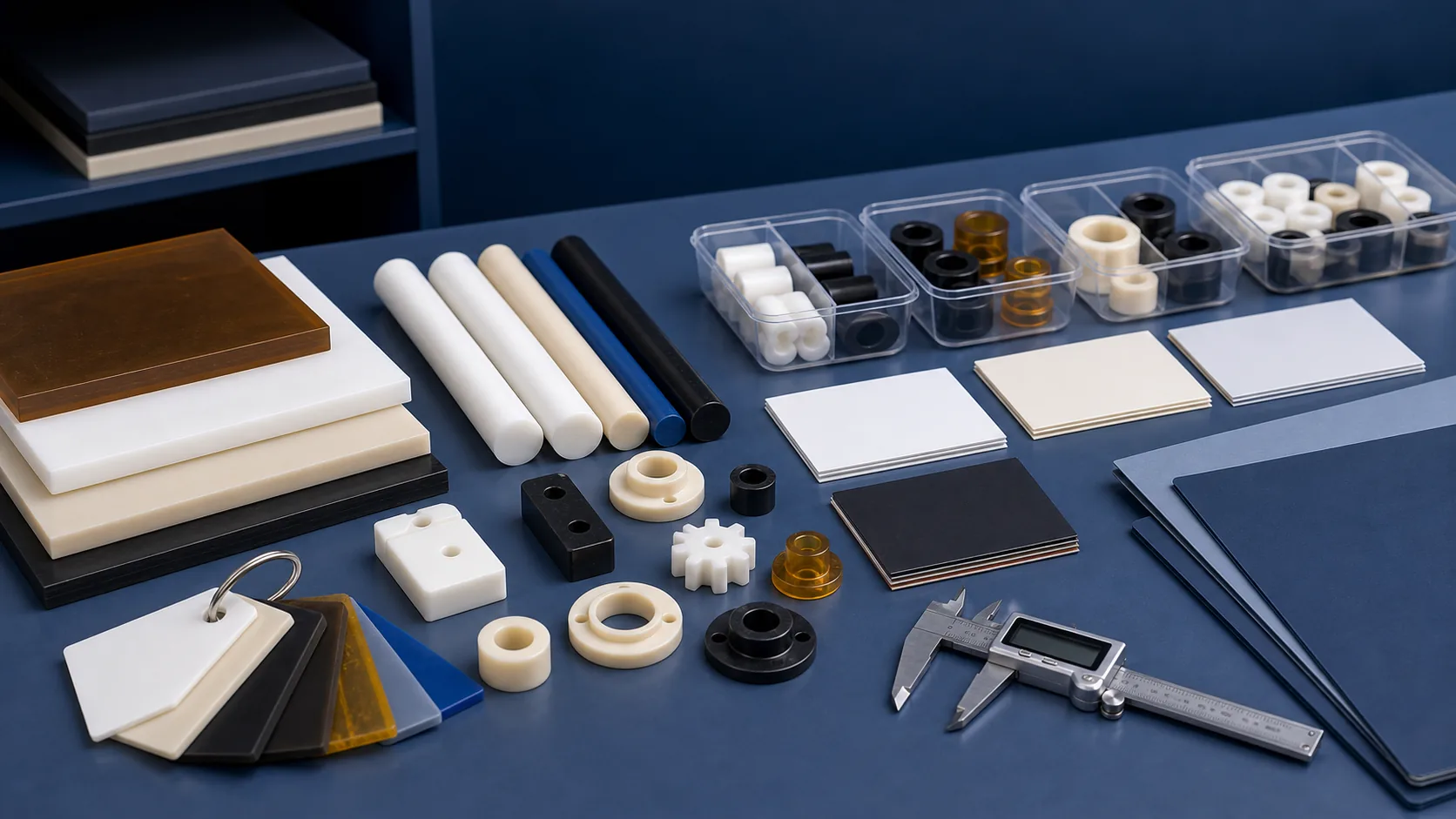
| Should the part be sheet, rod, tube or custom? | Engineering plastic products | Routes geometry to stock shape, machining blank or finished custom component. | Prepare dimensions, quantity, tolerance and finish. |
| Can this plastic part be machined? | CNC plastic machining | Explains plastic machining issues such as tolerance, burrs, internal corners, stress and inspection points. | Send 2D drawing, STEP model or marked sample photos. |
| Which industry page matches the application? | Engineering plastics by industry | Connects application environment to material direction and project details. | Describe the operating environment and failure mode. |
Practical use
Use the resource hub to reduce RFQ back-and-forth.
Engineering plastics projects often slow down when the first request only names a resin. A stronger request explains why that resin is being considered, what the part must do, what environment it will see and which dimensions or surfaces matter. The resources on this page are organized to collect those details before pricing starts.
For example, a buyer with a pump component may start in industry or application content, compare chemical resistance in the material pages, then move to machining guidance for tolerance and surface notes. A buyer with a fixture plate may start with product forms, compare sheet materials and send a drawing with flatness, hole, finish and quantity requirements.
This approach also helps purchasing teams compare suppliers more clearly. Instead of asking for a broad plastic quote, the team can describe the part function, choose a likely material family, prepare the stock shape or custom part route and include the inspection details that matter. That gives the quote request a better technical starting point and makes follow-up questions more specific.
Learning path
Move from research to a quote-ready request.
RFQ readiness
Information to collect while using the resources.
- Material target: preferred plastic family, approved alternatives, color, filler or grade requirement.
- Application: industry, part function, movement, contact surface, load, pressure and expected use cycle.
- Environment: temperature, fluid, chemical, moisture, cleaning, UV, electrical or vacuum exposure.
- Geometry: stock shape, 2D drawing, 3D model, sample photo, wall thickness and critical features.
- Manufacturing: machining, cutting, molding, printing, prototype, low volume or repeat production.
- Commercial details: quantity, tolerance, finish, inspection, documentation, packaging and lead time.
FAQ
Questions buyers ask before using engineering plastics resources.
Related pages