
PEEK Plastic Materials
PEEK Sheet, Rod, Tube, Filament & Custom CNC Parts
From standard stock shapes to made-to-drawing components, Great Ceramic provide PEEK solutions for applications requiring high-temperature performance, chemical resistance, mechanical strength, dimensional stability, and wear resistance.
±0.01mm
machining tolerance
24h
Rapid response
5-7 days
Fast Delivery
1 piece
MOQ
Material Science
PEEK Material Selection for Engineering Applications
PEEK (Polyether Ether Ketone) is a semi-crystalline high-performance engineering thermoplastic designed for applications where conventional plastics cannot provide the required combination of temperature resistance, chemical resistance, mechanical strength, wear resistance, and dimensional stability.
Selecting PEEK is not only about its high temperature capability. The right material choice depends on the actual operating conditions and potential failure modes of the component, including continuous heat exposure, chemical contact, mechanical loading, creep resistance, sliding wear, electrical insulation requirements, dimensional control, cleaning, and sterilization environments.
A reliable PEEK component requires the right combination of material grade, reinforcement formulation, machining process, and manufacturing capability to match the final application requirements.
Stock Shapes & Custom Parts
PEEK Stock Shapes & Custom Components
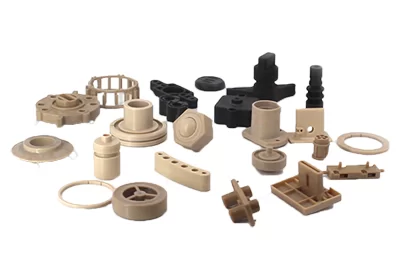
Great Plastics supplies PEEK stock shapes and custom-machined components for industrial applications. Standard sheet, rod, and tube sizes are available, with custom machining offered according to your drawings and specifications.
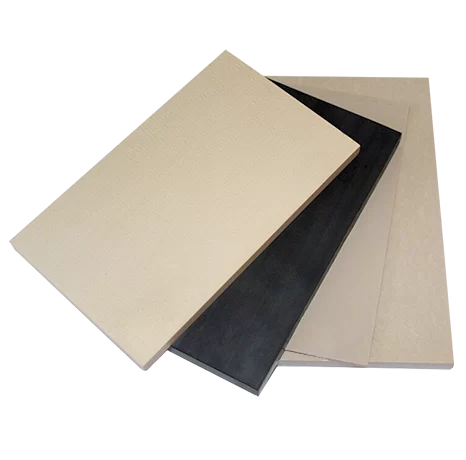
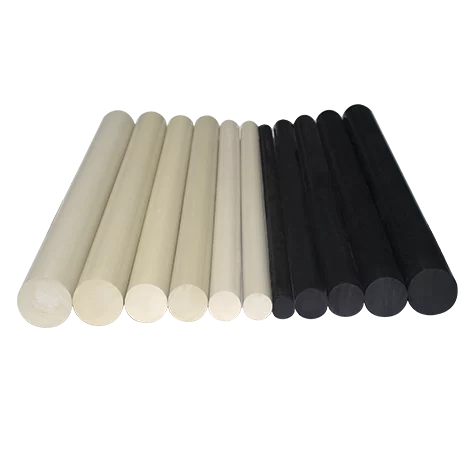
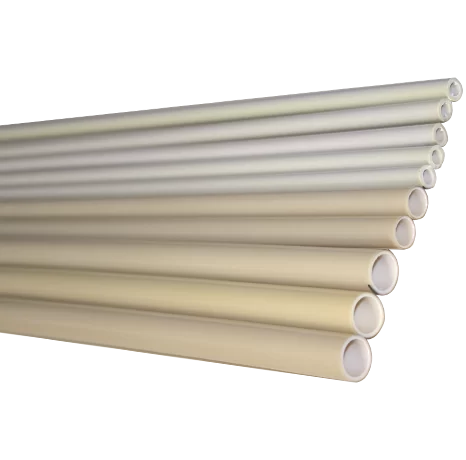
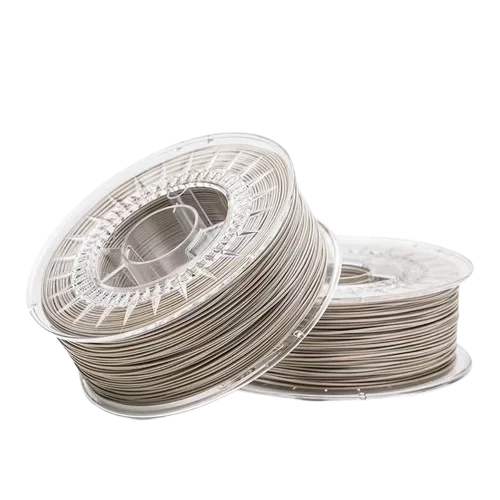
Material Selection
PEEK Plastic Material Grades
Great Plastics supplies and machines PEEK grades formulated for different mechanical, thermal, electrical, and wear requirements.
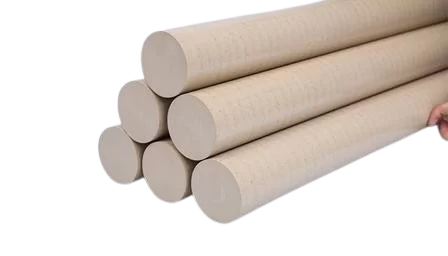
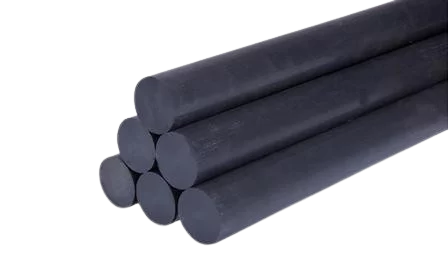
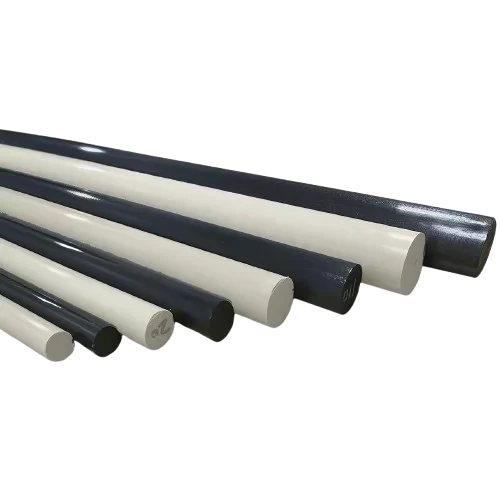
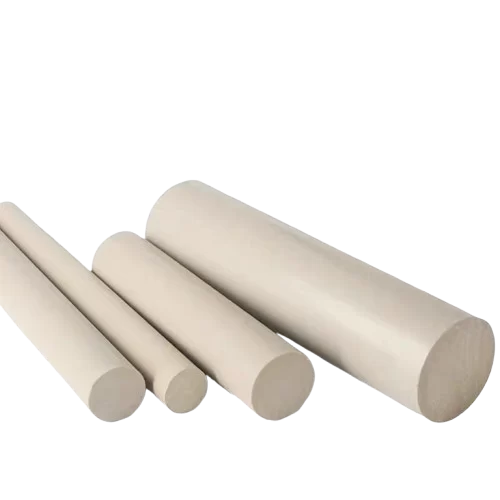
If the grade is uncertain, send the operating conditions first: temperature, load, speed, mating material, chemicals, electrical requirement, tolerance, and documentation need.
Performance Data
Key Properties of PEEK Plastic
PEEK combines mechanical strength, thermal stability, chemical resistance, wear resistance, and electrical insulation properties. Grade selection should be based on the temperature, load, chemical environment, and performance requirements of the application.
Manufacturing Capability
PEEK Machining and Custom Components
Over a decade of experience machining PEEK and high-performance polymers to the tightest tolerances.
PEEK can be CNC machined using standard precision machining equipment, but achieving tight tolerances requires careful control of heat generation, internal stress, workholding, and dimensional stability.
We manage PEEK-specific machining challenges—heat generation during cutting, stress relief, and surface finish requirements—through tooling selection, fixturing, and process control. Our machinists work from your CAD files (STEP, IGES, or DWG) to produce first-article parts for approval before production runs.
custom Selection
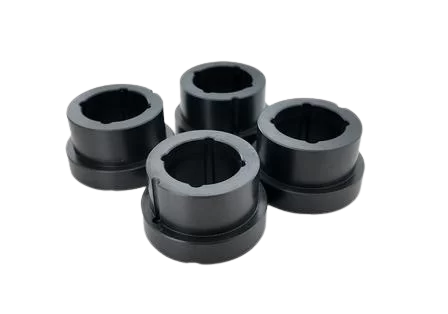
Custom Machined PEEK Components
Great Plastics develops suitable processing solutions based on critical dimensions, tolerance requirements, operating environment, and inspection standards, helping customers achieve a balance between performance requirements and manufacturing costs during the project evaluation process.
Industry Use Cases
Applications of PEEK Plastic Materials
PEEK applications span industries where reliability under extreme conditions is non-negotiable. Below are the most common use cases and why PEEK is specified.


Material Comparison
PEEK vs. Other Engineering Plastics
| Property | PEEK | PTFE | PPS | PEI (Ultem) |
|---|---|---|---|---|
| Max Continuous Temp | 250°C | 260°C (low load) | 200–220°C | ~170°C |
| Tensile Strength | 90–100 MPa | 20–30 MPa | 65–80 MPa | 90–105 MPa |
| Wear Resistance | Excellent | Good (low friction) | Good | Moderate |
| Chemical Resistance | Excellent | Superior | Very Good | Moderate |
| Creep Resistance | Excellent | Poor | Good | Good |
| Machinability | Excellent | Poor (deforms) | Good | Good |
| Relative Cost | High | Medium | Low–Medium | Medium–High |
Not sure which engineering plastic fits your application? Use the Material Selection Tool or send the operating conditions and drawing for material review through Material Properties.
Your Partner
Why Choose Great Plastics
Efficient PEEK procurement requires effective matching between material selection, inventory form, manufacturing process, application requirements, and documentation requirements.Great Plastics supports PEEK production routes, stock-shape sourcing, precision CNC machining, and engineering-oriented RFQ review.
Common Questions
Frequently Asked Questions
Quick answers to the questions engineers and procurement teams ask most about PEEK materials.
