
Machinery Engineering Plastics & Custom Machined Parts
Great Plastics supplies engineering plastics and custom-machined components for bushings, guides, fixtures and other drawing-based machine parts. Match the material and geometry to the working interface, whether the priority is wear, installed clearance or stable positioning.
Lösungen
Machinery Plastic Components
Custom gears, shaft supports, wear parts and fixtures connect your material choice to the fit and motion your machine needs.
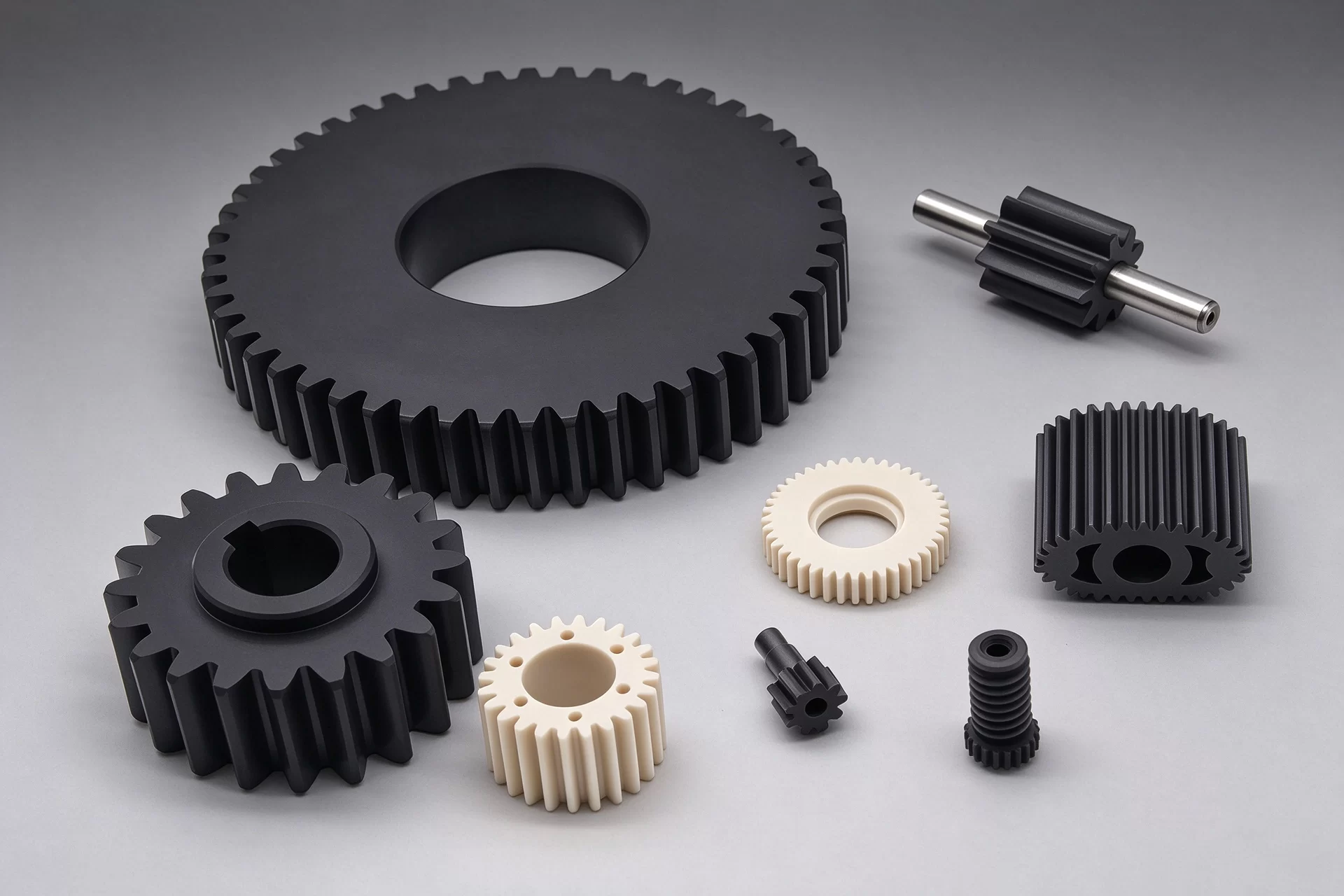
Gears & Motion Components
Custom spur gears, pinions and drive components for mechanical transmission. Material selection considers torque, speed, friction, noise and wear.
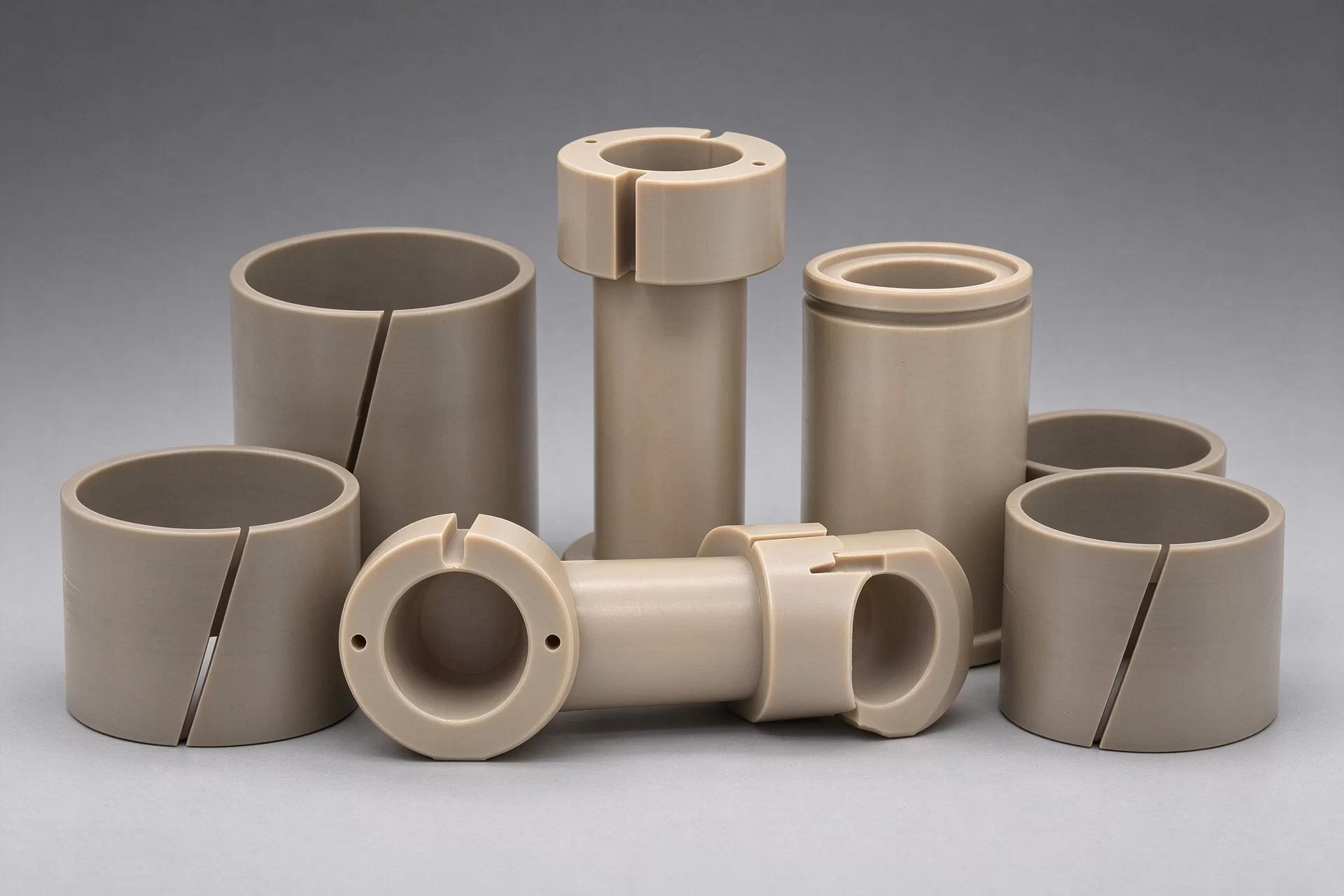
Bushings, Sleeves & Wear Parts
Machined bushings, split sleeves, spacers and thrust parts for shaft guidance and sliding contact. Design considers pressure, speed, lubrication, bore dimensions and running clearance.
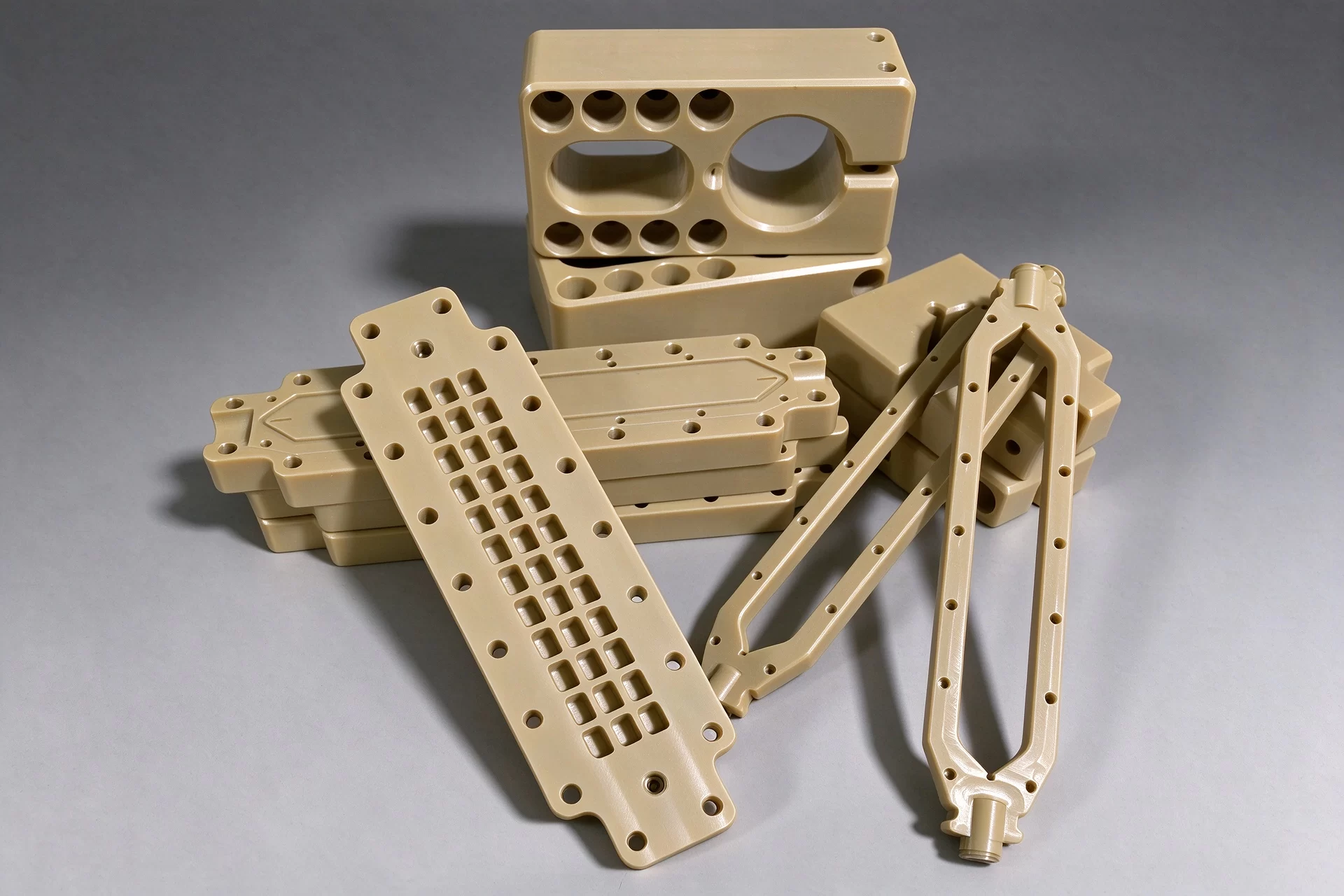
Guides, Fixtures & Insulating Supports
Custom wear pads, guides, mounting brackets and fixtures machined to drawing. Mounting features ensure alignment, while material selection addresses wear resistance and electrical insulation requirements.
Fähigkeit
CNC Milling, Turning & Equipment Capacity
CNC milling and turning produce the faces, bores and profiles that connect your component to the machine. Combined operations add flats, holes and slots to cylindrical parts.
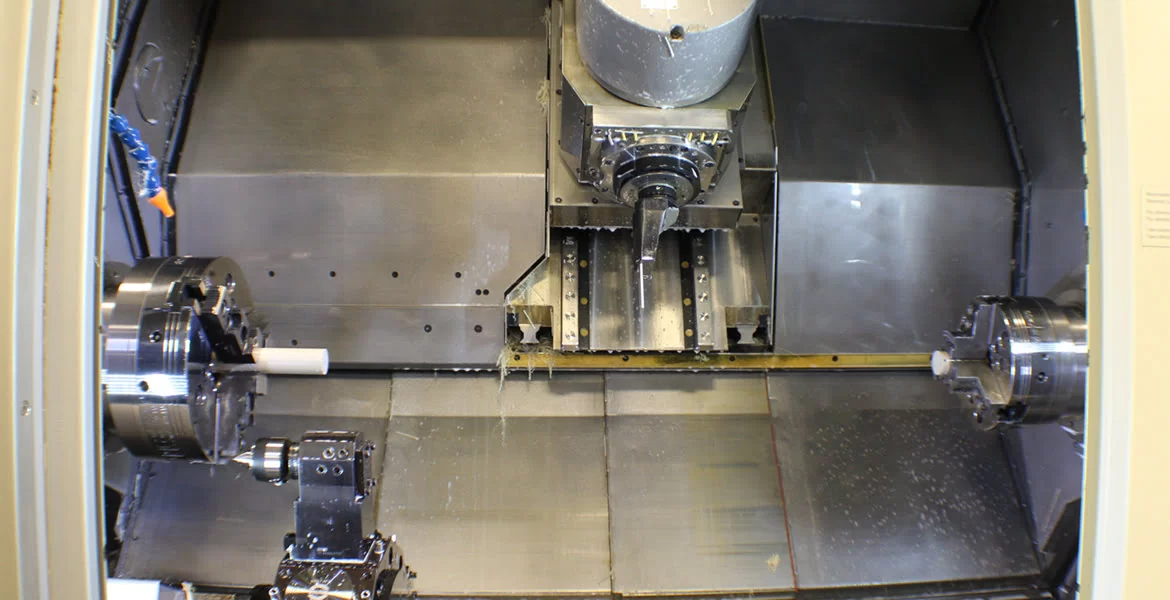
CNC-Fräsen
Pockets, slots, mounting faces and bolt patterns from plate or block. Published nominal three-axis capacity is 1500 × 800 × 500 mm. Stock size, fixture clearance and cutter reach limit the usable part envelope. Deep pockets need accessible internal radii.
CNC-Drehen
Bores, shoulders, grooves and threaded profiles from rod or tube, with drilling for axial holes. Published nominal turning capacity is Ø431 × 990 mm. Chucking length, support and stock availability reduce usable dimensions. Long sleeves and thin walls can deflect during cutting.
Turn-Mill Features
Dual-spindle turn-mill equipment combines turned profiles with flats, cross-holes and off-axis features. Fewer transfers can help maintain their relationship to the bore. Tool access and workholding still determine the setup; not every feature is reachable in one operation.
Machine envelopes are not guaranteed finished-part sizes. Critical dimensions and tolerances are agreed by feature, material grade and setup. General tolerances do not establish a working clearance. Möglichkeiten der CNC-Bearbeitung von Kunststoffen
Feature Analysis
Complex Machine Parts, Feature by Feature
The representative part geometries show where machining decisions affect assembly and operation. Your drawing defines the critical relationships; the material determines how they respond in service.
Gear Teeth, Roots & Shaft Fit
The tooth profile and root geometry determine contact and load transfer. The bore and drive feature connect that profile to the shaft. Tool access can constrain small roots and internal corners. Torque, temperature and the mating gear remain part of the specification.
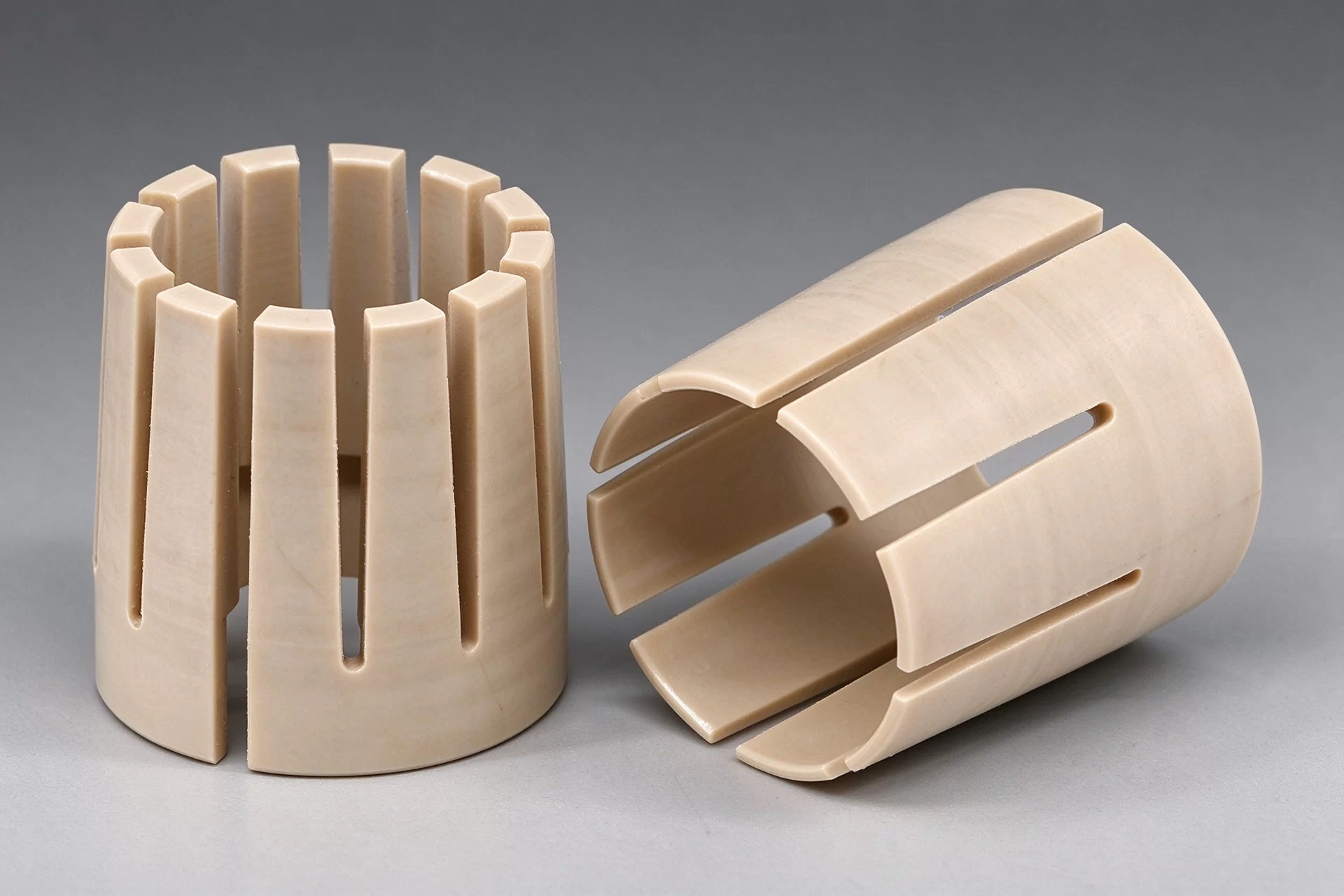
Bushing Bores & Thin Walls
Concentricity between the bore and outside diameter controls shaft alignment. Split features and thin walls can move under clamping. A measured bore at room temperature does not establish running clearance under heat or load. Thermal expansion, moisture and creep can change the operating fit.
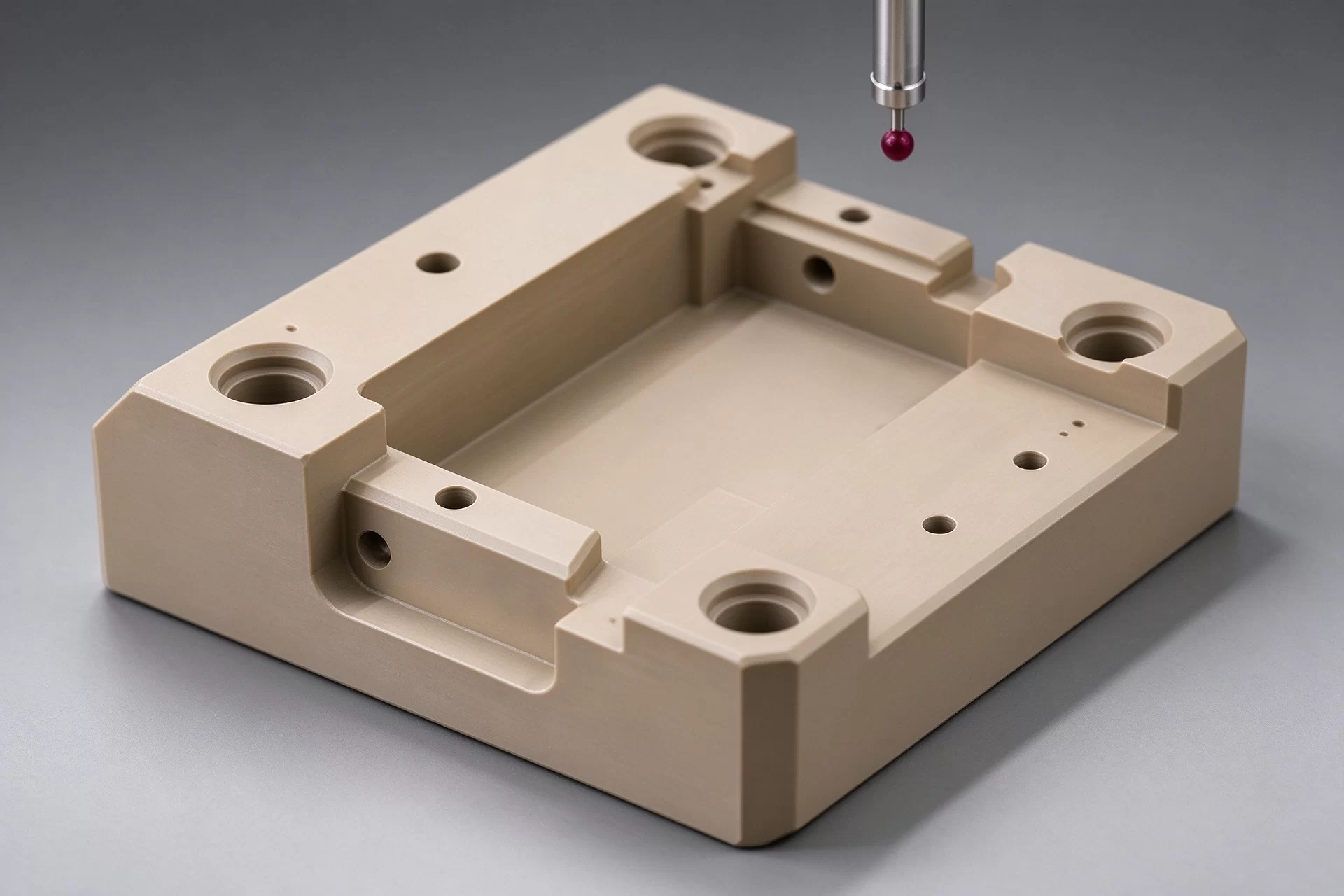
Pocketed Fixtures & Mounting Datums
Mounting holes, recessed faces and ribs must reference the surfaces that locate the fixture. Cutter reach limits deep pockets; internal corners retain a tool radius. Slender walls need support. Intersecting passages also need access for burr removal.
Materialauswahl
Materialoptionen für Ihre Betriebsbedingungen
Die Materialauswahl hängt von der chemischen Beanspruchung, der Temperatur, der Belastung, der Bewegung und den elektrischen Betriebsbedingungen ab. Wählen Sie die für Ihre Einsatzbedingungen genau passende Typenbezeichnung aus; die Bezeichnung einer Polymerfamilie allein reicht nicht aus, um die Eignung zu gewährleisten.
| Material | Passgenauigkeit der Bauteile | Notenwahl und Grenzen |
|---|---|---|
| PEEK | Ventilsitze, Stützringe, Buchsen und Anschlusskörper. | Ungefüllte, glasgefüllte, kohlenstoffgefüllte und lagertaugliche Typen erfüllen unterschiedliche Aufgaben. Füllstoffe beeinflussen die Steifigkeit, den Verschleiß und das elektrische Verhalten. Starke Oxidationsmittel erfordern einen spezifischen Kompatibilitätsnachweis. |
| PPS | Medienberührte Teile, Führungen und formstabile Halterungen. | Es gibt Unterschiede zwischen ungefüllten, glasgefüllten, kohlenstoffgefüllten und verschleißmodifizierten Typen. Dünne Kanten und Kerben erfordern besondere Sorgfalt. Die chemische Verträglichkeit hängt von der vollständigen Zusammensetzung und den Einsatzbedingungen ab. |
| PEI | Elektrogehäuse, Stiftträger und Halterungen für die Trockenseite. | Eignet sich für Anwendungen, bei denen Steifigkeit und Isolierung eine Rolle spielen. Die Verträglichkeit mit Flüssigkeiten und die Anfälligkeit für Spannungsrisse können den Einsatzbereich offener Teile einschränken; geben Sie daher die elektrische Güteklasse an. |
| PAI | Belastete Buchsen, Drucklagerteile und Verschleißteile. | Feuchtigkeitsbedingungen wirken sich auf die Abmessungen aus. Heißes Wasser, Dampf und Amine müssen besonders berücksichtigt werden. Geben Sie den Füllstoff und den Zustand an. |
| PI | Heißhalterungen, Isolierabstandshalter und spezielle Verschleißteile. | Die Eignung hängt von der Güteklasse, der Umgebungsatmosphäre und den Kontaktbedingungen ab. Feuchtigkeit, Heißwassereinwirkung und Füllstoffe können die Passform im verarbeiteten Zustand verändern. |
Carbon-filled grades may conduct electricity. Fillers can also change mating-surface wear. Temperature ratings alone do not establish life under sustained load.
Dienstleistungen
Manufacturing Services for Machinery Products
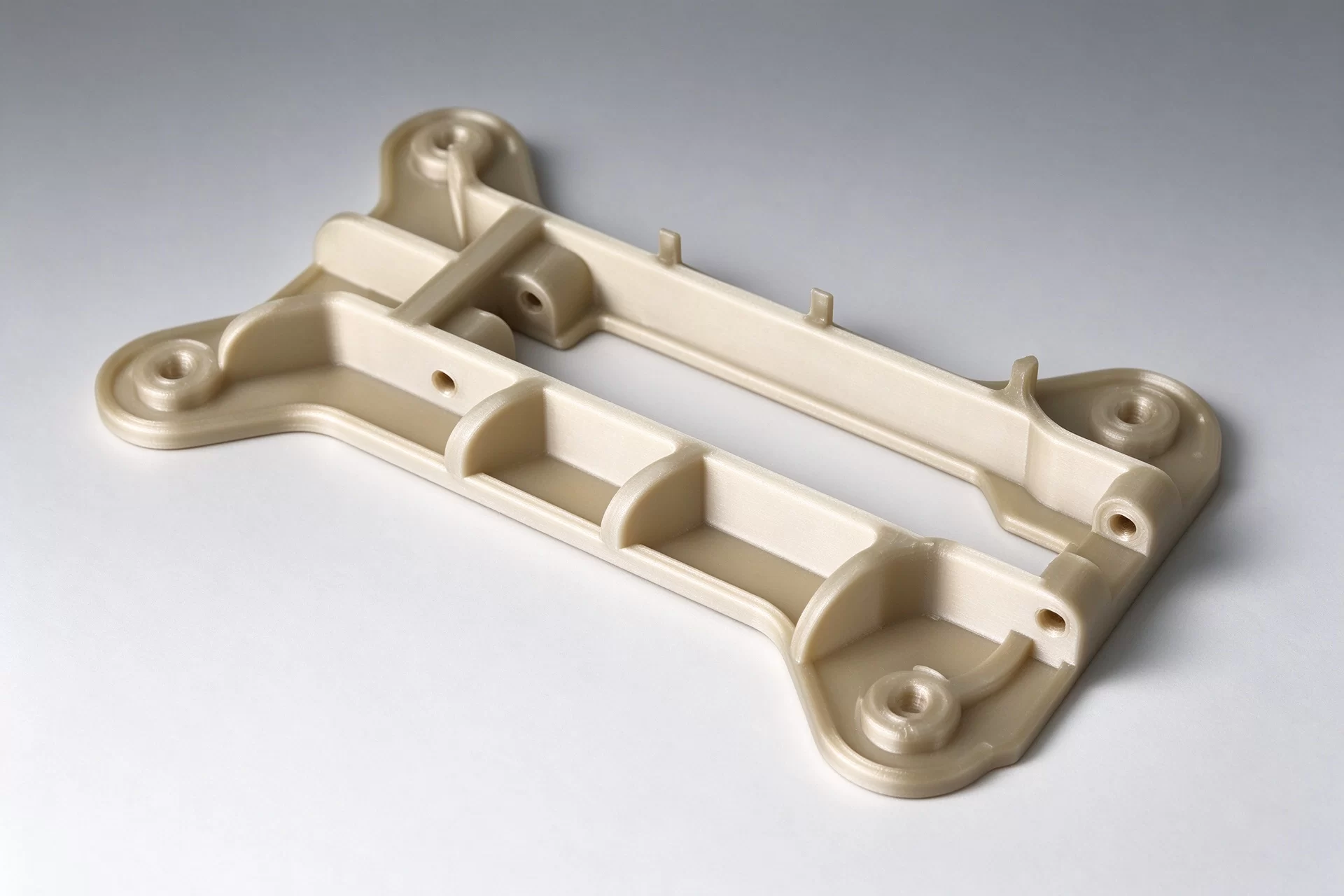
| Profitieren Sie bei der Bearbeitung von derselben Geschwindigkeit, Präzision und Zuverlässigkeit, die Sie von Great Plastics gewohnt sind, und erschließen Sie sich über unser Fertigungsnetzwerk gleichzeitig fortschrittliche Bearbeitungsmöglichkeiten wie engere Toleranzen und Mengenrabatte. Mehr erfahren→ |
|
 |
| Erhalten Sie innerhalb weniger Tage kostengünstige, hochwertige Formteile und Brückenwerkzeuge. Mit unserer kostenlosen Beratung zur Formbarkeit lassen sich der Konstruktions- und Formungsprozess erheblich beschleunigen, sodass Sie Zeit und Geld sparen. Mehr erfahren→ |
|
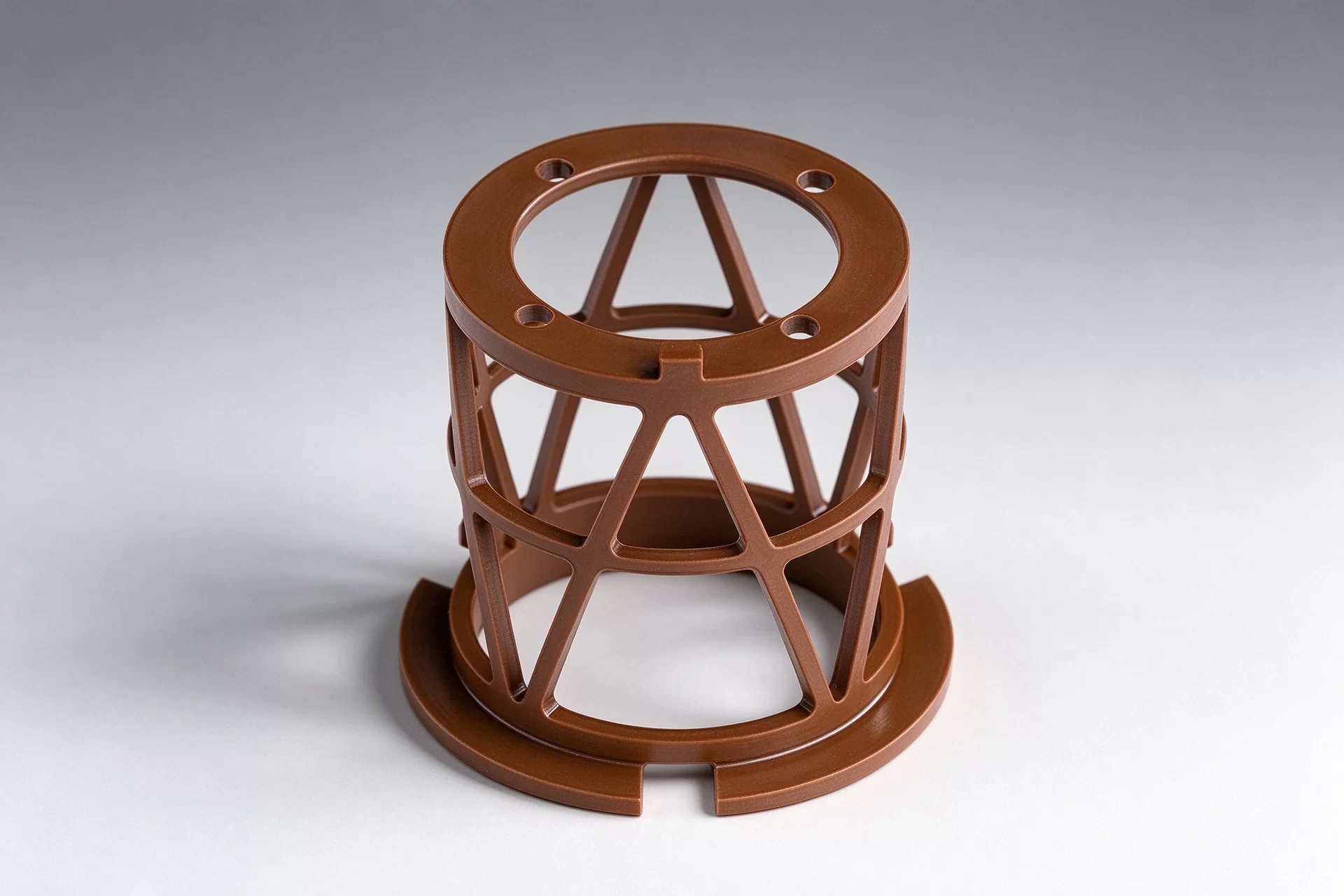 |
| Sie suchen hochwertige Bauteile und Fachwissen im Bereich der additiven Fertigung aus einer Hand? Wählen Sie aus vier verschiedenen Technologien der additiven Fertigung für kostengünstiges Prototyping und hochpräzise, reproduzierbare Serienteile. Mehr erfahren→ |
|
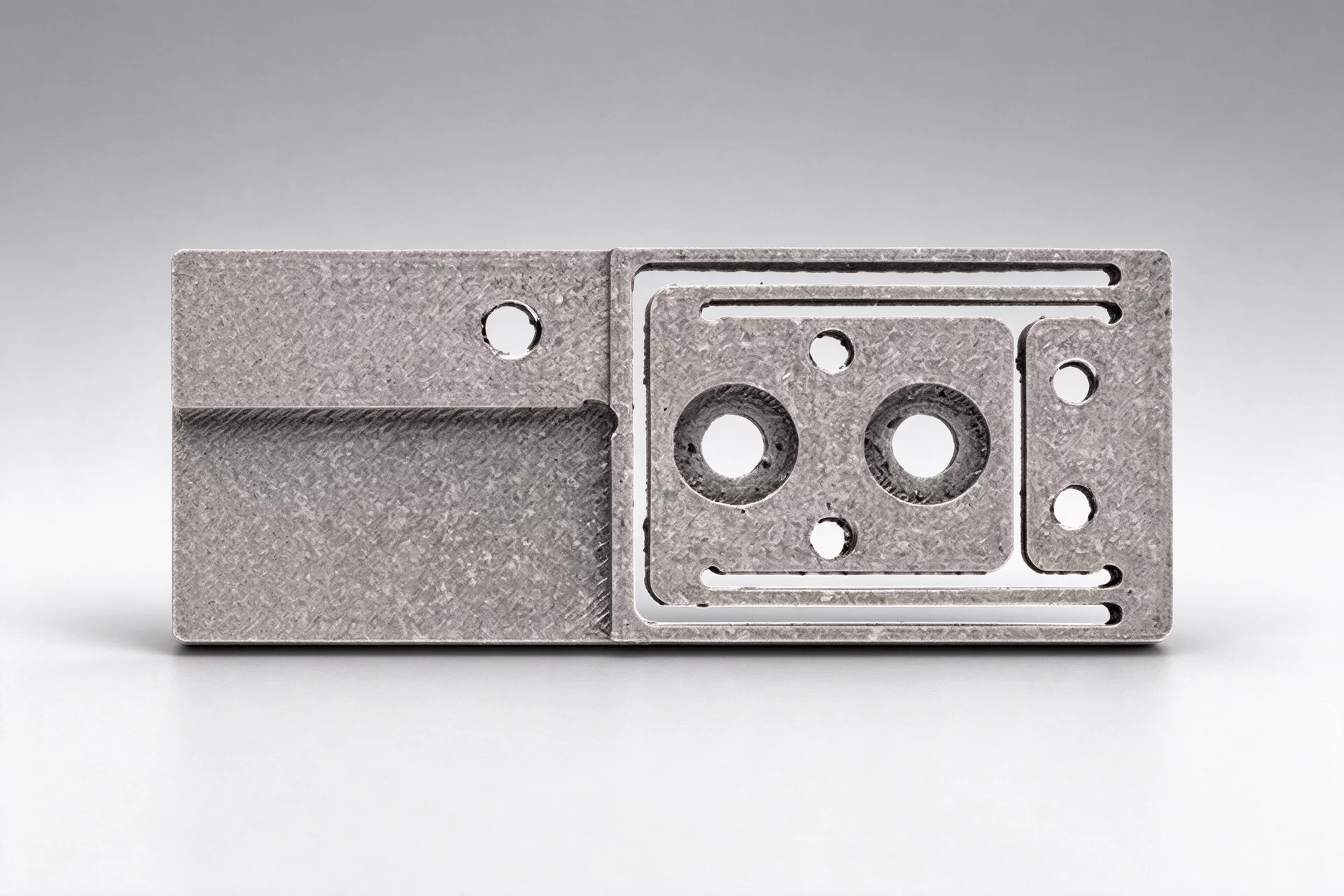 |
Wie ein Projekt voranschreitet
Vom Prototyp zur Serienfertigung
From a functional prototype to small batches and repeat orders, your approved grade, drawing revision and critical features form the part definition.
Prototypenentwicklung und Anwendungsvalidierung
Prüfen Sie die Zeichnung, das Material und die kritischen Merkmale. Testen Sie die bearbeiteten Prototypen unter realen Betriebsbedingungen auf Passgenauigkeit und Leistung.
Kleinserienfertigung
Verwenden Sie das freigegebene Muster, die geänderte Zeichnung, die Materialgüte und die Maßangaben als Produktionsvorgaben.
Wiederholungslieferung
Die genehmigten Anforderungen an Werkstoffe, Zeichnungen und Prüfungen sind einzuhalten. Änderungen an der Geometrie, den Füllstoffen oder den Betriebsbedingungen sind erneut zu validieren.

 English
 French
 German
 Russian