PAI Plastic Material

PAI Sheet, Rod, Tube & Custom CNC Parts for OEM Buyers

PAI (polyamide-imide) is a high-performance thermoplastic used for precision components requiring high mechanical strength, wear resistance, creep resistance, and elevated-temperature performance.

Great Plastics supplies PAI sheet, rod, and tube stock, as well as CNC-machined PAI components for demanding mechanical and industrial applications.

±0.01mm

machining tolerance

24h

RFQ response after drawings and application conditions are received

5-7 days

fast dispatch capability for suitable stock-form orders

1 piece

MOQ (Min. Order)

Overview

PAI Material Selection for Wear Resistance and High Loads

PAI (polyamide-imide) is a high-performance thermoplastic considered for precision components where mechanical strength, wear resistance, creep resistance, and dimensional control are important. Typical applications include bearing surfaces, seals, valve components, bushings, and other high-load machined parts.

PAI is not automatically the best choice for every high-temperature application. Material selection should consider temperature, load, speed, mating surfaces, moisture, tolerances, and cost, with PAI compared against materials such as PEEK, PI, POM, and PTFE where appropriate.

High Mechanical Strength

PAI can be considered for components where stiffness, load capacity, and resistance to deformation are important design requirements.

Wear & Creep Resistance

Selected PAI grades can support bearing, bushing, sealing, and sliding applications when load, speed, mating materials, and operating conditions are properly evaluated.

Dimensional Control

Machined PAI components require controlled processing and inspection. Moisture, residual stress, temperature, part geometry, and machining conditions can affect close-tolerance dimensions.

Available Forms

PAI Plastic Forms & Custom Parts

Great Plastics can review available PAI stock shapes and machining options. PAI sheet, rod and tube availability depends on grade, size, color, manufacturing route, and supplier stock.
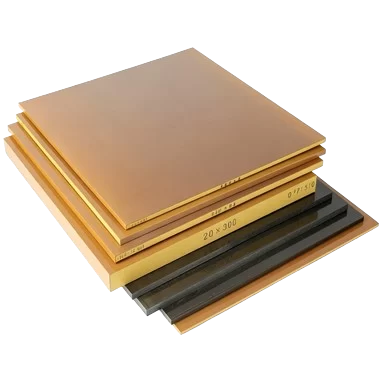
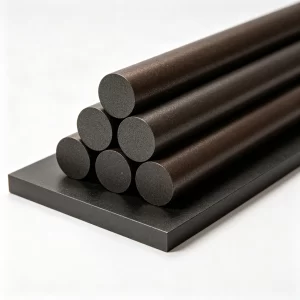
PAI sheets for CNC machined wear plates, fixtures and precision components.

PAI Sheet

Used for milled wear plates, guides, support blocks, insulating plates, and precision fixture components.

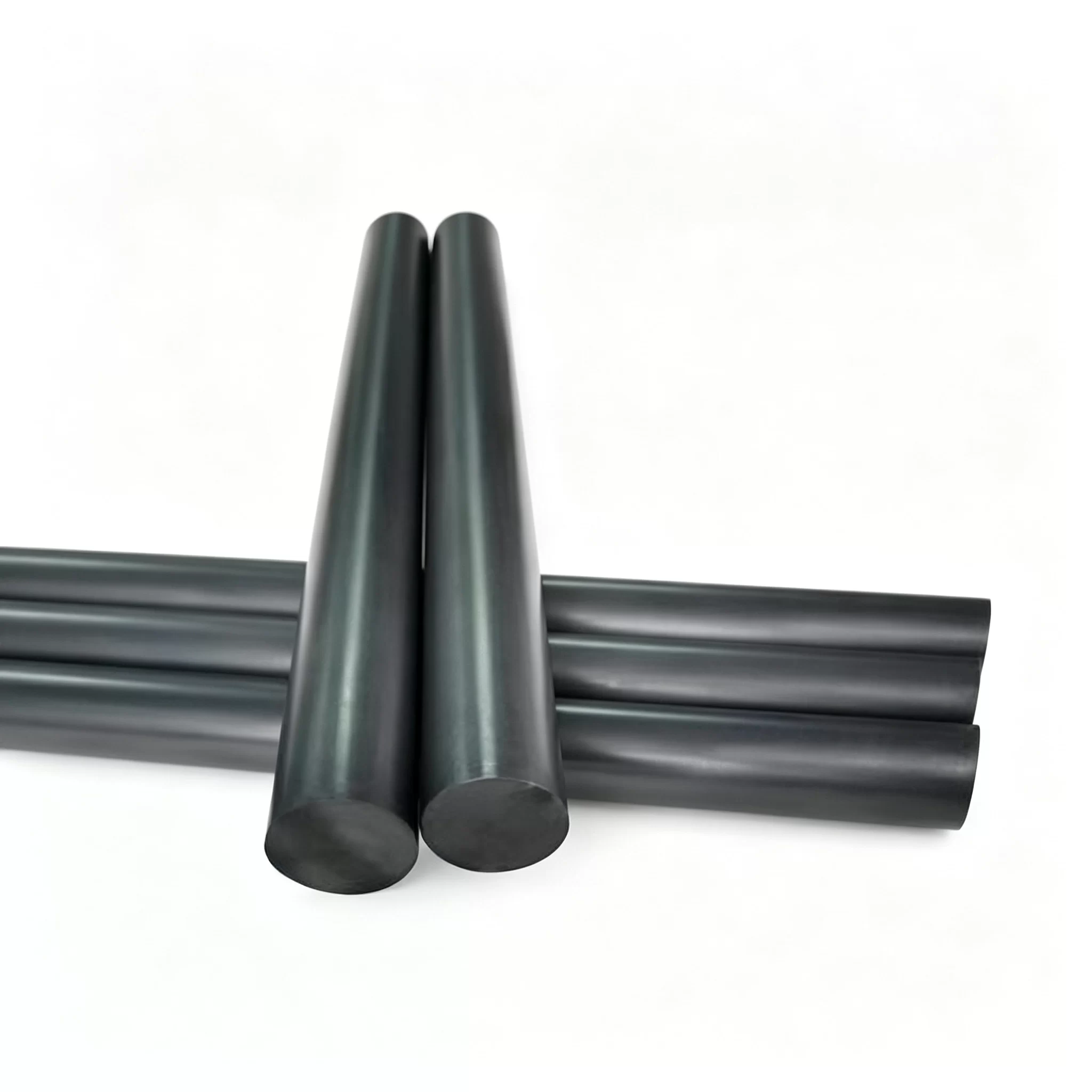
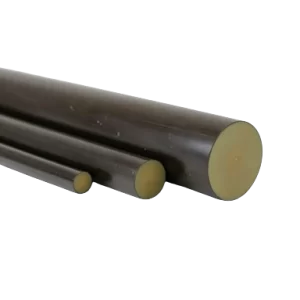
PAI rods for turned bushings, sleeves, spacers and bearing components.

PAI Rod

Used for turned bushings, sleeves, valve seats, bearing components, spacers, and other high-load round parts.

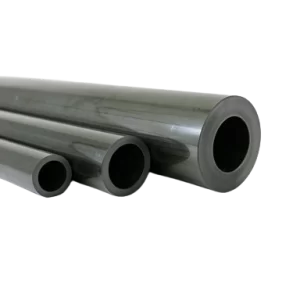
PAI tubes for sleeves, rings and other hollow precision components

PAI Tube

Used for sleeves, rings, and hollow components when the required grade and dimensions are available.

PAI Plastic (Polyamideimide) Overview

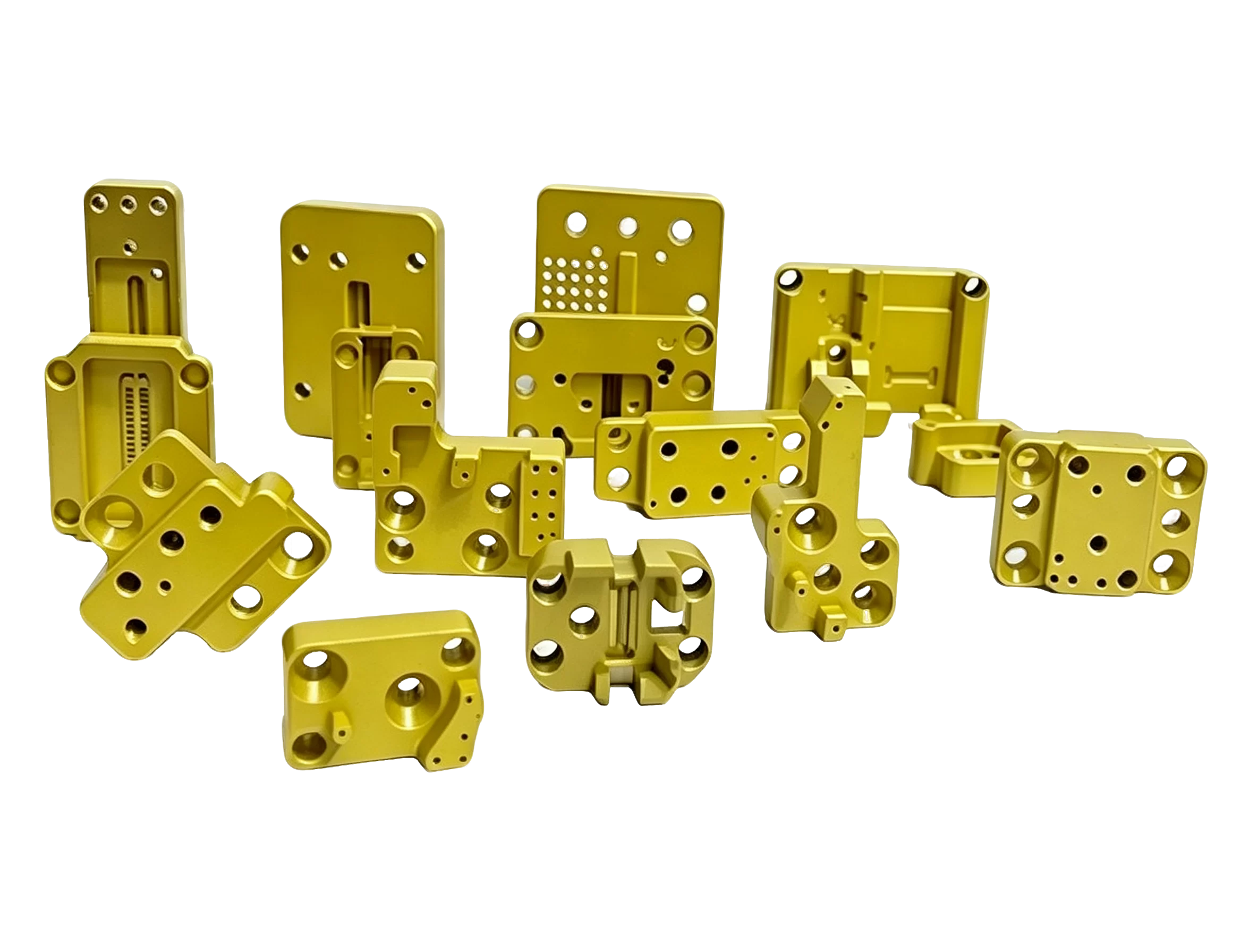
Machined Components

For drawing-based CNC machined bearing components, valve components, and precision machinery parts.

Material Selection

PAI Material Grades & Filler Selection

PAI grade selection starts with the application requirements: bearing load, wear, stiffness, temperature, electrical insulation, lubrication, and dimensional stability.

Grade availability varies by supplier, formulation, stock shape, size, and application. Supplier technical data should be checked for the specific grade before material selection.
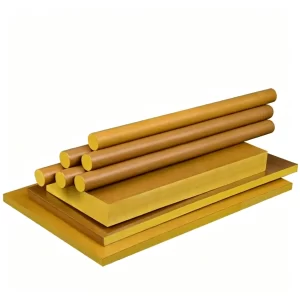
PAI 4203 Sheet & Rod, Unfilled Polyamide-imide, natural amber color, high impact & electrical insulation for precision structural parts

Unfilled PAI

A general-purpose option for precision parts where reinforcement or bearing additives are not required.

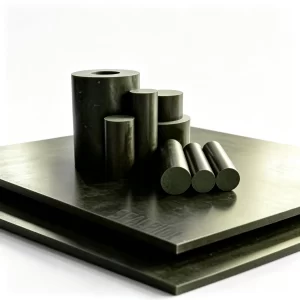
PAI 5530 Sheet & Rod, 30% Glass Fiber Reinforced PAI, high rigidity & low creep for high load structural parts

Glass-Filled PAI

Used where higher stiffness and dimensional stability are required. Glass fiber can affect machining behavior and tool wear.

PAI 5030 Sheet & Rod, Carbon Fiber Filled ESD PAI, anti-static for semiconductor static control components

Carbon-Filled PAI

Used for applications requiring high stiffness, wear resistance, and lower thermal expansion. Grade selection depends on the required mechanical and tribological performance.

PAI 4301 Sheet & Rod, Graphite + PTFE filled PAI, self-lubricating low friction for bearing & seal parts

Wear-Modified / Bearing Grades

Used for bushings, thrust washers, valve seats, and other sliding components. Load, sliding speed, lubrication, mating material, and temperature are key factors in grade selection.

Performance Data

Key PAI Performance Characteristics

PEI is an amorphous thermoplastic that combines high stiffness, thermal resistance, electrical insulation, and dimensional stability. Performance depends on the specific grade, part geometry, operating conditions, and processing method.

Load & Stiffness

PAI provides high stiffness for loaded bushings, supports, fixtures and other precision components. Actual load capacity depends on the selected grade, part geometry, temperature and loading conditions.

Wear & Friction

Selected PAI grades are used for bushings, thrust washers, valve seats and other sliding components where wear and friction are important. Load, sliding speed, lubrication and mating materials affect material selection.

High-Temperature Stability

PAI retains useful mechanical performance at elevated temperatures. The practical service temperature depends on grade, load, temperature cycling, part geometry and the surrounding environment.

Dimensional Stability

Low thermal expansion can support dimensional control in precision components exposed to temperature changes. Actual dimensional change also depends on grade, temperature range, moisture and component design.

Note: Actual values depend on the specific PAI grade, formulation, processing method, test standard, and application conditions.

Manufacturing Capability

PAI CNC Machining and Custom Components

PAI machining requires control of heat, clamping, cutting conditions, tooling, and dimensional changes during and after machining. Great Plastics can review PAI material requirements and produce custom machined components to drawing.We support prototype development, low-volume production, and OEM manufacturing programs for precision PAI parts.

Before production, we review wall thickness, bore geometry, sharp corners, datum structure, surface finish, machining allowance, and inspection requirements. For close-tolerance parts, conditioning and stress relief may also be considered.

CNC Milling & Turning
Precision Machining
Tight Tolerance Parts
Prototype Production
OEM Volume Manufacturing
Multi-Axis Machining
1–10,000+
Parts per Run
CMM
Inspection
24h
Quote Turnaround

Industry Use Cases

Applications of PAI Plastic Materials

PAI machining requires control of heat, clamping, cutting conditions, tooling, and dimensional changes during and after machining. Great Plastics can review PAI material requirements and produce custom machined components to drawing.

Bearings & Bushings

Parts

  • Precision bushings
  • Bearing cages and bearing components
  • Thrust washers
  • Wear rings

why PAI

PAI is well suited to loaded sliding components where wear resistance, stiffness, creep resistance, and dimensional control are important. Selected grades can also be used where lubrication is limited or operating temperatures are elevated.

RFQ factors

Bearing load, PV conditions, sliding speed, temperature, lubrication, mating material, shaft or surface finish, wear requirements, and part geometry.

Seals & Valve Components

Parts

  • Valve seats
  • Seal rings
  • Valve components
  • Compressor components

why PAI

PAI provides a combination of strength, stiffness, wear resistance, and temperature performance for selected sealing and valve components. Grade selection depends on pressure, movement, temperature, and contact conditions.

RFQ factors

Pressure, temperature, medium, contact load, movement or cycling, mating materials, lubrication, sealing requirements, and tolerances.

Industrial Equipment

Parts

  • Pump components
  • Compressor components
  • Valve parts
  • High-load wear components

why PAI

PAI can be used in selected industrial equipment where components are exposed to high loads, repeated movement, wear, or elevated temperatures. The specific grade depends on the combination of mechanical and operating conditions.

RFQ factors

Load, speed, pressure, temperature, medium, lubrication, mating materials, wear requirements, and operating environment.

Semiconductor Equipment

Parts

  • Wafer handling components
  • Wear guides
  • Bushings and spacers
  • Precision fixture components

why PAI

PAI can be considered for selected semiconductor equipment components where wear resistance, dimensional stability, and temperature performance are required. Material compatibility and application cleanliness requirements need to be confirmed for the specific process.

RFQ factors

Temperature, load, wear conditions, cleanliness requirements, material grade, part geometry, tolerances, and process environment.

Aerospace Components

Parts

  • Wear components
  • Valve components
  • Bushings and spacers
  • Precision mechanical components

why PAI

PAI can be considered for aerospace components where high strength-to-weight performance, stiffness, wear resistance, and temperature capability are required in a precision-machined part.

RFQ factors

Mechanical load, service temperature, weight, wear conditions, dimensional requirements, operating environment, and applicable material specifications.

Precision Machinery

Parts

  • Wear pads
  • Guide components
  • Thrust washers
  • Bushings and sleeves

why PAI

PAI is used for precision mechanical parts where repeated movement, mechanical load, wear, and tight dimensional requirements make material selection important.

RFQ factors

Load, sliding speed, wear rate, temperature, lubrication, mating surfaces, tolerances, surface finish, and expected service life.

Material Comparison

PAI vs. Other Engineering Plastics

PAI is not automatically the best choice for every application. Material selection depends on operating temperature, chemical exposure, mechanical load, wear, dimensional requirements, processing needs, and cost.

PAI Material Comparison

PAI is not automatically the best choice for every application. Material selection depends on operating temperature, chemical exposure, mechanical load, wear, dimensional requirements, processing needs, and cost.

Comparison Consider PAI when Consider other options when
PAI vs. PEEK High load, wear, stiffness, or creep resistance is a priority. PEEK — Chemical resistance, moisture performance, broader material availability, or overall cost is more important.
PAI vs. PI High mechanical load and wear resistance are important in the component. PI — Very high-temperature performance, vacuum service, or dry-running capability is the primary requirement.
PAI vs. POM The application requires higher temperature capability, wear resistance, stiffness, or creep resistance. POM — A lower-cost material with easier machining is sufficient for a moderate-temperature application.
PAI vs. PTFE Higher stiffness, load capacity, wear resistance, and dimensional control are required. PTFE — Very low friction, chemical resistance, or non-stick behavior is more important than stiffness and load capacity.

Your Partner

Why Choose Great Plastics?

Great Plastics supports PAI material and grade selection, drawing review, CNC machining, dimensional inspection, custom component production, and technical documentation. Before production, we review the drawing against the selected grade, part geometry, tolerance requirements, machining sequence, and inspection requirements.

01

Material & Grade Review

Review load, speed, temperature, wear, lubrication, mating materials, and application requirements to identify suitable PAI grade options and stock shapes.

02

Drawing & Machining Review

Review stock size, machining allowances, wall thickness, holes, datum structure, critical tolerances, and machining sequence before production.

03

CNC Machining

PAI components can be produced by CNC milling and turning according to drawing requirements. Machining conditions, clamping, heat generation, and dimensional changes are considered for close-tolerance parts.

04

Inspection & Documentation

Dimensional inspection, material certificates, inspection records, and traceability documents can be provided according to the applicable purchasing and quality requirements.

Request a Quote for Custom PPS Plastic Components

Send your drawings, specifications, or part samples to our engineering team.

We’ll respond with material recommendations, pricing, and lead times within one business day.

Common Questions

Frequently Asked Questions

Quick answers to the questions engineers and procurement teams ask most about PAI materials.

These answers provide general guidance on PAI materials, performance, machining, and material selection. Final material selection should be based on the selected grade’s technical data and actual operating conditions.

Selected PAI grades offer a combination of wear resistance, low friction, stiffness, and dimensional stability. They are commonly considered for bushings, thrust washers, wear rings, valve seats, and other sliding components. Actual wear performance depends on load, speed, lubrication, mating materials, temperature, and grade.

PAI may be considered when high stiffness, wear resistance, creep resistance, and load retention are more important than the broader chemical resistance or material availability of PEEK. The choice depends on the actual temperature, load, wear, chemical exposure, and cost requirements.

PAI is often considered for high-load, wear, and precision mechanical applications, while PI is commonly selected for applications requiring very high-temperature performance, low friction, or specialized electrical and vacuum performance. The specific grade and operating conditions determine the better fit.

Yes. PAI can be CNC machined into precision components using milling and turning processes. Heat generation, clamping, tooling, machining conditions, stress relief, and dimensional changes should be considered, particularly for close-tolerance parts.

Yes. PAI absorbs some moisture from the environment, although absorption varies by grade and conditions. Moisture can affect dimensions and machining results, so conditioning should be considered for close-tolerance components.