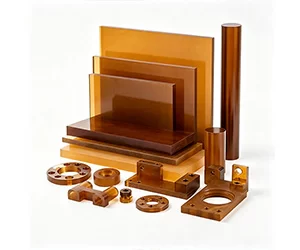
PEI Plastic Materials

Polyetherimide Sheet, Rod & Custom Parts

PEI (polyetherimide) is an amorphous high performance engineering plastic that combines heat resistance, inherent flame retardancy, high strength and stiffness, and stable electrical insulation in one machinable material.

Widely known through the ULTEM® trade name, PEI is specified across semiconductor, electrical, aerospace, medical and chemical-processing equipment.

Great Plastics supplies PEI sheet, rod and tube stock and manufactures custom PEI parts by CNC machining, from prototype to production volume.

±0.01mm

machining tolerance

24h

RFQ response after drawings and application conditions are received

5-7 days

fast dispatch capability for suitable stock-form orders

1 piece

MOQ (Min. Order)

Overview

What Is PEI Plastic Material?

PEI is an amorphous thermoplastic engineering plastic available in different grades and stock forms for precision components. Natural, unfilled PEI typically has a transparent to translucent amber appearance, while color and performance can vary with grade, reinforcement, thickness, and processing conditions.

When specifying PEI, the material grade should be matched to the component’s operating temperature, mechanical load, electrical requirements, chemical exposure, and dimensional requirements. During the inquiry stage, please provide details regarding the material form, specifications, dimensions, and tolerance requirements, and specify whether you require raw material from stock or finished parts CNC-machined according to drawings.

High Strength and Rigidity

PEI provides high rigidity for brackets, covers, fixtures, and other components requiring structural stability. Grade selection should consider the applied load, operating temperature, and part geometry.

Dimensional Stability

PEI’s amorphous structure and low moisture absorption support good dimensional stability in precision components. Actual dimensional changes can vary with temperature, humidity, machining conditions, and part geometry.

Electrical and Flame Performance

PEI provides good electrical insulation and is available in grades with specific flame-retardant performance. Electrical and flame properties depend on the grade, thickness, and service conditions.

Available Forms

PEI Plastic Forms & Custom Parts
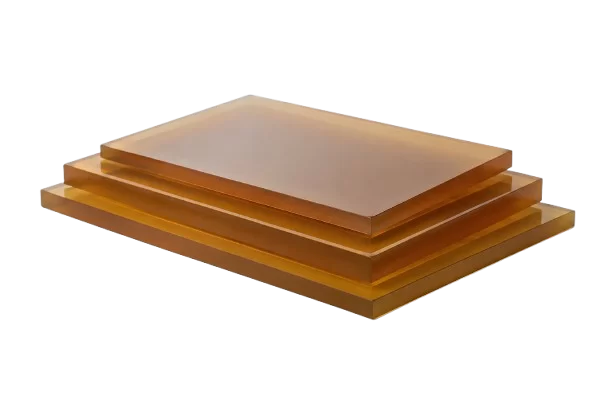
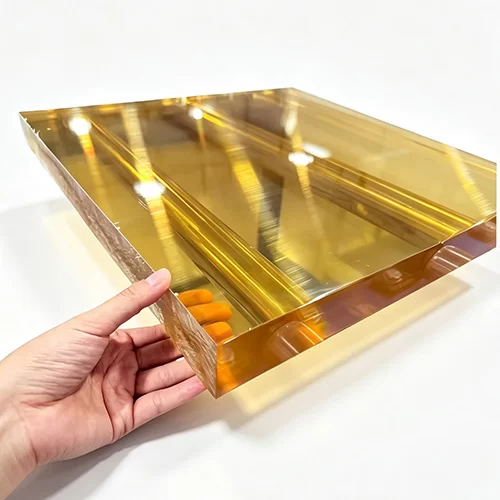
PEI sheet and plate stock for custom machined components

PEI Sheet

PEI sheet and plate stock for insulating plates, panels, fixtures, covers, and machined components. Cut-to-size blanks are available for custom machining.

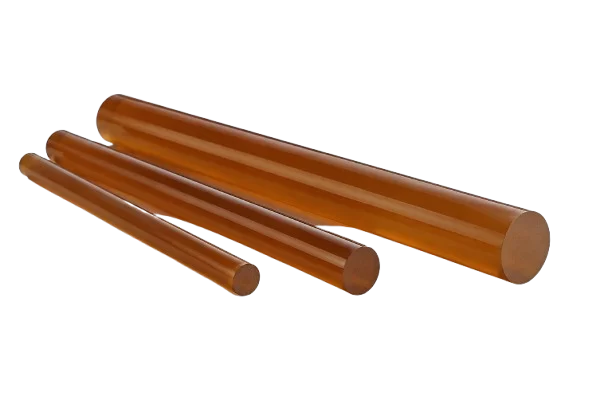
PEI rodPEI rod stock for precision turned plastic components

PEI Rod

Round PEI rod stock for spacers, standoffs, bushings, pins, and turned components. Rod sizes can be selected according to part dimensions and machining requirements.

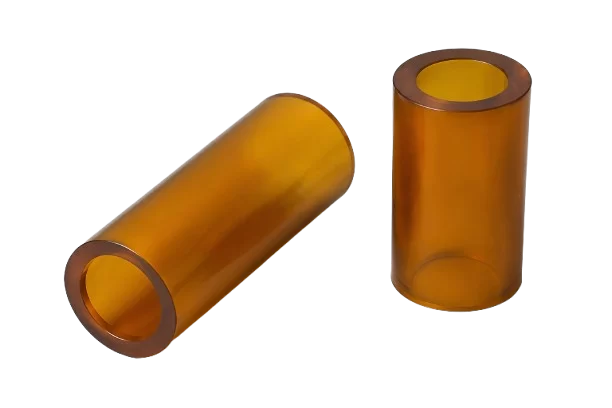
PEPEI tube stock for insulating sleeves and rings

PEI Tube

PEI tube stock for insulating sleeves, spacers, rings, and other hollow components. Tubular blanks can reduce machining time and material removal for suitable part geometries.

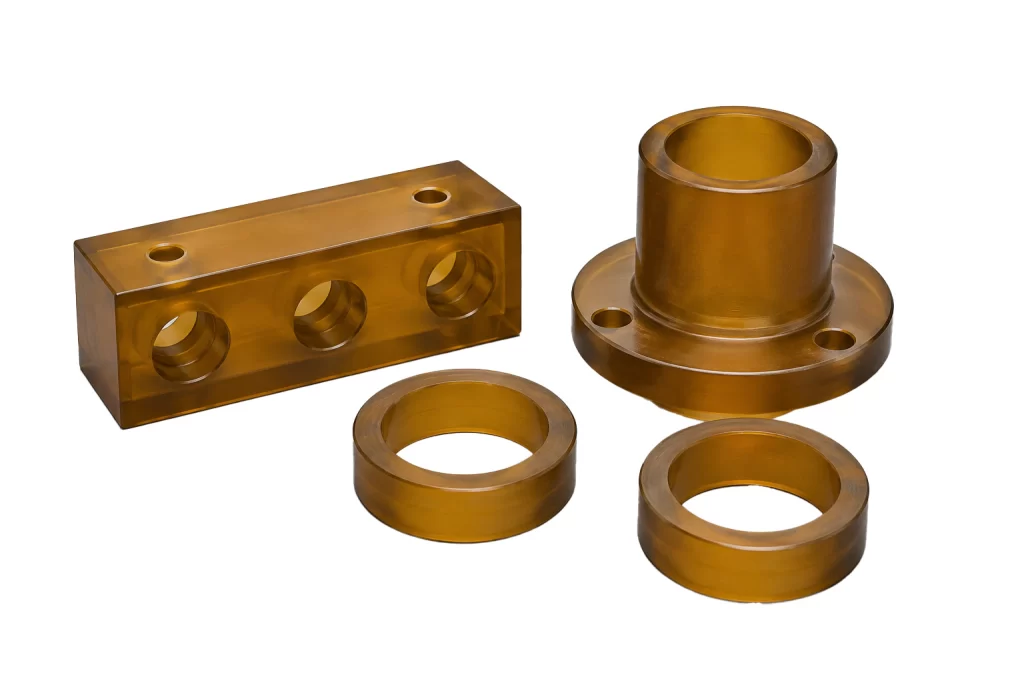
Custom CNC machineCustom CNC machined PEI plastic components

Machined Components

CNC-machined PEI components produced from sheet, rod, or tube stock according to your drawings, dimensions, material grade, and application requirements.

Material Selection

PEI Material Grades & Filler Selection

PEI grade selection depends on stiffness, dimensional stability, electrical insulation, operating conditions, machining requirements, and applicable specifications. Common options include unfilled and glass-filled PEI. ULTEM is a trademark of SABIC; resin, stock-shape, and machined-part data are related but not identical.
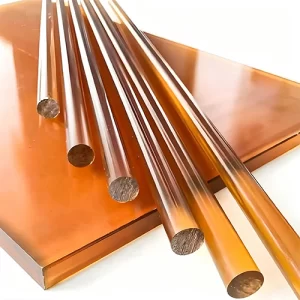
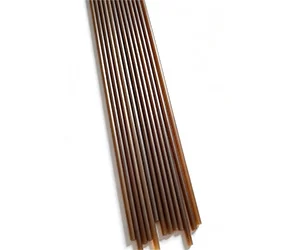
Unfilled PEI Rods & Sheets

Unfilled PEI

Suitable for amber translucent parts, spacers, covers, instrument components, and general precision machining where reinforcement is not required.

Glass-Filled PEI Solid Rods

Glass-Filled PEI

Selected for higher stiffness and dimensional control. Glass reinforcement can affect fiber orientation, surface finish, tool wear, and machining conditions.

Specialty PEI Grades

Specialty PEI Grades

Specialty grades may be selected for specific electrical, color, healthcare, regulatory, or other application requirements. Grade-specific technical and compliance documentation should be reviewed before selection.

PEI Machined Components

Grade Selection for Custom Parts

For custom PEI parts, consider the operating temperature, mechanical load, dimensional tolerances, electrical requirements, part geometry, and machining requirements together.

Performance Data

Key PEI Performance Characteristics

PEI is an amorphous thermoplastic that combines high stiffness, thermal resistance, electrical insulation, and dimensional stability. Performance depends on the specific grade, part geometry, operating conditions, and processing method.

Mechanical Properties

PEI maintains useful mechanical performance at elevated temperatures, making it suitable for fixtures, supports, insulating components, and other parts exposed to heat. Sustained load and temperature should be considered when evaluating deformation.

Thermal Properties

PEI has relatively low moisture absorption compared with many engineering thermoplastics, supporting dimensional stability in precision components. Moisture, temperature, part geometry, and machining conditions should still be considered for close-tolerance fits.

Chemical Properties

PEI provides resistance to many industrial chemicals, but compatibility depends on the specific chemical, concentration, temperature, exposure time, and mechanical stress. Aggressive environments should be evaluated for potential environmental stress cracking.

Electrical Properties

PEI is used for electrical insulating components and applications requiring flame-resistant materials. Flammability and electrical properties vary by grade, color, thickness, and test method.

Note: Actual values depend on the specific PEI grade, formulation, processing method, test standard, and application conditions.

Manufacturing Capability

PEI CNC Machining and Custom Components

PEI machining requires control of heat, clamping pressure, residual stress, and dimensional change. Tool geometry, coolant compatibility, thin-wall features, and inspection conditions should be considered for precision parts. Transparent or specialty PEI grades may also require additional attention to surface appearance and material identification.

We support prototype development, low-volume production, and OEM manufacturing programs for precision PEI parts.

CNC Milling & Turning
Precision Machining
Tight Tolerance Parts
Prototype Production
OEM Volume Manufacturing
Multi-Axis Machining
1–10,000+
Parts per Run
CMM
Inspection
24h
Quote Turnaround

custom Selection

Custom PEI Precision Components

Custom PEI parts are manufactured from PEI sheet, rod, or tube stock according to your drawings, material grade, dimensions, tolerances, and application requirements. The part design and machining process are reviewed together to account for geometry, wall thickness, critical dimensions, and operating conditions.

PEI-Polyetherimide-plastic-parts

PEI Parts from Drawings

Custom components can be produced according to customer drawings, including dimensions, tolerances, hole patterns, threads, grooves, and other precision features. Material grade and stock form can be selected according to the required application.

Typical Custom PEI Components

Common PEI components include insulating plates, connector blocks, spacers, sleeves, bushings, rings, brackets, covers, fixtures, and precision instrument components.

PEI Prototype to Production

PEI parts can be supplied for prototype development, low-volume production, and repeat orders. Production planning can be adjusted according to part geometry, quantity, material availability, and inspection requirements.

Custom PEI Part Review

For close-tolerance PEI components, the drawing review can consider material grade, stock dimensions, wall thickness, datum structure, critical tolerances, surface finish, and inspection requirements before production.

Industry Use Cases

Applications of PEI Plastic Materials

PEI is used for precision components in semiconductor equipment, electrical and electronics, medical and analytical equipment, aerospace systems, and industrial machinery. Typical applications include insulating components, fixtures, connector supports, instrument components, and custom machined parts.

Semiconductor Equipment

Parts

  • Wafer handling components
  • Insulating fixtures
  • Positioning and alignment parts
  • Connector blocks and supports

why PEI

PEI is suitable for precision electrical components requiring stable insulation, dimensional control, and resistance to elevated operating temperatures.

RFQ factors

Voltage, temperature, insulation requirements, part geometry, and applicable electrical specifications.

Medical & Analytical Equipment

Parts

  • Instrument components
  • Positioning fixtures
  • Sample-handling components
  • Equipment covers and insulating supports

why PEI

PEI can be machined into complex precision components for equipment requiring controlled geometry, dimensional stability, and application-specific material requirements.

RFQ factors

Material grade, cleaning or sterilization conditions, operating temperature, chemical exposure, tolerances, and applicable documentation.

Aerospace Components

Parts

  • Electrical housings
  • Connector supports
  • Insulating components
  • Precision brackets

why PEI

PEI can be considered for lightweight precision components where thermal performance, electrical insulation, and application-specific flame or compliance requirements are important.

RFQ factors

Service temperature, mechanical load, operating environment, weight requirements, and applicable specifications.

Industrial Machinery

Parts

  • Fixture plates
  • Bushings and spacers
  • Supports and brackets
  • Covers and positioning components

why PEI

PEI is used for precision industrial components requiring dimensional control, electrical insulation, and resistance to elevated operating temperatures.

RFQ factors

Load, temperature, mating components, tolerances, surface finish, and operating environment.

Material Comparison

PEI vs. Other Engineering Plastics

The table below compares PEI with commonly selected high-performance engineering plastics. Material selection depends on temperature, mechanical load, chemical exposure, wear, machinability, and cost.

PEI vs Alternatives Selection Table
Comparison Consider PEI when Consider the alternative when
PEI vs PEEK Dimensional control, electrical insulation, stiffness, flame performance, transparency, or overall material cost are important within the required operating range. Higher continuous-use temperature, chemical resistance, wear performance, or demanding mechanical conditions are the primary requirements.
PEI vs PPS Electrical insulation, stiffness, dimensional control, transparency, or the requirements of an amorphous thermoplastic are important. Chemical resistance, low moisture absorption, or cost-performance is prioritized.
PEI vs PC Higher temperature capability, stiffness, electrical insulation, or flame performance is required beyond typical PC applications. Impact strength, optical clarity, or lower material cost is more important.
PEI vs PAI Electrical insulation, dimensional control, machinability, and the required performance can be achieved without the higher performance level of PAI. Severe mechanical load, wear, creep resistance, or more demanding temperature conditions dominate the application.

PEI is often selected for applications requiring dimensional stability, electrical insulation, stiffness, heat resistance, and flame performance. PEEK is considered when higher continuous-use temperature, chemical resistance, or demanding wear performance is required, while PPS is commonly selected for chemical resistance, low moisture absorption, and cost-performance. PC is often preferred where impact strength, optical clarity, or lower material cost is more important, while PAI is used for demanding load, wear, creep, and temperature conditions. Final material selection should be confirmed against the applicable grade datasheet and actual operating conditions.

Your Partner

Why Choose Great Plastics

Great Plastics supports PEI material selection, stock-shape review, drawing review, CNC machining, dimensional inspection, and production documentation for custom PEI components.

01

Material & Grade Selection

PEI grade selection can be reviewed according to operating temperature, electrical requirements, chemical exposure, mechanical conditions, and applicable documentation requirements.

02

Stock & Drawing Review

Stock form, material dimensions, part geometry, datum structure, wall thickness, critical dimensions, tolerances, and machining approach can be reviewed before production.

03

Custom Manufacturing

PEI sheet, rod, and tube stock can be CNC machined into custom components according to drawings, quantities, material requirements, and production specifications.

04

Inspection & Documentation

Dimensional inspection, material documentation, inspection records, and traceability requirements can be aligned with the purchase order and project requirements.

Request a Quote for Custom PI Plastic Components

Send your drawings, specifications, or part samples to our engineering team.

We’ll respond with material recommendations, pricing, and lead times within one business day.

Common Questions

Frequently Asked Questions

These questions cover common considerations related to PEI material selection, grades, machining, and custom parts. Final engineering decisions should be based on the selected grade’s technical data and actual application conditions.

PEI (polyetherimide) is an amorphous high-performance engineering thermoplastic known for its combination of heat resistance, stiffness, dimensional stability, electrical insulation, and flame performance. It is available in different grades for applications with different mechanical, electrical, and regulatory requirements.

PEI can be considered when dimensional stability, electrical insulation, stiffness, flame performance, or the requirements of an amorphous material are important. PEEK may be preferred when higher continuous-use temperature, chemical resistance, wear performance, or demanding mechanical performance is the primary requirement. Final selection depends on the specific grade and operating conditions.

Yes. PEI sheet, rod, and tube can be CNC machined into precision components. Machining should account for heat generation, clamping stress, residual stress, wall thickness, tolerances, and the specific PEI grade. Glass-filled grades may require different machining conditions because reinforcement can affect tool wear and surface finish.

Send the part drawing or CAD file together with the required PEI grade, quantity, critical tolerances, operating conditions, and any inspection or documentation requirements. Great Plastics can review the material, stock form, part geometry, machining requirements, and inspection requirements before quotation and production.

PEI is the polymer family; ULTEM is SABIC’s PEI resin brand.