Energy Engineering Plastics

Energy engineering plastics for pumps, valves, seals and insulators.

Review PEEK, PPS, PTFE, PVDF, acetal, nylon and other engineering plastics for energy equipment parts exposed to heat, pressure, chemicals, wear, insulation needs and maintenance schedules.

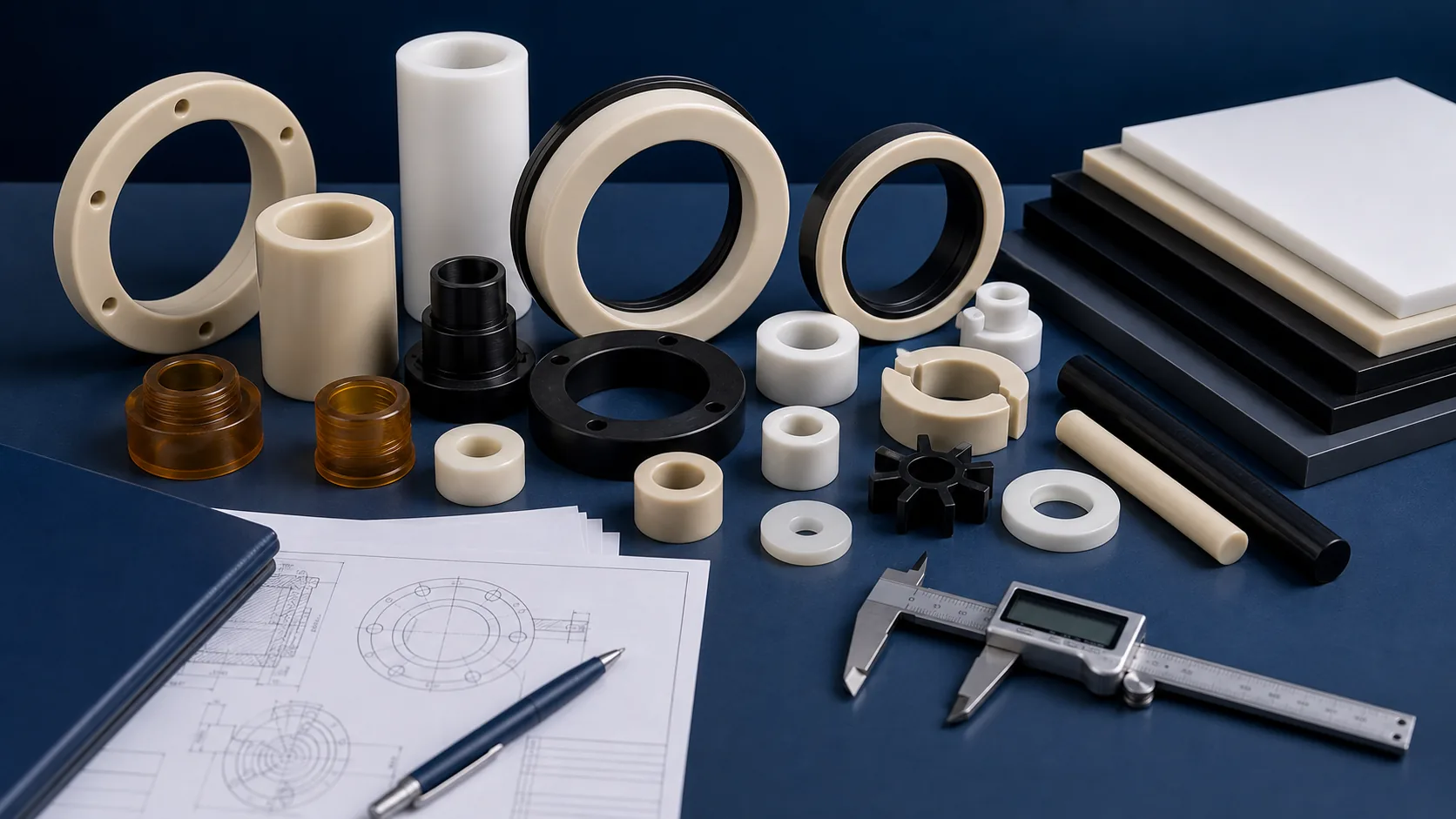
Energy equipment engineering plastic insulators seals and bushings on a blue gray technical desk

Short answer

Energy plastic parts are selected by media, pressure, wear and downtime risk.

Energy engineering plastics are used where metal, rubber or commodity plastics may struggle with chemical media, friction, electrical insulation, corrosion, weight or maintenance replacement timing. The best material choice depends on the service condition: fluid, concentration, temperature, pressure, load, speed, mating surface, tolerance, documentation and expected operating life.

Application matrix

Common energy engineering plastics project types.

Project context Typical parts Material directions Review before quote
Pumps and rotating equipment Wear rings, bushings, thrust washers, guide parts PEEK, PPS, PTFE, filled PTFE, POM, nylon Load, speed, media, shaft material, clearance and dry-run risk
Valves and flow control Valve seats, sealing rings, spacers, sleeves PTFE, filled PTFE, PEEK, PPS, PVDF Pressure, media, temperature, sealing surface and creep resistance
Electrical and thermal insulation Insulators, standoffs, support blocks, spacer plates PEI, PEEK, PPS, acetal, laminates Voltage, heat, dimensional stability, flame target and mounting method
Maintenance replacement parts Machined replacements, cut blanks, pads, rollers Material matched to sample or upgraded by service condition Downtime, sample condition, drawing accuracy, lead time and quantity
Chemical and process exposure Guides, seals, tank parts, manifolds, process spacers PTFE, PVDF, PEEK, PPS, PP, PE Chemical list, concentration, cleaning exposure and temperature

Material choices

Materials commonly reviewed for energy equipment components.

PEEK

Reviewed for demanding pump, valve and wear parts where heat, chemical exposure, strength and dimensional stability all matter.

Review PEEK

PPS

Often considered for chemical and dimensional stability where a cost-balanced high-performance plastic is useful.

Review PPS

PTFE and filled PTFE

Useful for low friction and chemical resistance in seats, seals and sliding surfaces, with load and creep reviewed carefully.

Other plastics

PVDF and fluoropolymers

Reviewed for wet chemical environments, fluid handling and corrosion-prone parts when mechanical load is within range.

Chemical processing plastics

POM and nylon

Practical options for moderate wear, mechanical replacement parts and cost-sensitive components when environment allows.

Performance guides

Stock shapes

Sheets, rods and tubes can shorten maintenance review for cut blanks, machined wear parts and low-volume replacements.

Product forms

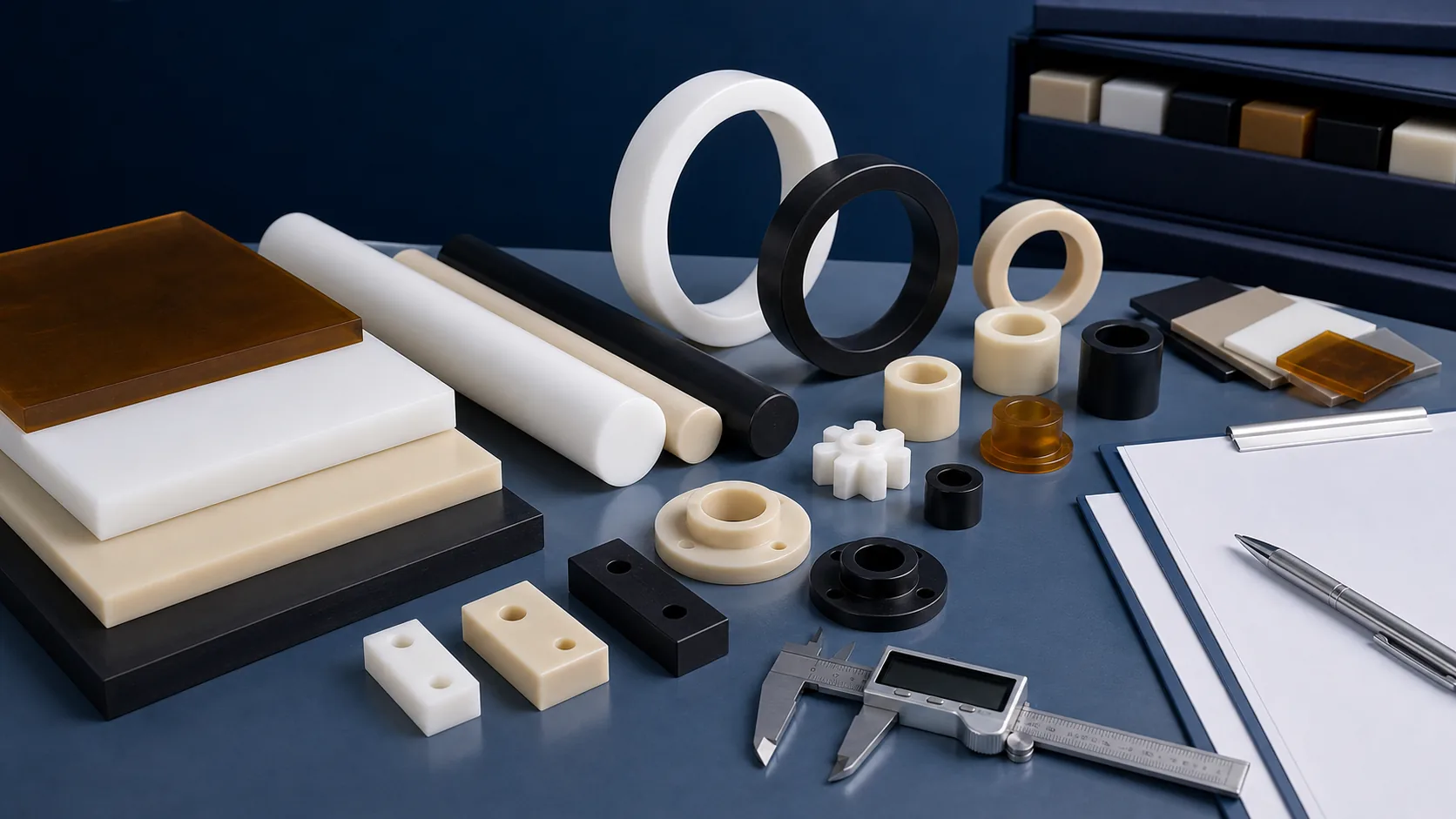
Chemical resistant engineering plastic parts for fluid handling arranged on a blue gray desk

Failure causes

Why energy plastic parts fail earlier than expected.

The media list is incomplete. Additives, cleaning fluids, mixed chemicals and temperature can change a material that looked acceptable on paper.

Pressure and creep are underestimated. Valve seats, seals and spacers may deform when pressure, heat and long-term compression act together.

Wear is separated from chemistry. A sliding part can fail when a chemical-resistant material lacks the friction or abrasion behavior the application needs.

Replacement geometry is copied without context. A worn sample may not show the original fit, clearance, sealing face or inspection requirement.

Selection path

Translate energy requirements into material and process choices.

Requirement Practical material direction Manufacturing note Useful next page
Chemical resistant valve seat PTFE, filled PTFE, PEEK, PPS, PVDF Review sealing face, pressure, media and creep risk. Material datasheets
Pump bushing or wear ring PEEK, PPS, POM, nylon, filled PTFE Check clearance, shaft material, speed and fluid lubrication. CNC plastic machining
Electrical support part PEI, PEEK, PPS, acetal, laminates Review voltage, heat, mounting stress and flatness. Material properties
Maintenance replacement Match existing material or upgrade by failure mode Use drawing, sample photos and failure notes to avoid repeating the same problem. Custom plastic parts

Manufacturing route

Choose the process that fits energy equipment timing.

01

CNC machining

Useful for replacement parts, pump components, valve seats, precision features and low-volume maintenance batches.

CNC plastic machining

02

Cut blanks and stock shapes

Sheets, rods and tubes support quick material review for pads, spacers, bushings and custom machined blanks.

Plastic rods

03

Repeat production planning

Use repeat machining, custom cutting, molding or other routes when quantity and geometry become stable.

Rapid manufacturing

RFQ checklist

Energy project details to include with the drawing.

  • Drawing or sample: 2D drawing, 3D model, worn sample photos or marked critical dimensions.
  • Part function: seal, seat, bushing, insulator, spacer, wear surface, guide or replacement part.
  • Media and environment: fluid, concentration, pressure, temperature, cleaning exposure and outdoor conditions.
  • Mechanical conditions: load, speed, mating surface, clearance, vibration and expected duty cycle.
  • Material direction: target resin, known failure material, approved substitutes or materials to avoid.
  • Commercial details: downtime, quantity, lead time, inspection points, documentation and packaging needs.

FAQ

Questions buyers ask about energy engineering plastics.

Which plastics are commonly reviewed for energy equipment parts?

PEEK, PPS, PTFE, filled PTFE, PVDF, POM, nylon and UHMW-PE may be reviewed depending on chemical exposure, temperature, pressure, load, wear and electrical insulation needs.

What energy applications use engineering plastic components?

Common applications include pump wear rings, valve seats, bushings, seals, insulators, spacers, guide pads, rollers, cut blanks and machined maintenance replacement parts.

How should I choose plastic for pump and valve parts?

Start with the media, pressure, temperature, wear surface, dimensional fit, duty cycle, cleaning exposure, quantity and documentation requirement before selecting the material.

Can CNC machining support energy equipment replacement parts?

CNC machining is useful for replacement parts, prototypes, low-volume maintenance batches and precision features when drawings, samples or marked dimensions are available.

What details should an energy plastics RFQ include?

Include drawing or model, part function, material target, media, temperature, pressure, load, tolerance, quantity, surface finish, documentation needs and lead-time target.

Related pages

Continue the energy material review.

Industry RFQ

Send the operating conditions with the energy equipment drawing.

Include material target, media, pressure, temperature, part function, drawing or sample, quantity, tolerance, finish, documentation needs and lead-time target.

Request engineering review

Great Plastics engineering plastics sourcing and custom parts support.

Request RFQ