High-Performance Plastic Sheets & Plates

PEEK, PPS, PI, PEI & PAI — stock sizes, cut-to-size blanks & CNC machining.

Great Plastics supplies sheet and plate in five high-performance thermoplastics. We review material, thickness, flatness and machining allowance before quoting — whether you need full sheets, cut blanks or near-finished parts.

5

High-performance materials

18+

Years in special plastics

6000K+

Parts produced

ISO 9001

Quality system certified

Materials We Supply

Five high-performance thermoplastics, one sheet source

We do not supply commodity engineering plastics (POM, nylon, PTFE, PC). Every sheet we ship is selected for heat, chemical resistance, wear or electrical performance.

PEEK

Polyether ether ketone

Continuous use: 250°C

Best for: General high-performance, fixtures, insulators

PPS

Polyphenylene sulfide

Continuous use: 200–240°C

Best for: Chemical resistance, low moisture, stability

PI

Polyimide

Continuous use: 260–300°C

Best for: Extreme heat, vacuum, aerospace

PEI

Polyetherimide

Continuous use: 170°C

Best for: Electrical insulation, flame resistance, cost-effective

PAI

Polyamide-imide

Continuous use: 250°C

Best for: High strength, creep resistance, loaded wear

Sizes & Stock Program

Available thicknesses and standard sheet sizes

All dimensions in millimeters. Stock items ship within days; made-to-order grades are marked below. Contact us for sizes outside this program.

Material Grade / fill Color Thickness range Std width × length Tolerance Status
PEEK Unfilled / GF30 / CF30 / wear grade Natural tan, black 3–100 mm 600 × 1000 / 2000 mm ±0.3–0.5 mm Stock
PPS Unfilled / GF40 Natural, black 10–70 mm 600 × 1000 / 2000 mm ±0.3–0.5 mm Stock
PI Unfilled (220 / 260 / 300 / 350°C grades) Amber / dark brown 6–50 mm 300 × 500 mm ±0.5 mm Stock
PEI Unfilled / GF30 Translucent amber 5–50 mm 600 × 1000 / 2000 mm ±0.3–0.5 mm Stock
PAI Unfilled / 4230 wear grade Brown-green / black 5–30 mm 600 × 1000 mm ±0.5 mm Stock

Product forms

Choose the sheet form around the finished part requirement

A sheet RFQ can mean full sheet supply, cut-to-size blanks, machined panels or finished flat plastic parts. Material movement, thickness tolerance, flatness, edge quality and whether the part will be machined later should be reviewed before quoting.
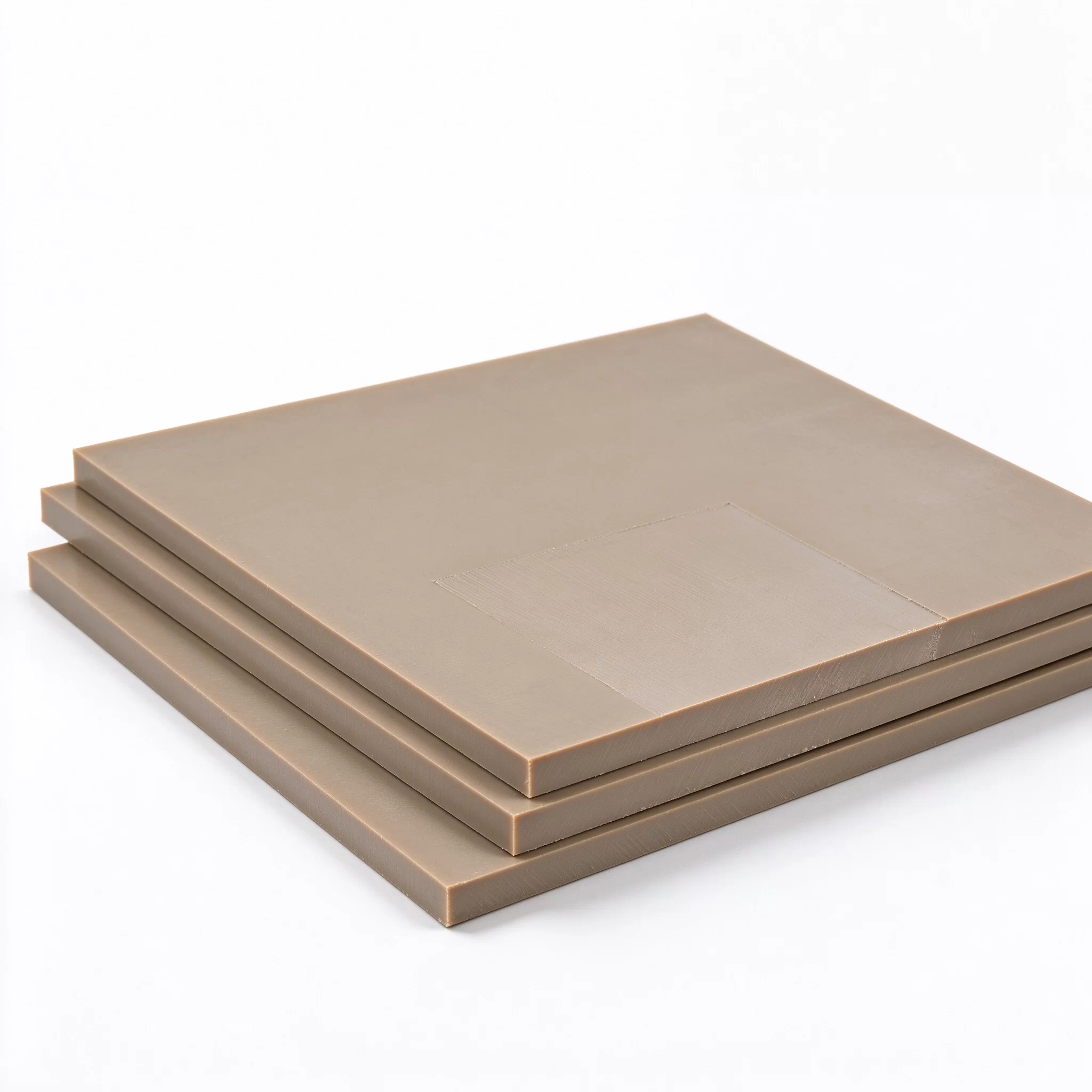
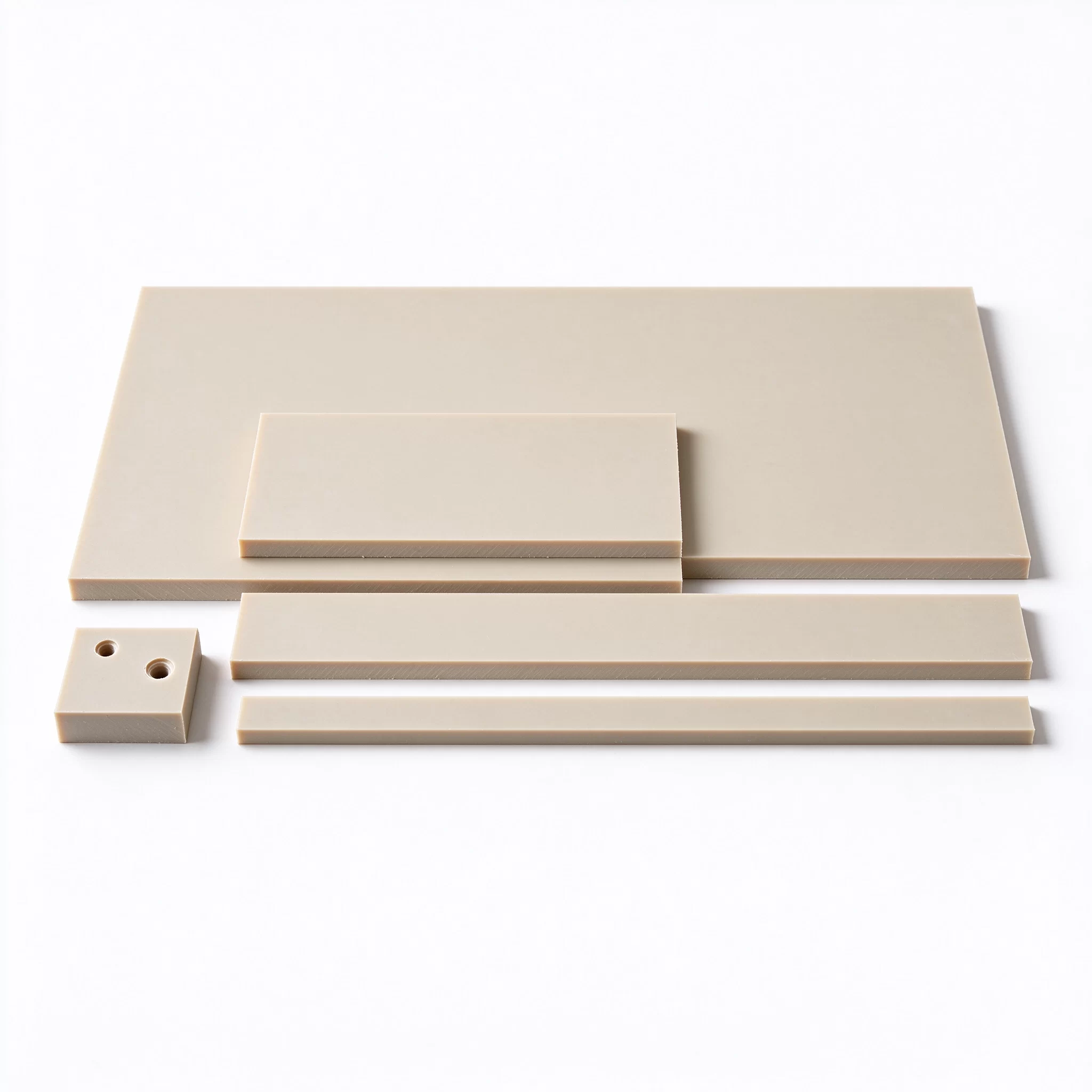
Full PEEK PPS plastic sheet, raw stock plate

Full sheets and plates

For stock sourcing and internal cutting or machining. Review material grade, sheet size, thickness range and flatness against your stock program.

Cut-to-size blanks

Rectangular blanks, panels and machining preparation. Define dimensions, thickness, tolerance, edge state and downstream machining allowance.

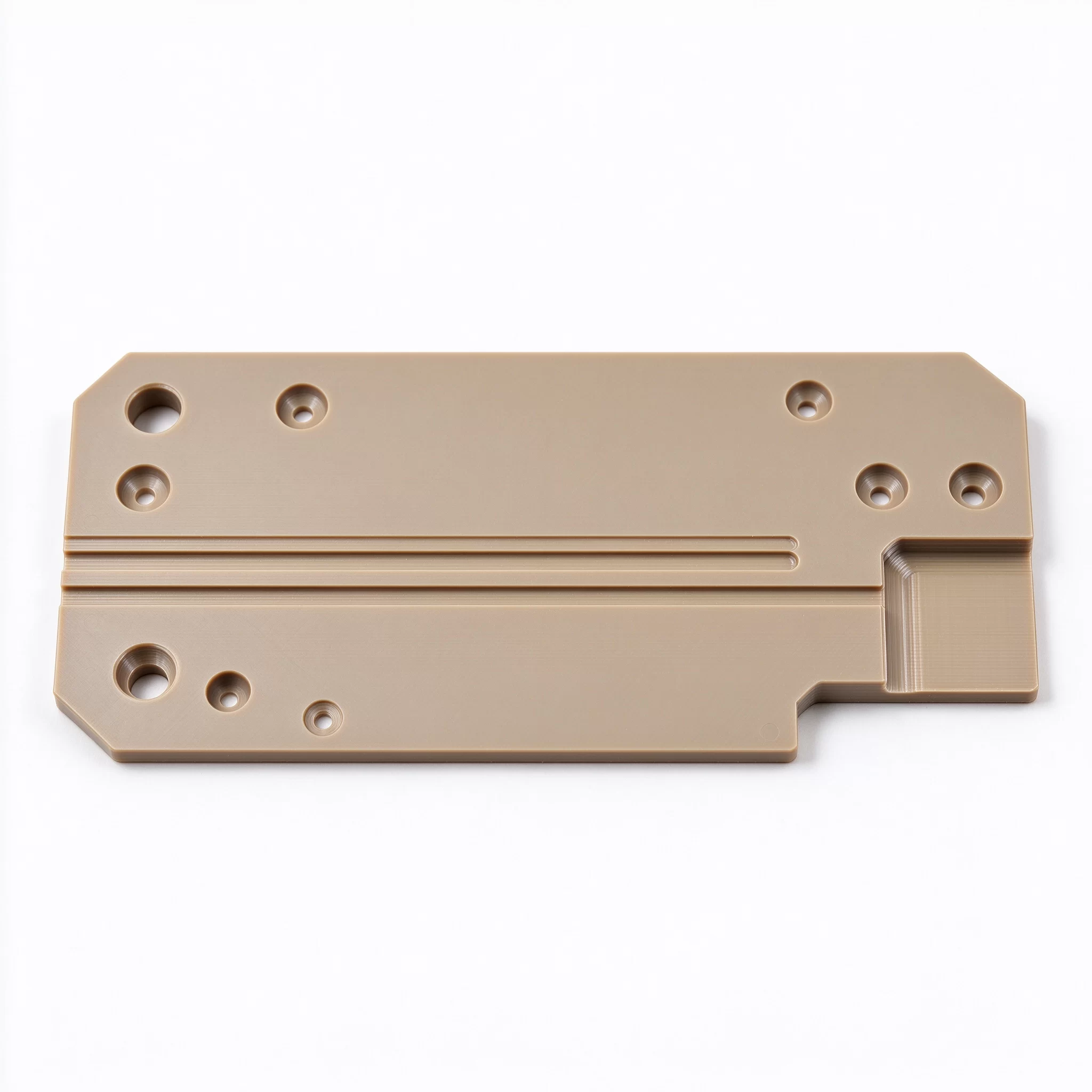
CNC machined engineering plastic plate with holes and slots

CNC-machined plates

Holes, pockets, slots, flat faces and controlled edge quality from sheet blanks. Confirm tolerance and feature list per drawing.

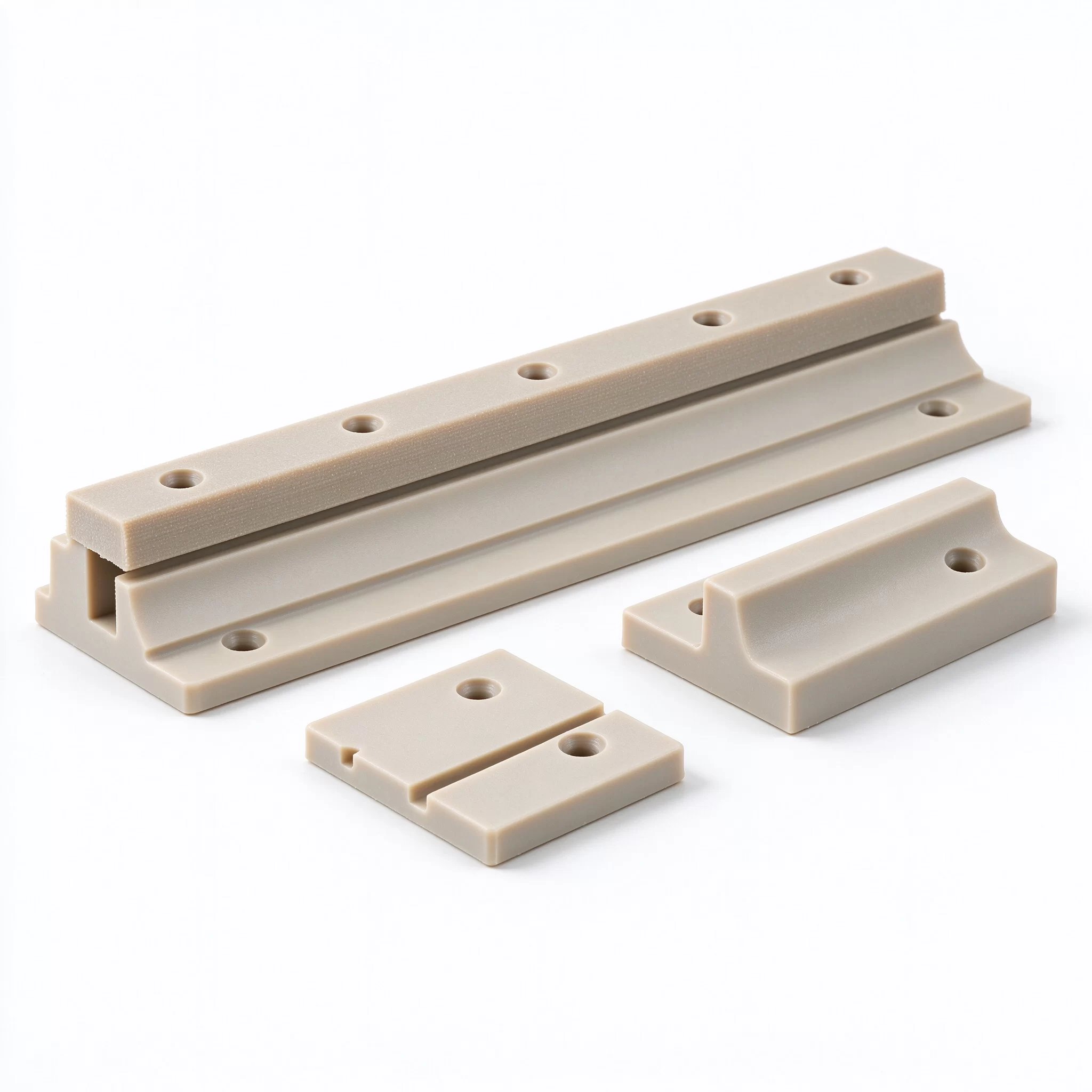
PEEK PPS sliding wear plate, machinery guide plastic panel

Wear plates and guide panels

For sliding contact, abrasion, load and mating surface review. Specify friction, wear and lubrication conditions before selection.

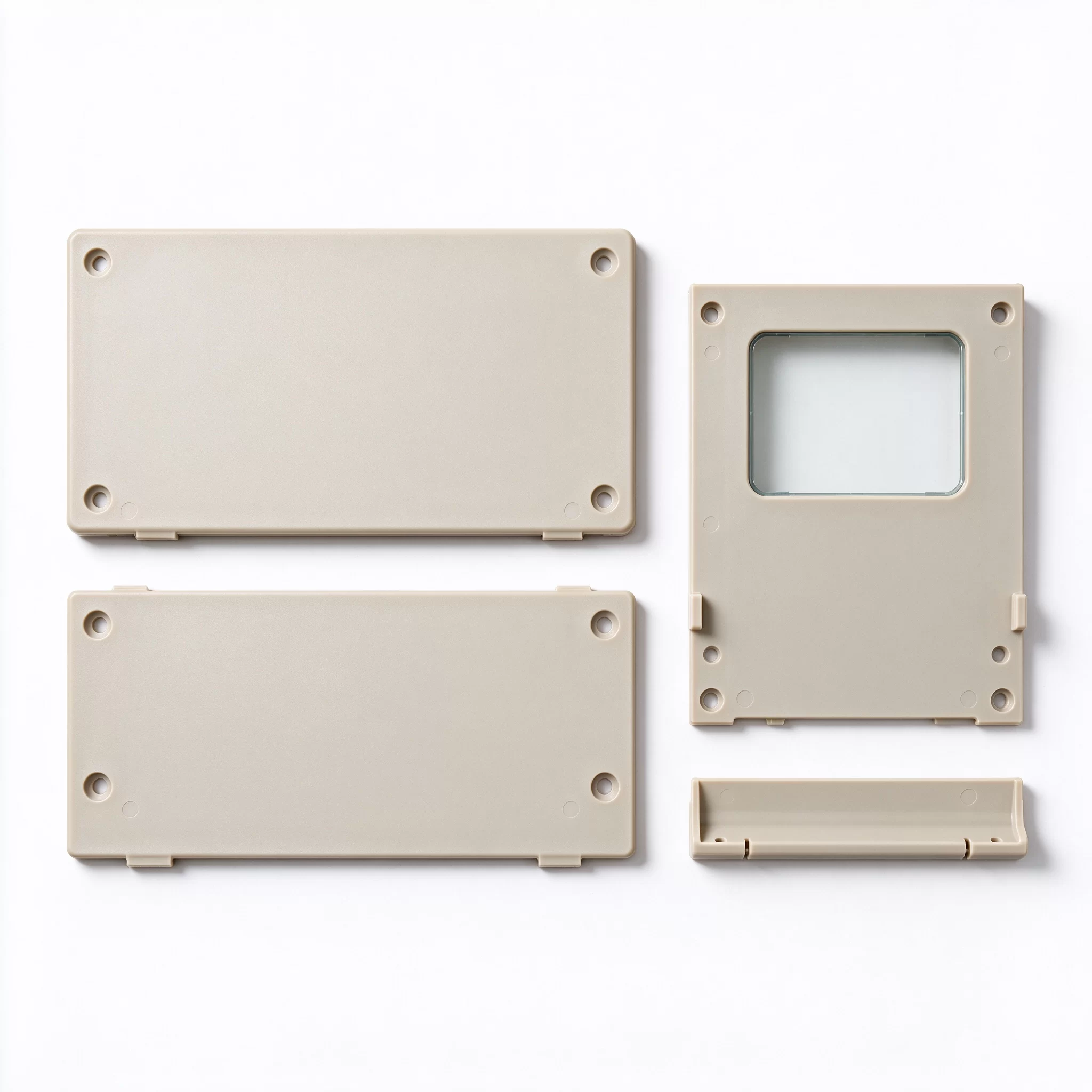
Engineering plastic safety cover, chemical & impact resistant machine guard

Insulating panels and protective guards

For electrical, chemical, impact or transparent material requirements. Confirm insulation, clean-process and guarding needs.

Material selection

Match the sheet material to the application and machining risk

Choose material from the application condition, not from a generic label. Material grade and service conditions change the correct sheet selection.

High-performance plates and fixtures

Review heat, chemicals, stability, thickness and machined features for demanding sheet applications.

Wear plates, guides and machine parts

Define load, moisture, creep, wear surface and flatness needs for moving and load-bearing sheets.

Chemical and low-friction panels

Send chemical, temperature, seal or fluid-contact requirements for resistant sheet materials.

Guards, covers and clear panels

Clarify impact, transparency, edge and cosmetic expectations for protective and see-through sheets.

Sheet specification matrix

What Should You Specify for a Plastic Sheet Order?

Define all parameters that impact pricing, part fit and supply risk. Realizable dimensions and tolerances vary by material grade, sheet size and geometry. Verify each parameter against your actual requirements; do not default to assumed generic standards.

Product form Material Thickness Length × width Flatness Edge state Machining features Service & inspection
Full sheet / plate PEEK, PPS, PEI or related Nominal and actual range reviewed per material stock Standard sheet size or custom length × width Confirm the flatness window for the plate size As-extruded or sawn edge stated in the RFQ For stock sourcing or downstream machining allowance State operating temperature, load and inspection needs
Cut-to-size blank Chosen from application or requested grade Defined to support machining or assembly Rectangular blank dimensions and quantity Confirm flatness and any bow on large panels Sawn, routed or machined edge quality defined Machining allowance where secondary cutting applies Define tolerance, finish and packaging per batch
CNC-machined plate Grade matched to features and operating risk Final thickness including any machining stock Finished plate length and width per drawing Flat faces and parallelism confirmed on critical plates Controlled edge finish around machined profiles Holes, pockets, slots, threads and flat faces listed Critical dimensions inspected and reported on request
Wear / guide plate Wear-resistant grades such as PEEK Based on load, contact and mating-surface review Mating area and mounting geometry defined Confirm surface flatness for sliding contact Edge radius or chamfer where guided contact occurs Mounting holes, slots and wear faces machined Friction, wear and lubrication conditions stated
Insulating / guard panel Electrical or chemical grades such as PEI or PPS Based on insulation, impact or guarding requirement Panel size, mounting and clearance defined Confirm panel flatness and any optical requirement Edge finish and cut quality for safe handling Cut-outs, holes and mounting features per drawing Electrical, chemical, impact or clean-process needs stated

Supply & machining routes

Choose how your sheet is supplied and machined

Four routes cover most sheet sourcing and conversion needs. Send the product form and operating requirements so the right route can be reviewed before quoting.
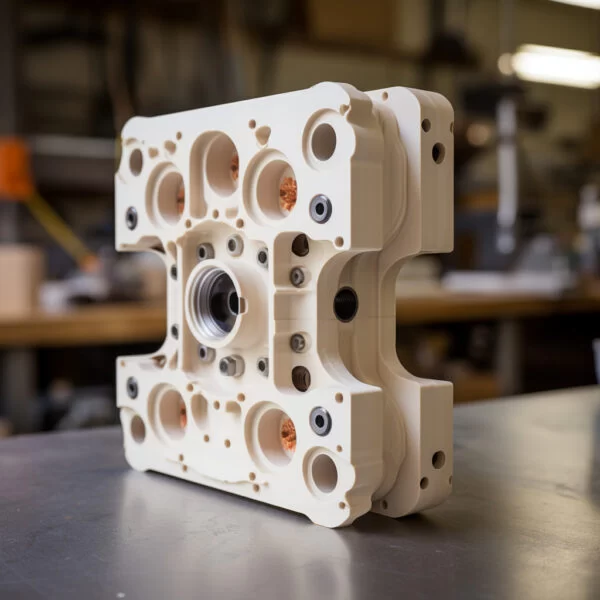
Full sheet supply

Stock sheets and plates for internal cutting or machining, with material, size and thickness reviewed for your program.

Cut-to-size blanks

Rectangular blanks and panels with controlled dimensions, edge quality and machining allowance before machining or assembly.

CNC machining

Machined plates and panels with holes, pockets, slots, flat faces and controlled edge quality to drawing.

Custom-Machined Plastic Parts

Move from sheet blanks to finished flat parts with material selection, machining, inspection and RFQ handled together.

RFQ details

What do you need for a sheet quote?

Share the drawing when the plate has holes, pockets, flatness requirements, surface machining or edge details. If you only know the working condition, start with the environment and part function.

  • Material name, grade if known, or performance target
  • Thickness, length, width and quantity for each size
  • Full sheet, cut-to-size blank or machined plate route
  • Drawing, CAD file, marked photo or critical feature list
  • Flatness, edge condition, holes, pockets and surface needs
  • Temperature, chemical, load, wear, electrical or cleaning conditions
  • Inspection, documentation, packaging and shipping expectations
  • Target use: prototype, replacement, fixture or repeat production

Buyer questions

Frequently Asked Questions

Engineering plastic sheets are used for cut blanks, machined plates, flat panels, wear pads, insulating panels, fixtures, guards and custom plastic parts where the material must handle load, heat, wear, chemical exposure or electrical requirements.

Yes. Sheet stock can be cut into blanks, strips, panels or near-net rectangles before CNC machining. Include material, thickness, length, width, edge condition, tolerance and quantity in the RFQ.

PEEK, PPS and PEI are commonly reviewed for higher-temperature sheet applications, but the right choice depends on load, exposure time, chemical contact, insulation needs, dimensional stability and the final machined geometry.

Yes. Engineering plastic plates can be CNC machined into panels, fixtures, wear plates, guide panels, insulating plates, guards and custom parts with holes, pockets, grooves, countersinks and controlled edges.

Choose sheet or plate for flat panels, blanks, fixtures and machined plates; rod for round turned components; and tube for sleeves, spacers or ring-shaped parts. A drawing or part function helps confirm the best starting form.

Send material target, thickness, length, width, quantity, flatness needs, edge condition, drawing or CAD file, machined features, operating environment, inspection requirements and whether the request is for full sheets, cut blanks or finished machined plates.

Yes. If the material is not fixed, send the operating temperature, chemical exposure, load, wear condition, electrical needs, dimensions and part function so the sheet material and supply route can be reviewed before quoting.

Request an engineering plastic sheet quote

Send drawings, material targets and operating requirements before sourcing decisions are locked.

Great Plastics can review the sheet form, material route, cutting or machining needs and RFQ details before quoting.