GP
Great PlasticsEngineering Materials & Custom Parts
Industry Insights
Engineering plastics industry insights for material and application decisions.
Use this category to connect industry conditions with practical material selection, machining risk, documentation needs and RFQ preparation before locking in PEEK, PPS, PEI, PAI, PI or another engineering plastic.
Medical, chemical and semiconductor
Heat, wear, chemicals and insulation
Drawing, quality and RFQ readiness
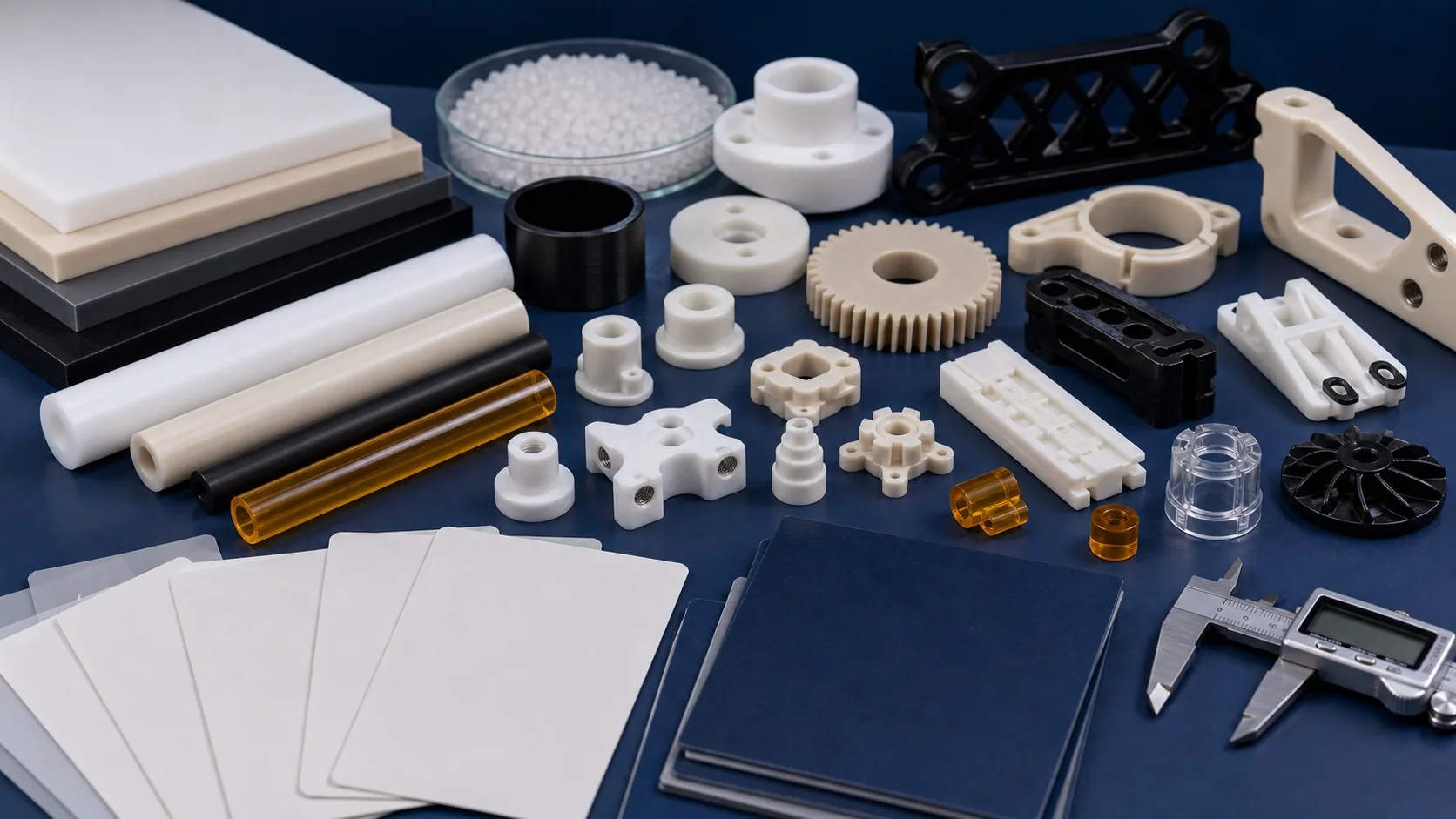
Category focus
Industry research should lead to a material decision, not another open question.
Industry pages are useful when they show which conditions matter before a buyer sends a drawing. A semiconductor fixture, a chemical valve seat, a medical device component and an automotive wear part may all use engineering plastics, but the quote logic changes with cleanliness, chemical exposure, heat, load, traceability and inspection expectations.
Industry decision map
Start with the condition that can make the part fail.
| Industry context | Typical plastic parts | Materials to compare first | RFQ detail that matters |
|---|---|---|---|
| Aerospace | Lightweight brackets, bushings, insulators, guides and prototype components. | PEEK, PEI, PI, PAI and PPS where heat, stiffness or documentation matters. | Temperature range, weight target, inspection requirement and approved material constraints. |
| Semiconductor | Fixtures, carriers, spacers, insulators, handling parts and process components. | PEEK, PI, PEI, PPS and selected fluoropolymers for clean, stable environments. | Cleanliness, chemical exposure, ESD/electrical behavior and dimensional stability. |
| Medical and laboratory | Equipment parts, trays, diagnostic fixtures, housings and precision supports. | PEEK, PEI, PPS, PI, PC and application-specific grades. | Cleaning method, documentation, traceability, finish and regulatory constraints. |
| Chemical processing | Valve seats, pump components, seals, manifolds, wear rings and corrosion-resistant parts. | PPS, PEEK, PTFE, PVDF and selected filled grades. | Chemical name, concentration, temperature, pressure and sealing surface requirements. |
| Machinery | Bushings, rollers, chain guides, wear pads, gears, spacers and replacement parts. | PEEK, PAI, POM, Nylon, UHMW-PE and PTFE-filled compounds. | Load, speed, mating surface, lubrication, noise target and replacement interval. |
| Automotive | Lightweight parts, insulation, wear components, prototypes and under-hood fixtures. | PPS, PEEK, PEI, POM, Nylon and reinforced grades. | Heat cycling, fluid exposure, vibration, quantity and validation stage. |
Application scenarios
Common questions behind industry material choices.
Can the part stay stable near heat?
High-temperature applications need more than a melting-point comparison. Review continuous temperature, cycling, stiffness, creep and the inspection temperature used for critical dimensions.
Will the plastic survive the fluid?
Chemical applications need the actual media name, concentration, contact time and temperature. PPS, PEEK, PTFE and PVDF can behave very differently once sealing surfaces and loads are included.
Is the part sliding, wearing or carrying load?
Wear applications should identify mating material, lubrication, load and speed before choosing PAI, PEEK, POM, Nylon, UHMW-PE or filled PTFE options.
Does documentation affect sourcing?
Medical, aerospace and semiconductor projects often need traceability, inspection notes or approved material restrictions. Add those requirements before quote review.
Is machining risk driving cost?
Thin walls, long slots, tight bores, flat plates and cosmetic faces can change the machining route. Mark functional dimensions separately from general geometry.
Should the project move from prototype to production?
Prototype parts may start with CNC machining or 3D printing, while repeat volume may require cut blanks, molded production or a staged validation plan.
Failure patterns
Industry applications often fail for predictable reasons.
| Failure pattern | Where it appears | How to reduce risk before RFQ |
|---|---|---|
| Material chosen by name only | PEEK specified for every severe-looking project, or Nylon used where moisture changes fit. | Define the real condition: heat, chemicals, wear, load, electrical need, cleaning and dimensional target. |
| Metal tolerance copied directly to plastic | Machined bushings, guides, spacers, fixtures and thin-wall parts. | Mark critical fit dimensions and relax non-functional dimensions where plastic movement is expected. |
| Chemical exposure described too generally | Pump, valve, seal, manifold and wet-process components. | Provide chemical name, concentration, temperature, pressure and exposure duration. |
| Documentation added after price review | Aerospace, medical, semiconductor and export projects. | Include certificate, inspection, traceability, packaging and cleaning requirements from the first RFQ. |
| Prototype route treated as production route | Early medical, automotive, machinery and energy components. | State prototype quantity, target annual volume and design maturity so the manufacturing path can be staged. |
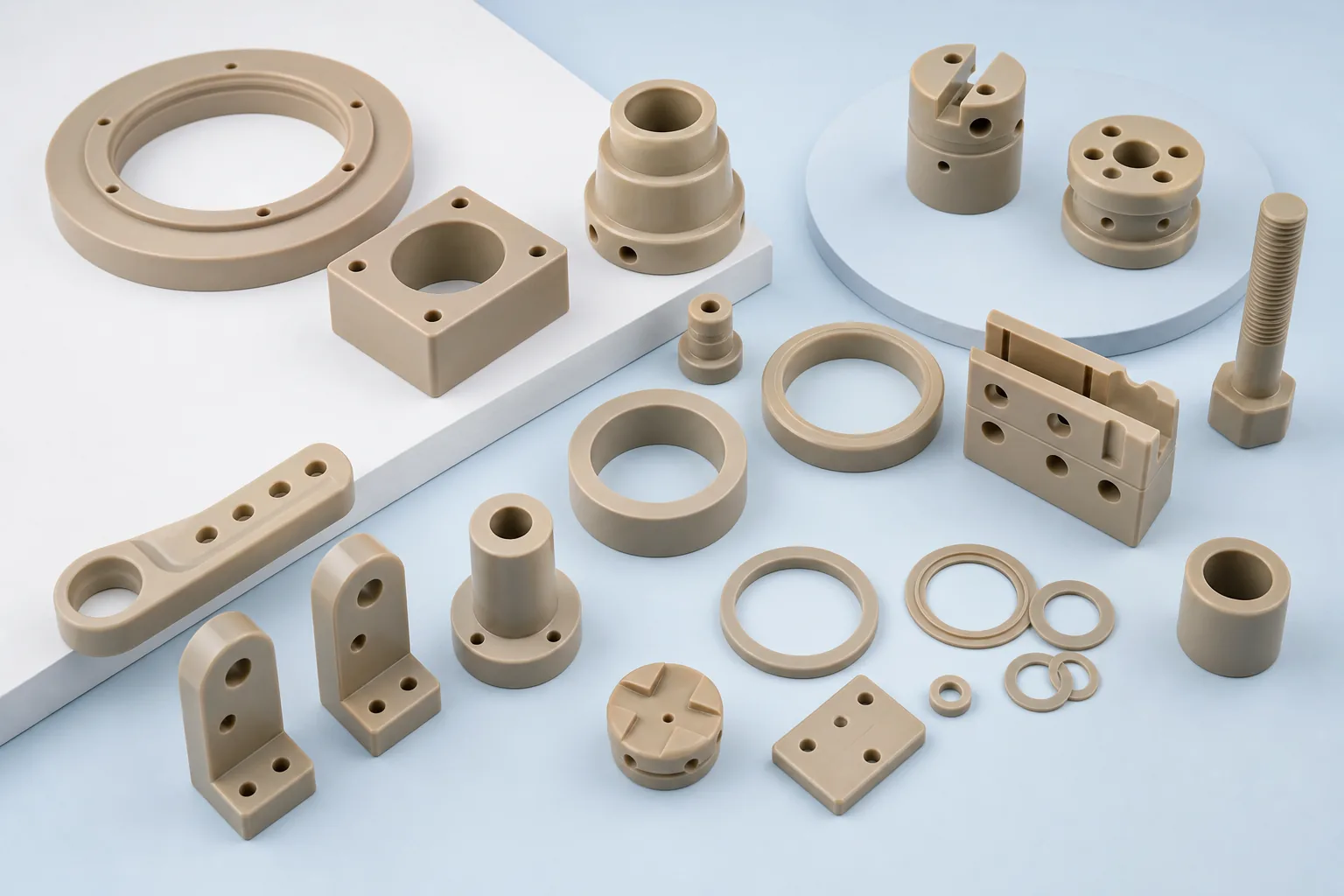
Drawing to industry review
Turn a general industry question into a quote-ready project.
- State the industry context and part function, not only the material name.
- Share continuous and peak temperature, chemical exposure, load, speed, wear and electrical requirements.
- Mark critical dimensions, sealing surfaces, bearing fits, cosmetic faces and inspection points.
- Clarify whether the project is prototype, validation batch, replacement part or repeat production.
- Add certificate, traceability, packaging, cleaning or first-article inspection requirements before pricing.
Reading path
Move from industry insight to the right technical page.
Choose the industry page
Start with the application family closest to your part: aerospace, semiconductor, chemical, machinery, medical, energy or automotive.
Compare materials
Use material pages and datasheets to narrow PEEK, PPS, PEI, PAI, PI or practical alternatives before final part review.
Prepare the RFQ
Send drawing, material target, operating environment, quantity, tolerance, finish and quality requirements together.
Industry RFQ checklist
Details that help turn an industry question into an actionable review.
- Industry, application and part function
- Drawing, 3D model, sketch, photo or sample notes
- Material target or required performance
- Quantity, validation stage and annual volume
- Critical dimensions, fit surfaces and inspection points
- Temperature, chemicals, load, speed and wear conditions
- Electrical, ESD, flame, cleaning or sterilization needs
- Certificate, traceability, packaging and quality documents
- Surface finish, edge quality and cosmetic expectations
- Target lead time and delivery destination
FAQ
Questions about industry insights.
What are engineering plastics industry insights?
Industry insights connect material behavior, application environment, manufacturing route and RFQ details to real engineering plastic projects.
Which industries commonly use high-performance engineering plastics?
Common industries include aerospace, semiconductor, medical and laboratory equipment, chemical processing, energy, machinery and automotive systems.
How should I choose a plastic for an industry application?
Start with the operating environment, then compare temperature, chemicals, load, wear, electrical needs, cleaning, documentation and manufacturing route.
What information should be included in an industry RFQ?
Send the drawing or model, industry context, material target, operating environment, quantity, critical dimensions, inspection needs, documentation requirements and lead time.
Can industry guides replace drawing review?
Industry guides help prepare the discussion, but a drawing, model or detailed part description is still needed for useful material and quote review.
Related pages
Continue from industry context to material and RFQ decisions.
Guide to RFQ
Ready to apply an industry insight to a real part?
Send the material target, drawing, application environment, quantity, tolerance, finish, quality documents and lead-time target.