
CNC Plastic Machining
Great Plastics specializes in high-performance plastics in sheets, round rods, tubes, and many more. Large volumes are in stock to meet different project requirements and specifications. With our extensive line of industrial plastics, our offerings include state-of-the-art CNC machining services.
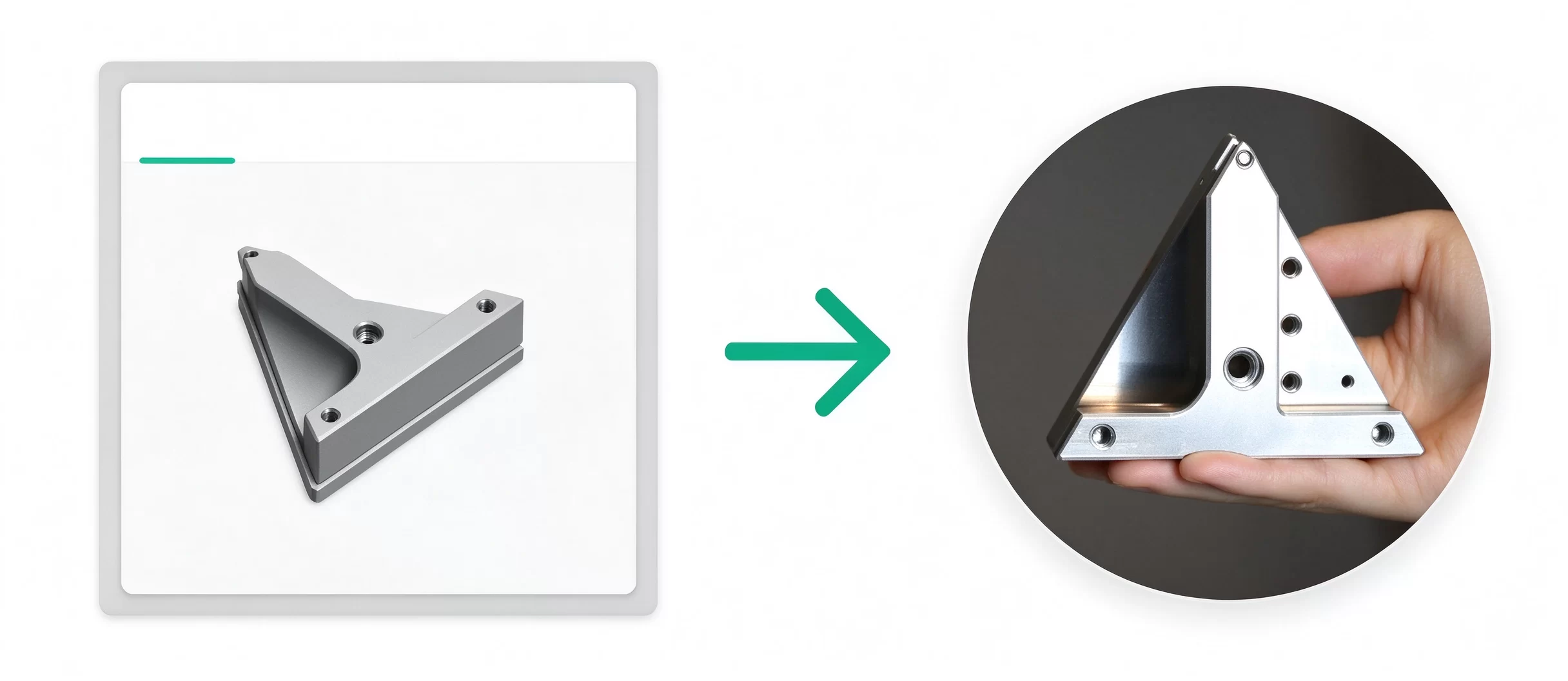
Faster Lead Times
With instant quotes and rapid production, you can reduce cycle times by as much as 50%.

World-Class Machine Shops
Tap into a highly vetted and managed network of the best machine shops world-wide.
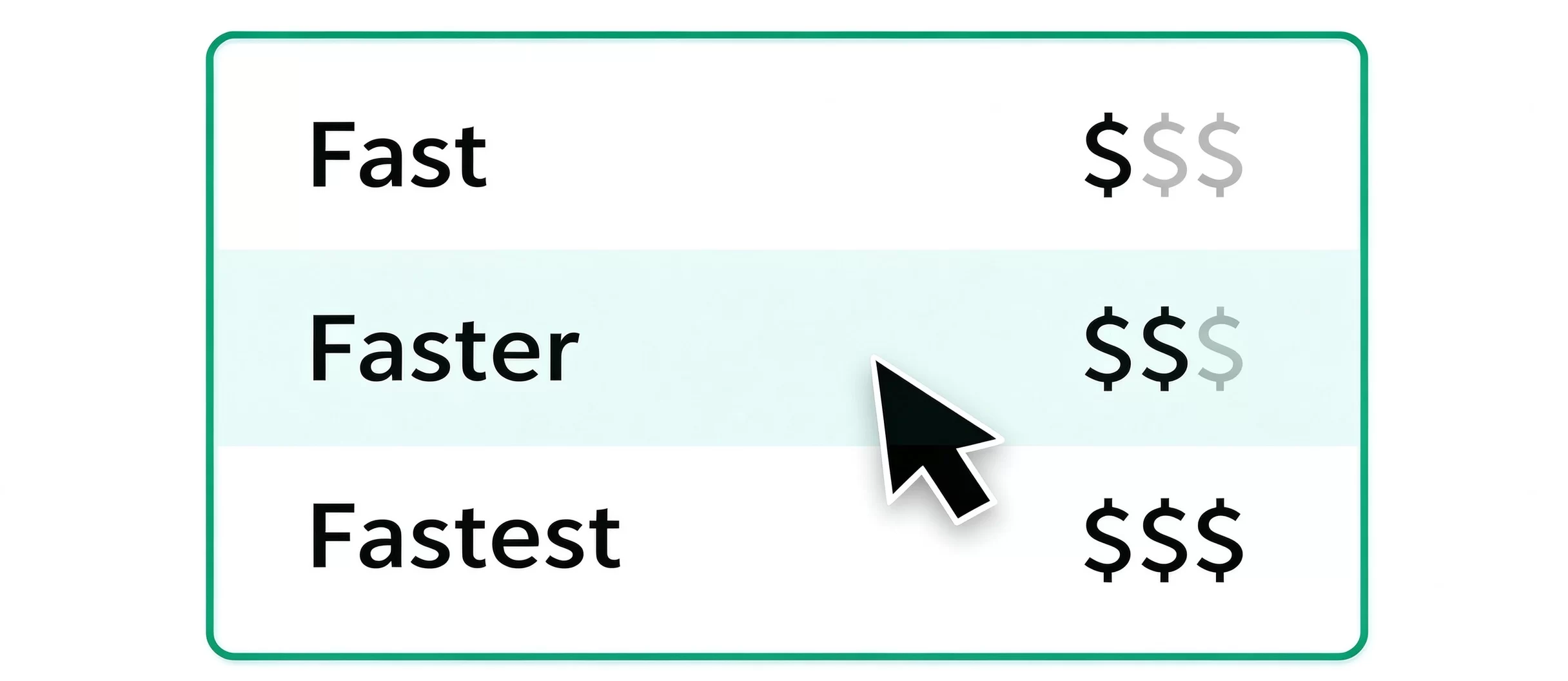
Flexible Pricing
Choose between fast and cost-effective options to find the best price.
Machining routes
CNC Machining Processes for Plastic Parts
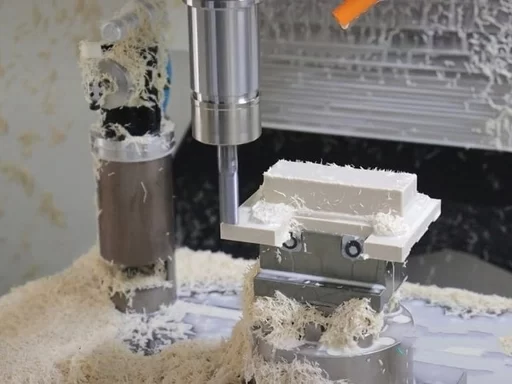
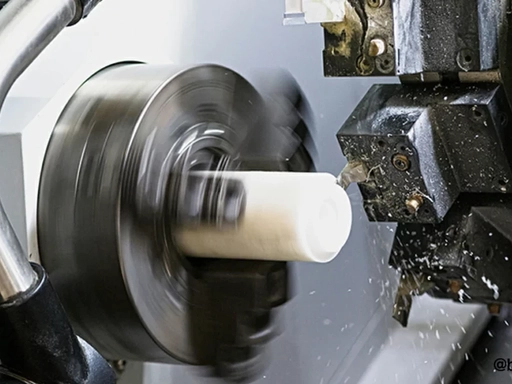
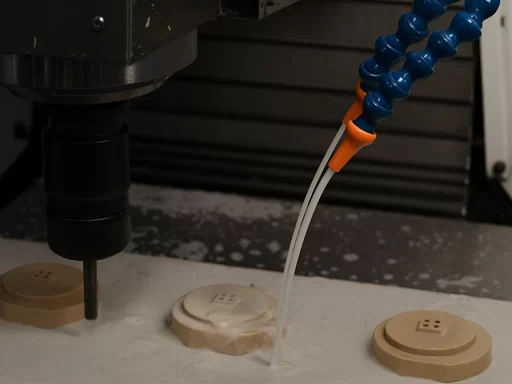
Our shop has several CNC Turn / Milling Machines which are backed by years of experience in plastics & composites only CNC machining. We have the experience, personnel & technology to provide reliable supply of high quality CNC machined plastic & composite parts.
Materials we machine
Engineering Plastic Materials for CNC Machining
Industry-leading companies in aerospace, automotive, defense, machinery, medical technology, robotics, electronics, oil & gas, industrial automation and more that require high degrees of detail and complexity come to us for rapid prototypes and production parts.
Machining CHOOSE
When to use CNC Turn / Milling?
This process is ideal for parts that have both turning and milling steps, high part volume, complex geometries requiring multi-axis machining and tight tolerances.
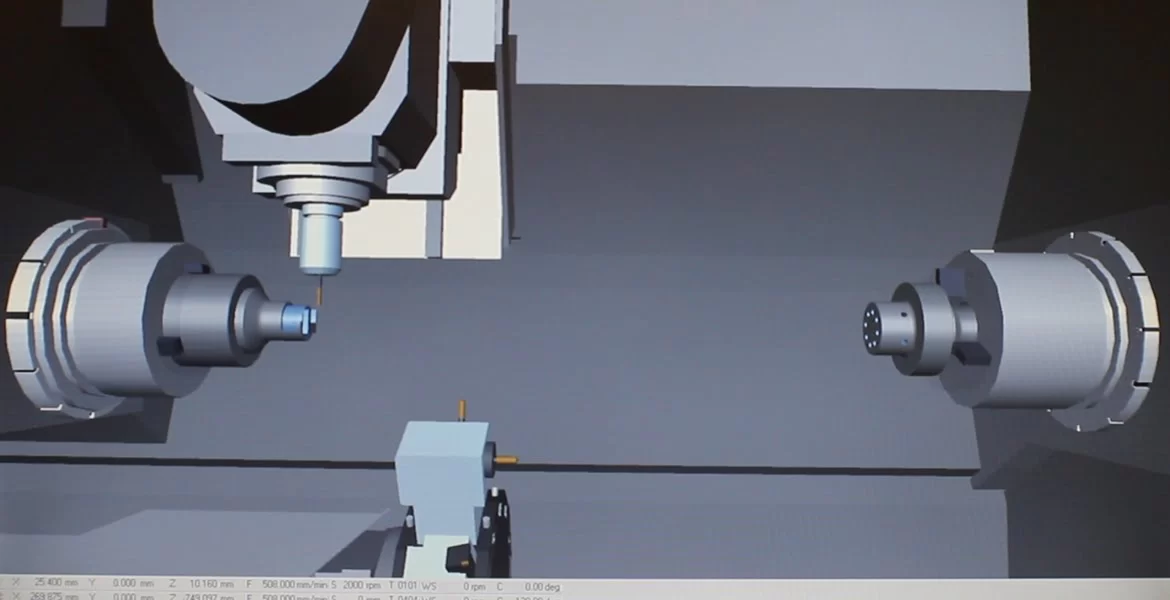
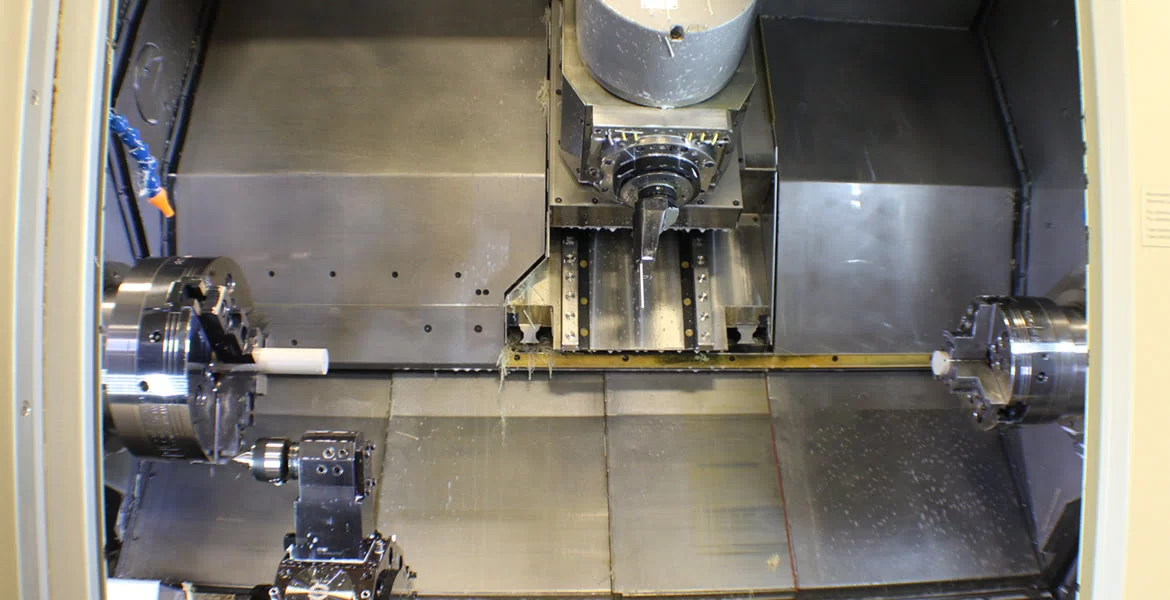
With its multi-tasking capabilities, it requires only one machine set up and produces parts with faster cycle times when compared to utilizing a separate lathe and milling machine. Another advantage is eliminating multiple set-ups which can also introduce tolerance error.
Premium Surface
Premium Surface Finishing Services
The perfect surface finish can make the difference between a good part and an exceptional one. Our comprehensive finishing services go beyond standard deburring to provide aesthetic appeal, functional improvements, and enhanced performance characteristics tailored to your application.
Available Finishing Options:
Creates uniform matte texture for improved grip and reduced glare. Available in various media grades for different surface textures from fine satin to coarse matte.
Progressive sanding and buffing for high gloss finish on engineering plastics. Ideal for aesthetic components and parts requiring low friction surfaces.
Permanent part identification, serialization, logos, and instructional markings. High contrast marking on most plastic materials without surface damage.
part size&tolerances
Maximum part size
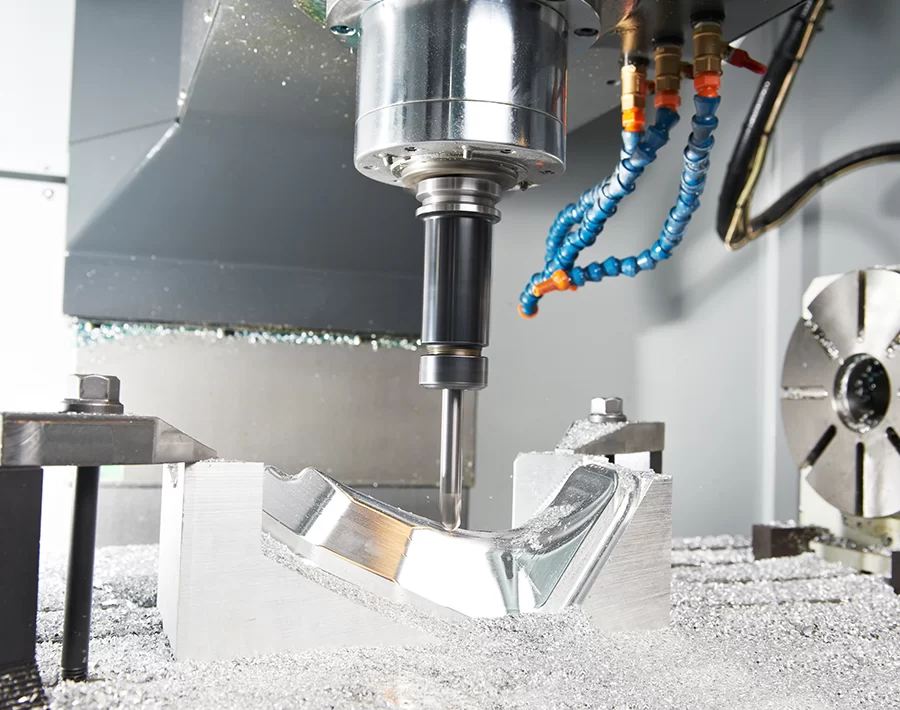
There are several types of CNC milling machines, each with its own distinct maximum part size. 3-axis and 3+2 axis machines have the lowest start-up costs and can produce parts with relatively simple geometries.The more advanced of the milling machine family, 5-axis centers can produce parts with more complex geometries. These machines require fewer machine setups so they are more productive.
3-axis milling
| Size | Metric units | Imperial units |
|---|---|---|
| plastics | 1500 × 800 × 500 mm | 59.0 × 31.4 × 27.5 in |
| Min. feature size | Ø 0.50 mm | Ø 0.019 in |
3+2 axis milling
| Size | Metric units | Imperial units |
|---|---|---|
| plastics | 2000 × 1500 × 200 mm | 78.7 × 59.0 × 7.8 in |
| Min. feature size | Ø 0.50 mm | Ø 0.019 in |
5-axis milling
| Size | Metric units | Imperial units |
|---|---|---|
| Max. part size for all materials | 2000 × 1500 × 200 mm | 78.7 × 59.0 × 7.8 in |
| Min. feature size | Ø 0.50 mm | Ø 0.019 in |
CNC turning
| Part size limitations | Metric units | Imperial units |
|---|---|---|
| Maximum part diameter | 431 mm | 17 in |
| Maximum part length | 990 mm | 39 in |
| Maximum swing over the carriage | 350 mm | 13.7 in |
| Maximum spindle through-hole | 40 mm | 1.5 in |
*Maximum speed: 1700RPM, Motor power: 640W
CNC milling & turning tolerances
We follow ISO 2768 standards for CNC machining.
CNC milling
| Limits for nominal size | Plastics (ISO 2768-m) |
|---|---|
| 0.5 mm* to 3 mm | ±0.1 mm |
| Over 3 mm to 6 mm | ±0.1 mm |
| Over 6 mm to 30 mm | ±0.2 mm |
| Over 30 mm to 120 mm | ±0.3 mm |
| Over 120 mm to 400 mm | ±0.5 mm |
| Over 400 mm to 1000 mm | ±0.8 mm |
| Over 1000 mm to 2000 mm | ±1.2 mm |
| Over 2000 mm to 4000 mm | ±2 mm |
*Please clearly indicate tolerances for nominal sizes below 0.5 mm on your technical drawing.
CNC turning
| Limits for nominal size | Plastics (ISO 2768-m) |
|---|---|
| 0.5 mm* to 3 mm | ±0.1 mm |
| Over 3 mm to 6 mm | ±0.1 mm |
| Over 6 mm to 30 mm | ±0.2 mm |
| Over 30 mm to 120 mm | ±0.3 mm |
| Over 120 mm to 400 mm | ±0.5 mm |
| Over 400 mm to 1000 mm | ±0.8 mm |
| Over 1000 mm to 2000 mm | ±1.2 mm |
| Over 2000 mm to 4000 mm | ±2 mm |
*Please clearly indicate tolerances for nominal sizes below 0.5 mm on your technical drawing.
These are our standard tolerances. Should you require tighter custom tolerances, please contact us for details.
Buyer questions
