Medical Engineering Plastics

Medical engineering plastics for device components, trays and precision fixtures.

Compare PEEK, PPSU, PSU, PEI, PC, POM and specialty plastics for sterilizable parts, device housings, instrument trays, test fixtures, connectors, insulators and machined medical project components.

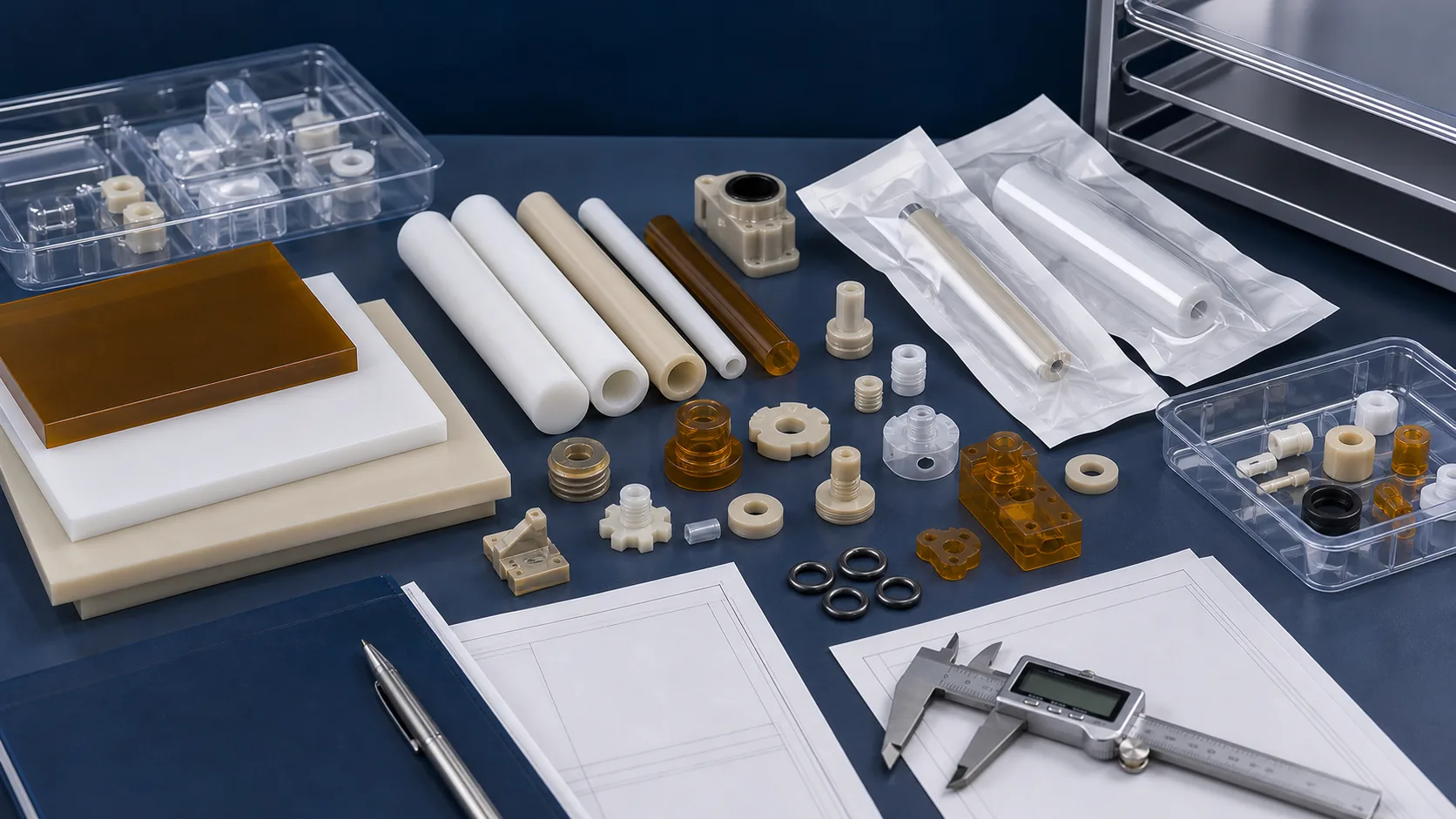
Medical engineering plastic trays sample blocks and precision components on a clean blue gray desk

Short answer

Medical plastic selection starts with use environment, sterilization and documentation.

Medical engineering plastics are selected by more than strength or heat rating. A device component, sterilization tray, fixture, connector or prototype part needs a clear service profile: sterilization method, cleaning chemistry, temperature, part function, contact category, tolerance, surface finish, color or transparency target, quantity and documentation requirements. Those details determine whether PEEK, PPSU, PEI, PC, POM or another engineering plastic is a practical starting point.

Application matrix

Common medical engineering plastics project types.

Project context Typical parts Material directions Review before quote
Device components Housings, connectors, handles, knobs, covers, precision inserts PEEK, PEI, PC, POM, PPSU Contact context, load, tolerance, cleaning method, color and documentation
Sterilizable trays and handling Trays, carriers, supports, protective blocks, guide rails PPSU, PSU, PEI, PEEK, PC Autoclave or chemical cycle, cycle target, impact, warpage and surface finish
Test and assembly fixtures Nests, plates, guides, locating pins, inspection fixtures POM, PEI, PEEK, PC, filled grades Repeatability, dimensional stability, wear, cleanability and inspection datum points
Fluid or diagnostic equipment Manifolds, spacers, sensor holders, flow-path supports PEEK, PPSU, PEI, PC, selected fluoropolymers Chemical exposure, transparency, port geometry, sealing surface and traceability
Prototype and pilot builds CNC machined samples, functional test parts, low-volume assemblies Material matched to test plan and drawing risk Stage, quantity, tolerance, revision control, test environment and lead time

Material choices

Materials commonly reviewed for medical plastic components.

PEEK

Reviewed for demanding device components, structural parts, wear features and precision machined parts where heat, strength and chemical resistance matter.

Review PEEK

PPSU and PSU

Often considered for reusable trays, handles and components that may see repeated steam sterilization or aggressive cleaning cycles.

Other plastics

PEI

Useful for rigid, heat-resistant parts, fixtures and amber transparent components where dimensional control and stiffness are important.

Review PEI

PC

Common for transparent covers, housings and fixtures when impact resistance, clarity and practical machining or forming requirements align.

Plastic sheets

POM / Acetal

Reviewed for precision fixtures, guides and low-friction components, with cleaning chemistry and dimensional movement checked early.

Material selection

Stock shapes

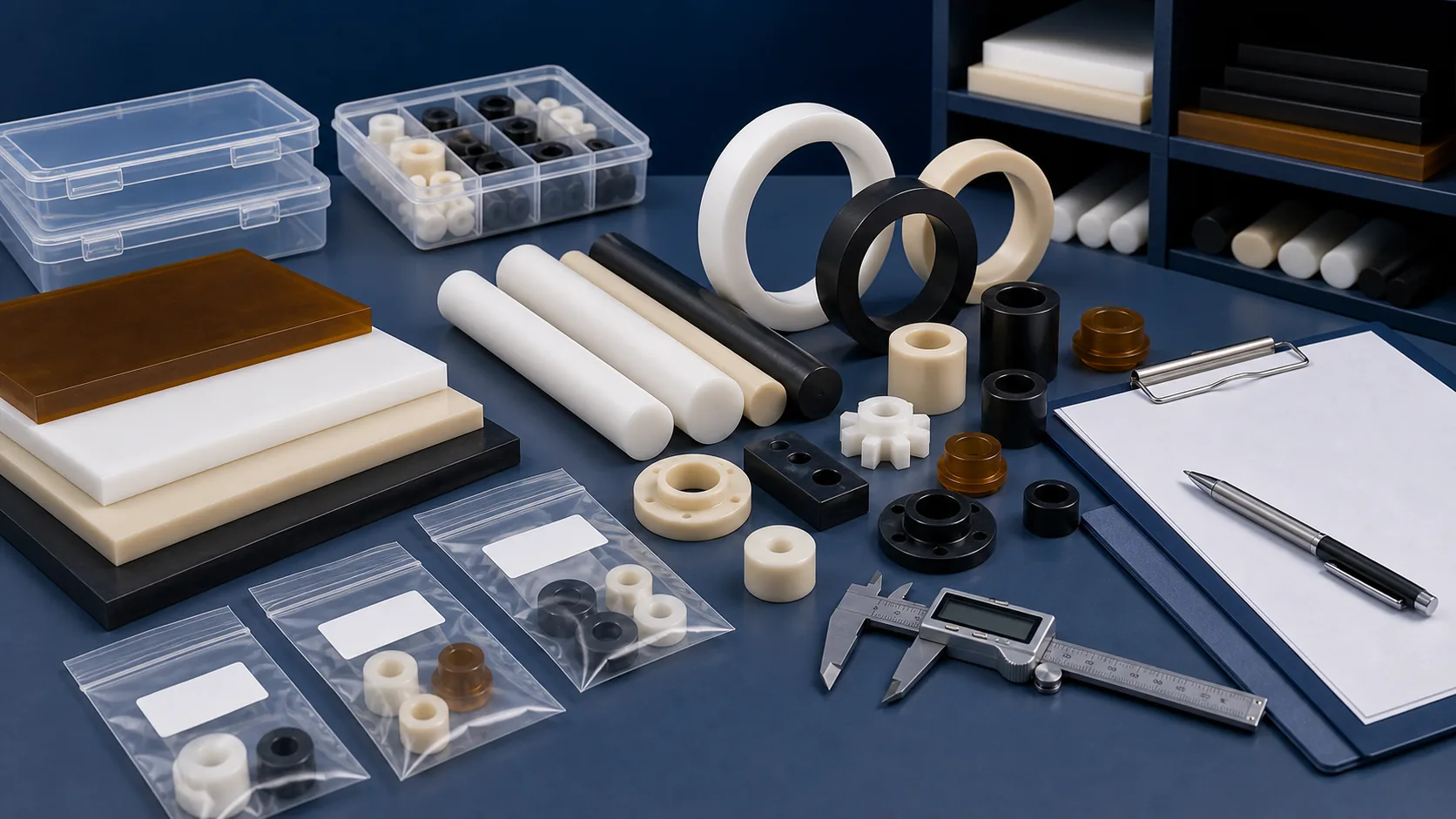
Sheets, rods and tubes support machined prototypes, trays, blocks, connectors, spacers and functional medical project review parts.

Product forms

Selection path

Translate medical project requirements into a material shortlist.

Decision point What to define How it affects material and process
Sterilization exposure Steam, EtO, gamma, chemical wipe, cleaning bath, cycle count and temperature Moves the review toward PPSU, PSU, PEEK, PEI or specific PC grades depending on cycle and property needs
Part contact and use Device housing, fixture, handling tray, fluid path support, instrument component or non-contact tooling Sets documentation, material grade, finish and cleaning expectations before quote
Geometry and tolerance Thin walls, clips, threads, bores, sealing faces, transparency and assembly stack-up Determines whether CNC machining, cut blanks, molding review or prototype iteration is most practical
Mechanical duty Load, clamp pressure, repeated handling, wear, snap features, impact and mating materials Separates tough tray materials from rigid precision plastics and high-performance wear options
Documentation package Drawing revision, material certificate needs, inspection points, packaging and traceability notes Prevents late quote changes and helps align purchasing, engineering and quality teams
Engineering plastic samples beside traceability documents and inspection notes on a clean work surface

Risk review

Medical plastic parts fail when the drawing misses the real use condition.

Many project delays are not caused by the material name alone. The common problems are missing sterilization details, unclear contact category, tolerance stack-up, stress concentration, surface finish mismatch, chemical cleaning exposure or documentation requirements added after the quote. A good RFQ makes these issues visible before material is purchased or the machining route is fixed.

  • Sterilization cycle not matched to the plastic family, color or dimensional stability target.
  • Sharp corners, press fits or fasteners creating stress cracking or creep under load.
  • Transparent or colored parts specified without acceptable haze, finish or appearance notes.
  • Inspection, packaging or traceability expectations added after prototype samples are approved.

Manufacturing route

Match the route to development stage and documentation needs.

01

CNC machining

Useful for prototypes, functional test parts, fixture components, trays, housings, connectors and low-volume precision features.

CNC plastic machining

02

Cut blanks and stock shapes

Sheets, rods and tubes help teams review material, thickness, transparency, tolerance and assembly fit before production decisions.

Plastic rods

03

Repeat production planning

When requirements stabilize, review machining fixture strategy, inspection points, packaging, revision control and whether another process fits volume.

Rapid manufacturing

RFQ checklist

Details that make a medical engineering plastics quote more useful.

RFQ input What to send Why it matters
Drawing package 2D drawing, 3D model, revision level, critical dimensions and sample photos Defines tolerance, finish, assembly features and manufacturing route
Use environment Sterilization method, cleaning agents, temperature, chemical exposure and contact context Guides material selection and avoids assumptions from material names alone
Performance target Load, wear, impact, transparency, color, insulation, surface finish and expected life Connects engineering requirements to practical material and process options
Quality and commercial needs Quantity, project stage, inspection points, packaging, documentation and target lead time Aligns engineering, purchasing and quality expectations before quoting

FAQ

Questions buyers ask about medical engineering plastics.

Which materials are commonly reviewed for medical engineering plastics?

PEEK, PPSU, PSU, PEI, PC, POM and selected fluoropolymers are often reviewed depending on sterilization exposure, cleaning chemistry, dimensional tolerance, wear, strength and documentation needs.

What makes a plastic part suitable for a medical device project?

Suitability depends on the application role, regulatory and documentation requirements, sterilization method, chemical exposure, mechanical load, tolerance, surface finish, quantity and whether the part contacts fluids, skin or only equipment.

Can medical engineering plastic parts be CNC machined?

Yes. CNC machining is commonly used for prototypes, fixtures, low-volume device components, trays, housings, connectors, insulators and precision features when a drawing or 3D model is available.

What RFQ details are important for sterilizable plastic parts?

Send the sterilization method, cycle count target, cleaning agents, temperature, exposure time, part function, drawing, material target, tolerance, quantity, finish and documentation needs.

Why do medical plastic components fail during review or use?

Common issues include wrong sterilization assumption, chemical stress cracking, creep under clamp load, poor tolerance stack-up, rough sealing surfaces, sharp internal corners, color or transparency needs missed in the drawing, and unclear documentation requirements.

Related pages

Continue the medical plastics review.

Medical plastics RFQ

Send the drawing with sterilization, cleaning and documentation details.

Include material target, part function, drawing or 3D model, sterilization method, cleaning exposure, contact context, tolerance, finish, quantity, documentation needs and lead-time target.

Request engineering review

Great Plastics engineering plastics sourcing and custom parts support.

Request RFQ