
Engineering Plastic Part Design Guide
Great Plastics helps engineers evaluate designs for PEEK, PPS, PI, PAI, and PEI based on operating conditions, functional requirements, and production needs.
Our goal is to help identify practical design choices and a suitable manufacturing approach before production begins.
Start With Your Challenge
Find Design Guidance for Your Specific Needs
Use this guide to narrow down material and design choices before selecting a manufacturing process. Each topic connects engineering requirements with practical manufacturing considerations.
Material selection
Material Selection for Your Application
Start with operating conditions to select the correct grade and manufacturing method. The best material choice depends on how the component will function, not one isolated property.
DFM
Design characteristics that influence your final component
Part geometry, tolerances and surface requirements influence how a component can be machined, inspected and assembled. Review these features before the design is finalised.
Wall Thickness and Deep Pockets
Thin walls and deep cavities can restrict tool access, complicate workholding and increase deformation risk during material removal. The remaining section must also support the actual service load.
Review unsupported walls, pocket depth, internal radii and transitions between thick and thin sections.
Evaluate the geometry against material behavior, machining sequence, fixturing and functional load.
Holes, Bores and Alignment
Hole position, bore depth, diameter and relationships between features directly influence assembly fit, movement, sealing and alignment.
Identify functional bores and apply positional or related geometric controls only where performance requires them.
Confirm tool access, depth-to-diameter ratio, bore relationships and the inspection method for critical features.
Threads and Fastener Features
Plastic threads and fastener interfaces should be reviewed for load, engagement length, repeated assembly and sustained stress rather than copied directly from a metal design.
Define tightening load, service cycles and whether a machined thread, insert or alternative fastening method is appropriate.
Confirm thread geometry, edge distance, material suitability and inspection requirements.
Tolerances and Fits
Applying tight tolerances to every dimension can increase machining and inspection cost without improving function. Practical capability depends on material grade, geometry and part size.
Identify dimensions controlling fit, sealing, movement or alignment, and separate them from general dimensions.
Verify feasibility against the selected grade, machining route, part geometry and measurement method.
Flatness and Dimensional Stability
Large flat surfaces and thin plates may respond to material condition, residual stress, geometry and machining sequence. Functional flatness should be distinguished from cosmetic appearance.
Identify mounting faces, sealing planes and other surfaces where flatness affects assembly or service performance.
Review part size, stock condition, machining strategy, stress-relief needs and the proposed verification method.
Surface Finish and Edge Requirements
Surface finish and edge condition can affect friction, sealing, handling, cleaning, appearance and assembly. Different surfaces may require different treatments.
Call out functional surfaces, required finish and edge treatment only where they influence product performance.
Match finishing and inspection requirements to the selected process, material and intended use.
Manufacturing capabilities
Choose the Process Around the Part
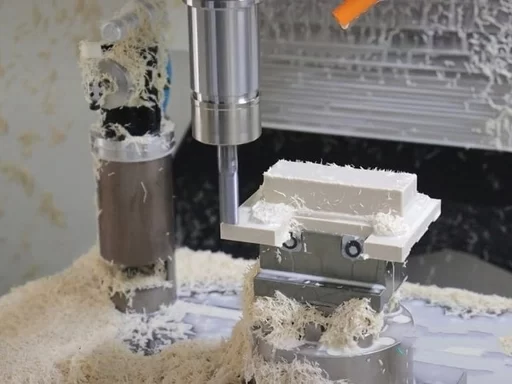
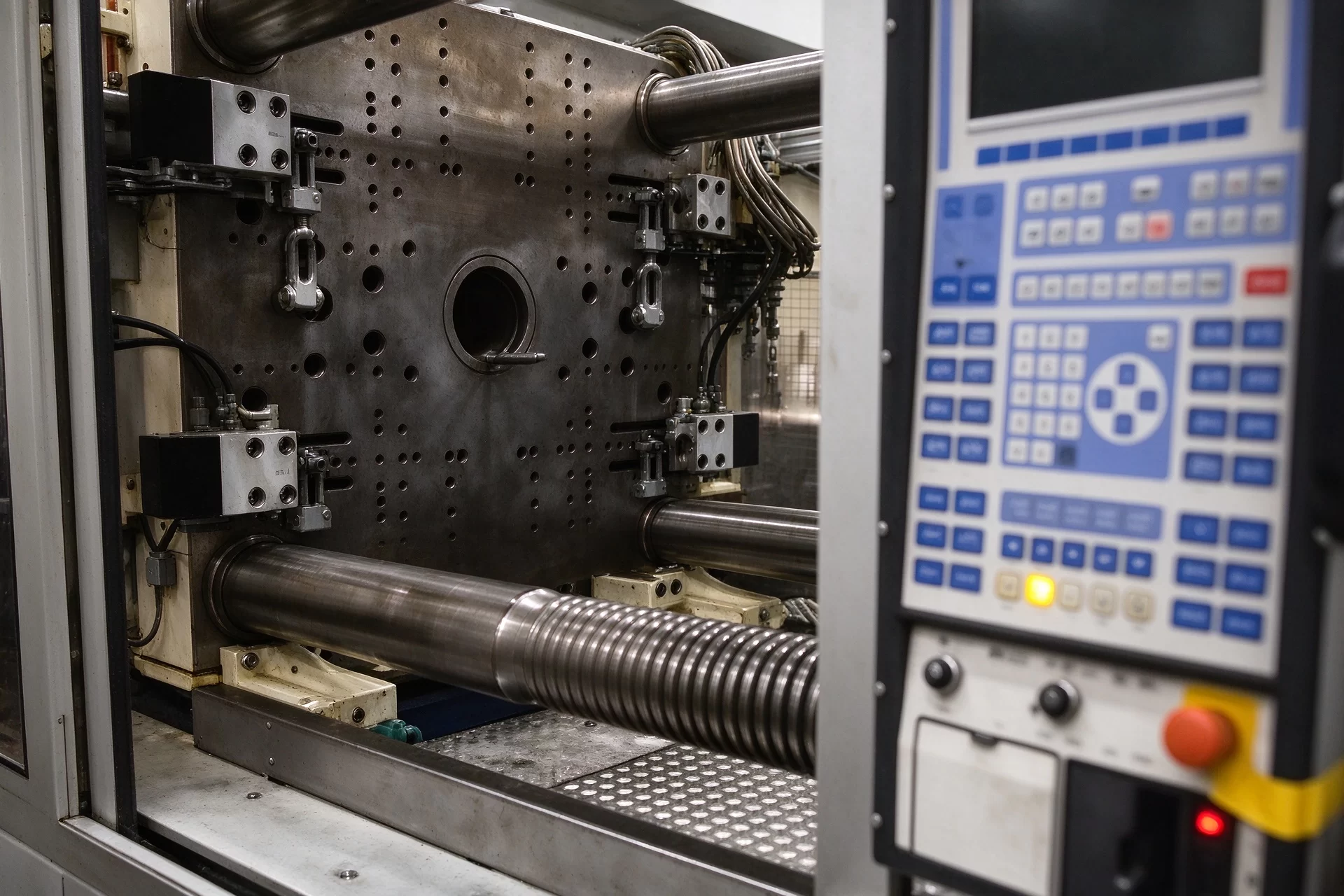
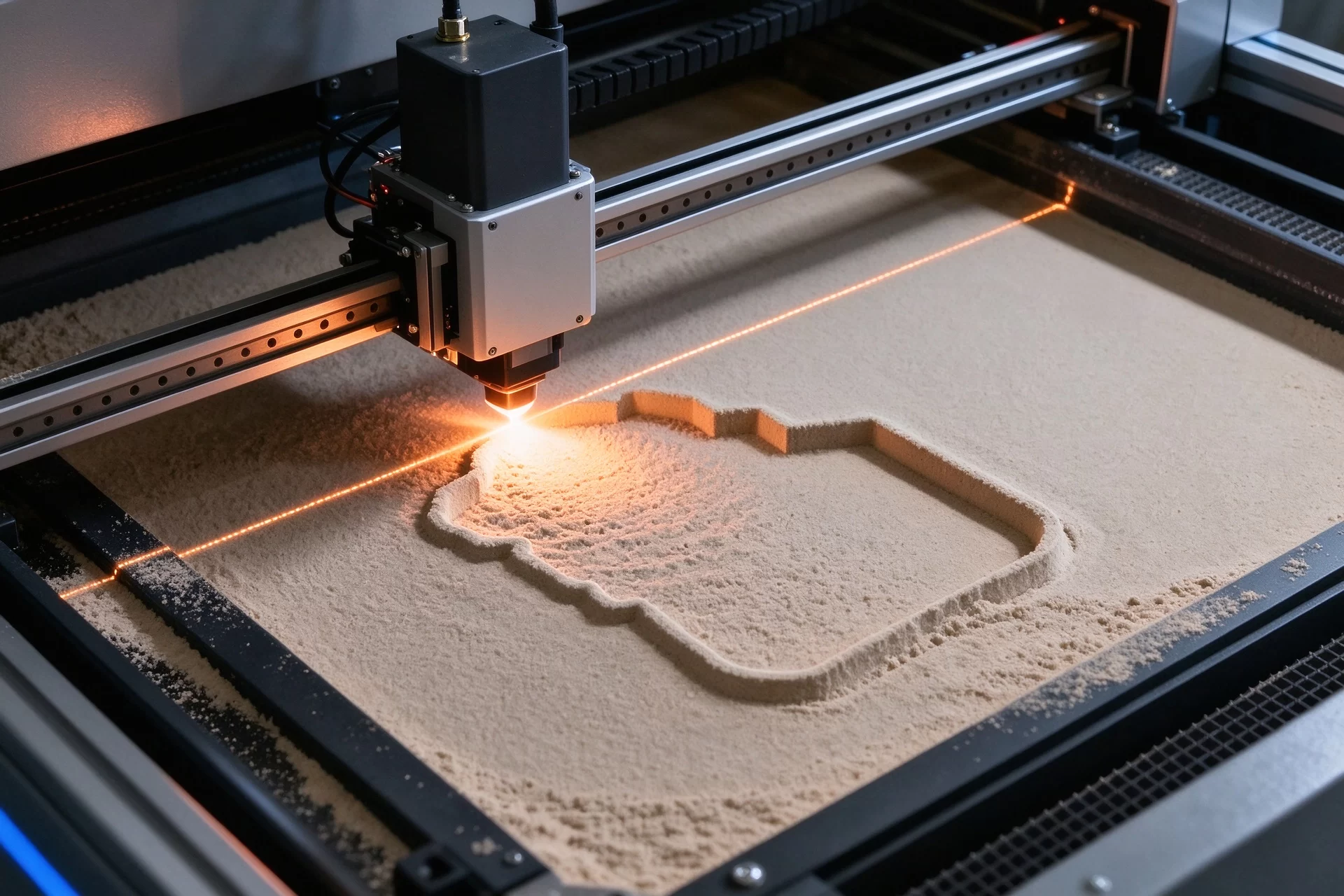
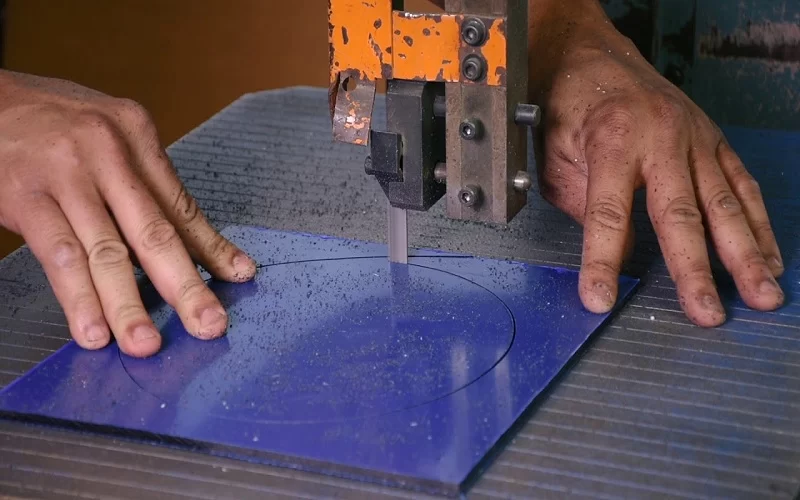
A feature that proves simple within one manufacturing process may demand revised geometry or secondary operations for another. Evaluate process‑specific constraints while your design remains open for adjustment.
Design Review Decision Matrix
Match the Design Question to the Right Review
Use this matrix to keep engineering discussions focused on factors that will affect manufacturability or part performance.
| Design question | What to clarify | Why it matters | Review focus |
|---|---|---|---|
| Material choice | Temperature, chemical exposure, load, wear and electrical needs | Your chosen material has to hold up under all combined operating conditions | Grade and process suitability |
| Thin walls or deep pockets | Remaining wall thickness, tool access, support features and internal geometry | These features will shape your machining plan and how well dimensions hold | Geometry and manufacturing route |
| Critical bores and fits | Diameter, position, depth and mating part details | These features control how parts assemble and function | Tolerances and inspection method |
| Flatness or finish | Functional surfaces, mounting and sealing needs | Surface specifications need to match actual service conditions | Process plan and acceptance criteria |
| Prototype to production | Order quantity, repeat demand and how finalised the design is | The most suitable manufacturing path may change as volumes increase and the design becomes finalised | Process and production-stage review |
Quality & Inspection Planning
Match the Design Question to the Right Review
Before production, match the drawing to the part’s end use, and plan how critical features will be checked.
Identify the functional features
Clarify which dimensions affect assembly, movement, sealing, alignment or load transfer.
Confirm the material and process
Review the grade, starting form, geometry and manufacturing route before confirming what can be achieved.
Agree on acceptance criteria
Define the dimensions, surface finish, inspection scope and required documentation before production.
Verify against the specification
Check agreed features using project-confirmed methods. Specific reports and documents must be agreed for each order.
Common design risks
Problems Worth Resolving Before Production
Four recurring design mistakes — and the small change that avoids each one.
Every dimension carries a tight tolerance
Inspection time and scrap risk increase on dimensions that do not affect the part’s function.
Tighten only functional fits, sealing faces and alignment bores; treat all other features as general dimensions.
A proven metal design is copied into plastic
Plastics creep under load, respond to temperature and wear differently, so the clearances used for metal components may no longer perform as intended.
Re-check clearances, press fits and bolt torque against the selected polymer and its operating temperature.
Material chosen from one headline property
A strong temperature rating is not enough if wear or chemical exposure causes the part to fail first.
Select against the combined operating conditions, including heat, chemicals, load and wear, then confirm grade and stock-form availability.
Manufacturing route decided after geometry is final
A part designed for machining may require draft, radii or rib changes for molding, creating avoidable rework.
Identify the likely manufacturing route before wall thicknesses, holes, radii and ribs are finalised.
Process
How Great Plastics Can Support the Next Decision
The goal is to connect your engineering requirements to a clear manufacturing specification—not just to receive a drawing.
