Engineering plastic sheet

Engineering plastic sheet for cut blanks, flat panels and machined parts.

Compare PEEK, PPS, POM, nylon, PTFE and other engineering plastic sheets for cut blanks, machined plates, flat panels, fixtures and wear pads. Define thickness, blank size, flatness, tolerance, drawing details and operating environment before RFQ.

Sheet routeCut blanks or machined plates
MaterialsPEEK, PPS, POM, PA, PTFE
RFQ detailsThickness, flatness, tolerance

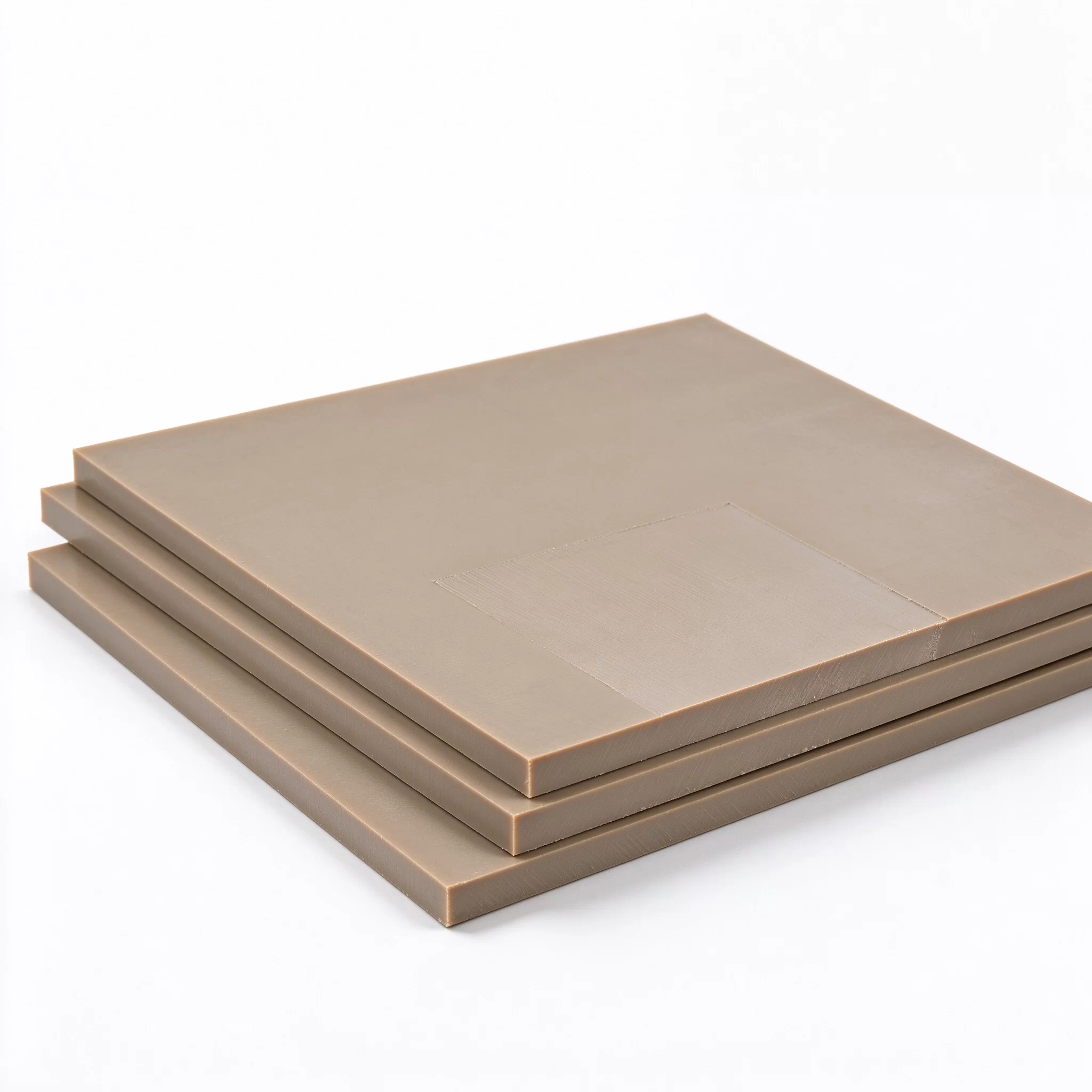
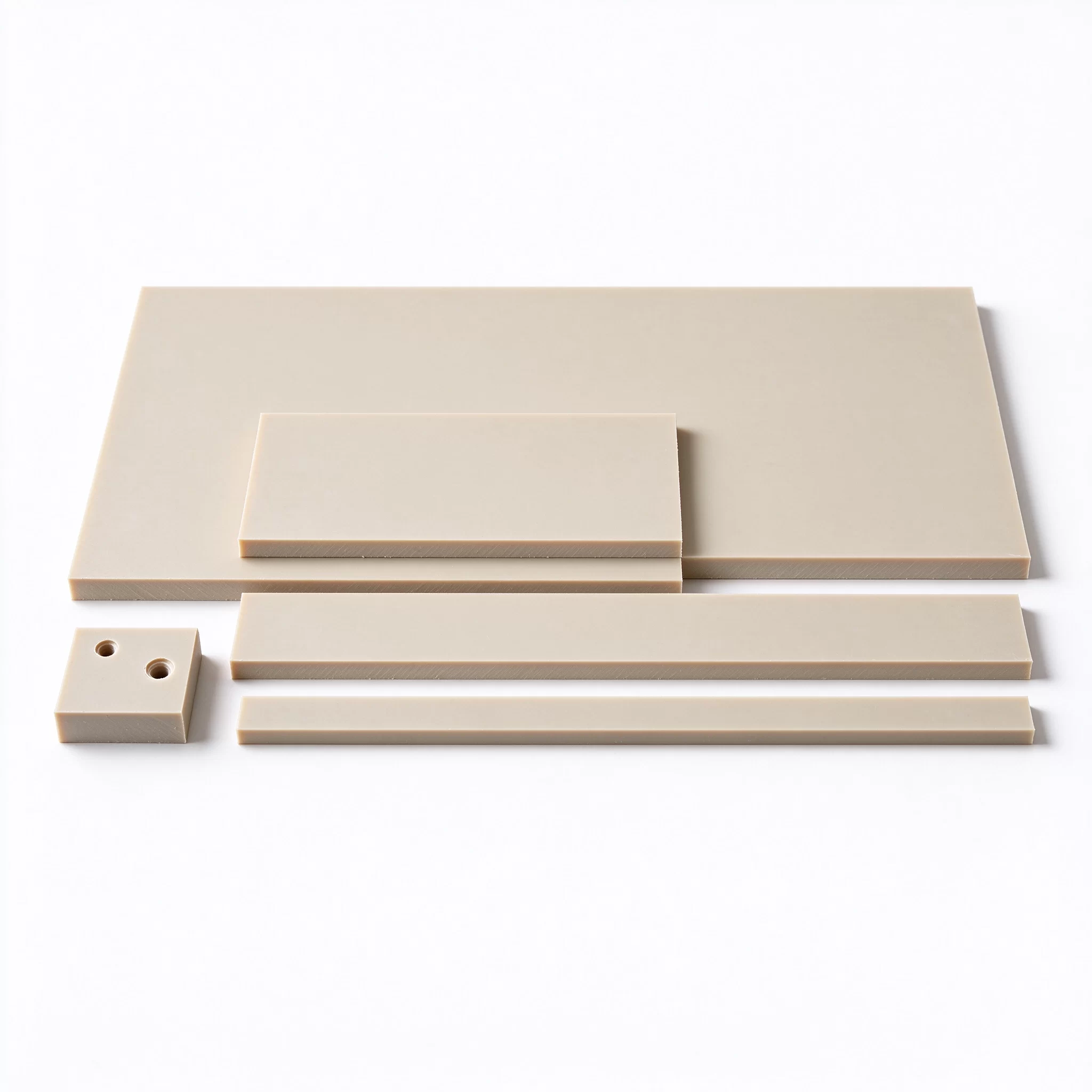
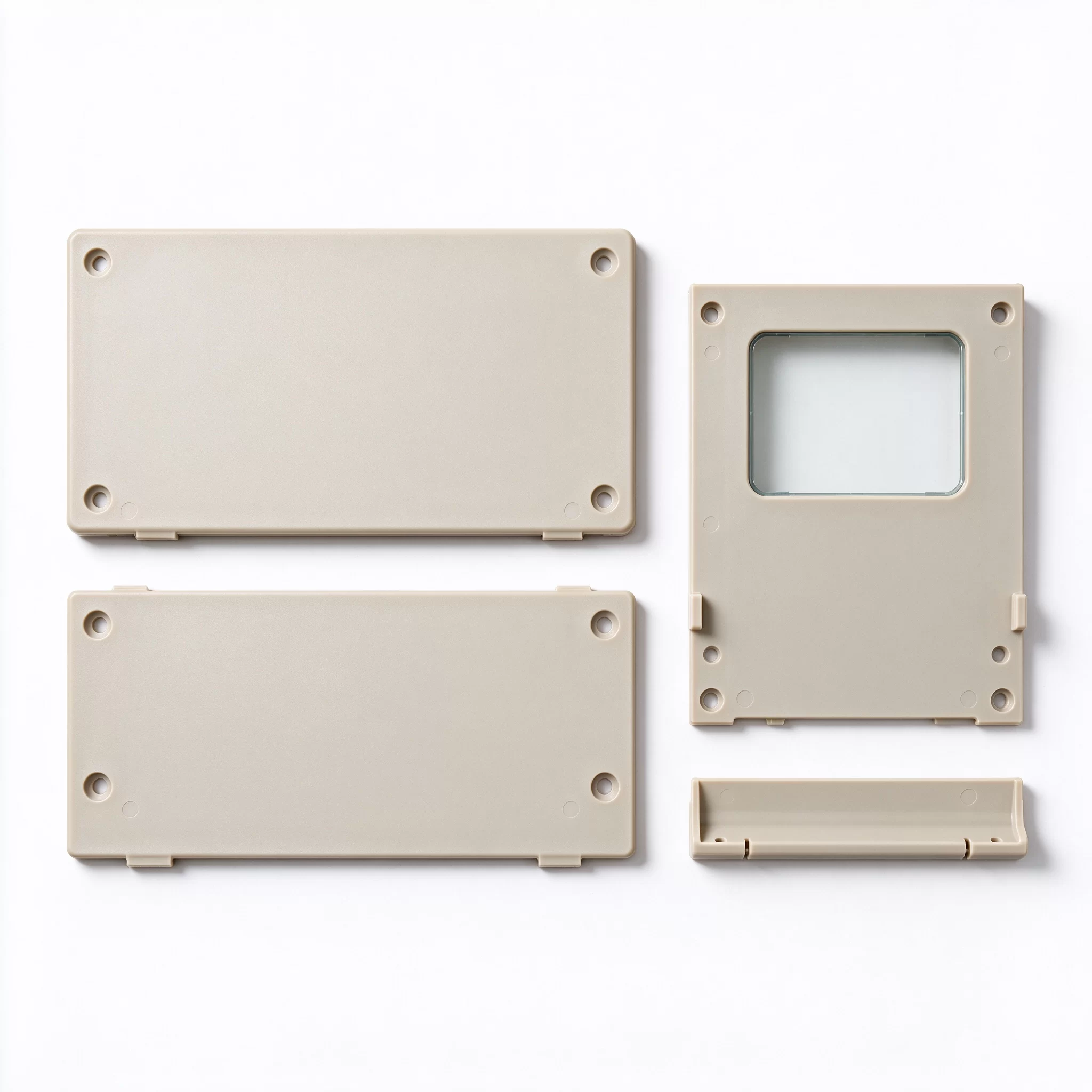
Engineering plastic sheets and machined plate blanks in different materials on a clean blue gray studio surface

Short answer

Sheet projects succeed when thickness, flatness and machining risk are specified early.

Engineering plastic sheet is usually the starting form for flat parts: panels, fixtures, wear pads, insulators, spacer plates and CNC machined components. The important decision is not only the resin name. Buyers should define the sheet thickness, cut blank size, flatness target, machined features, operating environment and whether a custom cutting or CNC plastic machining route is required.

Material and sheet route

Choose sheet material by the failure mode, not only by availability.

Sheet material family Best first-fit reason Typical sheet parts RFQ note
PEEK sheet High temperature, chemical resistance, mechanical strength and dimensional stability. Insulators, plates, semiconductor fixtures, valve parts, wear pads. Define grade, thickness, temperature, chemical exposure and critical tolerance.
PPS sheet Chemical resistance, heat stability and electrical insulation at a practical cost level. Electrical plates, pump parts, chemical panels, precision fixtures. Send continuous temperature, chemical exposure, flatness and machining features.
PEI / PSU / PPSU sheet Electrical insulation, dimensional stability, sterilization or transparent amber engineering parts. Medical fixtures, electrical housings, panels, insulating plates. Define cleaning, steam, transparency, certification and tolerance needs.
POM / Acetal sheet Machinability, dimensional control, wear behavior and cost-effective mechanical plates. Jigs, guides, wear pads, rollers from plate, precision machined panels. Define moisture, flatness, sliding contact and hole tolerance.
Nylon / PA sheet Toughness, wear and impact where moisture growth can be managed. Wear pads, guide rails, liners, machine guards, mechanical plates. Send humidity, load, impact and final dimension requirements.
PTFE / PVDF sheet Chemical resistance, low friction or fluid-system compatibility. Gaskets, liners, chemical panels, valve seats, seals and fluid components. Define chemical, concentration, pressure, temperature and creep limits.

Sheet specification

Translate the drawing into sheet-stock requirements.

Specification Why it matters Useful detail
Thickness Thickness drives material availability, machining time, stiffness, flatness and cost. Nominal thickness, finished thickness, tolerance and whether both faces are machined.
Blank size Cut size affects yield, stress, edge finish and whether the part is quoted as cut blank or machined part. Length, width, allowance for machining and quantity per size.
Flatness Flatness can become difficult when sheets are thin, large, pocketed or asymmetrically machined. Flatness target, supported condition, final assembly contact and inspection method.
Machined features Holes, countersinks, pockets, grooves and thin webs can change material and machining risk. STEP file, hole table, countersink depth, pocket depth and wall thickness.
Edge and surface finish Cut edges, machined edges and surface finish can affect sealing, sliding and appearance. Saw-cut, machined edge, deburr, chamfer, roughness and visible surfaces.
Environment Heat, chemicals, moisture, UV, load and electrical need decide resin family and grade. Temperature, chemical, load, friction, cleaning method and dielectric requirement.

Manufacturing route

Decide whether the project needs cut blanks or finished machined parts.

Cut blanks

Rectangles, strips and near-net panels

Use cut blanks when the buyer needs stock size preparation, simple panels, first material samples or blanks for downstream machining.

CNC plates

Flat parts with holes, pockets and profiles

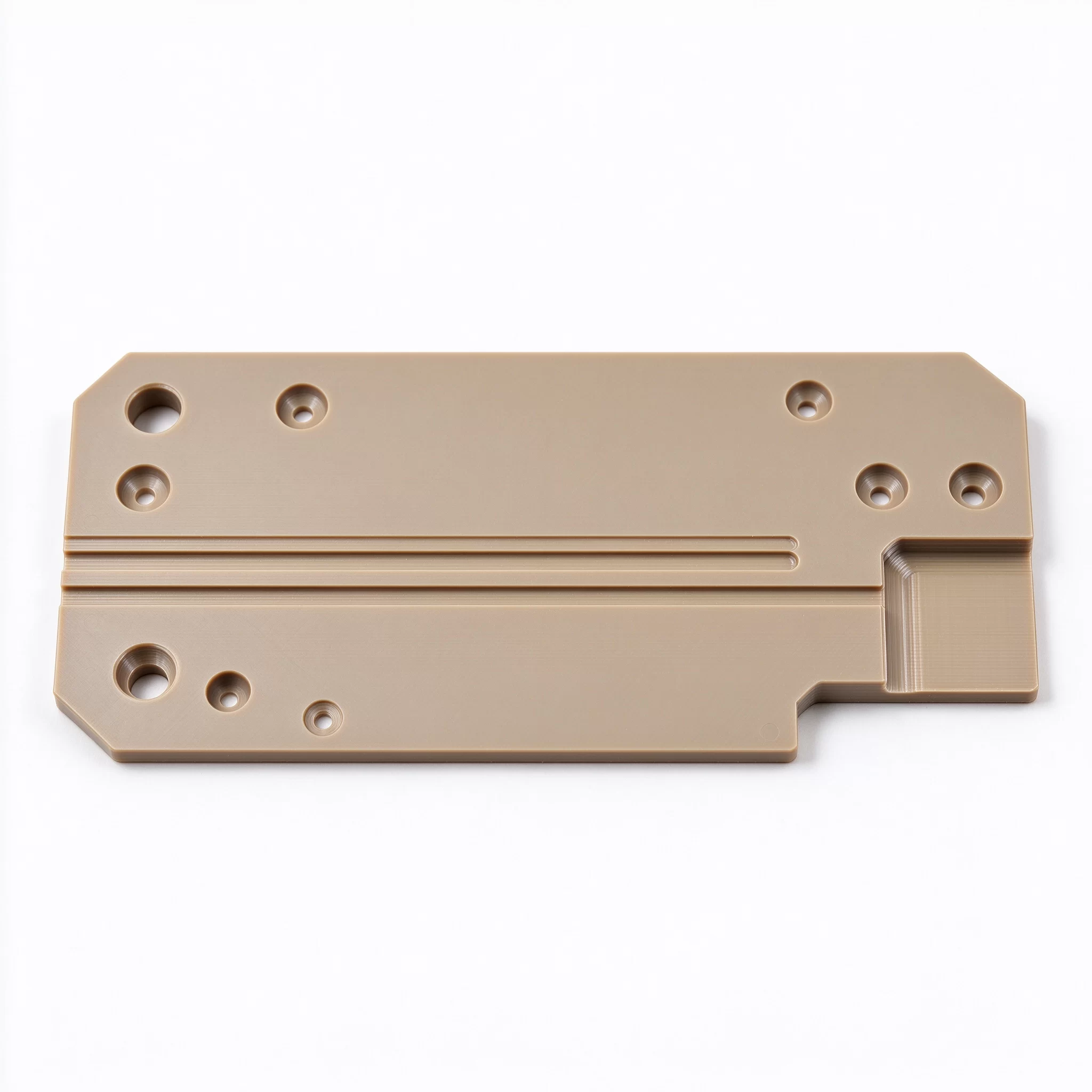
Use CNC machining when the sheet needs critical holes, countersinks, pockets, grooves, sealing faces or profile accuracy.

Custom parts

Drawing-driven flat components

Use the custom parts route when material, tolerance, inspection and assembly function need to be quoted together.

Design risks

Watch the sheet conditions that create quote and production risk.

Risk Where it appears How to reduce it in the RFQ
Warp or bow Large thin plates, one-sided pockets, stressed stock and unsupported panels. Define flatness, thickness, machining allowance, support condition and whether stress relief is needed.
Hole breakout Dense hole patterns, countersinks near edges and brittle or filled grades. Send the hole pattern, edge distances, countersink details and material grade.
Creep or deformation PTFE, PE, PP, Nylon or loaded plates under temperature or pressure. Define load, temperature, contact area, time under load and assembly constraint.
Moisture growth Nylon and some hygroscopic engineering plastics. Define humidity, fluid exposure and final inspection condition.
Edge quality Cut-to-size blanks, visible panels, sealing surfaces or sliding edges. Specify saw-cut, machined, deburred, chamfered or surface finish expectations.

Applications

Common engineering plastic sheet applications.

Application Likely sheet materials Design check
Electrical insulation plates PEI, PPS, PEEK, FR materials, PTFE Dielectric requirement, thickness, creepage, heat and hole quality.
Wear pads and guide plates POM, Nylon, UHMW-PE, PET, filled PEEK Friction, load, mating surface, wear debris and moisture.
Chemical liners and fluid panels PTFE, PVDF, PPS, PEEK Chemical concentration, pressure, seal geometry, temperature and creep.
Semiconductor and precision fixtures PEEK, PPS, PEI, PI, PVDF Flatness, small features, cleanliness, thermal cycling and documentation.
Machine guards and structural panels PC, PET, POM, Nylon, PEI Impact, transparency, stiffness, fasteners, edge finish and cost.

Related routes

Move from sheet selection to the right quote path.

Products

Engineering plastic products

Compare sheets with rods, tubes, filaments and custom parts before locking the stock form.

Materials

Engineering plastic materials

Compare PEEK, PPS, PEI, PI, PAI and other high-performance plastics by operating environment.

RFQ

Contact engineering support

Send sheet thickness, cut size, material, drawing, tolerance and operating environment for review.

RFQ checklist

Send the sheet details that prevent quote rework.

RFQ input Why it matters Example
Material or performance target Allows sheet material to be selected for heat, chemicals, wear, electrical or cost constraints. PEEK sheet, PPS sheet, POM sheet, PTFE sheet or unknown material for chemical service.
Sheet thickness and blank size Controls availability, cutting route, yield, stiffness and machining allowance. Finished 12 mm plate, cut blank 300 x 250 mm, quantity 40.
Drawing or hole pattern Defines machined features, tolerances, countersinks, pockets and inspection scope. PDF drawing, STEP file, hole table and critical dimensions.
Flatness and surface needs Prevents mismatch between simple cut blank and precision machined plate expectations. Flatness target, machined faces, edge finish, chamfer and deburr.
Operating environment Connects the sheet choice to real service conditions. Temperature, chemicals, load, moisture, friction, electrical requirement and target lead time.

FAQ

Questions buyers ask before ordering engineering plastic sheet.

An engineering plastic sheet is a flat stock shape made from a polymer selected for mechanical, thermal, chemical, electrical or wear performance. It can be cut into blanks or CNC machined into plates, panels, fixtures and precision parts.
Start with the service condition. PEEK, PPS, PEI, PI and PAI are reviewed for heat and dimensional stability; PTFE and PVDF for chemical exposure; POM, Nylon and PET for wear, machining and cost-sensitive mechanical parts.
Yes. Sheet stock can be cut into blanks, strips, panels or near-net rectangles before CNC machining. RFQs should include thickness, length, width, edge finish, tolerance and quantity.
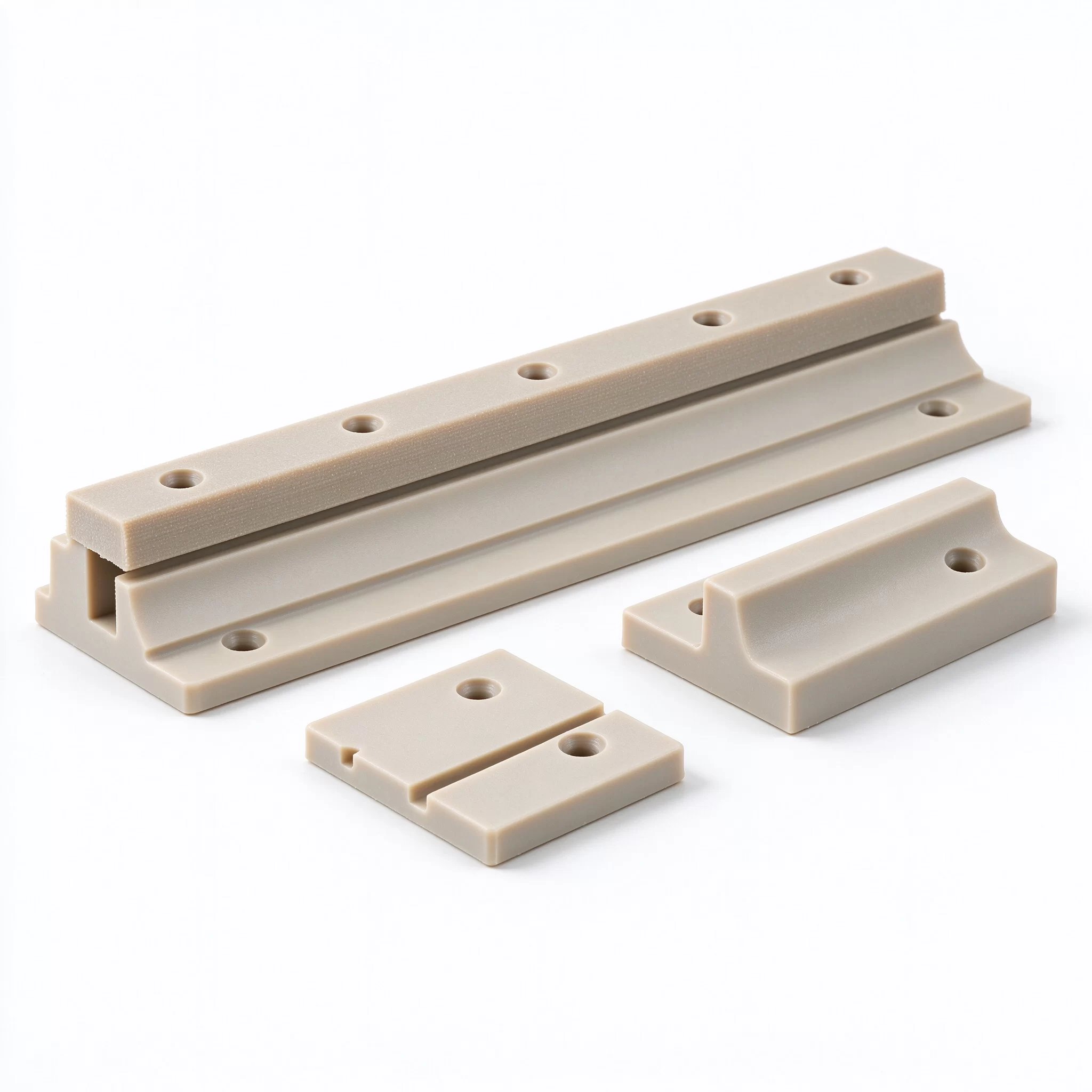
Yes. Plastic sheets can be machined into panels, wear pads, insulating plates, fixtures, manifolds, brackets, spacer plates and parts with holes, pockets, grooves or countersinks.
Warpage can come from internal stress, uneven material removal, thin walls, asymmetric pockets, moisture, heat, clamping pressure or unsupported geometry. Material choice, blank size, machining sequence and tolerance planning help reduce risk.
Send material, sheet thickness, blank size or drawing, tolerances, flatness needs, quantity, operating temperature, chemical exposure, load, edge finish, surface finish, inspection needs and target lead time.

Engineering plastic sheet RFQ

Send sheet thickness, blank size and drawing for material and machining review.

A practical sheet quote starts with material, thickness, cut size and final function. Add drawing details when the plate needs holes, pockets, flatness, edge finish or inspection.

  • Material or performance target
  • Thickness, blank size and quantity
  • Drawing, holes, pockets and tolerances
  • Flatness, edge finish and operating environment