GP
Great PlasticsEngineering Materials & Custom Parts
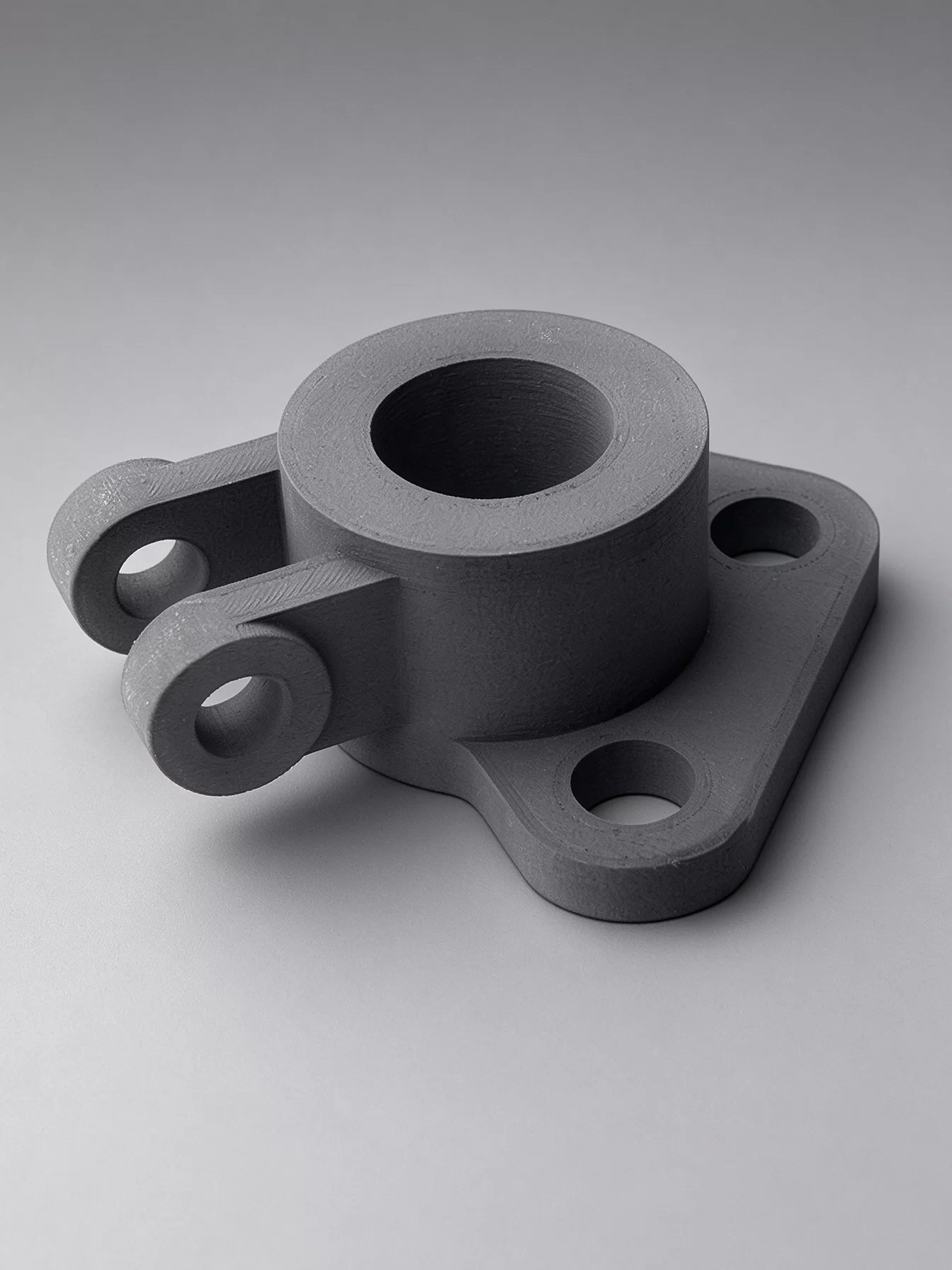
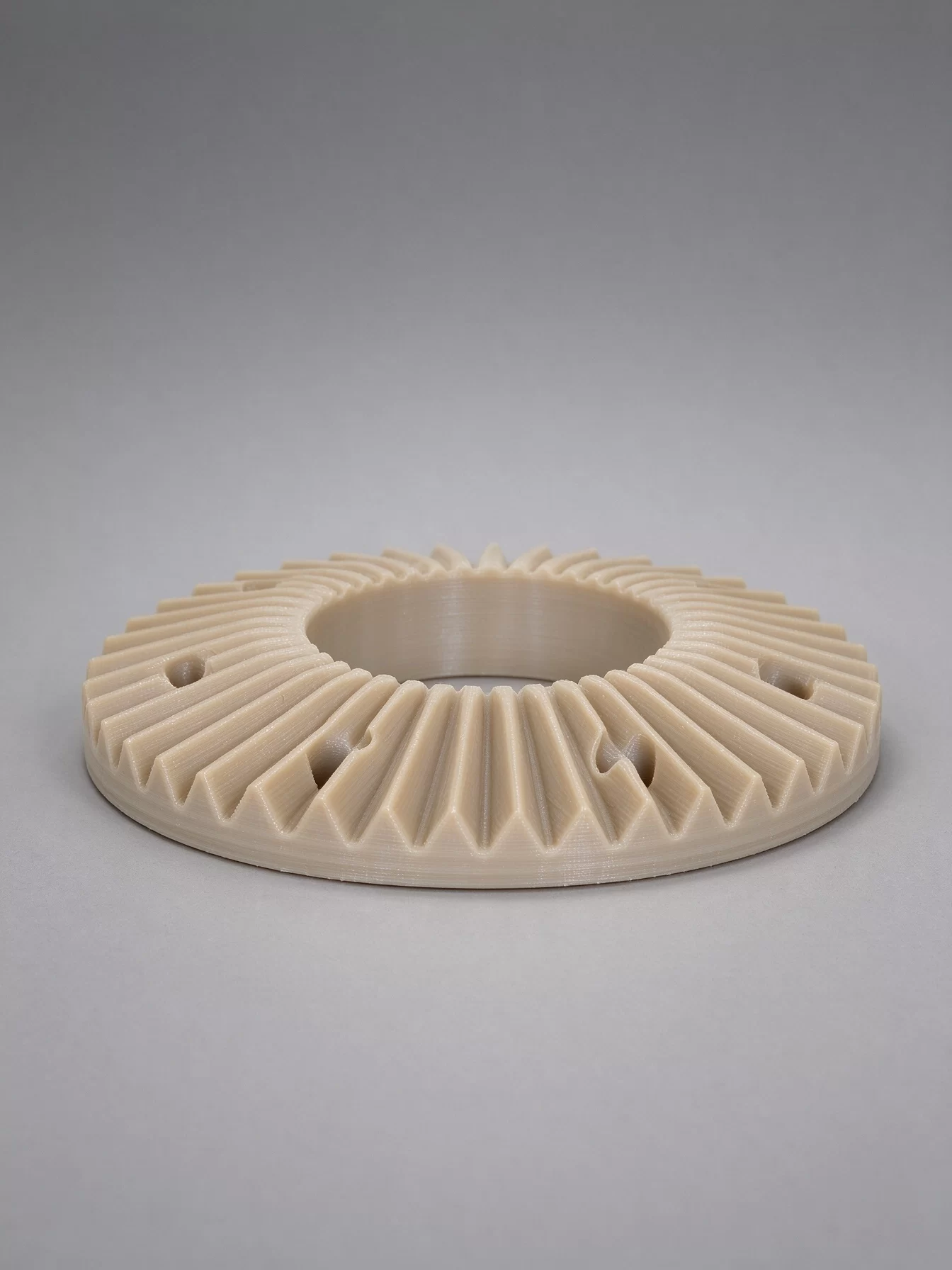
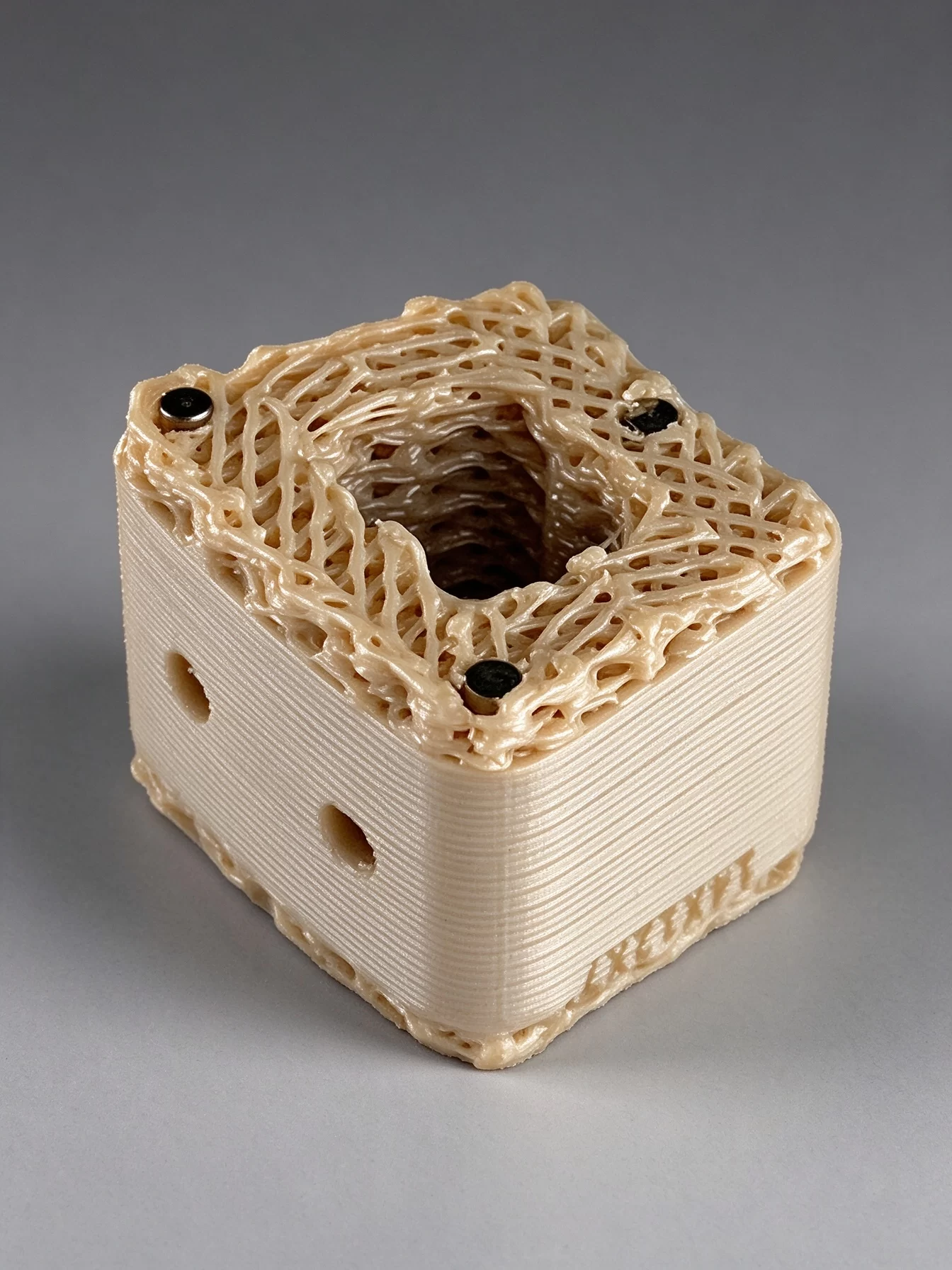
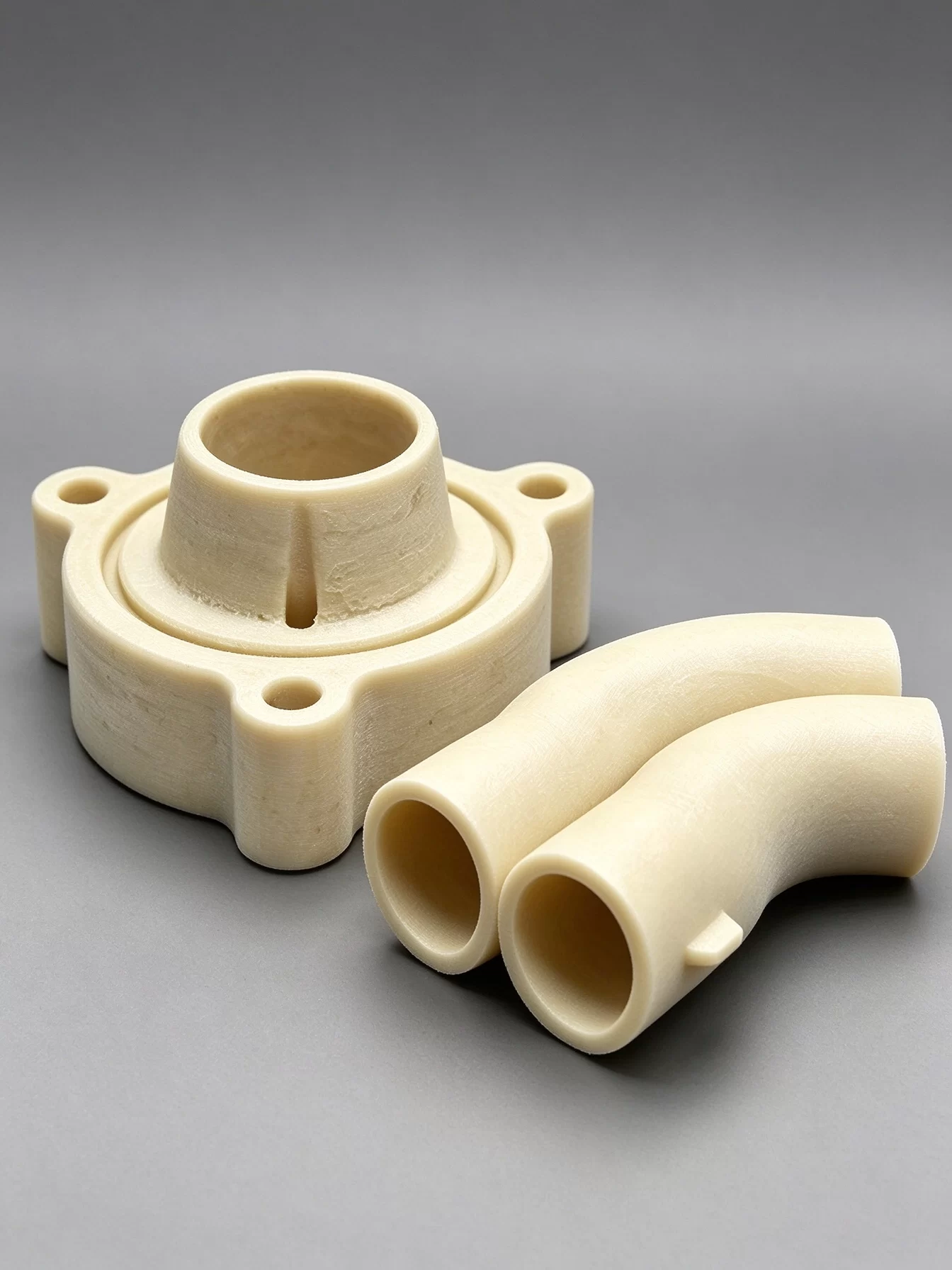
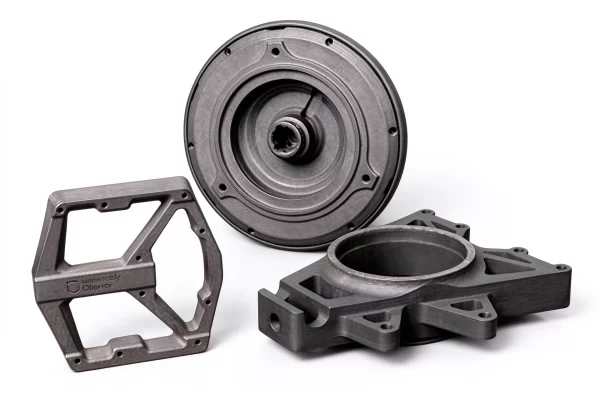
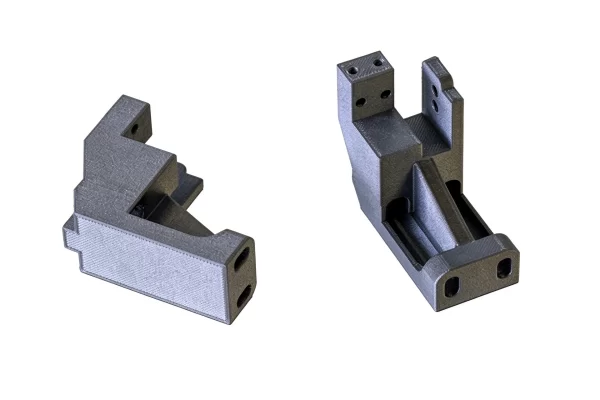
Engineering plastic 3D printing
Plan functional 3D printed plastic parts before material and tolerance risks become expensive.
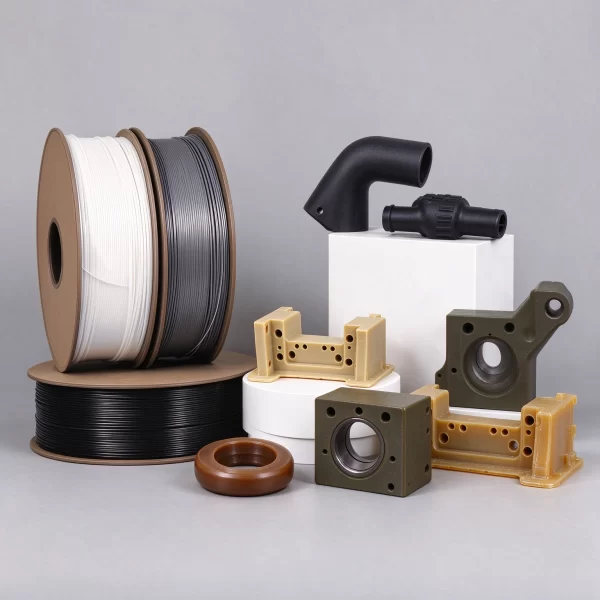
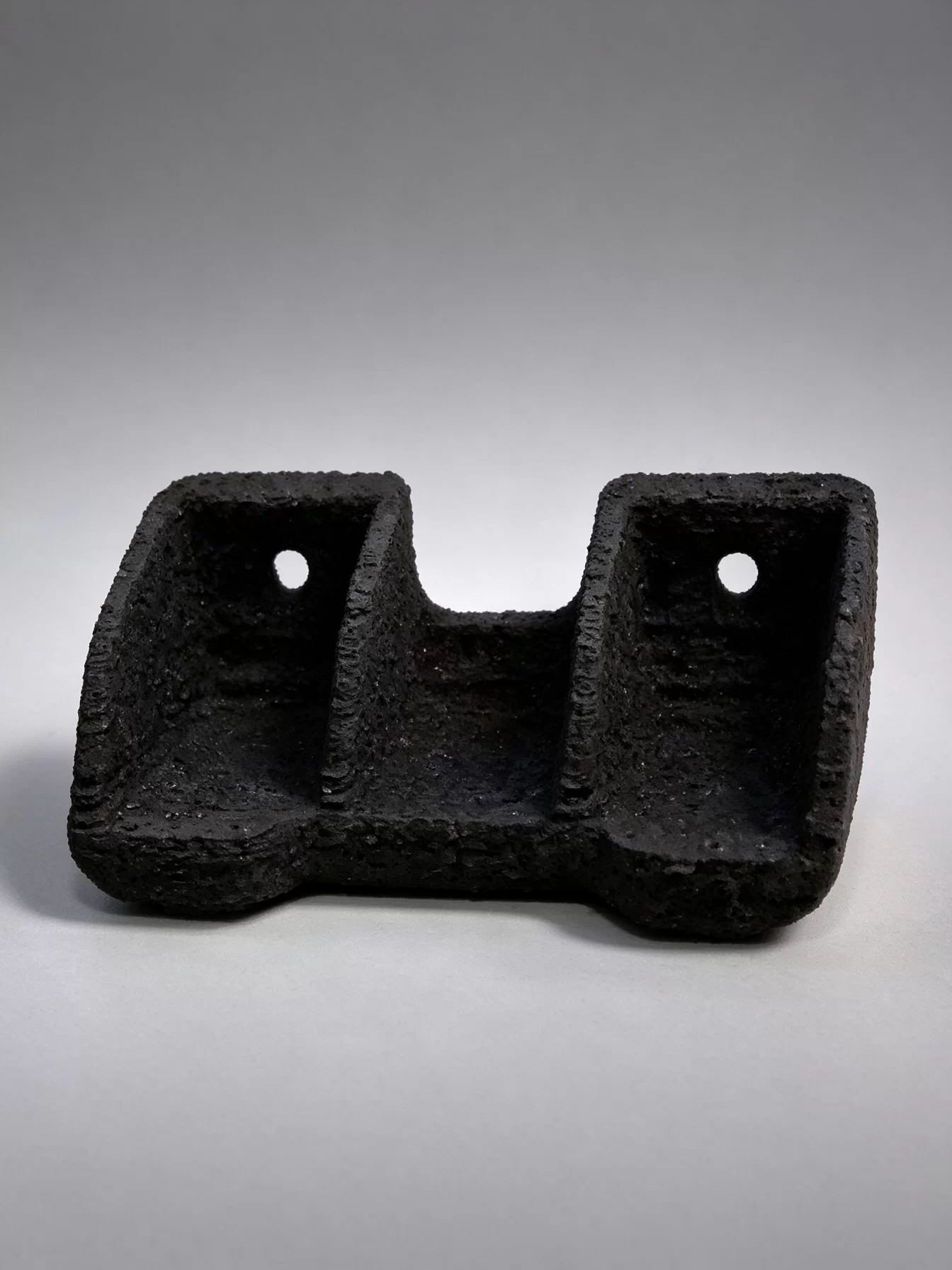
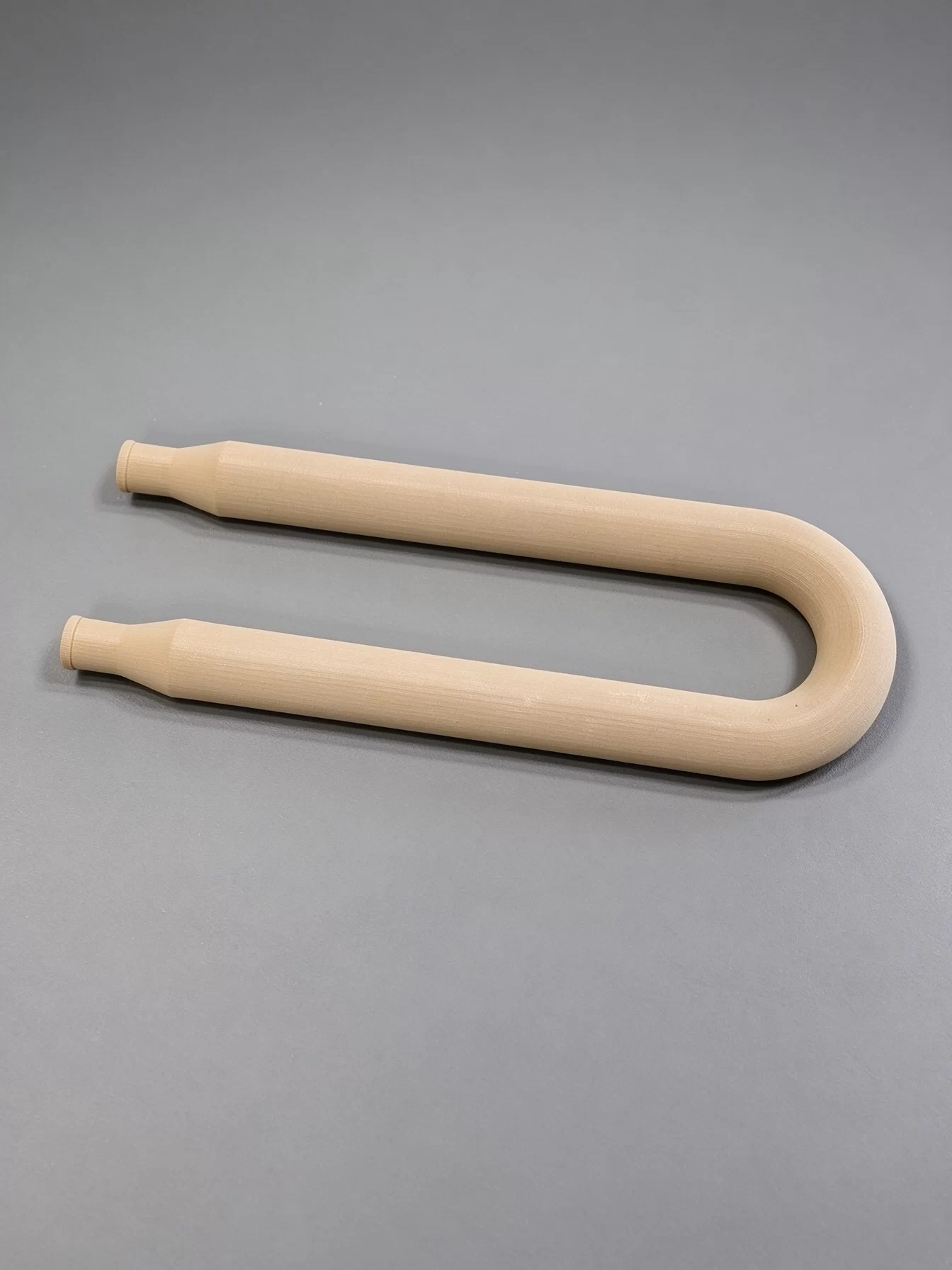
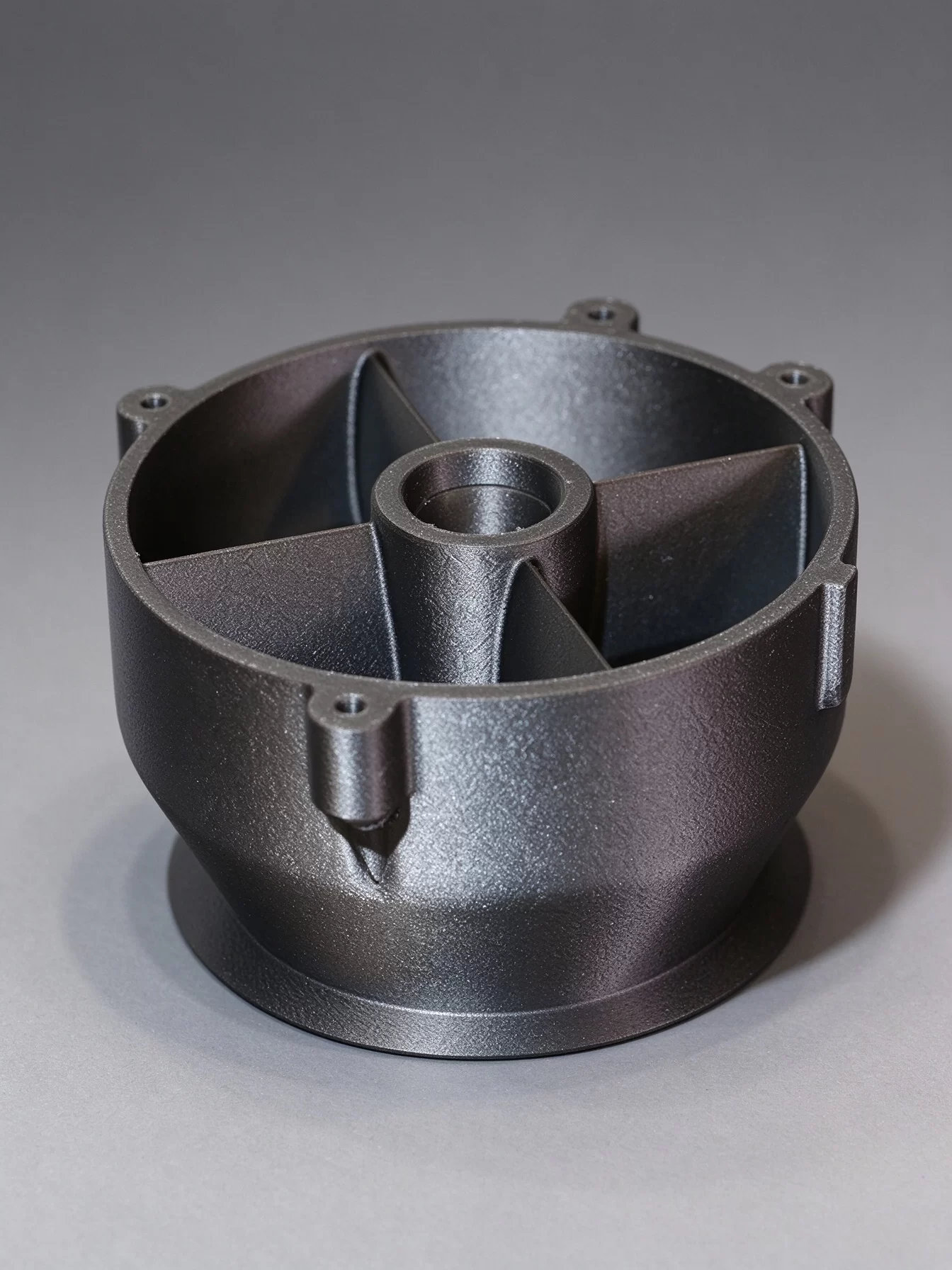
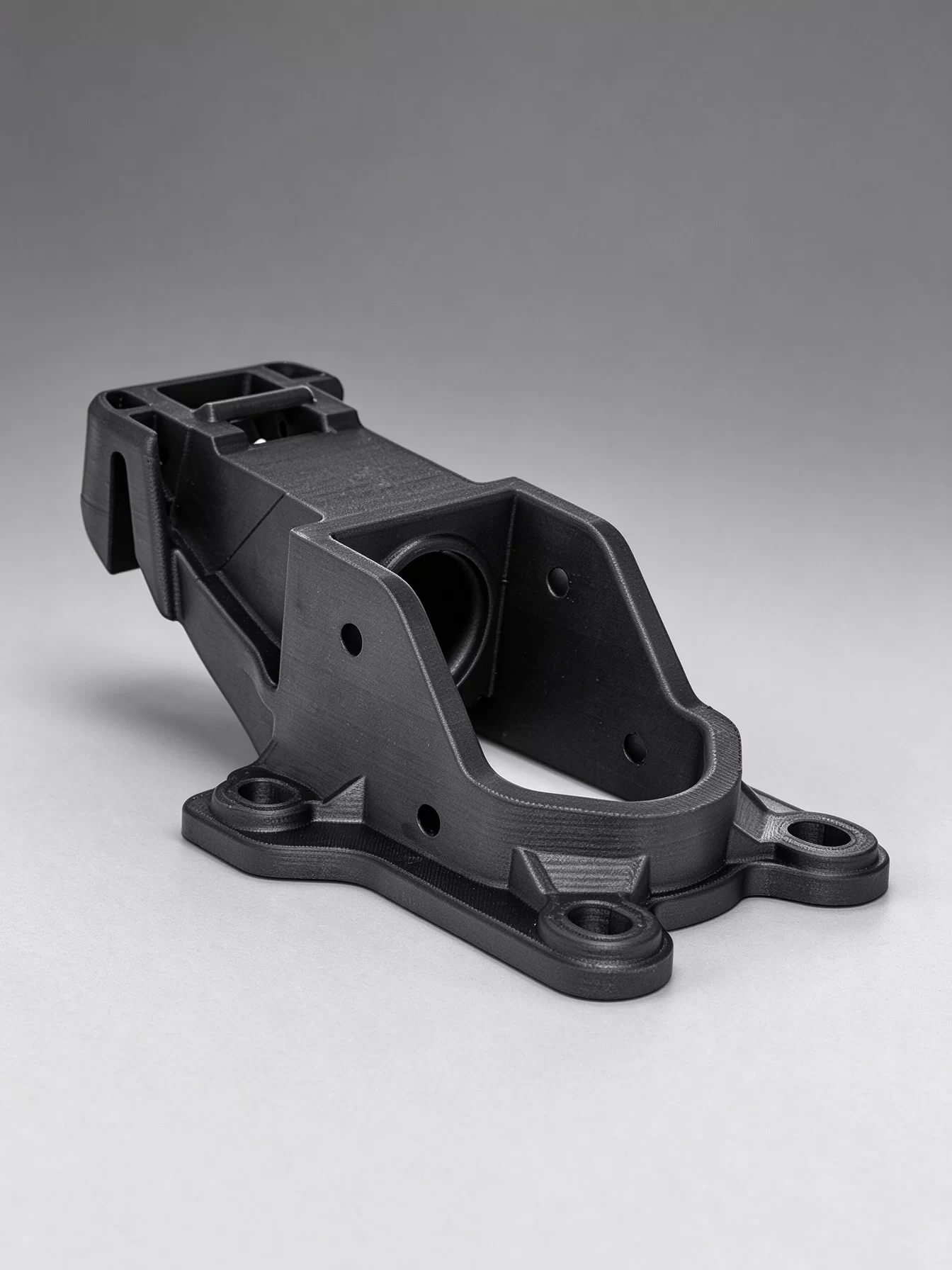
Great Plastics helps review engineering plastic 3D printing projects for prototypes, fixtures and low-volume parts where PEEK, PEI, nylon, PC, PPSU or filled materials may be considered.

Short answer
Use 3D printing when geometry speed matters, but review the part like a functional plastic component.
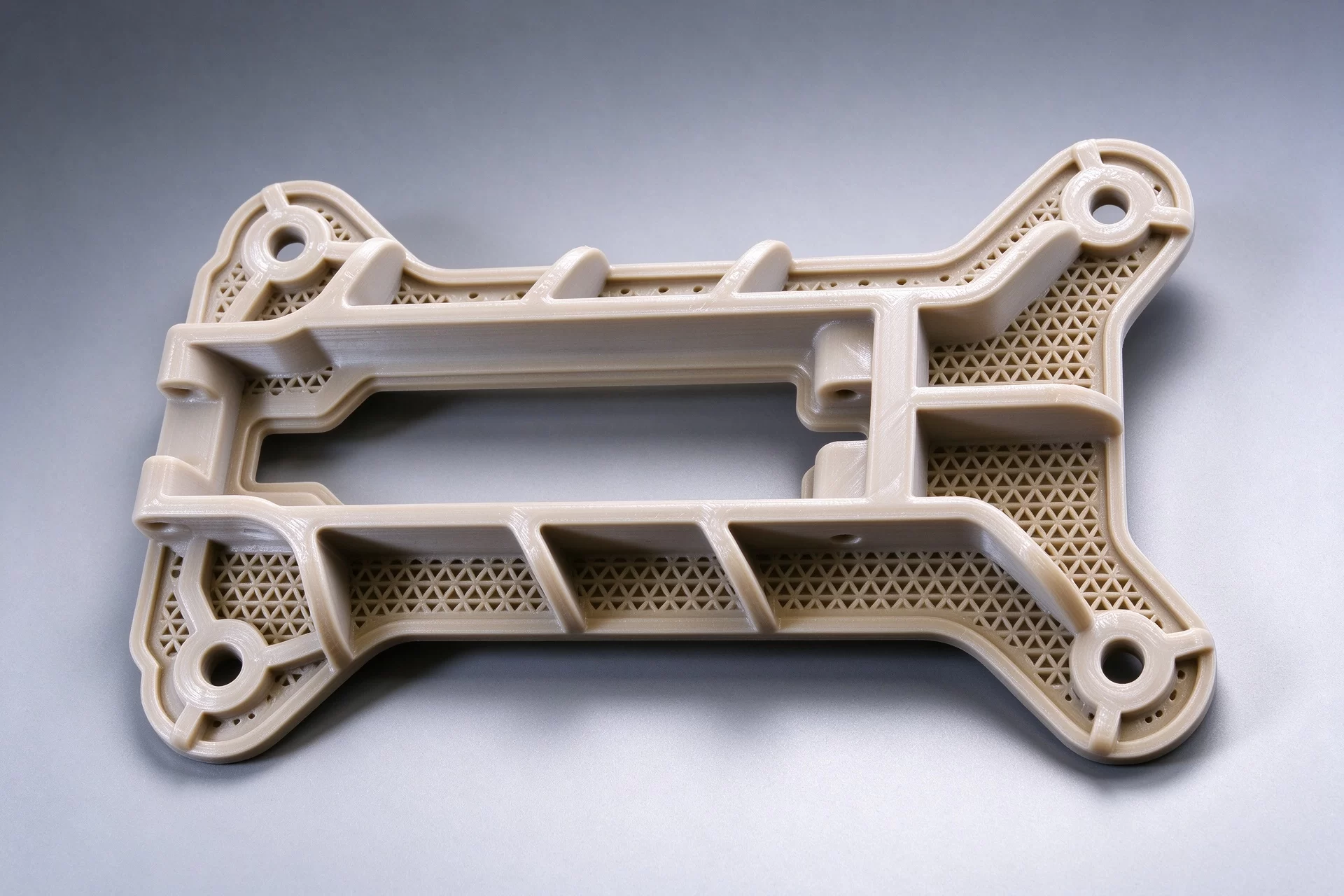
Engineering plastic 3D printing is strongest when a buyer needs a fast functional prototype, a fixture, a trial part or a low-volume shape that would be slow to machine or too early for tooling. The quote should still start with temperature, chemicals, load direction, tolerance, surface finish and quantity, because printed polymers do not behave exactly like machined stock or molded resin.
Route fit
When 3D printing is the right first route.
| Project condition | 3D printing can help when | Review another route when |
|---|---|---|
| Prototype schedule | The part is needed quickly for fit, assembly or ergonomic checks. | The final material behavior must match machined sheet, rod or molded resin. |
| Geometry | Internal channels, lightening features or complex brackets make machining inefficient. | Flatness, sealing faces, press fits or bearing surfaces control the function. |
| Material performance | PEEK, PEI, nylon, PC or PPSU properties are useful for early validation. | Chemical exposure, continuous heat or load-bearing duty requires confirmed material data. |
| Quantity | One-off samples and low-volume batches do not justify tooling. | Repeat production volume makes injection molding or machining more predictable. |
| Documentation | The buyer needs a trial route before freezing drawings and inspection requirements. | Certificates, lot traceability or regulated documentation must be confirmed before production. |
Material path
Match the polymer to the reason for printing.
PEEK and PEKK
Consider for high heat, chemical exposure and strength targets, but review crystallinity, warpage, annealing, support strategy and cost before quoting.
PEI / ULTEM-style materials
Useful when flame, heat and dimensional stability matter. Check build orientation, layer strength, color expectations and documentation requirements.
Nylon PA12 / PA11
A practical route for functional prototypes, housings, clips, fixtures and lightweight parts where toughness is more important than polished surfaces.
PC, ABS, ASA and blends
Fit check parts, covers and moderate-duty components can often start here before moving to higher-performance plastics.
Filled and carbon fiber grades
Higher stiffness can help fixtures and brackets, but anisotropy, surface texture and edge detail should be reviewed from the CAD model.
Stock-shape alternatives
If the part needs final material behavior, compare printed parts with CNC plastic machining from sheet, rod or plate.
3D printing RFQ workbench
Turn a CAD model into print-ready engineering inputs.
Fast print specification
Use this structure when a buyer needs a functional prototype, fixture, trial housing, printed engineering plastic part or a route comparison against machining and molding.
- Part purpose: fit check, functional test, fixture, thermal trial, chemical trial or bridge production.
- Material target: PEEK, PEI, Nylon, PC, PPSU, carbon-filled grade or performance-based selection.
- Print constraints: orientation, support contact, layer direction, wall thickness, post-machining and finish.
- Service conditions: load, heat, chemical exposure, moisture, vibration, electrical needs and critical dimensions.
Process comparison
Choose the print process around geometry, surface and material risk.
| Route | Best fit | Engineering caution | Typical next decision |
|---|---|---|---|
| FDM / FFF | Large prototypes, fixtures, high-temperature polymers and quick form checks. | Layer direction, support marks, chamber temperature and warpage can control performance. | Confirm orientation and critical surfaces before quote. |
| SLS / MJF nylon | Functional nylon parts, complex shapes, clips, housings and low-volume batches. | Surface texture, powder removal, thin walls and moisture exposure need review. | Confirm surface finish and fit-critical dimensions. |
| SLA / resin | Visual samples, small detail and form checks. | Many resins are not equal to engineering thermoplastics in heat, chemicals or long-term load. | Use for appearance unless the resin data supports the application. |
| CNC machining | Tight tolerances, smooth faces, bearing/sealing features and stock-shape material behavior. | Complex internal geometry may increase setup time or become impossible. | Use as a bridge when function matters more than print speed. |
| Injection molding | Repeat production after geometry, resin and demand are validated. | Tooling makes changes more expensive after design freeze. | Use printed and machined parts to reduce tooling risk. |
Print feasibility
Check the details that control part strength, accuracy and repeatability.
| Review item | Why it matters | What to mark on the RFQ |
|---|---|---|
| Build orientation | Layer direction affects strength, clip behavior, fastener loads and fracture risk. | Load direction, mounting points, snap features and surfaces that must be strongest. |
| Critical holes and threads | Printed holes, tapped features and inserts may need sizing, reaming or post-machining. | Thread size, insert type, mating shaft, bore tolerance and inspection method. |
| Thermal and chemical exposure | Material choice and print process must match peak temperature, cleaning and chemical contact. | Continuous and peak temperature, chemical name/concentration and contact duration. |
| Warp and support risk | Thin walls, large flat areas, overhangs and high-temperature polymers can change final geometry. | Flatness requirements, cosmetic faces, support-free surfaces and areas that can be modified. |
| Post-process needs | Annealing, sanding, dyeing, machining, tapping or insert installation can change timing and tolerance. | Finish, color, secondary machining, assembly steps and acceptance criteria. |
Project workflow
A practical path from CAD model to useful plastic parts.
Review the model
Check wall thickness, unsupported features, small holes, text, threads, mating faces and dimensions that cannot be allowed to drift.
Select the material route
Compare PEEK, PEI, nylon, PC, PPSU or lower-risk prototype materials against heat, chemicals, load and quantity.
Set print and post-process notes
Define orientation, support contact, annealing review, inserts, tapping, surface finishing and inspection points before production.
Decide the next route
Use the printed result to move toward revised printing, CNC machining, custom cutting or injection molding when demand becomes clearer.
Application matrix
Where engineering plastic 3D printing creates buyer value.
| Application | Useful material direction | Review before RFQ |
|---|---|---|
| Assembly fixtures and nests | Nylon, PC, filled nylon or PEI depending on temperature and wear. | Contact surfaces, screw inserts, cleaning chemicals and replacement frequency. |
| Functional prototypes | Start with nylon or PC; consider PEEK/PEI only when the test requires it. | Which features must behave like final production material. |
| Aerospace or mobility brackets | PEI-style, PEEK or filled grades may be considered after load and flame requirements are known. | Layer direction, fasteners, vibration, heat and documentation needs. |
| Semiconductor or electronics fixtures | PEEK, PEI, PPSU or ESD-capable grades when the environment requires it. | Outgassing, temperature cycles, dielectric needs and cleanliness expectations. |
| Fluid or chemical handling trials | PEEK, PPSU or selected nylon grades may be reviewed. | Chemical concentration, temperature, pressure, sealing surfaces and long-term exposure. |

Design review
Most failed printed plastic parts fail at the design assumption, not the quote form.
Before asking for a price, separate cosmetic geometry from functional surfaces. Printed plastics can be directional, textured and sensitive to heat history, so the model should make the real engineering priorities visible.
- Mark threads, inserts, sealing surfaces, bearing faces and inspection dimensions.
- Tell us whether the part is for fit check, functional test, fixture use or production release.
- Share temperature, chemicals, cleaning method, load direction, vibration and moisture exposure.
- Confirm whether CNC machining or molding will be evaluated after the printed part is tested.
RFQ checklist
Send the information that prevents a vague 3D printing quote.
| RFQ input | Why it matters |
|---|---|
| 3D model plus 2D drawing if available | The model defines shape; the drawing tells us which dimensions and surfaces matter. |
| Material or performance target | PEEK, PEI, nylon and PC are not interchangeable once heat, chemicals and load are known. |
| Quantity and revision stage | A one-off prototype, pilot batch and production bridge require different review depth. |
| Operating environment | Temperature, chemicals, moisture, electrical needs and cleaning method affect material route. |
| Critical tolerances and finish | Some features may need machining after printing or a different manufacturing route. |
| Documentation needs | Certificates, inspection records or traceability should be confirmed before project release. |
Related pages
Continue the manufacturing route review.
FAQ
Questions buyers ask before printing engineering plastic parts.
What is engineering plastic 3D printing used for?
It is used for functional prototypes, fixtures, lightweight brackets, trial housings, low-volume parts and material validation where the geometry or schedule does not justify tooling.
Can PEEK or PEI be 3D printed for functional parts?
Yes, when the part and application fit the process. PEEK and PEI projects should be reviewed for heat control, warpage, layer direction, support removal, annealing, tolerance and service environment.
Is a printed PEEK part the same as a machined PEEK part?
No. Printed PEEK can be useful, but machined PEEK from stock shape may be more predictable for tight tolerance, sealing, bearing or documentation-driven applications.
When is CNC machining better than 3D printing?
CNC machining is often better for tight tolerances, smooth surfaces, tapped holes, sealing faces, bearing fits and final material behavior from sheet, rod or plate.
What files are needed for a 3D printed plastic part quote?
Send a 3D model, drawing if available, material or performance target, quantity, critical dimensions, operating temperature, chemical exposure, load direction, finish needs and target lead time.
Can 3D printed parts move into production later?
Yes. A printed part can validate shape and assembly before the project moves to CNC machining, custom cutting, injection molding or another repeatable production route.
Start with a model and use case
Request an engineering plastic 3D printing review before freezing the route.
Share the 3D model, drawing, material target, quantity, critical dimensions, operating environment and lead-time goal. Great Plastics will review whether printing, machining, cutting or molding is the stronger path.