
5
High-performance materials
1-2days
Cut-to-size lead time from
1pc
MOQ
MTC
Mill cert & batch traceability
Product forms
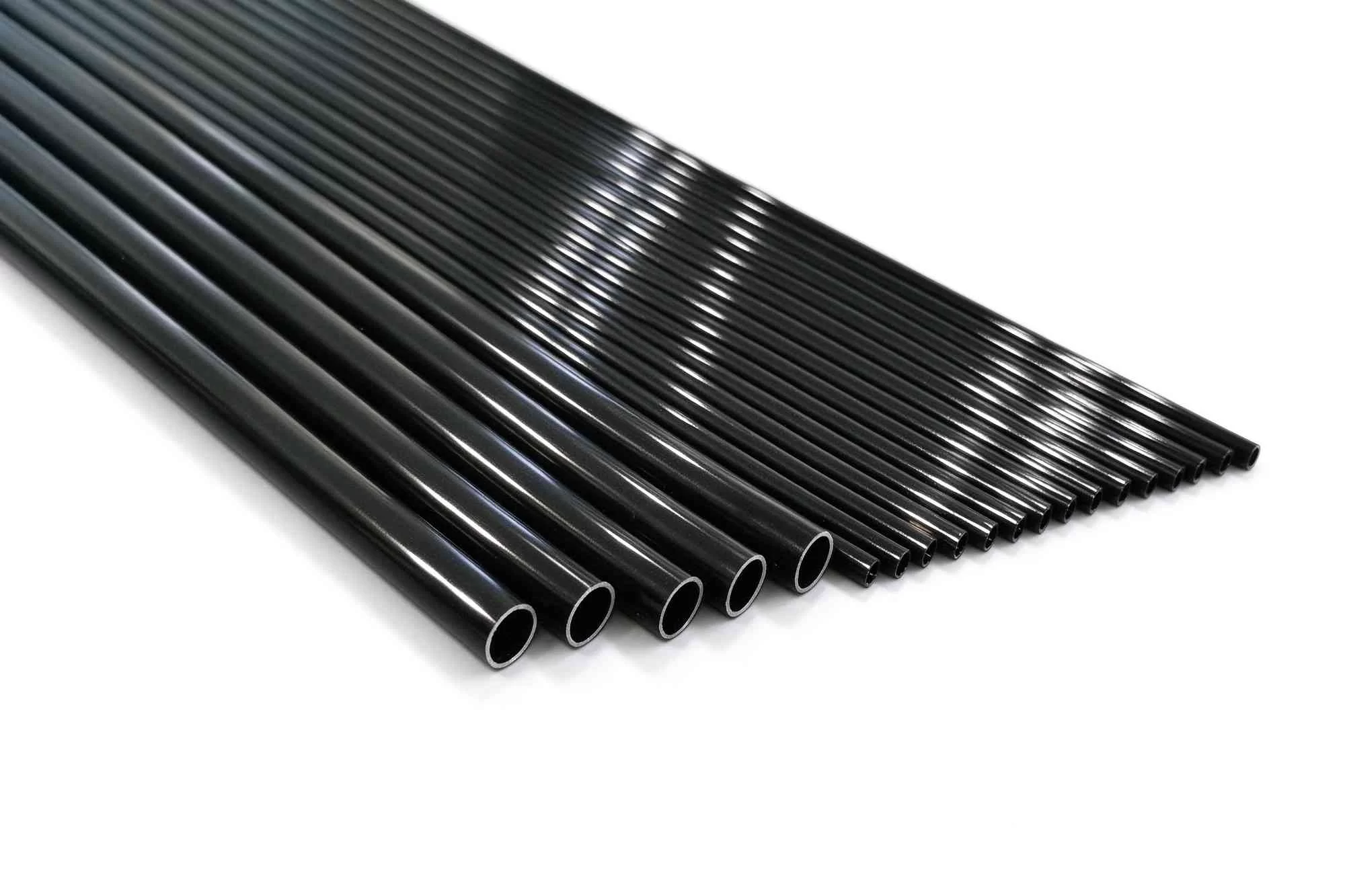
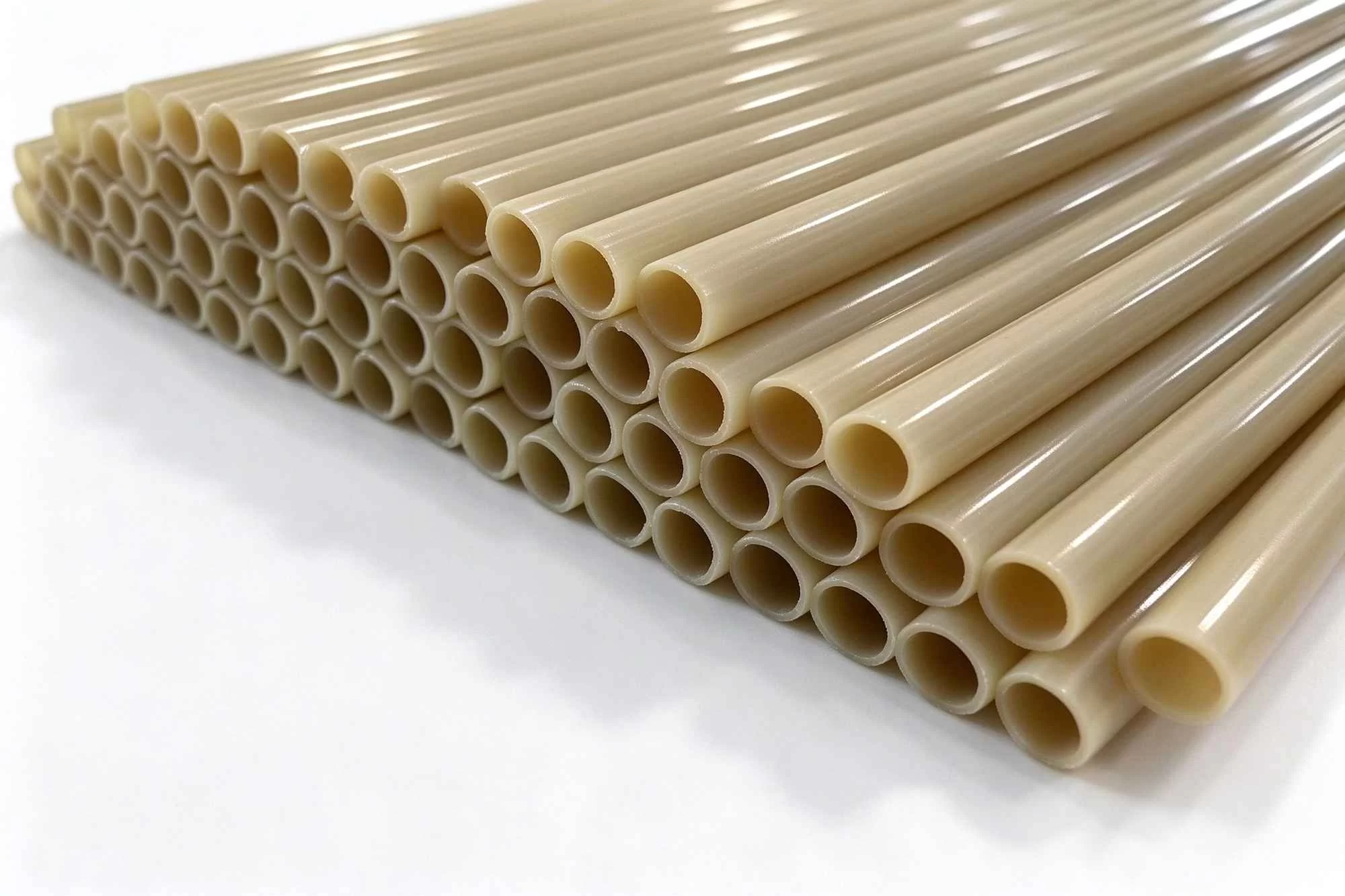
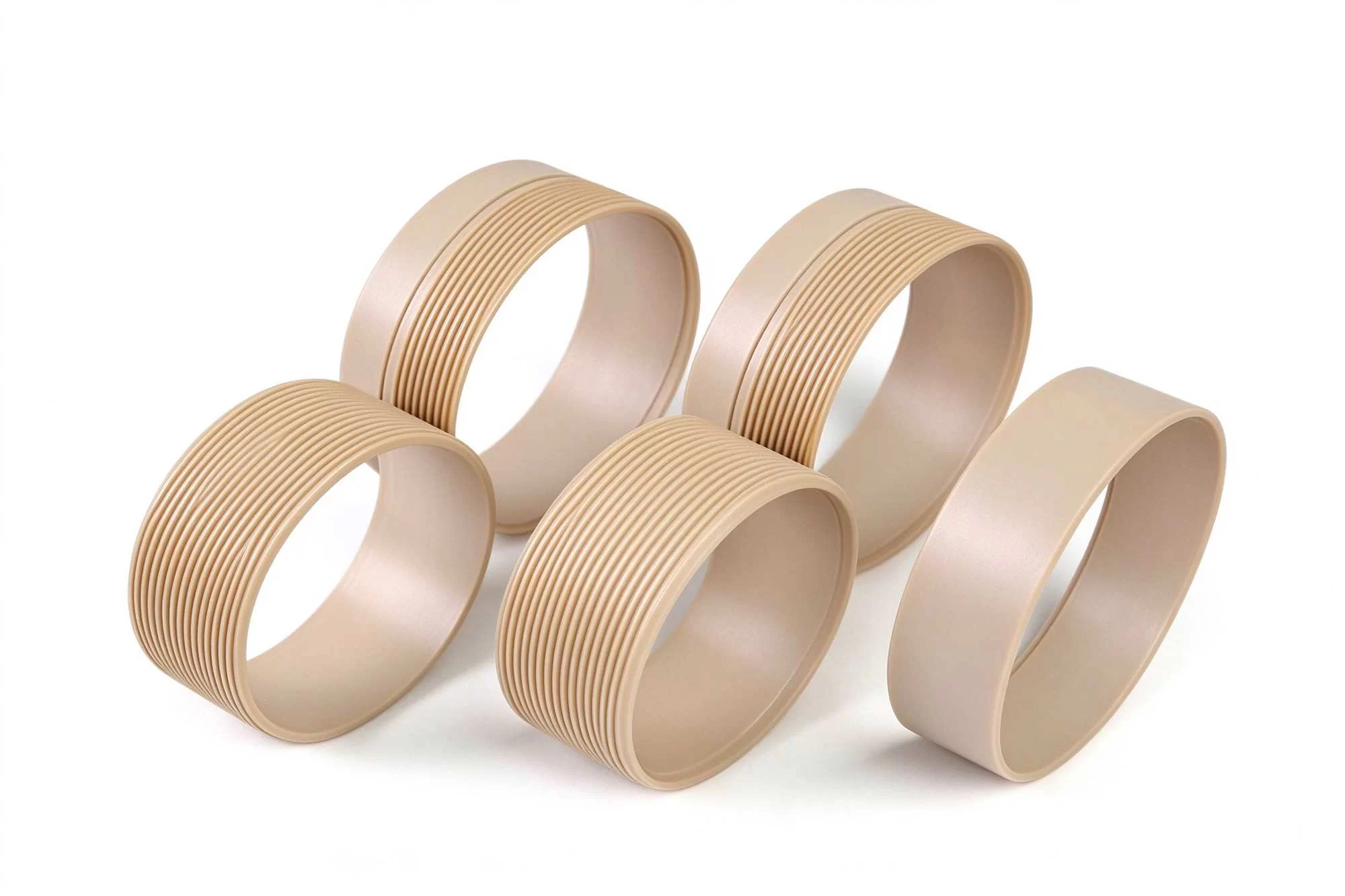
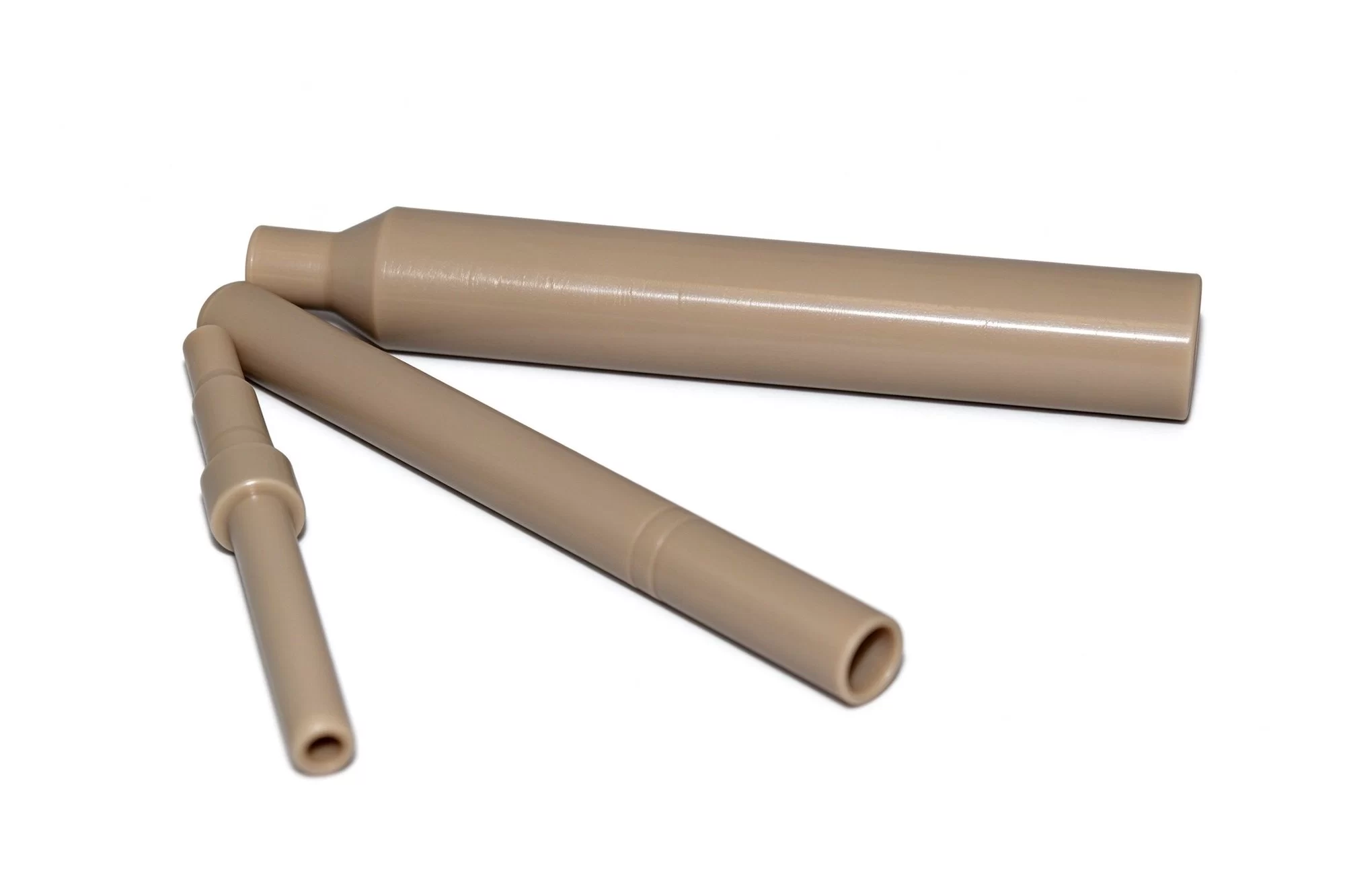
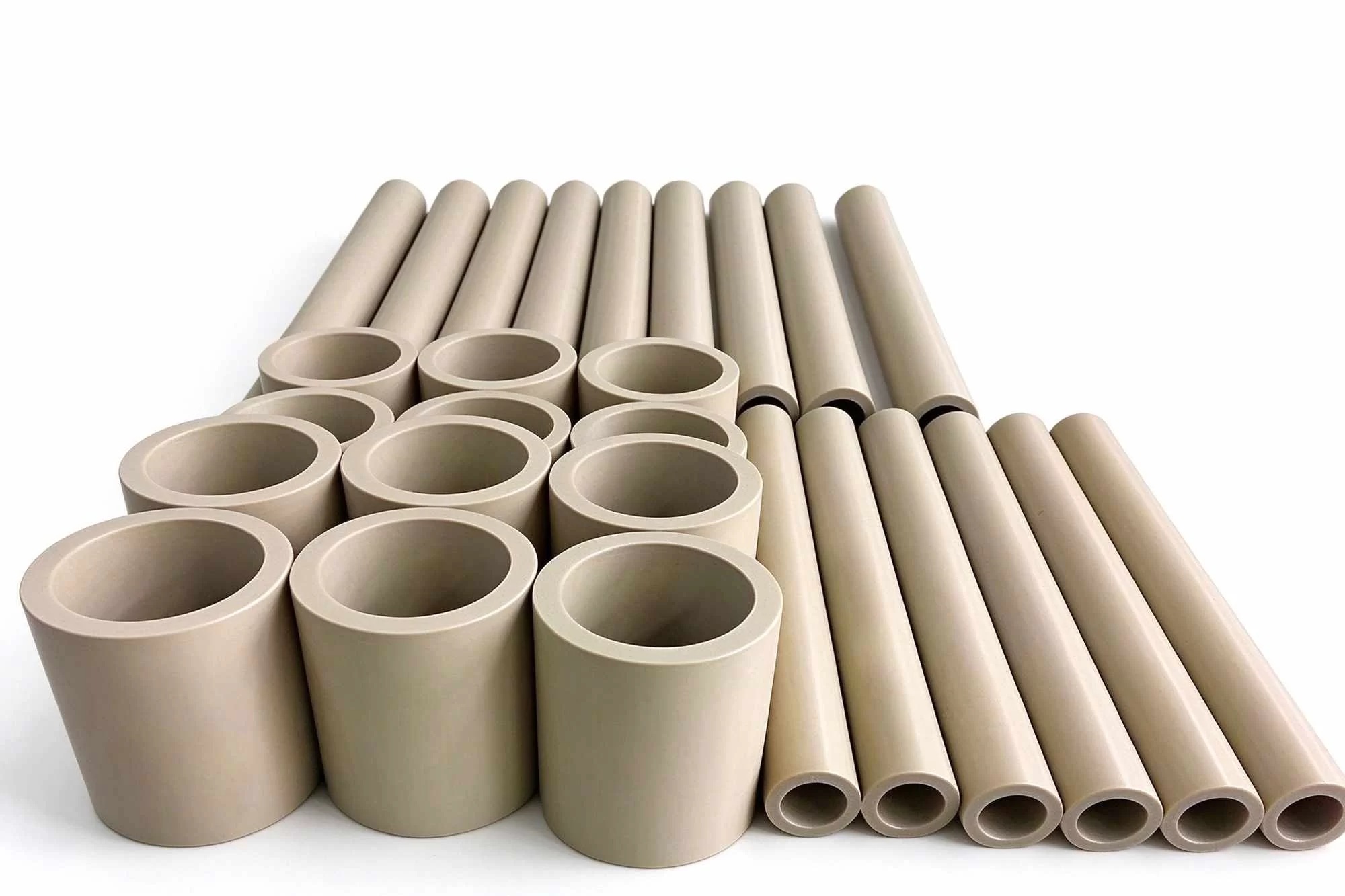
Choose the tube form around the finished hollow part
A tube RFQ can mean stock supply, a cut blank, a machined sleeve, an insulating spacer or a finished bushing. The right route depends on how much material must remain after machining and which surfaces control fit.
Material selection
Which Tube Material for Your Application?
Start with how the tube will actually be used — temperature, chemicals, load, wear, moisture and electrical insulation all narrow the choice, and so does the wall thickness and the final part geometry.
Cutting & Machining
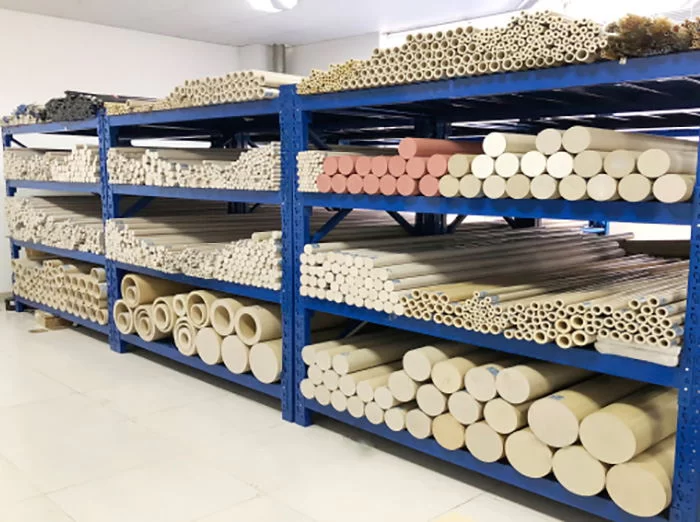
Buy Tube Stock, Cut Blanks or Near-Finished Hollow Parts
You do not have to put every hollow component through one route. Send us what you need — raw tube, cut sections or finished parts — and we will tell you the most practical way to get there.
From Drawing to Delivery
How We Review Your Tube Request
Send us the drawing or the key dimensions, and we will work out the right material, the right starting stock and a price — usually within one business day.
Buyer questions
