
Automotive Engineering Plastics & Custom Machined Parts
Great Plastics supplies drawing-based automotive components in PEEK, PPS, PI, PEI and PAI. Send your drawing, sample or operating requirements for a review of material fit, machining feasibility and critical dimensions.
High-performance engineering plastics such as PAI and PEEK can be considered for selected automotive applications where conventional materials may not meet the required combination of performance, weight and design flexibility. The right choice depends on the material grade, component geometry and actual operating conditions.
advantage
What Can High-Performance Plastics Offer Automotive Designers?
- Weight reduction — Replacing selected metal components with plastic parts can reduce component weight and may help lower the overall mass of an assembly.
- Wear resistance — Suitable grades can be considered for components exposed to repeated contact, sliding motion and friction.
- Thermal performance — PAI and PEEK offer high-temperature capabilities compared with many conventional plastics, although the usable temperature range depends on the grade, load and service environment.
- Chemical resistance — Compatibility with transmission fluids, lubricants, fuels and other automotive chemicals must be evaluated for the specific material grade and exposure conditions.
- Noise and vibration considerations — Plastic components may alter the transmission of noise and vibration compared with metal, depending on the part design and assembly.
- Design flexibility — Custom-machined plastic components can be produced to suit specific geometries, interfaces and dimensional requirements.
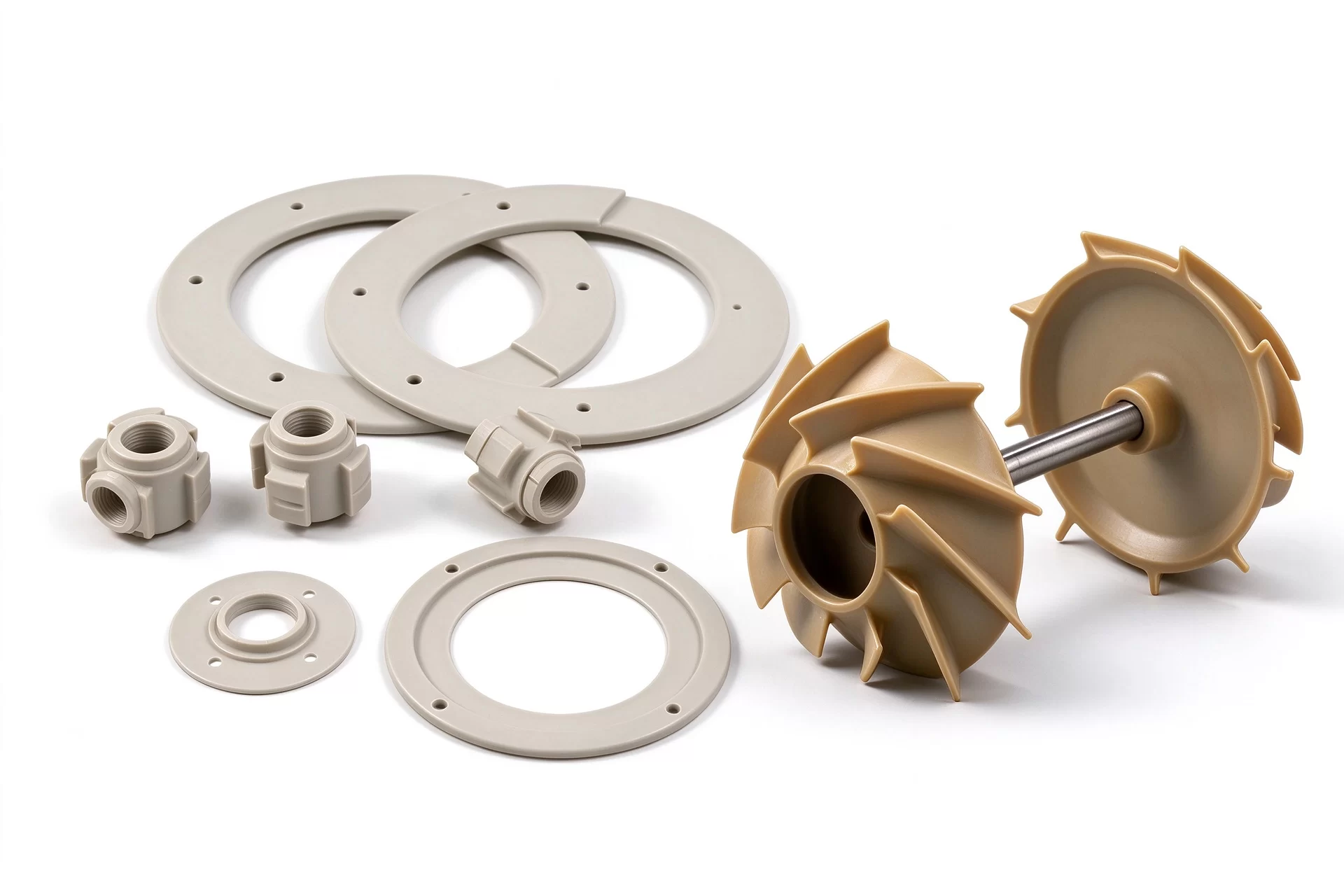
solutions
Automotive Components Made from High-Performance Plastics
Great Plastics helps automotive engineers develop custom plastic components that can reduce weight, manage wear and meet demanding operating requirements. With material selection and precision machining tailored to each application, we support functional prototypes and production-ready parts.
Depending on operating conditions and material selection, high-performance plastics such as PEEK and PAI may be considered for the following components.
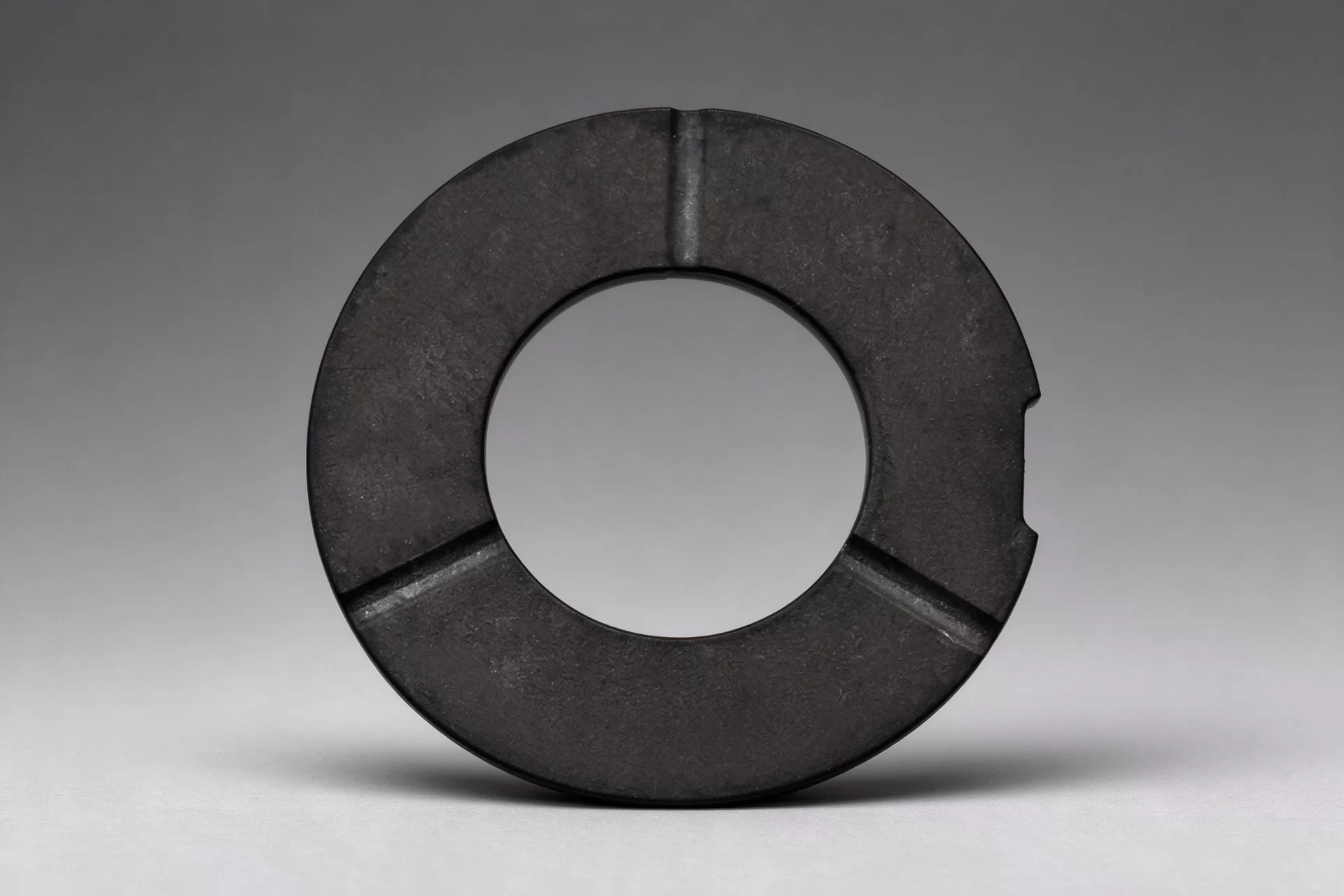
Thrust Washers
For sliding or rotating interfaces, PEEK, PAI or PI may enter the shortlist. Bores, wall thickness, running fit and bearing length matter alongside load, speed, mating surface, temperature, lubrication and expected wear life.
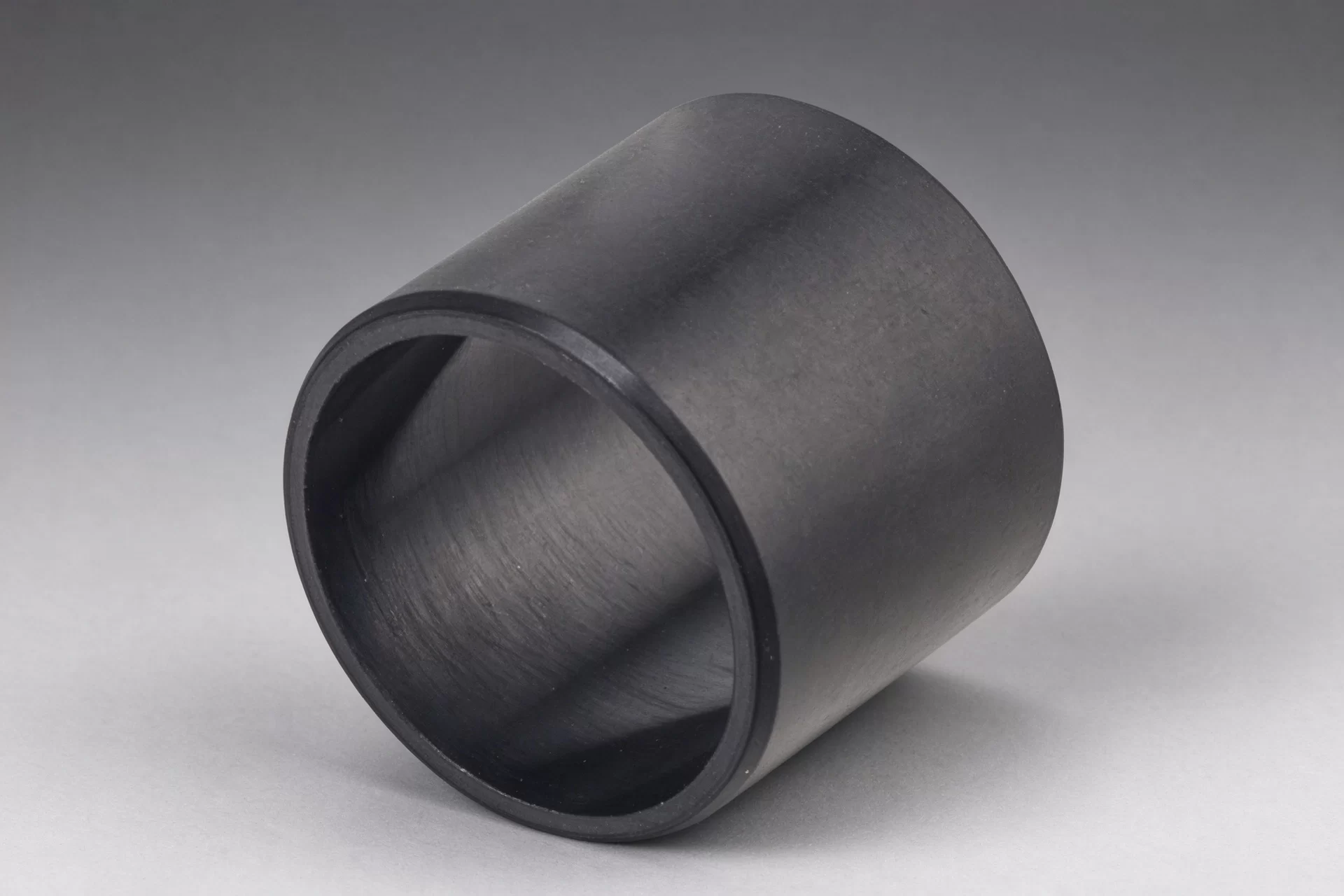
Bushings and Wear Components
For parts that separate assemblies, carry axial load or provide electrical or thermal isolation, the review can consider PPS, PEI, PEEK, PAI or PI. Thickness, flatness, compression, temperature and electrical duty narrow the choice.
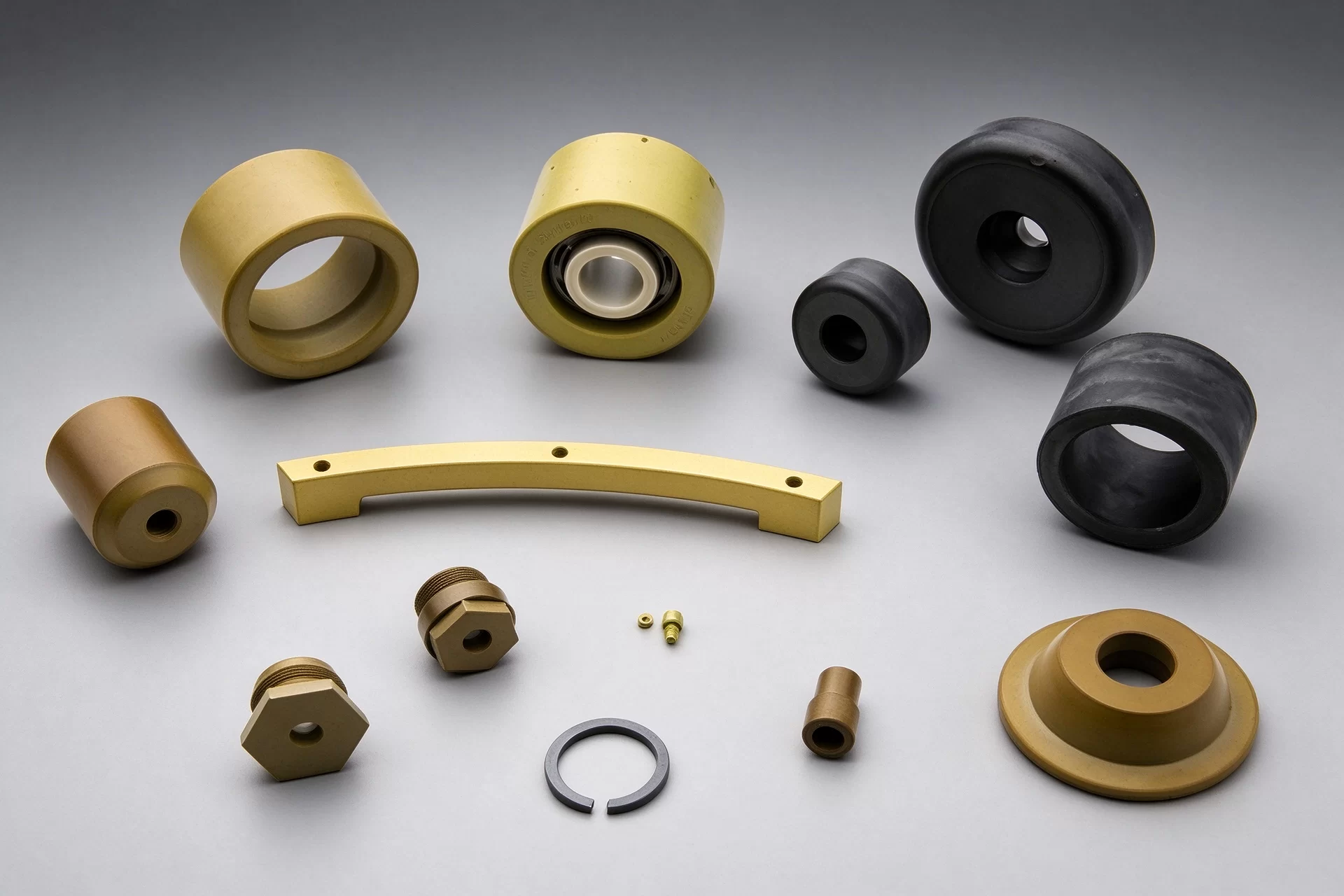
Transmission and Valve Components
For components exposed to oils, fuels, coolants or other automotive fluids, a family-level chemical-resistance statement is only a screening input. Automotive identity, concentration, temperature, exposure time and mechanical stress determine the material review.
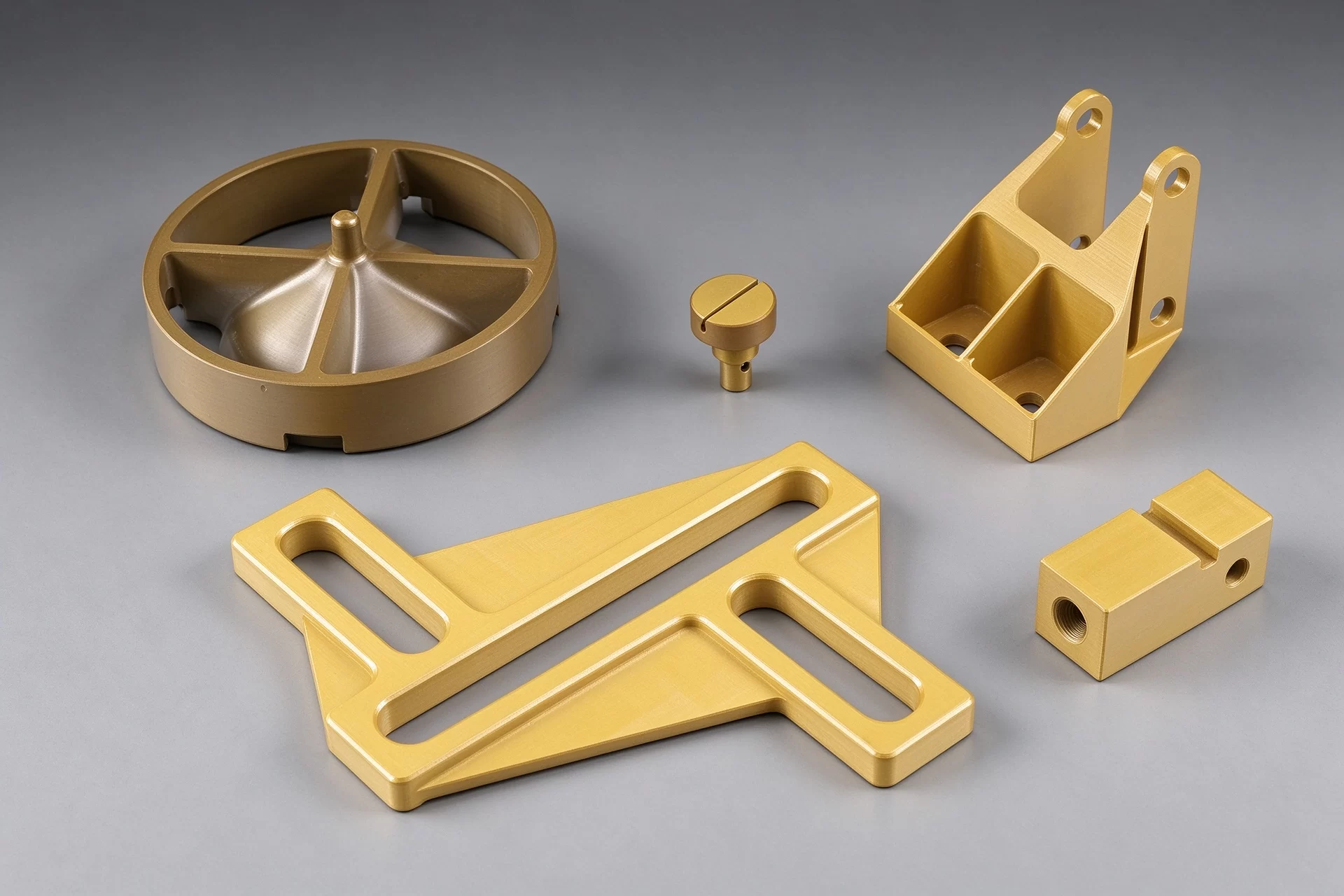
Custom Precision Components
When the bore, thread, groove, sealing face, datum, surface finish or inspection plan is already defined, a drawing-led review separates material questions from machining and acceptance requirements before quotation.
Material Selection
PAI or PEEK: Which Material Should You Consider?
PAI and PEEK can both serve demanding automotive applications, but they solve different engineering problems. Use these profiles to identify which material deserves closer review. Final performance depends on the exact grade, reinforcement, component design and service conditions.
compare
Five Materials for Automotive Component
Compare the conditions the finished part will actually experience—not just a single material property or a general temperature rating.
| Material | Review For | Confirm Before Quotation | Details |
|---|---|---|---|
| PEEK | A strong candidate when heat, mechanical load, wear or fluid exposure occur together. | Grade, duty cycle, mating conditions and geometry still determine fit. | Explore PEEK |
| PPS | Worth reviewing for parts influenced by dimensional stability, electrical function, temperature or automotive-fluid exposure. | Specify the stress state, moisture or fluid conditions and critical dimensions. | Explore PPS |
| PI | A specialist option for high-temperature, wear or insulating duties where the grade and geometry support the requirement. | Load, motion, thermal cycle and wall thickness shape the review. | Explore PI |
| PEI | A candidate for electrical, insulating, structural or housing-related parts when grade-specific properties fit the conditions. | Heat, electrical requirements, fluids and stress remain part of the decision. | Explore PEI |
| PAI | A focused candidate where wear, load or temperature creates a demanding sliding or structural duty. | Grade, machining allowance, moisture conditioning, mating surface and fit require close review. | Explore PAI |
Services
Manufacturing Services for Automotive Products
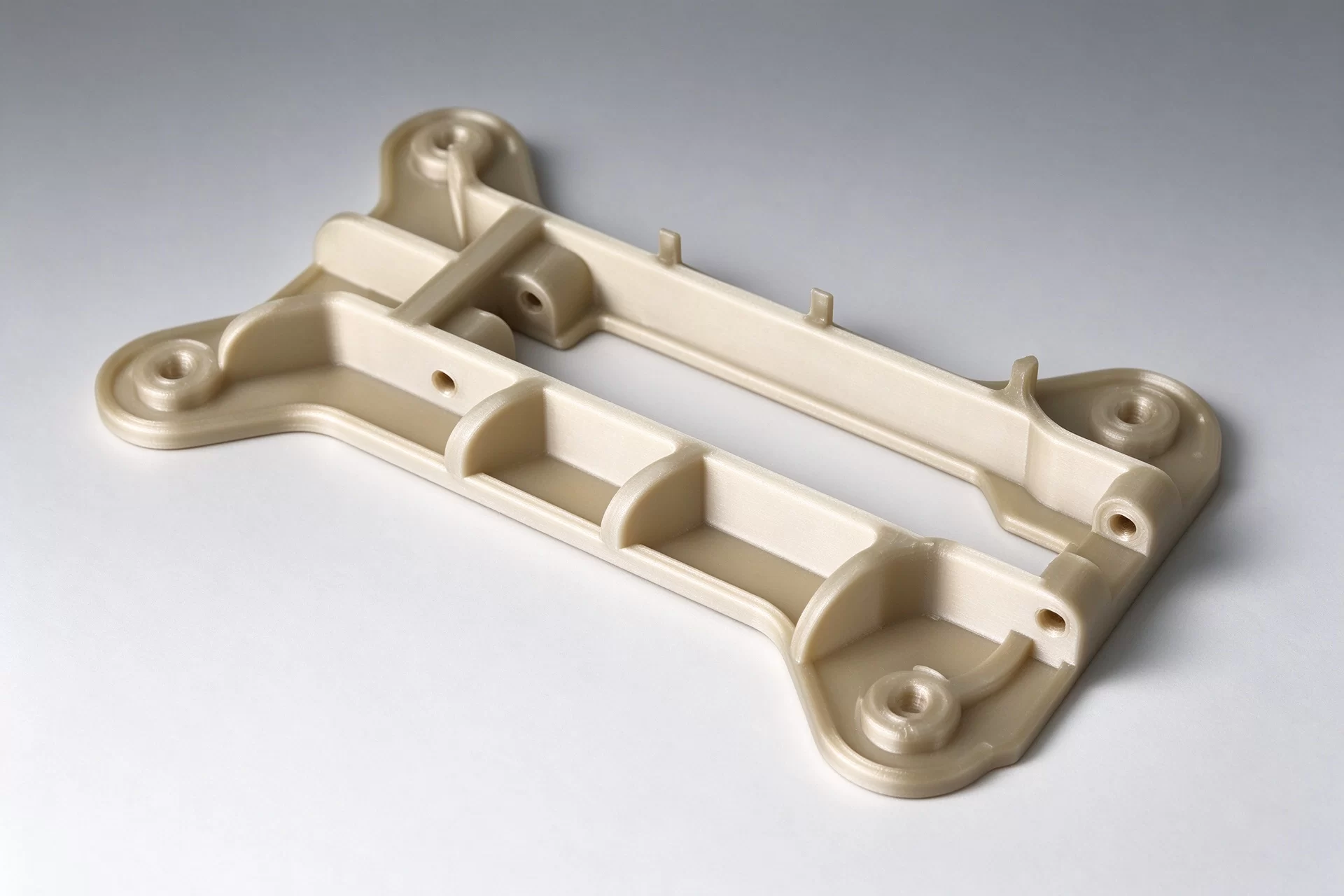
| Leverage the same speed, precision, and reliability in machining that you’re accustomed to at Great plastics but unlock advanced machining capabilities like tighter tolerances and volume pricing through our manufacturing network. Learn more→ |
|
 |
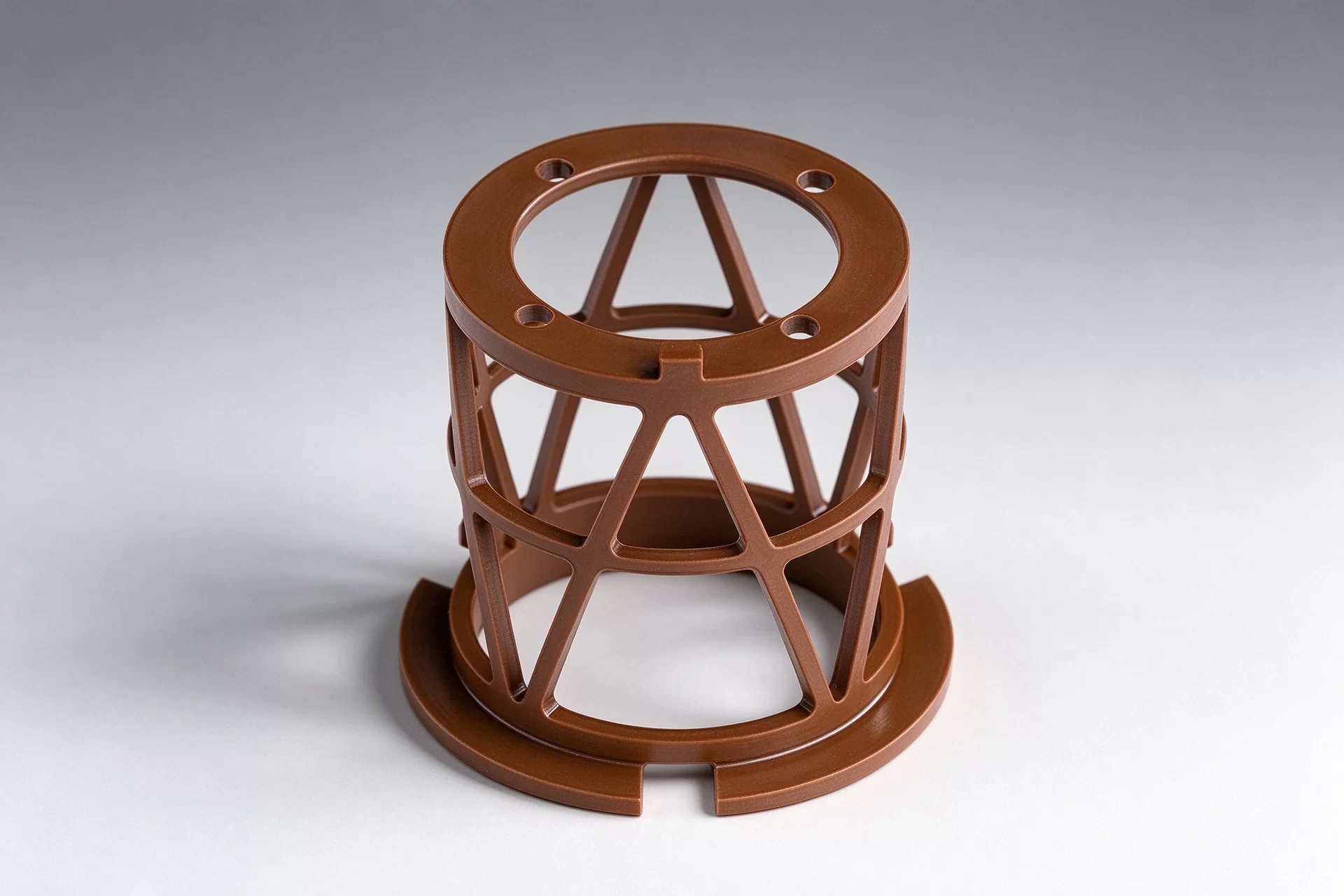
| Get affordable, high-quality molded parts and bridge tooling within days. With our free moldability consultation, the design and molding process is rapidly accelerated to save you time and money. Learn more→ |
|
 |
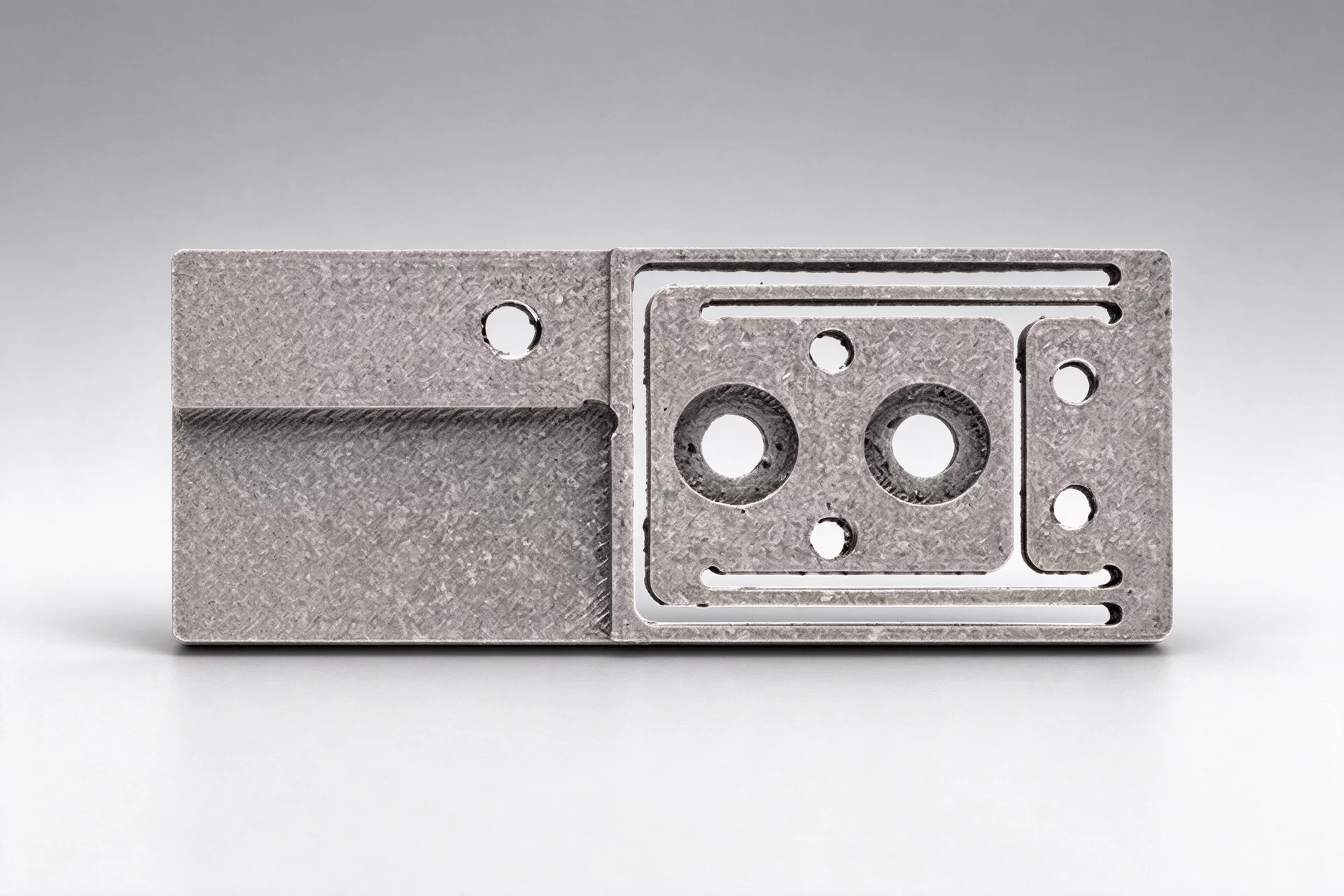
| Want quality parts and additive expertise at a single 3D printing source? Choose from fore different additive manufacturing technologies for cost-effective prototyping and highly precise, repeatable production parts. Learn more→ |
|
 |
how to use
Machining, Inspection and Documentation
A useful quotation distinguishes general drawing dimensions from the features that control fit, sealing, movement or electrical isolation. Great Plastics supports drawing-based work with CNC machining centers and high-precision CNC turning resources, backed by an ISO 9001 quality management system. The process route, inspection scope and documents are confirmed for the individual project.
Great Plastics can review drawing-defined critical features and the inspection or material documents requested for the project. Acceptance method, sampling and records can then be aligned with the quoted scope.
