
Custom plastic cutting
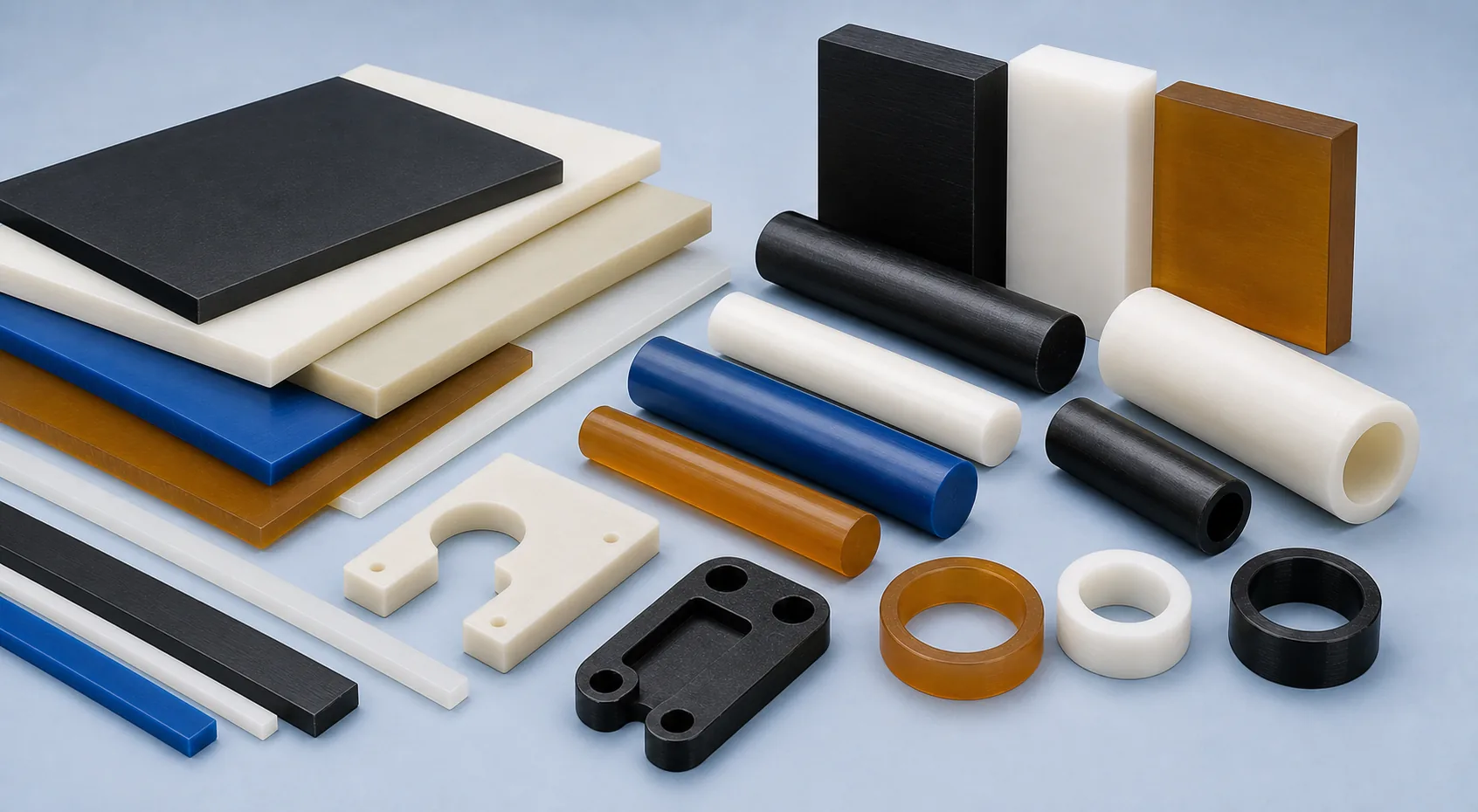
Cut engineering plastic sheets, rods and tubes to the right starting size before fabrication.
Great Plastics reviews custom plastic cutting requests for sheet, rod, tube, plate and prepared blanks. Send the material, stock form, dimensions, quantity, tolerance, edge expectations and next operation so the cut route supports machining, assembly or production use.
Short answer
Cut-to-size plastic is useful when the blank, edge and allowance are defined before production.
A simple cut can still affect cost, yield and downstream quality. Material type, sheet thickness, rod diameter, tube wall, finished size, saw allowance, edge finish and whether the part will be machined later should be reviewed before cutting begins.
RFQ review points
Define the cut before choosing the cutting method.
Stock form
Sheet, plate, rod, tube, bar or prepared blank.
Cut method
Saw cut, rod/tube cut-off, routing, profile cutting or waterjet/knife review when appropriate.
Tolerance target
Separate rough blanks from finished cut dimensions and machining allowances.
Edge expectation
State whether edges can be saw-cut, deburred, routed, cosmetic or ready for assembly.
Next operation
Tell us if the blank will be machined, drilled, bonded, bent, assembled or packed for production.
Route selection
Choose the cutting route around stock form and final use.
| Cutting need | Common route | RFQ note |
|---|---|---|
| Rectangular sheet or plate blanks | Cut-to-size sheet cutting | Send thickness, length, width, tolerance, quantity and edge expectation. |
| Rod or tube lengths | Cut-off preparation | Define OD, ID, wall, length, squareness and later machining allowance. |
| Profiles, slots or simple shapes | Routing or CNC review | Send DXF, drawing or template and note whether the edge is functional or cosmetic. |
| High-value engineering plastics | Yield and allowance review | PEEK, PPS, PEI and PTFE requests should review waste, stress and downstream machining risk. |
Workflow
From RFQ review to the next production decision.
- Send material, stock form, dimensions and quantity.
- Identify whether the part is a finished cut piece or a machining blank.
- Review cut method, tolerance, allowance, edge quality and packaging.
- Confirm quote assumptions and any downstream CNC, drilling or assembly requirements.
- Use stable cut blanks to reduce waste and simplify later fabrication.
RFQ checklist
Send the details that make the quote useful.
- 2D drawing, 3D model or sample photo
- Material name, grade or target performance
- Quantity, project stage and repeat-order expectation
- Critical dimensions, finish, inspection and packaging needs
- Operating temperature, chemicals, load, wear or electrical requirements
FAQ
