PAI plastic / Torlon material
PAI plastic for high load, wear and tight-tolerance parts.
Compare PAI and Torlon material behavior, grade families, machining risk, load and wear factors, nearby alternatives and RFQ inputs before specifying polyamide-imide plastic parts.
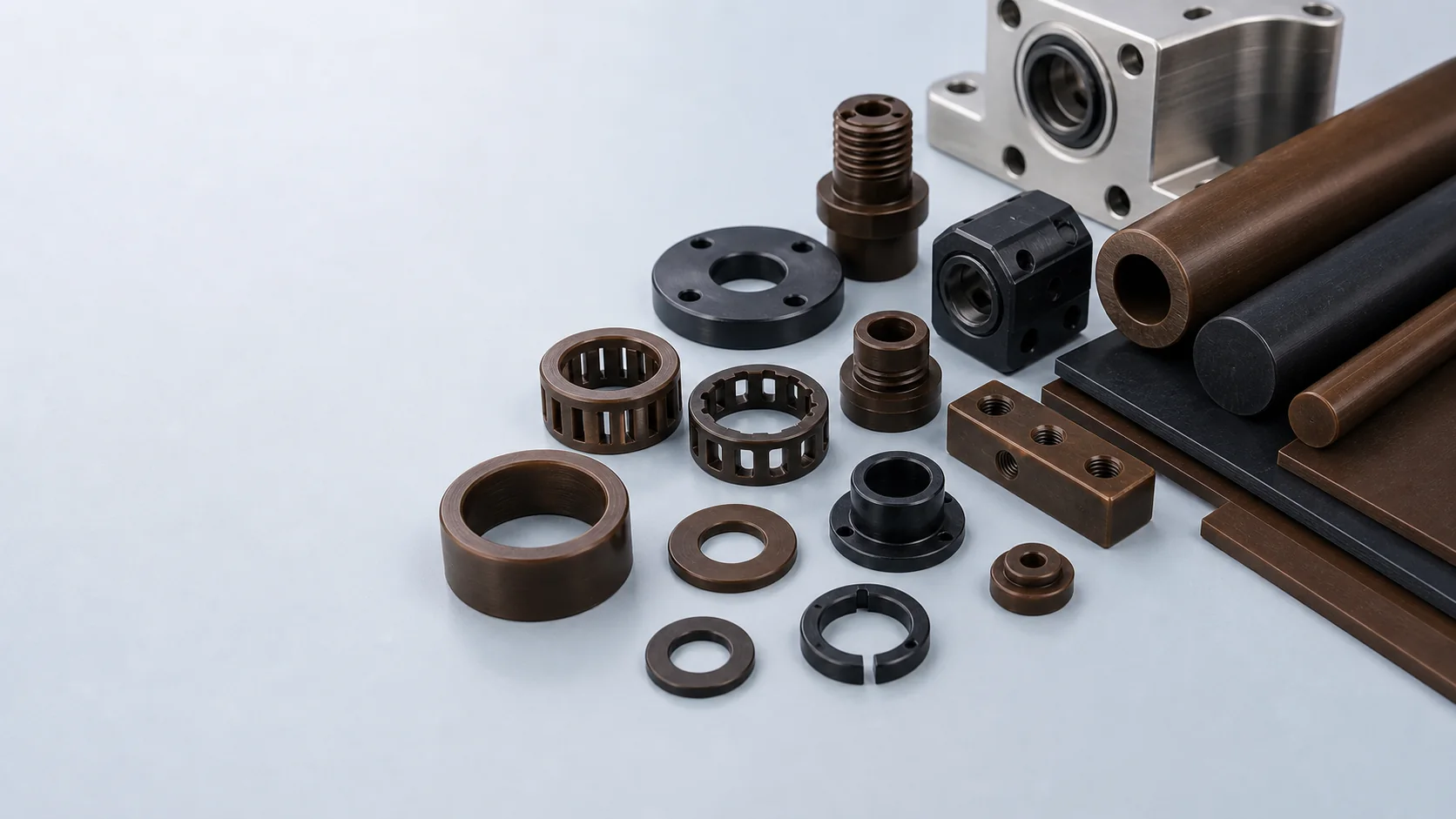
Short answer
PAI plastic is a mechanical-performance choice, not simply a higher-price material.
PAI load, wear and tolerance quote checks
PAI material properties only matter when the load path and machining risk are clear.
Buyers often search for PAI plastic, Torlon plastic, polyamide imide, PAI machining, Torlon machining, PAI material properties and how to choose PAI plastic while describing the same custom engineering plastic polyamide-imide part. Before quoting, the drawing should connect the material grade, load, wear pair, heat resistance, tolerance and production route.
Load path
State bearing pressure, load direction, contact area, duty cycle and whether the part is static, sliding or rotating.
Wear pair
Include mating material, lubrication, speed, temperature, debris exposure and expected service life.
Tolerance stack
Mark bores, flatness, concentricity, wall thickness, post-machining inspection and fit-critical dimensions.
Grade and route
Separate PAI machining, Torlon machining, stock-shape machining, injection molding review and documentation needs before price is set.
Material fit
When PAI plastic belongs on the shortlist.
PAI pages often list strength and wear values. A buyer also needs to know which load path, friction condition or tolerance target makes PAI worth evaluating.
| Requirement | Why PAI may help | RFQ detail to send |
|---|---|---|
| High load | PAI is selected for plastic parts that must carry mechanical stress with low deformation. | Load, bearing pressure, mating material, contact area and duty cycle. |
| Wear and friction | Bearing and filled PAI grades can be reviewed for sliding, thrust or rotating contact. | Speed, load, lubrication, mating surface and expected life. |
| Creep resistance | PAI can be valuable where long-term load and elevated temperature threaten dimensional drift. | Continuous load, temperature, time under load and critical fit dimensions. |
| Tight tolerance | Precision PAI parts often need careful grade, stock and machining planning. | Critical bores, flatness, concentricity, wall thickness and inspection method. |
| Elevated temperature mechanics | PAI may retain useful mechanical behavior in hot assemblies where lower plastics lose stiffness. | Continuous temperature, peak temperature, thermal cycling and nearby heat source. |
Grade and machining decisions
PAI performance depends on grade family, stock condition and machining plan.
Unfilled
Unfilled PAI
Useful where strength, stiffness and electrical behavior matter, while grade and stock condition still control the final result.
Bearing
Wear and friction grades
Graphite, PTFE or bearing-focused PAI grades may reduce wear or friction with tradeoffs in surface finish and machining.
Filled
Glass or carbon filled PAI
Filled grades can improve stiffness or wear behavior but may increase tool wear and edge sensitivity.
Condition
Cure, moisture and stress
Stock condition, post-cure state, moisture exposure and residual stress can affect final dimensions and performance.
Machining
Heat and tool control
Review heat control, tool wear, burrs, internal corners, tight bores and flatness before quoting.
Inspection
Critical feature plan
Define the dimensions that control fit or performance so precision effort is focused correctly.
Selection boundary
Choose PAI when load and wear drive the design.
PAI is usually not the first plastic to test for a simple part. It becomes practical when mechanical stress, sliding contact, creep or precision stability decide whether the part survives.
- Use PAI when bearing pressure, friction, creep or tight fit dominates the requirement.
- Compare PEEK when chemical resistance, broader availability or cost matters more.
- Compare PEI when flame/electrical behavior matters more than wear or load.
- Compare PI when severe heat, dry friction or specialty environments narrow the list further.
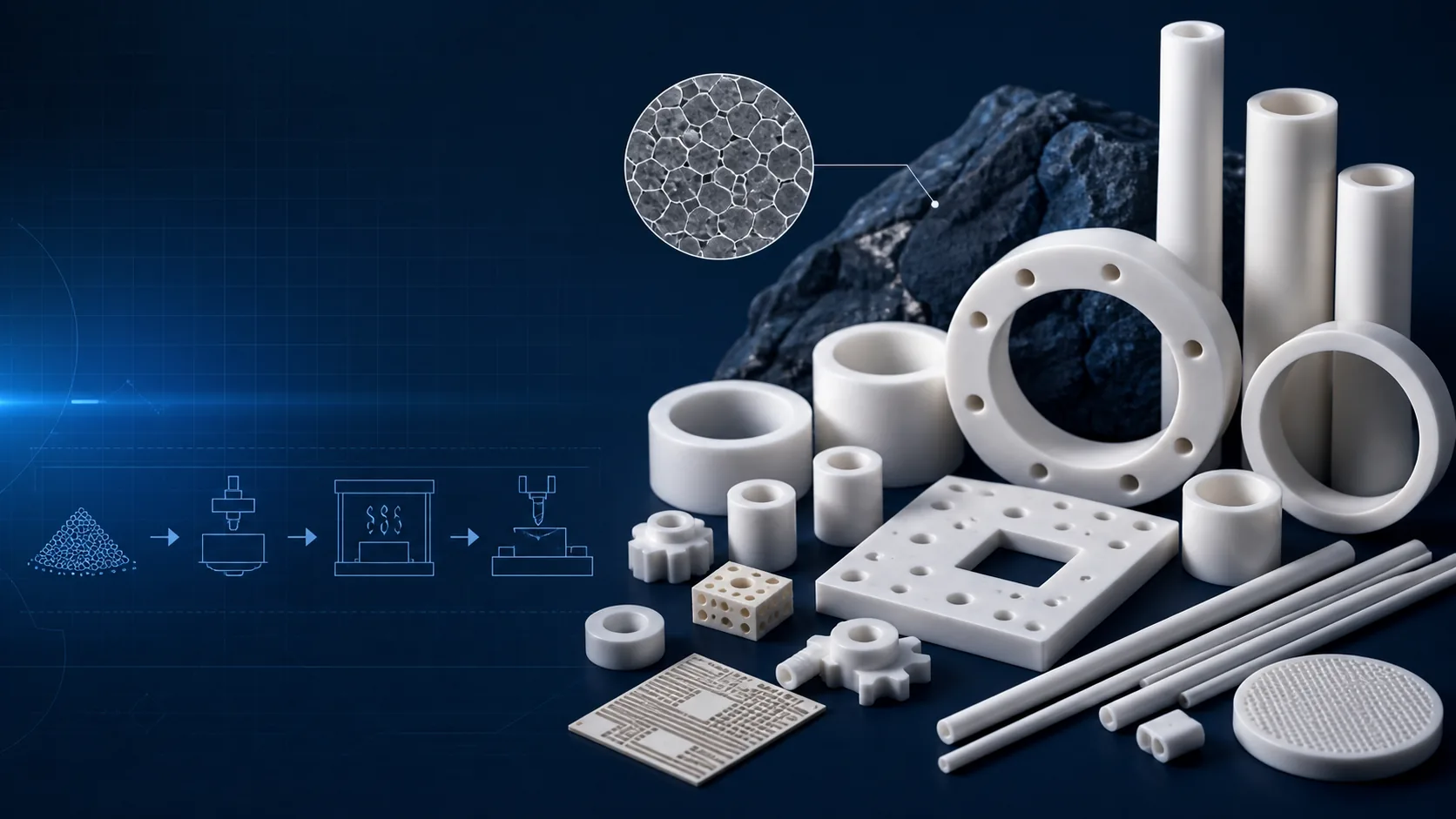
Alternatives
Compare PAI with nearby high-performance plastics before quoting.
| Material | Why compare it | When PAI may be preferred |
|---|---|---|
| PEEK | Strong heat, chemical and mechanical balance with broad machining use. | Load, wear, creep or tight-tolerance stability exceed what PEEK should carry. |
| PI | Reviewed for severe heat, dry friction, vacuum and specialty performance. | The part is primarily a mechanical load or wear component rather than a specialty environment part. |
| PEI | Useful for flame behavior, insulation, stiffness and dimensional stability. | The application needs stronger load-bearing, wear or creep performance. |
| PPS | Good chemical and dimensional stability for cost-sensitive applications. | The part needs higher strength, wear behavior or elevated-temperature mechanical performance. |
| POM or Nylon | Often more economical for moderate wear and mechanical parts. | The operating load, heat or dimensional requirement exceeds ordinary engineering plastic limits. |
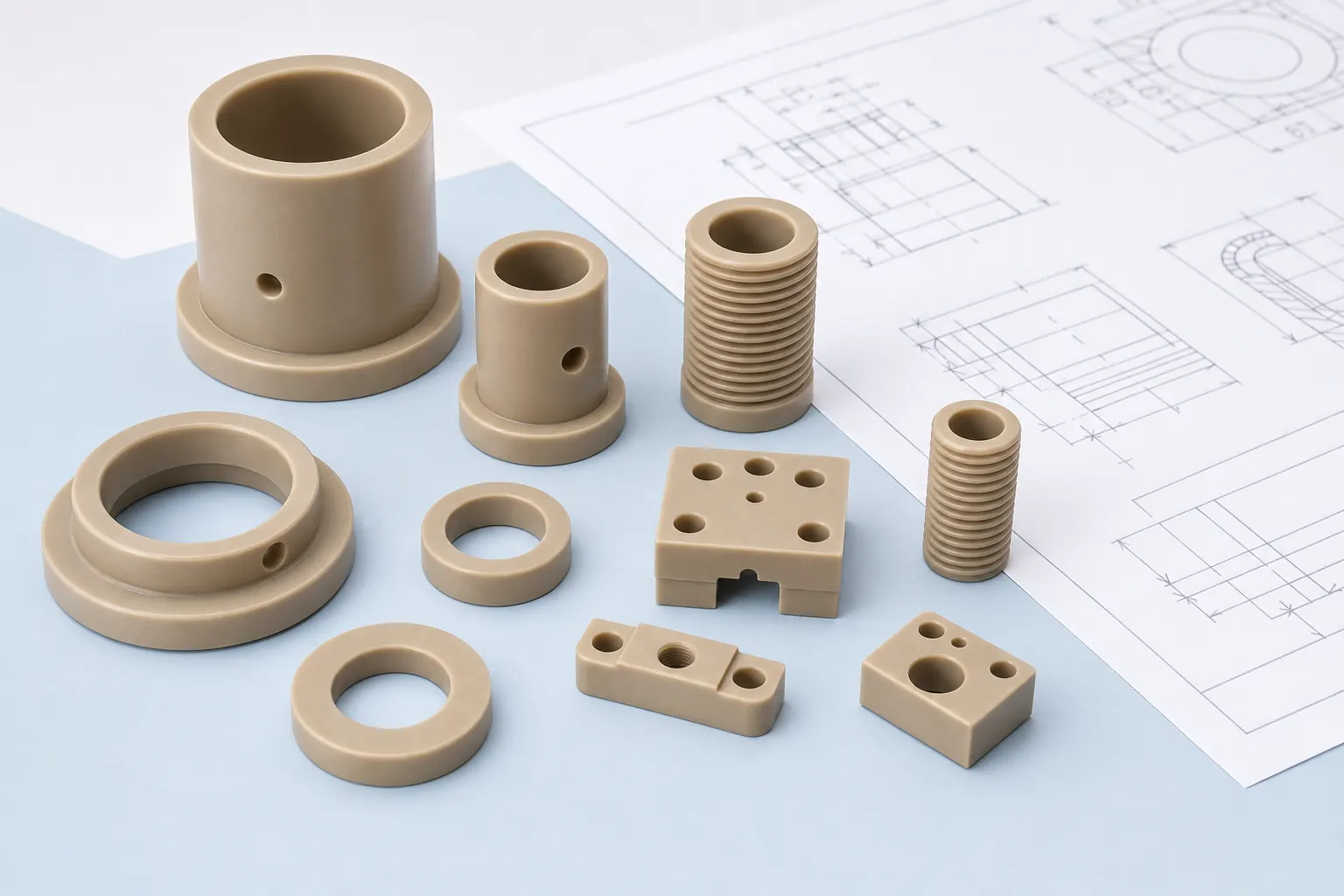
Manufacturing route
Plan PAI parts around load path, grade and machining risk.
- Use CNC machining for precision PAI bushings, bearings, washers, rings, sockets and rollers from stock shapes.
- Review grade family before assuming the same wear, friction, stiffness or edge behavior.
- Control heat, tool wear, clamping and machining sequence for tight bores or flatness.
- Separate performance-critical dimensions from general dimensions before RFQ review.
Application matrix
Where PAI plastic is commonly reviewed.
| Application context | Possible PAI plastic parts | Review emphasis |
|---|---|---|
| Aerospace and high-load mechanisms | Bushings, bearings, rollers, spacers, supports and precision wear parts. | Load, wear, heat, weight, documentation and tolerance stability. |
| Semiconductor and test equipment | Sockets, nests, fixtures, guides, spacers and precision mechanical components. | Tight features, wear, heat, dimensional control and cleanliness. |
| Machinery and automation | Thrust washers, rollers, guides, bearing cages, seal rings and sliding components. | Bearing pressure, speed, lubrication, mating surface and service life. |
| Energy and fluid systems | Seal rings, valve seats, pump wear parts, sleeves and high-load support parts. | Pressure, temperature, chemical exposure, wear and inspection needs. |
| Electrical and industrial equipment | Insulators, structural supports, wear pads and precision mechanical pieces. | Mechanical load, heat, electrical behavior and dimensional stability. |
RFQ checklist
Send enough detail to decide whether PAI is justified.
| RFQ input | Why it matters | Example detail |
|---|---|---|
| Drawing or 3D model | Defines geometry, fits, bores, wall thickness and machining risk. | PDF drawing, STEP file, critical dimensions and tolerances. |
| PAI grade or performance target | Separates unfilled, bearing, graphite, PTFE, glass or carbon-filled requirements. | Torlon-style unfilled PAI, bearing grade, wear grade, stiffness target or electrical need. |
| Load and motion | Connects material choice to bearing pressure, creep and wear behavior. | Load, speed, contact pressure, mating material, lubrication and duty cycle. |
| Operating environment | Connects PAI selection to heat, chemicals, moisture and service conditions. | Temperature, fluid exposure, humidity, cleaning method and thermal cycling. |
| Inspection and documentation | Controls quote scope, tolerance effort and quality review. | Critical features, first article, material certificate, inspection report and packaging needs. |
FAQ
Questions buyers ask before specifying PAI plastic.
PAI plastic RFQ
Send a drawing or failure note for PAI material review.
A useful PAI quote starts with load, motion, temperature and tolerance. Share the drawing and performance context so PAI can be compared with PEEK, PI, PEI and PPS before the route is locked.
- Drawing or 3D model
- PAI grade or performance target
- Load, speed, wear and mating surface
- Quantity, tolerance and documentation needs