PEI plastic / Ultem material
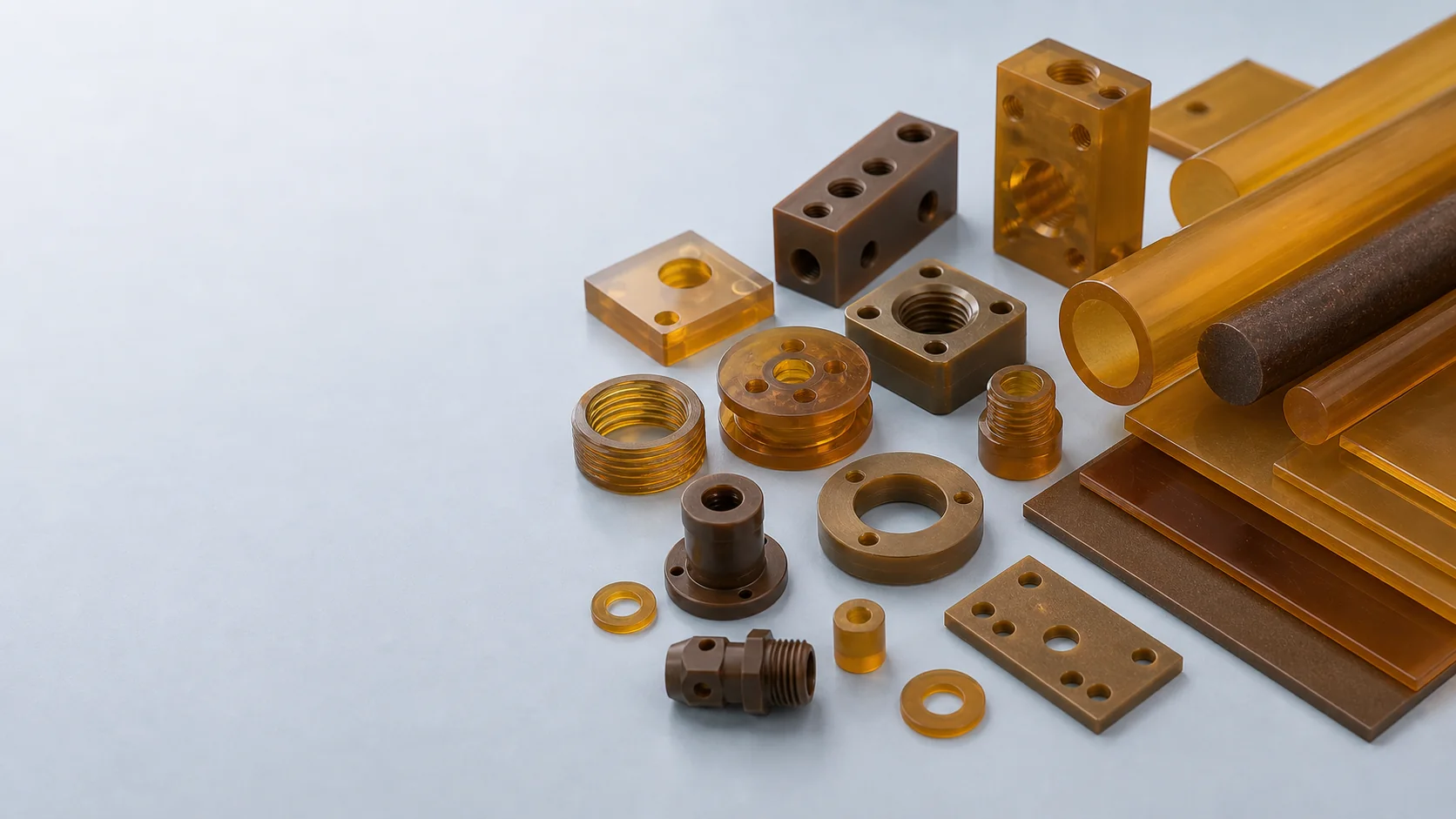
PEI plastic for heat, flame resistance and electrical insulation.
Compare PEI and Ultem material behavior, grade choices, sheet and rod stock, CNC machining notes and RFQ inputs before specifying polyetherimide plastic parts.
Short answer
PEI plastic is often chosen when structure, heat and insulation must work together.
Material fit
When PEI plastic belongs on the shortlist.
Most PEI pages list properties. Buyers also need to know which requirement is driving the choice and what must be included in the quote package.
| Requirement | Why PEI may help | RFQ detail to send |
|---|---|---|
| Heat resistance | PEI is selected for parts that need elevated-temperature stiffness and dimensional control. | Continuous temperature, peak temperature, assembly location and cycle exposure. |
| Flame performance | PEI is often reviewed where flame behavior and low smoke concerns matter in an assembly. | Flame rating target, wall thickness, application standard and material documentation need. |
| Electrical insulation | PEI is used for insulators, spacers, housings and structural electrical parts. | Voltage, spacing, creepage, thickness, heat and mating components. |
| Dimensional stability | PEI can hold dimensions well for precision components when geometry is suitable. | Critical features, tolerance, flatness, bore fit and inspection method. |
| Transparent amber appearance | Unfilled PEI may be chosen when a translucent amber engineering plastic is desired. | Appearance requirement, finish, stock form and machining surface expectations. |
Grade and process decisions
PEI performance depends on grade, stock form and manufacturing route.
Unfilled
Ultem 1000-style PEI
Often reviewed for amber appearance, insulation, machinability and balanced heat-resistant structural performance.
Filled
Glass-filled PEI
Can improve stiffness and dimensional stability, while changing edge quality, tool wear and surface finish expectations.
Stock
Sheet and rod parts
Stock form controls machining allowance, flatness, yield, lead time and part cost for CNC PEI components.
Machining
CNC machined PEI
Review internal corners, thin walls, drilled holes, tapped features, finish and critical tolerances before quoting.
Volume
Injection molding path
Molding can fit higher-volume PEI parts when geometry, grade, tooling risk and stable demand justify the route.
Scope
Documentation needs
State flame, electrical, traceability, inspection or approved-grade requirements before the quote scope is set.
Selection boundary
Choose PEI for the right problem, not only because it is high-performance.
PEI can be a strong middle path when the part needs heat resistance, stiffness, insulation and flame behavior without moving directly to PEEK, PAI or PI. It is less attractive when aggressive chemical exposure, severe wear or very high temperature dominate the design.
- Use PEI when electrical, flame and dimensional requirements matter together.
- Compare PEEK or PAI when wear, chemical exposure or higher mechanical performance drives the part.
- Compare PPS when chemical resistance and cost control are stronger priorities.
- Compare PI when severe heat, vacuum, creep or specialty performance narrows the list.
Alternatives
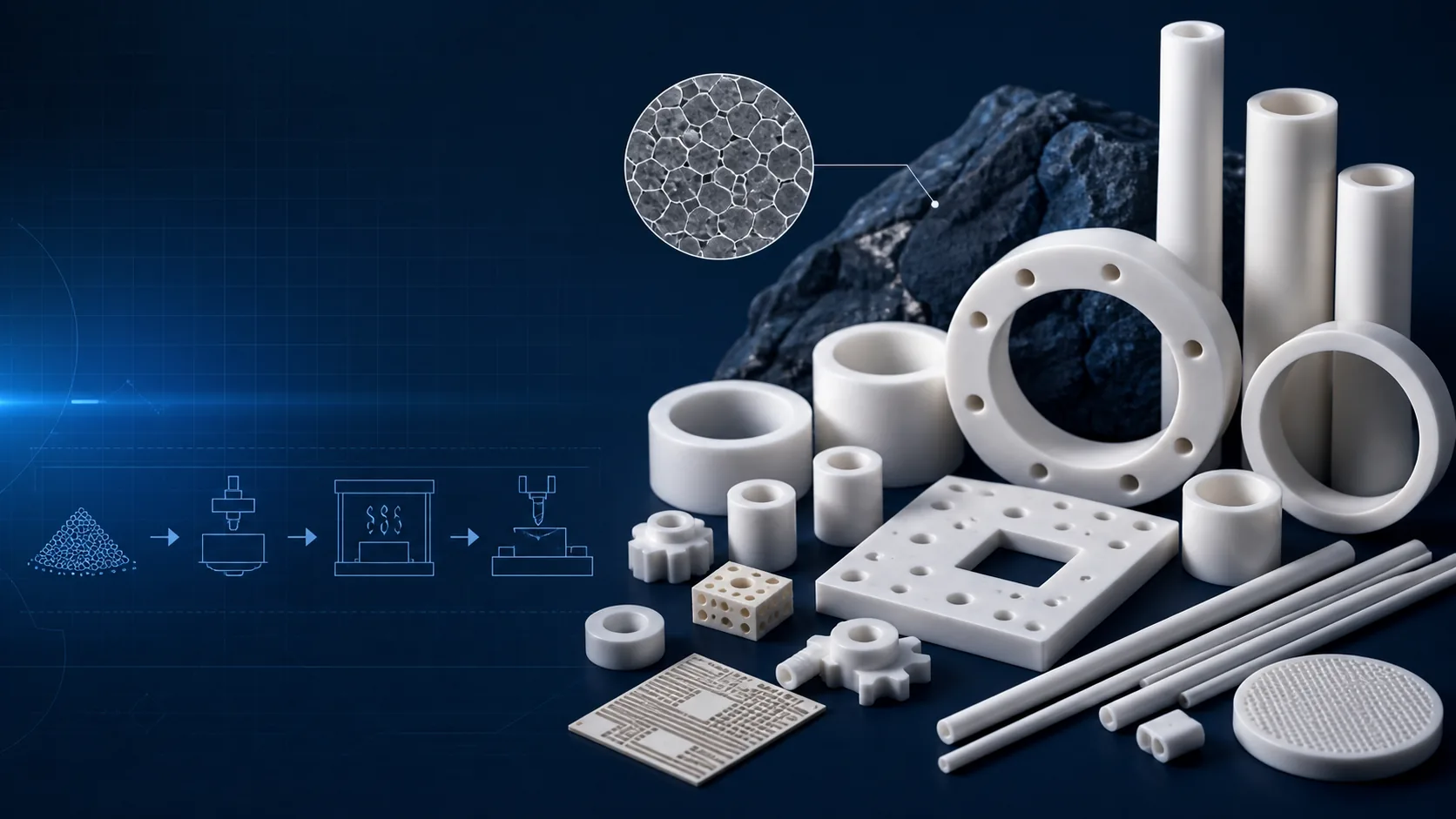
Compare PEI with nearby engineering plastics before quoting.
| Material | Why compare it | When PEI may be preferred |
|---|---|---|
| PEEK | Better fit for harsher chemical, wear and high-strength requirements. | The part mainly needs flame behavior, electrical insulation, stiffness and cost control. |
| PPS | Useful for chemical resistance, dimensional stability and cost-sensitive engineering parts. | The application needs better stiffness, insulation, appearance or heat-resistant structural behavior. |
| PAI | Excellent wear, strength and high-performance precision part behavior. | The PEI environment is less severe and needs better economics or electrical/flame performance. |
| PI | Used for severe heat, dry friction, vacuum and specialty environments. | The application needs a more practical stock-shape or machined-part route. |
| PC or PSU/PPSU | Useful where clarity, impact or sterilization behavior may matter. | The design needs higher heat, stiffness or flame performance than those materials can provide. |
Manufacturing route
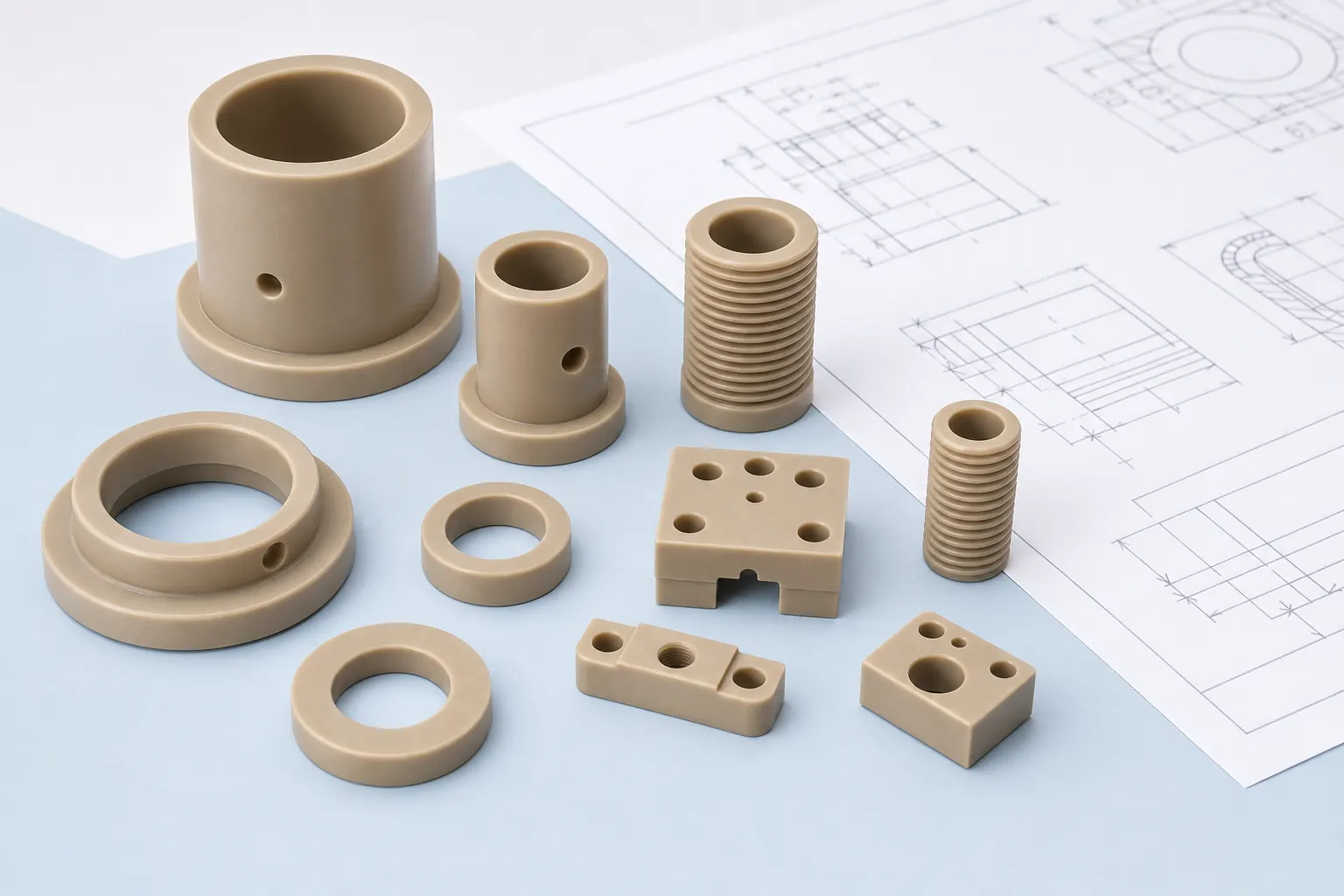
Plan PEI parts around grade, stock form and tolerance.
- Use CNC machining for prototype, low-volume or precision PEI parts from sheet, rod or prepared stock.
- Review unfilled versus glass-filled grade before assuming the same surface finish or edge behavior.
- Separate functional tolerances from general dimensions to avoid over-controlling the drawing.
- Consider injection molding when volume, design stability and tooling economics support the route.
Application matrix
Where PEI plastic is commonly reviewed.
| Application context | Possible PEI plastic parts | Review emphasis |
|---|---|---|
| Electrical and electronics | Insulators, spacers, terminal blocks, housings and supports. | Voltage, heat, flame behavior, wall thickness and dimensional stability. |
| Aerospace and transportation | Interior parts, brackets, clips, housings, insulating components and lightweight supports. | Flame requirements, smoke concerns, weight, documentation and temperature. |
| Medical and laboratory equipment | Instrument parts, reusable fixtures, housings, adapters and insulating pieces. | Cleaning, heat, dimensional stability, finish and documentation needs. |
| Semiconductor and test equipment | Fixtures, nests, probe supports, spacers and precision machined components. | Insulation, cleanliness, dimensional stability and small feature machining. |
| Machinery and automation | Guides, rollers, manifolds, covers, spacers and low-volume custom components. | Stiffness, heat, wear level, tolerances and production route. |
RFQ checklist
Send enough detail to decide whether PEI is the right material.
| RFQ input | Why it matters | Example detail |
|---|---|---|
| Drawing or 3D model | Defines geometry, fits, wall thickness, holes and hidden machining risk. | PDF drawing, STEP file, critical dimensions and tolerances. |
| PEI grade or performance target | Separates unfilled, glass-filled or application-specific PEI requirements. | Ultem-style unfilled PEI, glass-filled PEI, flame/electrical target or appearance need. |
| Operating environment | Connects PEI selection to heat, flame, electrical, chemical and mechanical conditions. | Temperature, voltage, fluid exposure, load, mating material and cleaning method. |
| Quantity and route | Changes the choice between CNC machining, custom cutting and molding review. | Prototype, pilot batch, repeat order, annual demand or stable production volume. |
| Inspection and documentation | Controls quote scope, material documentation and quality review. | Critical features, first article, material certificate, inspection report and packaging needs. |
FAQ
Questions buyers ask before specifying PEI plastic.
PEI plastic RFQ
Send a drawing or application note for PEI material review.
A useful PEI quote starts with the grade, environment and drawing. Share the application context so PEI can be compared with PEEK, PPS, PAI and PI before the material and route are locked.
- Drawing or 3D model
- PEI grade or performance target
- Heat, flame, electrical or chemical requirements
- Quantity, tolerance and documentation needs